DD
MM
YYYY

PAGES

DD
MM
YYYY

spot_img

PAGES

Home Blog Page 4264

How African Farmers Can Leverage the Continuing Digital Revolution to Improve Africa’s Food System

0

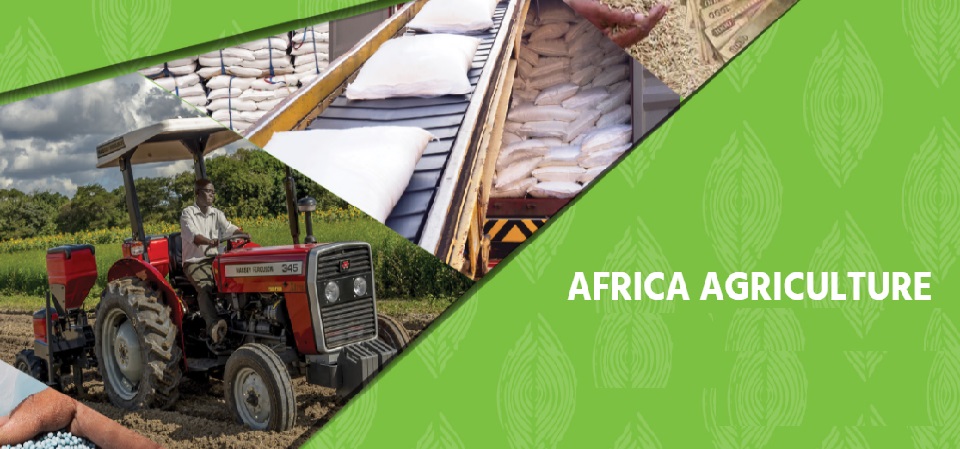
The continuous digital revolution has significantly induced innovation in many sectors of the global economy. In the agricultural ecosystem, the narrative has changed and is still changing. Agricultural production has transitioned and is still transitioning from the primitive stage of relying on nature and crude implements to modern data-driven technologies and methodologies. According to experts, the next phase of agricultural practices will be largely driven by data of all kinds.

Unfortunately, in Africa digital agriculture has been growing rather unsteadily compared to other regions of the world, especially the global north. This has continued to impact how people within the region grow and source for their foods.

Africa’s food system has been disproportionately pressured by its increasing population, resulting in high incidence of hunger, malnutrition and criminality of the region. Therefore, it has been suggested that to meet the required food production for Africa’s projected population of 4.5 billion by 2050, stakeholders within the Africa’s agricultural workspace must begin to look in the direction of big data and digital technologies to optimize the food system.

It is believed that the future of Africa rests on the ability to resourcefully harness the vast potentials of the region’s agricultural ecosystem. One key thing that has been emphasized by experts in this regard is a deliberate, concerted effort to bridge the gap of knowledge in the Industry through increased investment in research and development as well as advocacy and training for data usage by farmers and other stakeholders.

High level of illiteracy among Africa’s smallholder farmers remains a big challenge. This problem often results in lack of capacity for system and collaborative thinking among farmers which is much needed for value creation and delivery across the agricultural value chains. Consequently, many local farmers tend to focus mainly on the production value chain.

However, when Agriculture is limited to just planting and harvesting, the food security that we all talk about may not be realized. Hence, farmers need to understand the entire business of Agriculture and how to link one part of the value chain to the other.

Data is a major element to achieving food security and large-scale production under controlled condition with minimal risks. However, beyond farming on a large scale, it is important to institutionalize data system for Agriculture so that people can become conscious of it and then collaborate towards driving innovation in the industry. It is said that in Africa, people will not go hungry due to insufficient farmlands or farmers but due to lack of capacity to leverage data and data analytics for sustainable agricultural practices.

Key Recommendations

  1. Farmers and other key stakeholders in Africa’s agriculture industry need to develop capacity in data analytics. They need to understand what data to collect, how to collect these data and how to build models to analyse and generate insight for sustainable agricultural production.
  2. We need to develop a system to collect data and store them in a location that is easily accessible to all farmers or stakeholders that need them.
  3. A strong sense of collaboration should be encouraged among practitioners in the industry.
  4. Knowledge gap existing in the area of developing indigenously made devices such as sensors and artificial intelligence models should be bridged. Research institute and agriculture-focused institution should look in this direction to ensure that we have affordable digital devices that can enhance farming practices locally.
  5. Government should provide enabling environment that will promote data-driven Agriculture in the continent.
Tesla Announces Plan to Build Megapack Energy Factory in Shanghai China

1

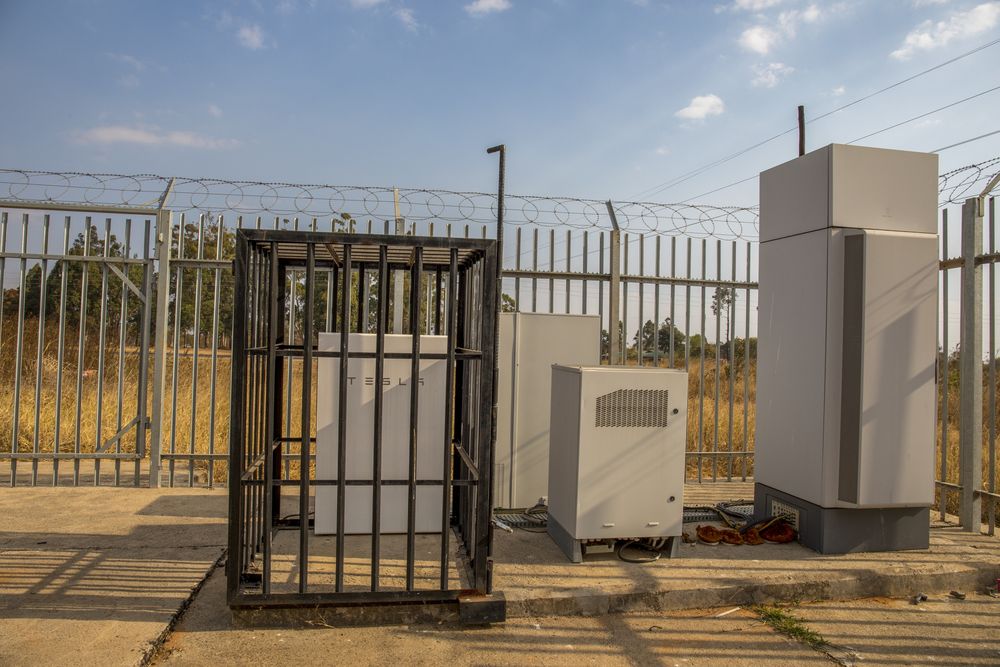
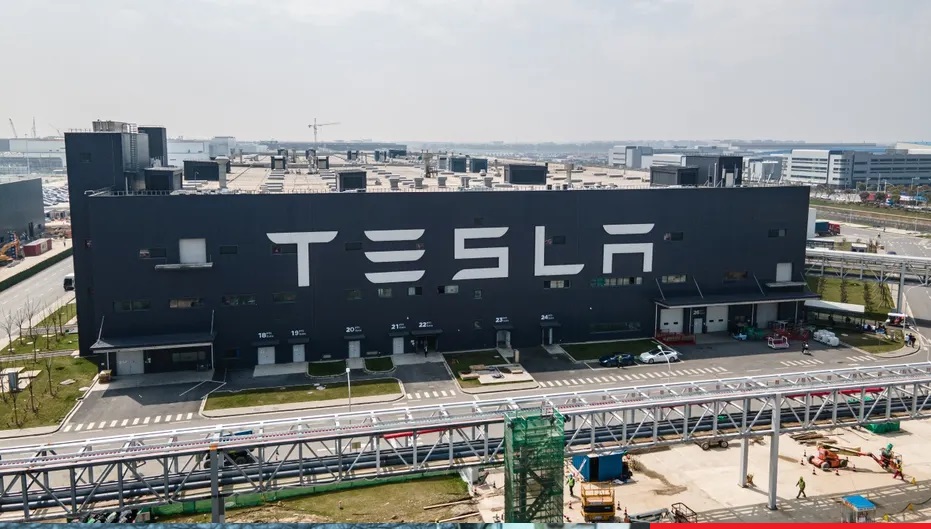
Tesla is opening a mega energy factory in Shanghai, China, which will boost energy for EVs in the world’s largest auto market.

The company said in a tweet on Sunday that the factory is capable of producing ten thousand Megapack energy products per year, supplementing output from the Megapack factory in California.

Xinhua, a Chinese state media outlet, which reported the news first, said the plant will begin production in the second quarter of 2024, after breaking ground on the plant in the third quarter.

Per the report, the new factory will initially produce 10,000 Megapack units a year, equal to around 40 gigawatt hours of energy storage, to be sold globally. This will complement Tesla’s Shanghai electric vehicles manufacturing gigafactory.

Tesla CEO Elon Musk has been ramping up efforts recently to increase the company’s energy output as a way of boosting revenue growth amid declining demand for electric vehicles.

Lowering the cost of energy in line with its recent decision to cut the price of some Tesla models will likely boost sales for the world-leading EV maker.

With the new Shanghai plant, Tesla will take advantage of China’s world leading battery supply chain to ramp up output and lower costs of its Megapack lithium-ion battery units to meet rising demand of energy storage globally as the world shifts to use more renewable energy, per Reuters.

Tesla’s current energy Megafactory in Lathrop, California, has the capacity to produce 10,000 Megapacks per year. The Shanghai factory underscores Musk’s commitment to grow the company’s solar energy and battery business close to its car business – which remains its major source of revenue.

China is Tesla’s largest market but has seen a slowdown of up to 20.8% in the first two months of 2023, a decline from 150% in the same period last year.

The resulting drop in sales, buoyed by rising inventory in Shanghai, has forced Tesla to initiate price cuts in January, especially for its Model Y and Model 3 across its major markets globally, including Japan, South Korea and Australia.

Tesla is building another gigafactory in Berlin-Brandenburg, its first and most advanced manufacturing hub in Europe. The factory, also known as Giga-Berlin, is expected to be completed this year, and will manufacture hundreds of thousands of Model Y vehicles and millions of battery cells.

Tesla has so far produced 4 million vehicles and currently has capacity to manufacture 1.9 million cars per year. Musk’s vision is for Tesla to deliver 20 million cars annually by 2030, broadening the company’s energy needs.

Musk announced plan for sustainable energy early March, estimating a total $10 trillion for its accomplishment. The move to start a Megapack energy factory in Shanghai is thus seen as part of the plan.

Reuters reported that Chinese battery giant CATL has also been deepening its collaborations with clients including Tesla in energy storage battery supplies.

Leadership and Management as Key Drivers of Entrepreneurship and Innovation

0

Leadership and Management are key concepts of entrepreneurship as a field of discipline. Entrepreneurship as a way of life probably started thousands of years ago when human interaction in their environment for economic survival was set on a trajectory of developing complex organisations and the use of sophisticated technology from subsistence farming which depended mainly on the use of simple stone and iron tools.

Before the end of the first industrial revolution, the French had already coined the word, entreprendre, to espouse the influence of human creative energy on economic growth and development. Entreprendre which translates as enterprise or entrepreneurship originally means to undertake or to start something.

The meaning and usage of the word later expanded when Richard Cantillon, an 18th Century French economist, reflected on the integration of economic forces to drive economic growth and development. Cantillon also describes the entrepreneur as someone who uses judgement without being able to foresee which (product) will pay the best price.

Essentially, the entrepreneur could be described as the leader who takes initiative and economic risk in combining and allocating other economic resources towards creating the best products that brings the greatest profit. Explicit in this definition is the capacity for strategic leadership and management especially under uncertain conditions. It is commonly believed that the success of a business depends on the quality of its leadership and management or the strength of the entrepreneur.

Leadership Vs Management

Leadership and management are often loosely used or interchangeably deployed in layman’s perspective. However, several technical analyses of the concepts unveil the relevance of each for attaining entrepreneurial success and economic development.

Leadership is the ability to take initiative and exert motivational influence towards achieving a common goal or a set of objectives. Koontz and O’Donnell defined leadership as the ‘’process of influencing people so that they strive willingly towards the achievement of group goals’’. For C.I Bernard, leadership is the ‘’quality of behaviour of the individuals whereby they guide people or their activities in organized efforts’’.

Management on the other hand is the ability to maximize scarce resources. ‘’Management is the design and implementation of new strategies to help organisations cope with rapid changes and uncertainties in their industry and general environment’’ (Hitt et al 2010).

By pursuing a degree in entrepreneurship, students are equipped with the skills to identify opportunities, develop strategies and effectively manage resources towards achieving business success. For example, a Master of Public Administration (MPA) degree with a concentration in entrepreneurship is designed to provide the necessary leadership and management skills, as well as an understanding of public policy and economic development, for individuals seeking to start their own businesses or work in entrepreneurial ventures. SImilarly, a Masters in Business Administration (MBA) with a focus on entrepreneurship prepares students for successful leadership and management of their own businesses.

Management is a continuous process of setting organisational goals as well as developing actionable plans and effectively allocating resources to execute those plans for the attainment of the organisational goals. In other words, management involves setting objectives, analyzing the competitive environment and the internal organization, evaluating strategies and ensuring that management rolls out the strategies across the organisation.

Paytech Startups, The Era Is Now “Beyond Payment” in Africa

0

In Africa, the era of just offering APIs or apps for receiving or sending payments is largely over. The emerging era is building paytech (fintech companies with specific focus on payment) solutions which enable merchants and ecosystem stakeholders to grow their businesses or their missions. In other words, competing for a spot at the “checkout pages” is hopeless if you are not helping those merchants in other ways. Do you help them manage their inventories, bookkeeping, etc?

To win a merchant’s payment collection services, you must help that merchant to grow that business. Rethink fintech and broad payment because most of the elemental components have been solved. Yes, there are many great firms which offer payment collections. 

As a paytech firm, what do you offer that merchant besides a seat at the checkout page? If you have nothing, you would be replaced very soon by competitors which offer more than APIs, and lines of codes, for collecting payments?

Tesla Plans to Build Second Megafactory in China to Produce 10,000 Batteries Yearly

0

Automotive and clean energy company Tesla plans to build a second mega factory in China that will manufacture 10,000 Megapack batteries per year, equal to around 40 gigawatts of hours of energy storage.

According to China state media outlet Xinhua, Tesla will break ground on the plant in the third quarter of this year, and start production in the second quarter of 2024. The company’s CEO Elon Musk disclosed that the opening of the new factory in Shanghai will supplement the output of the Megapack factory in California.

The new Shanghai factory will utilize China’s world-leading supply chain to increase output. The price of Tesla’s Megapack battery products is also expected to drop with increased production, which will help meet global demands.

Tesla aims to deliver a cost-effective ramp of 4680 battery cells at all its facilities in 2023 to reach a high volume in 2024. The new low-cost and high-energy density cells will power not only already announced products but also those that are in development. Musk said that Tesla’s goal was to reach 1,000 gigawatt hours of annual battery storage production (1 terawatt hour per year). The company also operates a Gigafactory in Shanghai that is capable of producing 22,000 units of automobiles weekly.

Meanwhile, while Tesla plans to explain its factory annual capacity, the growth of EVs in China slowed to 20.8% in the first months of 2023, a sharp decline from 150% in the same period in 2022 which saw it miss market expectations for fourth-quarter deliveries despite shipping a record number of vehicles. This saw the automotive company’s performance in 2022 among the worst on S&P 500 index.

Even before the unimpressive performance at the start of the year, Tesla’s market cap plunged a whopping 65% over the last 12 months as it weathered supply chain problems, slowed demand in China, and blowback over Musk’s controversial actions as head of Twitter. The automotive company has however grappled with rising investing in Shanghai, China, as demand weakens, which has led to a massive price cut. It is also offering subsidies for insurance costs. 

Although the majority of Tesla’s production is currently coming from its Shanghai factory in China, Tesla is aiming to produce 1.8 million vehicles worldwide this year so it’s likely it will be earning billions of dollars a year from the credits in the near future. Also, global automakers have in the past few months battled a demand downturn in China, the world’s top auto market where the spread of covid-19 has hit economic growth and consumer spending.

Several Wall Street analysts say they expect more pressure on Tesla’s stock in the coming months as it continues to face stiff competition from other automakers and weaker global demands.