In the Igbo Nation, Diochi, the village palm wine tapper, will remind you that only a fool tells everything he sees on top of the palm tree. And the village respects that because on that palm tree, he sees everything (people bathing in the village stream, women delivering babies on roads to farms, etc).
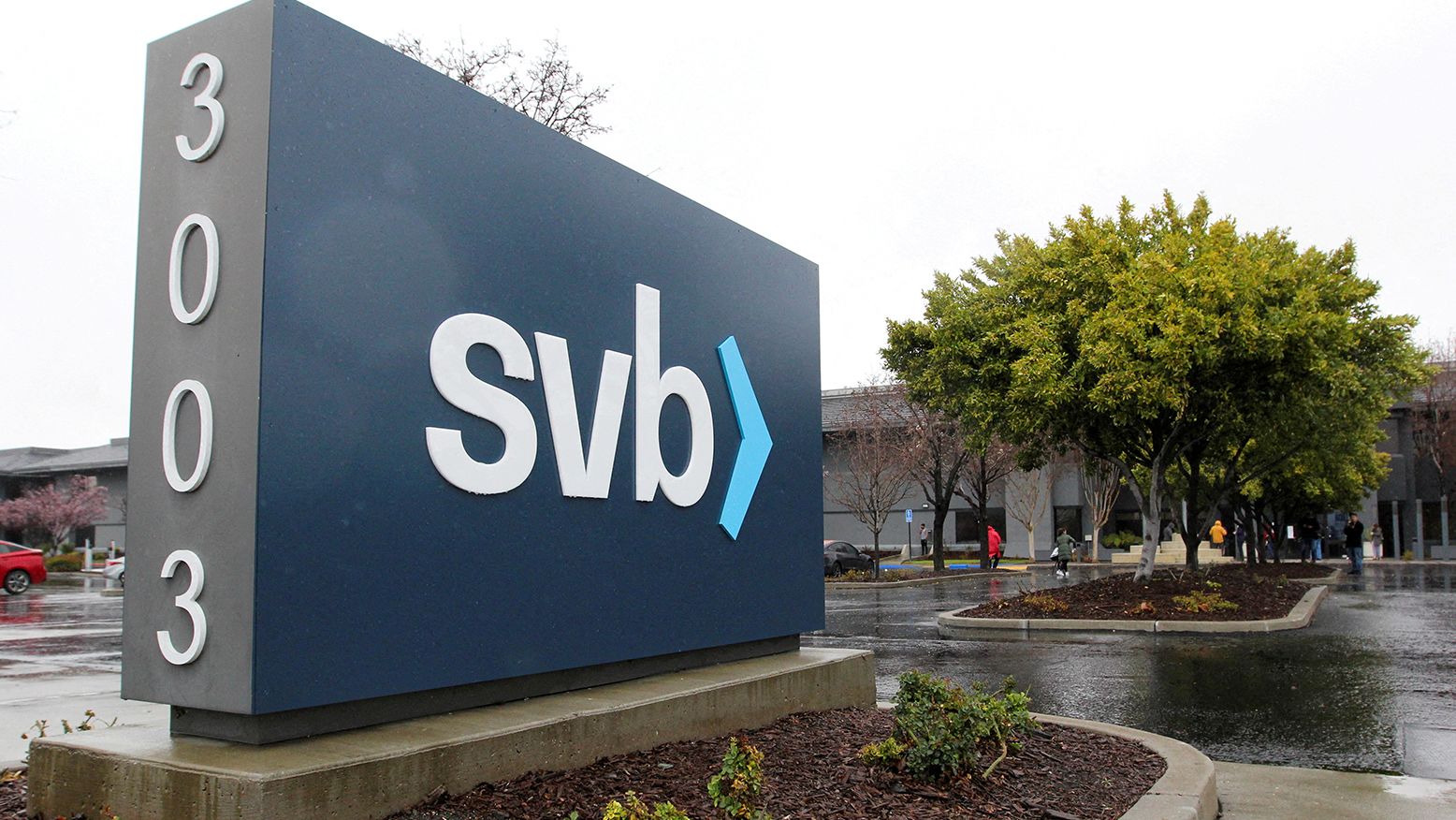
That takes me to why Silicon Valley Bank collapsed. On Friday, I wrote that the CEO of the bank was mindless on how he explained the challenges of the bank on Wednesday. He was acting like a non-banker, being uncommonly transparent to the point you would ask: does this man know that he was representing a bank, and not a trucking, beverage, restaurant, etc business?
I get the point: let us be super-transparent and process all information in the public domain so that the world will know that we are transparent. Unfortunately, that is not how banking works because humans will make their calls differently. I faulted the man, making a case that before going public, he ought to have fortified the bank. He did not: he went public and then thought he could control the hours in private to cushion the mess.
A piece on CNN supports my thesis, using these words and lines to describe what happened – “That was absolutely idiotic,” ‘“unnecessary” because Silicon Valley Bank had sufficient capital far in excess of regulatory requirements’, ‘People are just shocked at how stupid the CEO is.”
Get me right: I believe in transparency but sometimes, we become weak thinking that transparency can absorb us from leading. This man, from all the ratios in the banking charter, is not obliged to report what he reported on Wednesday. Also, $2 billion for a mid-tier US bank is not a lot of money for him to blow the big air.
Across all domains, he could have booked this loss, raise the money and explained during an earnings call what happened. But here, instead of doing that, he told people he has a problem in PUBLIC before finding a solution in private. Unfortunately, he did not have the time to find that solution. He could have called the Saudis, Musks, etc – and closed the flanks.
People, we love transparency. But note that empires, kingdoms, military battalions – and banks, fail if leaders do not do what they have to do in private, securing fronts and flanks, before coming to the public, unless when that public pronouncement is absolutely necessary. The revelation on Wednesday was not required by law, and a gap of $2 billion for a mid-tier US bank is not money for a 40-year old banking institution.
But that error brought the bank down. It also reminds us that working in a bank, we need to manage information carefully, especially if we’re higher up in the leadership rank. Yes, remember: Diochi is also the man who shouts from the palm tree, alerting the village when he sees something that requires urgent and immediate attention. #wisdom
Jeff Sonnenfeld, CEO of the Yale School of Management’s Chief Executive Leadership Institute (CELI), told CNN he agrees that Silicon Valley Bank’s leadership deserves criticism for their “tone-deaf, botched execution.”
“Someone lit a match and the bank yelled, ‘Fire!’ – pulling the alarms in earnest out of genuine concern for transparency and honesty,” Sonnenfeld and Steven Tian, CELI’s research director, said in an email on Sunday to CNN.
Sonnenfeld and Tian said not only was the announcement of an unsubscribed $2.25 billion capital raise Wednesday night “unnecessary” because Silicon Valley Bank had sufficient capital far in excess of regulatory requirements, but there was no need to simultaneously reveal the $1.8 billion loss.
Comment On Feed
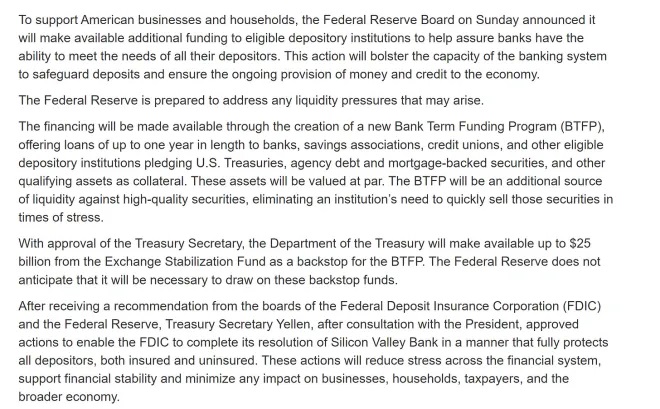
Comment 1: I believe every executive has one or two things to learn from SVB and Signature Bank saga. FDIC and the Fed really surprised the world this time not bailing out the bank but guaranteed 100% of depositors money. Many pundits have postulated around 50% max. for the depositors funds.
Another intriguing thing about SVB is the interest HSBC UK has shown in acquiring the failed bank. SVB is that strategic to the VC and startups world.
We do hope HSBC will pull through if the books are not that rotten anyway. Let’s keep our fingers crossed looking at events unfolding in the coming weeks.
My Response: HSBC can do that in the UK because the UK was fair to its bank-buyers in 2008. JP Morgan bought Bears Stearns. But after rescuing Bears Stearns and WaMU, the US government fined the buyers, eroding shareholders’ value. JP Morgan was fined $13+6 BILLION (total of $19 billion): “JPMorgan would go on to acquire another investment bank, Washington Mutual, shortly after. The two acquisitions would ultimately cost a combined $19 billion in fines and settlements.”
So, when the government called over the weekend, no bank agreed to buy SVB or Signature just as none touched Silvergate. I spoke with a bank Managing Director today, he explained what is going on: “everyone remembers those fines when folks tried to help only to be burnt with fines”.