DD
MM
YYYY

PAGES

DD
MM
YYYY

spot_img

PAGES

Home Blog Page 4362

I invite you to join Tekedia Capital Syndicate and co-invest with Ndubuisi Ekekwe, and our members

0

I invite you to join Tekedia Capital Syndicate and co-invest with me, and other amazing members, in Africa’s next great tech-anchored startups. We’re making it easier for citizens, groups, investment clubs, companies, organizations, etc to own a piece of early-stage, high-growth technology startups operating across Africa.

Our opportunity antenna and grassroot connections with innovators enable us to see patterns as they develop. We invite you to partner with us as we nurture and build category-king companies in Africa and beyond, and in the process advance citizens, communities and nations.

At Tekedia Capital, we fund the foundations of the NEXT African economy through entrepreneurial capitalism. A  membership fee which covers 4 investment cycles (we typically do 2-3 cyclers every 12 months)  of $1,000 or Naira equivalent is  required; click and join today.

We understand this game and have many awards in the kit! The next cycle is about to begin and we invite you to join today.

The Role of Regulation in the Conversion of Bitcoin to Cash

0

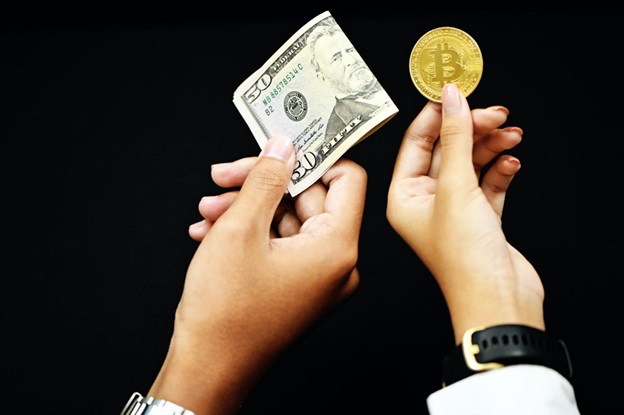
In recent years, Bitcoin has become a popular digital currency used by millions of people around the world. While it was initially designed as an alternative to traditional financial systems, the increased adoption of Bitcoin has led to a growing need for regulation. In particular, the conversion of Bitcoin to cash has become a major concern for regulators, as it can potentially be used for illegal activities. In this article, we will explore the role of regulation in the conversion of Bitcoin to cash. For more detail about the thequantumai App visit our official website

The Need for Regulation in Bitcoin Conversion

One of the biggest challenges with Bitcoin is the lack of regulation. Unlike traditional financial systems, Bitcoin operates outside of the control of governments and central banks. While this may appeal to some users, it also makes Bitcoin vulnerable to abuse. In particular, the conversion of Bitcoin to cash can be used to launder money, evade taxes, and fund illegal activities.

In order to combat these risks, regulators have taken a more active role in monitoring the conversion of Bitcoin to cash. This has involved the creation of new laws and regulations that aim to prevent illicit activities while still allowing for the legitimate use of Bitcoin.

The Impact of Regulation on Bitcoin Conversion

While some may see regulation as a hindrance to the growth of Bitcoin, it can actually have a positive impact on the industry. By providing a clear framework for the conversion of Bitcoin to cash, regulation can increase transparency and accountability, making it easier for law enforcement agencies to identify and prevent criminal activity.

Moreover, regulation can help to build trust among consumers and businesses, which can lead to increased adoption of Bitcoin. When users know that there are rules in place to protect their investments, they are more likely to feel confident in using Bitcoin as a legitimate form of payment.

Regulation also helps to prevent market manipulation and fraud. By requiring exchanges and other businesses to follow strict guidelines, regulators can ensure that the Bitcoin market operates fairly and efficiently.

The Role of Exchanges in Bitcoin Conversion

One of the key players in the conversion of Bitcoin to cash is the cryptocurrency exchange. These exchanges act as intermediaries between Bitcoin users and traditional financial systems, allowing users to buy, sell, and store Bitcoin. As such, they play a critical role in the regulation of Bitcoin conversion.

In recent years, many exchanges have faced increased scrutiny from regulators. This has led to the creation of new guidelines for exchanges, such as Know Your Customer (KYC) and Anti-Money Laundering (AML) regulations. These regulations require exchanges to verify the identity of their users and report any suspicious activity to law enforcement agencies.

While some exchanges have struggled to meet these new requirements, others have embraced them as a way to build trust and credibility. By working closely with regulators, exchanges can ensure that they are providing a safe and secure platform for the conversion of Bitcoin to cash.

The Role of Banks in Bitcoin Conversion

Another important player in the conversion of Bitcoin to cash is the traditional banking system. While Bitcoin was designed to operate outside of this system, many users still need to convert their Bitcoin into fiat currency in order to pay bills or make purchases.

As such, banks play a critical role in the regulation of Bitcoin conversion. In recent years, many banks have been hesitant to work with Bitcoin businesses due to concerns about money laundering and other illegal activities. However, as regulation has become more common, many banks have started to take a more active role in the Bitcoin industry.

The Future of Bitcoin Conversion Regulation

As Bitcoin continues to grow in popularity, it is likely that regulation will play an increasingly important role in the conversion of Bitcoin to cash. While some may view regulation as a hindrance to the growth of Bitcoin, it can actually help to increase trust, transparency, and accountability within the industry. As such, it is important for regulators, exchanges, banks, and other stakeholders to work together to create a safe and secure system for the conversion of Bitcoin to cash.

Overall, the regulation of Bitcoin conversion is a complex and evolving field. While there are challenges and risks associated with the conversion of Bitcoin to cash, there are also opportunities for innovation and growth. By working together, regulators, exchanges, banks, and other stakeholders can create a safer, more transparent, and more efficient system for the conversion of Bitcoin to cash.

The role of Bitcoin exchanges in converting Bitcoin to cash

0

In recent years, Bitcoin has become increasingly popular as a decentralized digital currency. It offers many advantages over traditional fiat currencies, including lower transaction fees, faster settlement times, and greater privacy. However, one of the main challenges faced by Bitcoin users is how to convert their digital assets into cash. This is where Bitcoin exchanges come in. Bitcoin trading, you may consider using a reputable trading platform like https://www.bitlq.net

What are Bitcoin exchanges?

Bitcoin exchanges are online platforms that allow users to buy, sell, and trade Bitcoin and other cryptocurrencies. They act as intermediaries between buyers and sellers, matching orders and facilitating transactions. These exchanges typically charge a fee for their services, which can vary depending on the platform and the type of transaction.

How do Bitcoin exchanges work?

Bitcoin exchanges work by matching buyers and sellers and facilitating transactions. Buyers can deposit fiat currency into their exchange account and use it to purchase Bitcoin at the current market rate. Similarly, sellers can deposit their Bitcoin into their exchange account and sell it for fiat currency, which can then be withdrawn to their bank account.

Bitcoin exchanges also provide a range of other services, such as wallets for storing and managing Bitcoin, trading tools for advanced users, and customer support for users who need assistance. Some exchanges even offer margin trading, which allows users to trade with borrowed funds and potentially increase their profits.

Why are Bitcoin exchanges important for converting Bitcoin to cash?

Bitcoin exchanges play a crucial role in the process of converting Bitcoin to cash. Without these exchanges, it would be much more difficult for users to buy and sell Bitcoin, and the market would be much less liquid. By providing a platform for buyers and sellers to connect, Bitcoin exchanges make it easy for users to convert their Bitcoin into cash and vice versa.

Furthermore, Bitcoin exchanges provide a level of security and trust that is essential for many users. By using a reputable and reliable exchange, users can be confident that their transactions will be processed quickly and securely, and that their funds will be protected from theft or fraud. This is particularly important for users who are new to Bitcoin and may be unfamiliar with the risks involved in buying and selling cryptocurrencies.

How do Bitcoin exchanges impact the price of Bitcoin?

Bitcoin exchanges can have a significant impact on the price of Bitcoin, especially in the short term. This is because the price of Bitcoin is determined by supply and demand, and Bitcoin exchanges are the primary marketplaces where buyers and sellers meet to trade Bitcoin.

When there is high demand for Bitcoin and a limited supply, the price of Bitcoin will typically rise. Conversely, when there is low demand for Bitcoin and a high supply, the price will typically fall. Bitcoin exchanges play a crucial role in determining the supply and demand for Bitcoin by matching buyers and sellers and facilitating transactions.

Bitcoin exchanges can also impact the price of Bitcoin through the fees they charge for their services. If the fees are high, this can discourage some users from buying and selling Bitcoin, which can reduce the demand for Bitcoin and potentially lower the price. Conversely, if the fees are low, this can encourage more users to buy and sell Bitcoin, which can increase the demand for Bitcoin and potentially raise the price.

What are the risks of using Bitcoin exchanges?

While Bitcoin exchanges offer many benefits for users, there are also some risks associated with using these platforms. One of the biggest risks is the potential for theft or fraud. Bitcoin exchanges are a popular target for hackers and other cybercriminals, who may attempt to steal users’ funds or personal information.

Another risk of using Bitcoin exchanges is the potential for regulatory changes or government intervention. As Bitcoin and other cryptocurrencies become more mainstream, governments around the world are starting to take notice and develop regulations for these digital assets. This can create uncertainty for users and potentially impact the value of Bitcoin and other cryptocurrencies.

Finally, there is also a risk of technical issues or glitches on Bitcoin exchanges are complex technological platforms that require a high level of security and reliability to function effectively. However, despite their best efforts, technical issues can occur that can impact users’ ability to buy and sell Bitcoin. For example, an exchange may experience downtime due to maintenance or upgrades, which can prevent users from accessing their accounts or completing transactions.

Conclusion

In conclusion, Bitcoin exchanges play a crucial role in the process of converting Bitcoin to cash. They provide a platform for buyers and sellers to connect and facilitate transactions in a secure and reliable manner. While there are risks associated with using these platforms, the benefits they offer are significant, and they are essential for the growth and development of the Bitcoin ecosystem. As the market for Bitcoin continues to evolve, it is likely that we will see even more innovation and competition in the Bitcoin exchange space, which will ultimately benefit users and help to drive the adoption of this exciting new technology.

The Security Risks of Storing Cash vs Bitcoin

0

In today’s digital age, financial transactions are not just limited to traditional cash exchanges. More and more people are turning to cryptocurrency, particularly Bitcoin, as an alternative means of payment and investment. While there are certain benefits to using Bitcoin, such as anonymity and decentralization, there are also some security risks associated with storing Bitcoin as compared to cash. For more information visit the official Bitcoineer site

Physical Security Risks of Storing Cash

When it comes to storing cash, physical security is the primary concern. Cash is a tangible asset that can be stolen, lost, or damaged easily. Keeping large sums of cash at home, in a safe or under a mattress, is not a secure method of storage. In case of a break-in or natural disaster, cash can be stolen or destroyed, resulting in a significant financial loss. Banks offer a more secure option, but there is still a risk of robbery or fraud.

Digital Security Risks of Storing Bitcoin

On the other hand, Bitcoin is a digital currency that is stored in a digital wallet, and it is not subject to the same physical security risks as cash. However, it does come with its own set of digital security risks. The digital wallet used to store Bitcoin can be hacked, and if the hacker gains access to the private key, they can steal the Bitcoin. If the digital wallet is lost or damaged, there is no way to recover the Bitcoin stored within it. These risks can be mitigated by using a secure wallet and keeping backups of the private key.

Risk of Losing Passwords

Another security risk associated with storing Bitcoin is the risk of losing passwords. When a user creates a Bitcoin wallet, they are given a password or passphrase that is used to access the wallet. If the password is lost, forgotten, or stolen, the user may not be able to access their Bitcoin. There is no central authority that can help the user recover their password, which means that the Bitcoin may be lost forever. This risk can be mitigated by keeping a backup of the password in a secure location and using a password manager.

Risk of Scams and Fraud

Another security risk associated with Bitcoin is the risk of scams and fraud. Bitcoin transactions are irreversible, which means that if a user sends their Bitcoin to a fraudulent address, they will not be able to recover it. There have been many instances of scams and fraud in the Bitcoin space, and users need to be careful when sending or receiving Bitcoin. This risk can be mitigated by only sending Bitcoin to trusted parties and by using a reputable exchange or wallet.

Regulation and Compliance Risks

Another risk associated with Bitcoin is the lack of regulation and compliance. Unlike traditional financial institutions, Bitcoin is not subject to the same regulations and compliance requirements. This lack of regulation and compliance makes it easier for criminals to use Bitcoin for illegal activities, such as money laundering and terrorism financing. Additionally, there is a risk that governments may start regulating Bitcoin, which could impact its value and usability. 

Conclusion

In conclusion, while Bitcoin offers certain benefits over traditional cash, there are also several security risks associated with storing Bitcoin. These risks include digital security risks, the risk of losing passwords, the risk of scams and fraud, and regulation and compliance risks. Users need to be aware of these risks and take steps to mitigate them, such as using a secure wallet, keeping backups of passwords, only sending Bitcoin to trusted parties, and using a reputable exchange or wallet.

Overall, the security risks associated with storing cash versus Bitcoin vary greatly. While cash is subject to physical security risks, Bitcoin is subject to digital security risks, scams and fraud, and regulation and compliance risks. It’s important for individuals to weigh the risks and benefits of each option and take appropriate measures to ensure the security of their assets. As with any financial decision, it’s important to do your research and stay informed.

The Role of Online Brokers in the Rise of Retail Trading

0

The world of finance has undergone significant changes over the past few decades, and the rise of retail trading is one of the most prominent examples of this evolution. Retail trading, also known as individual trading, is the practice of individual investors buying and selling securities for their personal accounts. While retail trading has always existed, the advent of online brokers has led to a significant increase in its popularity. In this article, we will explore the role of online brokers in the rise of retail trading. If you want to invest in bitcoins then you can visit online trading platforms like: immediateconnect.org

The Convenience of Online Trading Platforms

One of the main factors that has contributed to the rise of retail trading is the convenience of online trading platforms. In the past, individual investors had to rely on traditional brokerage firms to execute their trades, and the process was often time-consuming and expensive. With the advent of online brokers, however, investors can now access trading platforms from the comfort of their homes or offices. Online trading platforms are user-friendly and offer a wide range of tools and resources that make it easy for investors to buy and sell securities. This convenience has made it possible for more people to participate in the market, contributing to the rise of retail trading.

Low Cost of Trading

Another significant factor that has contributed to the rise of retail trading is the low cost of trading offered by online brokers. Traditional brokerage firms typically charge high fees and commissions for their services, making it difficult for individual investors to participate in the market. Online brokers, on the other hand, offer low-cost trading services, with many offering commission-free trading. This has made it possible for more people to invest in the market, regardless of their financial means. Additionally, online brokers often have lower account minimums, making it easier for investors to open and fund their accounts.

Access to Information and Research

Online brokers have also played a significant role in the rise of retail trading by providing investors with access to information and research. In the past, individual investors had limited access to market data and research tools, making it challenging to make informed investment decisions. With the advent of online brokers, however, investors can now access real-time market data, news, and research tools that can help them make informed investment decisions. This has empowered individual investors to take control of their investments and make more informed decisions, contributing to the rise of retail trading.

The Rise of Social Media and Online Communities

Social media and online communities have also played a role in the rise of retail trading. Online forums and social media platforms have made it easier for individual investors to connect with one another and share information about investments. This has created a community of retail investors who share tips, strategies, and insights about the market. Online brokers have also leveraged this trend by providing social media integration and community features on their platforms, allowing investors to connect and share information with one another. This has made it easier for retail investors to learn about the market and make informed investment decisions, contributing to the rise of retail trading.

The Emergence of Fractional Shares

The emergence of fractional shares has also played a significant role in the rise of retail trading. Fractional shares are a type of investment that allows investors to buy a portion of a share of stock, rather than buying an entire share. This has made it possible for individual investors to invest in expensive stocks that were previously out of reach. Online brokers have been quick to adopt this trend, offering fractional shares as a standard feature on their trading platforms. This has made it easier for retail investors to diversify their portfolios and invest in a wider range of securities, contributing to the rise of retail trading.

The Bottom Line

In conclusion, the rise of retail trading is a significant trend that has been fueled by the convenience and low cost of online trading platforms, access to information and research, the emergence of social media and online communities, and the emergence of fractional shares. Online brokers have played a critical role in this trend by providing investors with easy access to trading platforms, low-cost trading services, research tools, social media integration, and fractional shares. These features have made it possible for more individual investors to participate in the market, contributing to the rise of retail trading. As technology continues to evolve, we can expect to see more innovations that will further empower individual investors and change the face of the financial industry.