DD
MM
YYYY

PAGES

DD
MM
YYYY

spot_img

PAGES

Home Blog Page 4422

Big Eyes Coin Looking To Build Similar NFT Influence As Talk Of The Town Apecoin

0

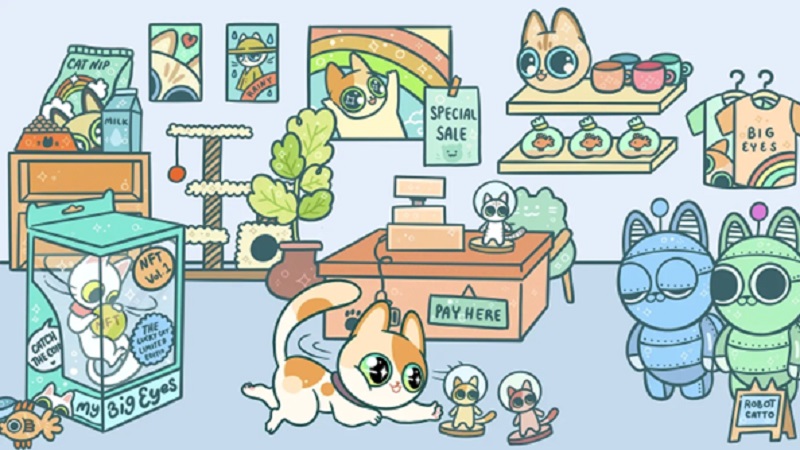
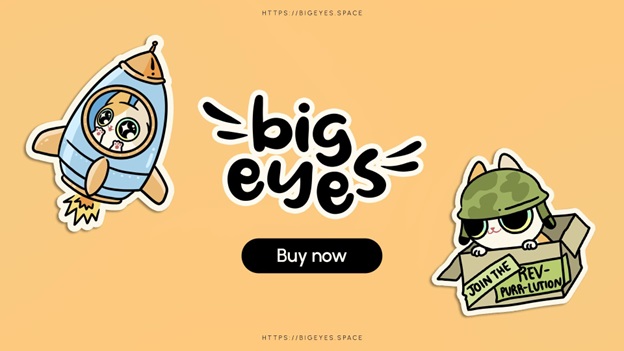
The cryptocurrency market is vast, and the possibilities continue to expand. NFTs are an intriguing way of trading digital assets and have been quite the goldmine for artists and users who understand how to trade the market. The NFT market is valued at several billions of dollars, and even though NFTs are illiquid assets, it’s a high-volume market with several millions of dollars in daily turnover. Big Eyes(BIG) is a new DeFi memecoin launching on the ethereum blockchain and is looking to explore possibilities in the NFT market.

NFTs are more like memecoins in some regard because they do invest in community strength and can grow as big as the community is capable of pushing. Some NFT projects may not operate directly as DAOs, but they sample the community’s opinions in most of the developments they introduce. Big Eyes will be looking to create multiple utilities and areas where the community can derive value and create wealth. The memecoin is still on presale but is on track to being one of the biggest launches we have seen in the market for a while. And this will make early investors in the project a lot of money.

Big Eyes(BIG) is looking to be the best of both worlds, similar to ApeCoin’s trajectory.
ApeCoin (APE) Utility Made For You

Apecoin(APE) is a cryptocurrency created by Yuga Labs as a utility and governance token for the APE community. Apecoin was regarded as the best of both worlds because the cryptocurrency emerged from an NFT community. The APE community consists of NFT collections, including Bored Ape Yacht Club, Mutant Ape Yacht Club, and some other affiliated highly valued NFT collections. The token was specifically created to help holders in their own community stake in pivotal decisions carried out in the community.

The cryptocurrency however is classified as a gaming token because Yuga Labs has a game launch in view. The intention is for Apecoin(APE) to be an in-game asset powering most of the features available to players. The cryptocurrency was created on the ethereum blockchain and has faired very well since its launch.

Most crypto enthusiasts expect a price pump on the cryptocurrency as soon as the game launches, and as such, this may be the best time to accumulate some APE tokens. Apecoin launched as an airdrop to major NFT holders in the community, rewarding them with thousands of dollars at the time of launch. 

Big Eyes(BIG) Continues Its Expansion With A Growing Presale

Big Eyes Coin (BIG) is a new memecoin project launching on the Ethereum blockchain and aims to recreate the memecoin landscape. The project will be looking to maximize the potential of the ethereum blockchain to grow its DeFi product and NFT utility. The ethereum network is the largest network for NFT trading, with over $30 billion in all-time sales. This is about nine times that amount traded on the second largest network, Ronin, which is also an Ethereum-side chain that powers the play-to-earn, Axie Infinity.

Big Eyes is looking to push the frontiers of memecoin influence and build a community with the prowess and bravado to rival big names like Dogecoin(DOGE) and Shiba Inu(SHIB). Big Eyes uses cat memes to create a unique narrative counter to the canine centric focus for its project, creating some sort of rivalry for the token. This is smart marketing, and given how far the Big Eyes community has so far grown, it looks entirely plausible it will rise to the level of current crypto captains. The current presale is over $24million and counting. Get in now!

The market is oversaturated with dog memes, and Big Eyes presents a different approach to crypto jokes. Do not miss out on the last opportunity to claim a 200% bonus on your purchase on presale. Join the Big Eyes presale now!


Presale: https://buy.bigeyes.space/

Website: https://bigeyes.space/

Telegram: https://t.me/BIGEYESOFFICIAL

Based on the Data we generate, who are we?

0

Since the advent of the Internet boom era, our lives have become more data-driven and controlled by a group of people we don’t normally know other than having their employees interact with us. Everyone now lives in small, medium, and large societies that are supported by a variety of apps. Apps have been major drivers of what we do at each of these stages, from completing social tasks to engaging in economic activities and back to expressing our feelings on issues or needs that affect us politically.

But do we really care about who we are based on the data we generate through social and professional applications? We post, share, reply and comment on various current issues on social networking sites without paying close attention to the kinds of identities we are constructing through our own data. We also interact with people from various communities on professional platforms such as LinkedIn. We talk about business concepts. We discuss a variety of professional issues. We occasionally discuss politics on this platform and others because we are political creatures.

Our thoughts on both platforms (social and professional) sometimes lead to the silencing of others while contributing to global and national issues. And we felt better than the people we used our words to silence. On the platforms, we occasionally meet people who will go to any length to oppose our dominance. In this regard, they also silenced us so that they could keep up with the issues we were discussing.

As the number of digital platforms grows, so does the number of ostracised individuals or groups of individuals. We now live in a world where people are constructing multiple identities. A world in which we have separate online and offline identities. When we are online, what we do and who we say are very different from what people see when we are offline.

Our online self-presentation both helps and hinders others. People are driving long-term benefits when we produce data that improves their socioeconomic and political activities. On the other hand, our use of words, images, illustrations, and other elements created with the intent of constructing an identity or social standing that we do not have in real life has led some people astray because they want to be like us, pursuing goals and aspirations that align with the data we produced.

Overall, we should always consider the types of benefits we want our members of the communities to derive from the data we generate. Do we want to help them or hinder their progress? Should they be included or excluded? When we meet in person, how do we want them to perceive and interact with us?

Flutterwave Welcomes Kenya’s Decision to Lift Ban on Its Operation

0
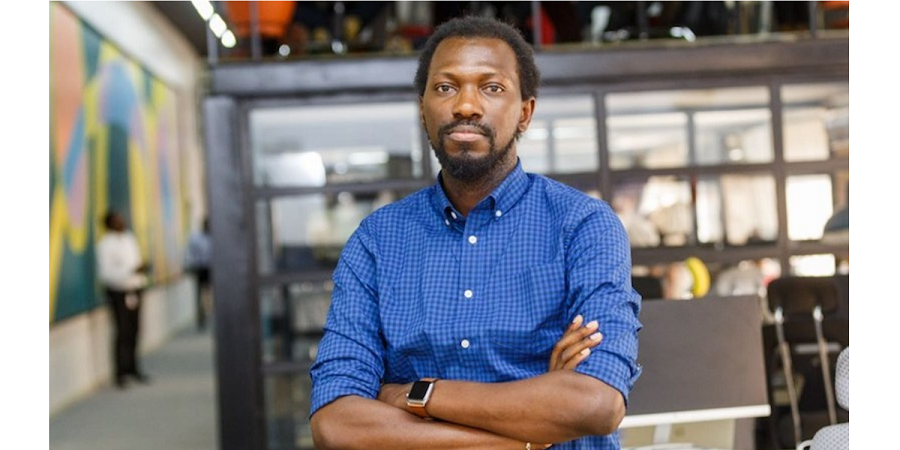
CEO of Flutterwave

In July 2022, Kenya’s Asset Recovery Agency (ARA) got a court order to freeze 56 bank accounts belonging to Flutterwave, Africa’s largest fintech, and others, on allegations that the company was running a fraudulent operation.

According to the ARA, the accounts, which held Sh7 billion, were used as conduits for money laundering in the guise of providing merchant services. The agency said it began investigations after activities and transactions in the seven companies involved were flagged on suspicion that they were proceeds of crime. It also said that the fintech was illegally operating in Kenya, because it has no valid license from the Central Bank of Kenya (CBK).

Days later, Flutterwave was banned in Kenya alongside other companies from running fintech operation.

“Flutterwave is not licensed to operate as a remittance provider or, for that matter, as a PSB service provider in Kenya.

“They are not licensed to operate, so they shouldn’t be operating. We can also say the same for Chipper Cash,” Patrick Njoroge, Kenya’s central bank governor said.

However, the ARA rescinded the ban in February 2023 after its investigations cleared Flutterwave of wrongdoings. The Africa’s most valuable fintech said in a statement on Thursday, that it welcomes the Agency’s decision and looks forward to expanding its operation in the East African country.

Read the fintech’s statement below:

Flutterwave welcomes the withdrawal of claims against the company by the Asset Recovery Agency (ARA) in July 2022 and looks forward to market expansion in Kenya. As a result, Flutterwave has been cleared of any wrongdoing. Flutterwave has fully cooperated with all stages of this review.

This update resolves an ongoing challenge which began when the Asset Recovery Agency (ARA) obtained an ex parte court order to review the bank accounts of several foreign owned technology firms, including Flutterwave Payments Technology Limited Kenya (Flutterwave Kenya).

“We are pleased to have this matter resolved so we can resume our work with our strategic partners in Kenya, providing innovative payment solutions to companies and individuals in one of Africa’s largest and most dynamic economies,” said Flutterwave Founder and CEO, Olugbenga Agboola. “The fintech sector in Africa, with its new entrants and accelerated pace of growth attracts a considerable amount of scrutiny and at times, suspicion. Given our own rapid growth and status as a first mover, we anticipate and welcome the opportunity to be transparent about our operations and cooperate with regulators.”

Flutterwave is a payments technology company founded in 2016 with the mission to simplify transactions to accelerate international commerce and economic growth in Africa. Flutterwave has its headquarters in San Francisco and its main operating base in, with operations in over 30 African countries. In a short period, Flutterwave has become a major driver of commerce and economic growth in Africa, serving more than one million businesses and processing more than 400 million transactions worth over $25 billion since inception.

Flutterwave supports thousands of jobs in Kenya, including Uber drivers, food vendors, and others that rely on the payment platform for their daily income.

“We are looking forward to continuing with our mission to simplify payments for endless possibilities in Kenya. We will continue to be the payment partner of choice for any Kenyan business looking to start locally and grow globally and any foreign firm looking to expand their business in Kenya,” CEO Agboola said.

Flutterwave has instituted a number of changes over the past year to ensure all internal governance structures are best-in-class. It has continued to take steps to strengthen its risk and governance and recently hired Emmanuel Efenure from Mastercard, as VP and Head of Risk for Africa. These steps are in addition to existing arrangements with Big four companies who support independent internal audit programs in support of the efforts done internally by the Flutterwave team. All company policies are subject to annual reviews conducted by third-party audit firms in the areas of AML/CFT, data privacy, information security, and finance.

“We take corporate governance and transparency very seriously at Flutterwave,” said Cathy Kinyua, Flutterwave’s Regional Expansions and Partnerships Manager, East Africa. “This update should reassure our partners and stakeholders across the continent that we have complied with all regulations and laws in Kenya, as well as all other markets where we operate.”

Flutterwave’s recent highlights include obtaining a Payment Services Provider and Facilitator Licenses in Egypt, a Switching and Processing License by the Central Bank of Nigeria (CBN) – widely regarded as CBN’s most valuable payments processing license – and announcing a collaboration with Google Pay. Flutterwave also renewed its operational license in Tanzania and South Africa, as well as its IMTO license in Nigeria. In June 2022, the company announced the appointments of OnealBhambani(Ex-Amex) to CFO and Gurbhej Dillon (Ex-GoldmanSachs) as CTO, adding to Flutterwave’s world-class talent.

Invest in only things you understand

0

“First, I only enter a business that I can fully understand. I never enter a business that is not clear to me” – Aliko Dangote

And I asked Richard Dean Parsons, former chairman Citigroup and former chairman and CEO of Time Warner (parent of CNN) and he responded: “Nd,  when I asked Warren Buffett to invest in Time Warner. he said NO, because according to him,  he did not understand the business…”

I have bought into these business constructs even as we grow Tekedia Capital: we do not write cheques to businesses we do not understand. That is why we do not touch some domains.

I speak with the richest among us and I can conclude one thing: the best among them do not put money in what they do not understand. Indeed, for them, realism, over hope and blind optimism, drives investments.

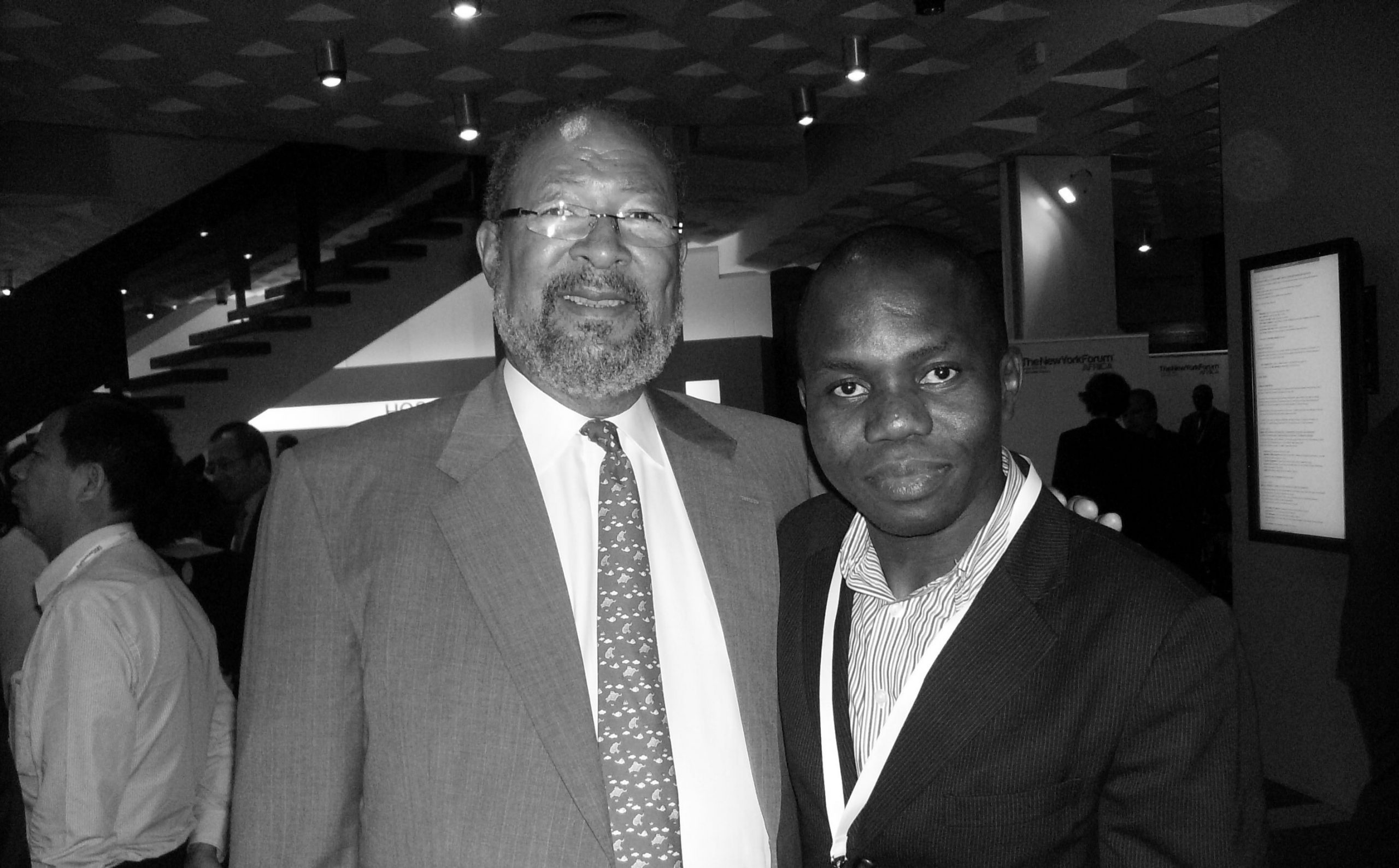
Photo: Ndubuisi with Richard “Dick” Parsons, one of America’s most powerful businessmen of his generation.

Comment on Feed

Comment 1: It means that we may need to open a school where we teach moneymen how to understand more businesses, so that the money can go round. If we leave them to continue investing in only the businesses they currently understand, some other critical businesses suffering from investors lack of knowledge will eternally suffer.

This thing is rigged, we need to do more, in the spirit of subsidiarity and solidarity…

Comment 1R: Investing in a business that is not well understood can be a risky venture, and it’s important for the founder to simplify their solutions and make them easily understandable to potential investors. This can help build trust and increase the likelihood of a successful investment.

It’s not enough to simply pitch a business well; the founder must also be able to clearly articulate their solutions in a way that is simple and easy to understand. Investors want to know exactly what they are investing in, and a founder who can effectively communicate the value and potential of their business is more likely to secure funding.

Investment is not just about giving away money; it’s about understanding the potential of a business and making informed decisions. So, it’s crucial for founders to simplify their solutions and communicate their vision in a way that potential investors can understand not the other way around. Ndubuisi Ekekwe

Comment 1F: not many founders can do what you are asking for, and that does not mean that their ideas have lesser value or impact, this is because being a founder does not make you excellent communicator or a great storyteller. That is why I suggested a ‘school’, many great ideas are lost, simply because the inventors lack excellent communication skills. When we bring people who know how to explain things and tell compelling stories, those who claim not to understand the business will begin to understand.

My Response:  “not many founders can do what you are asking for, and that does not mean that their ideas have lesser value or impact, this is because being a founder does not make you excellent communicator or a great storyteller. ” – they should hire someone that can communicate that vision. That the founders cannot help you understand and yet you’re investing means you’re gambling. Muhammed point is clear: you need to understand the business to evaluate the risk associated with it.

Google’s Senior Vice President Warns Against Hallucination in AI Chatbots

1

Senior Vice President at Google and head of Google search Prabhakar Raghavan has warned against the pitfalls of AI Chatbots facing some kind of hallucinations.

He disclosed that over-reliance on these chatbots is not ideal as they can sometimes be unreliable after it has entered a zoned-out state thereby giving an incorrect response.

In his words,

This kind of artificial intelligence we’re talking about right now can sometimes lead to something we call hallucination. This then expresses itself in such a way that a machine provides a convincing but completely made-up answer”.

Also, Apple’s co-founder Steve Wozniak warned that no matter how useful ChatGPT is, it can make horrible mistakes. He stated that he finds ChatGPT pretty impressive and useful to humans, despite his usual aversion to tech that claims to mimic real-life brains.

He however expressed skepticism about the functionality of the chatbot which he said, “The trouble is it does good things for us, but it can make horrible mistakes by not knowing what humanness is”.

Google has been firing on all cylinders to create its AI chatbot, ever since the emergence of OpenAI chatGPT which is currently the rave of the moment.

The pressure to act was heightened by the poor earnings posted last week by Google-parent Alphabet, which fell short of investor expectations.

This spurred the giant tech company to launch its AI chatbot called “Bard”. Alphabet, which is still conducting user testing on Bard, according to the CEO, disclosed that the AI Chatbot will be made widely available in the coming weeks.

However, earlier this week, the software shared inaccurate information in a promotional video that cost the company $100 billion in market value.

According to reports, Bard claimed that NASA’s James Webb space telescope took the first image of an exoplanet but was wildly wrong. The first image was reported to be taken in 2003, by the European Southern observer’s very large telescope.

The incorrect response given by Google’s chatbot Bard has stirred mixed reactions, which saw founder and market analyst at Triple D trading Dennis Dick say, “This is a hiccup there and they are severely punishing the stock for it, which is justified because everybody is pretty excited to see what Google’s going to counter with Microsoft coming out with a pretty decent product”.

Bard’s blunder highlights the challenge for Google as it races to integrate the same AI technology that underpins Microsoft-backed ChatGPT into its core search engine.

In trying to keep pace with what some think could be a radical change spurred by conversational AI in how people search online, Google now risks upending its search engine’s reputation for surfacing reliable information.

Google’s Bard is based on LaMDA, the firm’s Language Model for Dialogue Applications system, and has been in development for several years.

Bard seeks to combine the breadth of the world’s knowledge with the power, intelligence, and creativity of our large language models. It draws on information from the web to provide fresh, high-quality responses,” he added, hinting that the app would give up-to-the-date responses, something ChatGPT is unable to do.