DD
MM
YYYY

PAGES

DD
MM
YYYY

spot_img

PAGES

Home Blog Page 4577

Ministry of Interior Outlines Three Easy Steps Nigerians In Diaspora Can Fast-track Passport Renewal this December

0

The Ministry of Interior has outlined the process for swift passport renewal for Nigerians in Diaspora, amid the public outcry about difficulties encountered by applicants.

In a post titled: Nigerians in Diaspora; Three Easy Steps to Fast-track your Passport Renewal Process this December, the ministry said that the Nigerian Immigration Services (NIS) has made it easier for Nigerians living abroad to obtain a new passport in just two weeks through the newly-launched special Diaspora fast-track passport renewal programme.

The immigration office said the programme will run from 12 December 2022 to 31 January 2023, and “you can travel to Nigeria even if your passport is expired and renew it once you arrive.”

The ministry thus outlined the three steps that Nigerians in Diaspora could take to renew their passport during this Christmas season. They’re listed below as follows:

“Step 1 – Register online through the online registration portal.

Log in to the passport application portal at https://passport.immigration.gov.ng and apply online. The application process includes making payment for your preferred passport type via approved payment platforms.

Step 2- Visit the Diaspora Desk at any international airport in Nigeria.

On arrival into Nigeria via any of the international airports in Lagos, Abuja, Kano, Enugu and Port Harcourt, locate the Diaspora desk and provide your application details.

You will then be given a fast-track letter (this letter overrides the date on your online application, so no panicking) to any passport office of your choice.

Step 3 – Capture Your biometric information.

Visit your preferred passport office between Monday and Wednesday. Once you get there, your biometrics, including your photo and fingerprints, will be captured, and your passport will be produced and ready in two weeks.

Also, note that you will need your National Identification Number (NIN) for your passport application. You are also to ensure that your personal information in the passport application matches the information on the NIN and vice versa; otherwise, the process cannot be completed.”

The Ministry of Interior said that Passport Offices will be open on Saturdays to support the operations.

In April last year, the Minister of Interior, Ogbeni Rauf Aregbesola, outlined a new line of action aimed at putting a permanent end to the general challenge facing the issuance of passports. The move became necessary as Nigerians; both at home and abroad, face severe difficulty getting passports.

As part of efforts to remove the bottlenecks in passport issuance, Aregbesola announced in May 2021, the launch of Temporary Passport (TP), as a replacement of the former Emergency Travel Certificate. The Ministry also approved front offices at the airports, where Nigerians who arrive in the country with expired passports can have their passports renewed immediately.

The three easy steps are expected to put an end to the dependence of Nigerians in Diaspora on embassies for passport issuance.

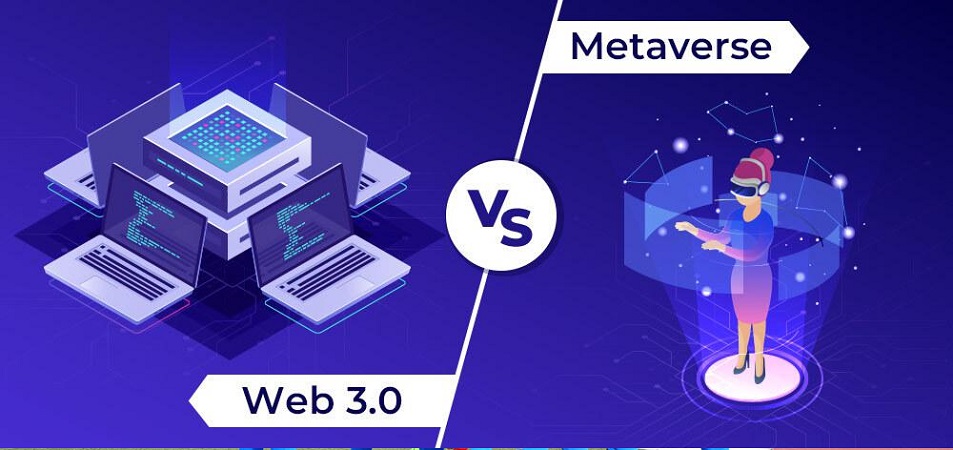
Web3 Vs Metaverse

0

Web3 and Metaverse were born out of the problems of a centralized internet. Though similar in some ways, they solve different problems. Through the hype of blockchain technology and Facebook’s creation of their Metaverse, more people have been curious about these two concepts and that’s why you’re here today. In this article, I’ll highlight why metaverse and web3 are interrelated, also different in many ways, and why you should choose Poly186 as it is the metaverse that will change the world.

What are Web2 and Metaverse

Web 3.0 is the upcoming third generation of the internet where websites and apps will be able to process information in a smart human-like way through technologies like machine learning (ML), Big Data, decentralized ledger technology (DLT), etc.

The Metaverse is an embodied internet that enables people around the world to meet by creating an avatar that can be personalized and make them feel more non-fictional than a normal video call.

Similarities of Web3 and Metaverse

They are built on similar technology; they both use AI(Artificial Intelligence) for advanced user interface and also semantic web

They are both in the early stages

They both evolve with changes in blockchain technology

Difference Between Web3 and Metaverse

Objective: web3 objective is to create a decentralized and democratic internet while metaverse wants to establish an interactive 3D reality for users’ effortless and realistic interactions.

Application: Web 3.0 is the process engine that uses the blockchain’s advances while metaverse uses web3 advances to function properly and grant access to users.

Ownership Battle: the goal of web3 is to make the internet a public-controlled property, an example is BTC, while the goal of a metaverse is to facilitate full ownership of one’s intellectual property.

Perception of Reality: Web 3.0 is primarily concerned with who will rule and govern the internet in the future(this is because they want the people to rule), and the Metaverse is concerned with how users will interact with it.

Application; web3 has applications like Bitcoin (the first and largest cryptocurrency), Apple Siri, and Opensea, while metaverse has features like online shopping, NFT, and video games.

Closing Thought

Web3 and Metaverse is truly an innovation that will change the world, though interrelated, their purpose, use cases, and type of ownership differentiate them from each other.Poly186 is a metaverse that stands out among all as it is created with the world’s needs at heart.

Editor’s Note: More Thoughts on this from any expert, John Payne, the CEO of Croquet.

What if the web were multiuser and 3D? Hint: It would be the Metaverse. The Metaverse will happen much faster than everyone thinks as it gains traction via 3D worlds in traditional web sites. Millions of virtual 3D spaces and worlds embedded in the web interoperably with existing sites will collectively form a significant portion of the larger interoperable Metaverse . No one is going to throw away their current web site and build a new one that is multiuser and immersive, but the parts of the site that benefit most will evolve in those directions very rapidly. The Metaverse is an evolution… the next generation of the Web… not a Revolution.

Metaverse Grows Fast Without Virtual Reality

One of the most limiting factors (beyond bad graphics) for Meta and its efforts with Virtual Reality in the Metaverse is what used to be called the “one walkie talkie problem.” When only 10% (generously) of the population have VR headsets and only half of those know where they are, the vast majority of people can’t join in and you have a massive problem with participation and engagement. By allowing any user to participate using so-called Metaverse Browsers that are entirely cross platform to any device with a browser and are frictionless (no downloads or native apps), the growth of the Metaverse will accelerate massively, along with growth in participation and engagement. While it is true that VR can deliver a more immersive experience, it is not a binary experience and has high cost. Very good immersive 3D experiences are available today in cross platform environments that can be offered across any device, ranging from desktops to phones and head mount XR devices. Another case where perfect is the enemy of very good and useful today.

Big Companies Stop Experimenting And Start Building A “Real” Metaverse

Large companies will always do marketing, advertising, customer acquisition and promotions in centralized environments like Roblox, Meta and Decentraland but they will never send their customers, data or transactions there, often because laws or compliance policies prevent them from doing so. The “Real” Metaverse will emerge as an extension of the Web and the Internet, where these large companies already have major traffic and presence on their existing web properties today. The Open Metaverse is decentralized and interoperable and will form the basis for how large companies interact with existing customers for transactions, support, upselling and logistics on the websites they already manage and control today.

Artificial Intelligence will make content creation significantly faster.

Tools like GitHub Copilot, DALL-E, and ChatGPT will continue to evolve, become more accessible to a wider audience, and become more ethically acceptable to use. Metaverse technologies rely heavily on high-quality content, which has historically been expensive and time-consuming to produce. That content will become inexpensive to make, and those content creators will not need to invest as much time in learning the tools.

Metaverse platforms will embrace asynchronous content.

Real-time communication platforms are and will continue to be important, but not all users can be online at the same time. Ghost avatars, rich notes between friends, and other time-independent interactive content will continue to evolve.

Metaverse technologies will be built by and used by a more diverse group of people.

Given the potential reach of metaverse technologies, it’s imperative that these technologies be built for people with a wide range of backgrounds and abilities. As solutions for identity in the metaverse become more varied, people will be able to express themselves safely in the way that feels most comfortable for them. Safety and anti-harassment tools will be built into platforms as they become more decentralized.

America’s Most Important Weekly Sports Night Goes to YouTube – Lesson for Nigerian Innovators

1

The future is digital, they say. In America, the most important weekly sports night is going to YouTube. Yes, Sunday Night Football is now going to be streamed by YouTube. What that means is this: the stable state of entertainment is digital and Nigerian innovators must elevate their games therein. YouTube will pay $2 billion yearly and the agreement will run out in seven years. That game used to be on TV!

 Who can stream Enyimba games – just Enyimba games to keep it simple? How much would that cost? While we think that the Nigerian football league is boring, the fact is this: what is boring is access to these games.

Enyimba stadium has a capacity of 25,000 seats; ticket price is about $1 to $4 per game. Using $2 as an average (many will go for the $1 and $4 seats are limited), a home match brings about $50k. You may be surprised that with $20k per game, they can allow you to stream that.

Nigeria has many latent opportunities to be unlocked. But those will only work when people begin to look inward.

  • The National Football League said its “Sunday Ticket” package of out-of-market games would land on Google’s YouTube.

  • The deal is valued at roughly $2 billion annually over the course of seven years. DirecTV had been paying $1.5 billion a year for the rights, losing about $500 million annually.

  • It isn’t clear yet what “Sunday Ticket” will cost consumers, who will be able to subscribe without having a YouTube TV subscription.

The National Football League announced Thursday its “Sunday Ticket” subscription package would go to Google’s YouTube TV starting next season, marking the league’s second media rights deal with a streaming service.

YouTube will pay roughly $2 billion a year for the residential rights of the “Sunday Ticket” package, according to people familiar with the matter. The deal runs for seven years, one of the people said.

CEO of Alameda Research And FTX Co-Founder Plead Guilty to Fraud

0

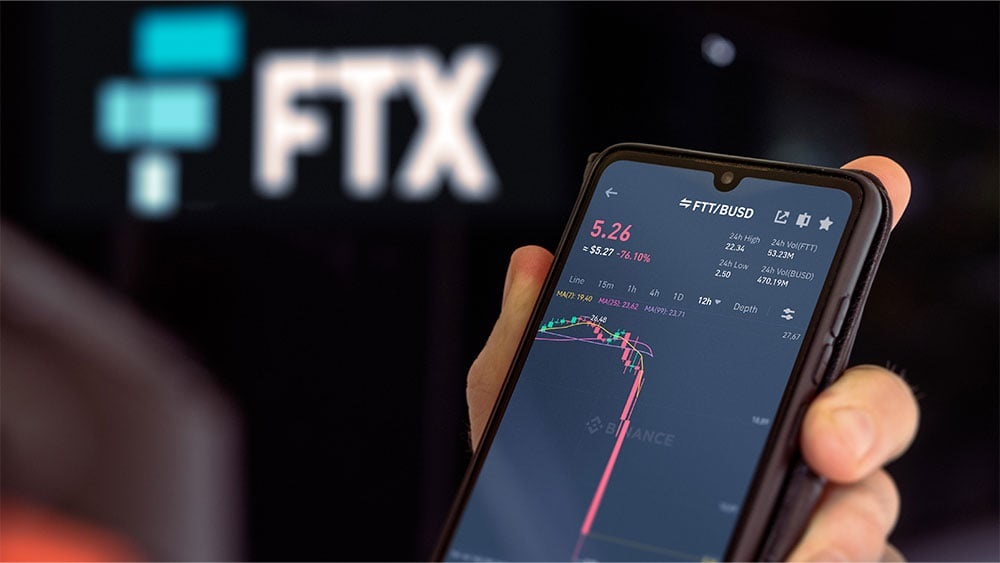
Following the recent FTX upheaval, the CEO of Alameda Research, a sister firm to FTX, Caroline Ellison, and FTX Co-founder Gary Wang have both pleaded guilty to fraud.

Caroline Ellison and Gary Wang who are colleagues of former FTX CEO Sam Bankman-fried who is currently in custody, have both pleaded guilty to their roles in the fraudulent activities that contributed to the collapse of FTX.

Caroline has reportedly pleaded guilty to seven counts of conspiracy to commit wire fraud on customers of FTX, conspiracy to commit wire fraud on lenders of Alameda Research, as well as wire fraud on lenders of Alameda.

Alongside, she also pleaded guilty to conspiracy to commit commodities fraud, conspiracy to commit securities fraud, and conspiracy to commit money laundering.

On the other hand, FTX co-founder Gary Wang pleaded guilty to just four counts, which included conspiracy to commit wire fraud on customers of FTX, wire fraud on customers of FTX, conspiracy to commit commodities fraud, and conspiracy to commit securities fraud.

A U.S attorney in a Southern New York court disclosed that both parties are cooperating with prosecutors as they continue to divulge vital information that has been helpful in the investigation process.

On Wednesday, the Securities and Exchange Commission (SEC) announced civil fraud charges against Ellison and Wang for their roles in a multiyear scheme to defraud equity investors in FTX.

In a complaint filed by SEC, it alleged that FTX Co-Founder Wang created FTX’s software code that allowed Alameda to divert FTX customer funds, while Ellison used those funds for Alameda’s trading.

SEC also alleged that Ellison and Wang worked with Sam Bankman-Fried to move hundreds of millions of dollars of FTX customer funds to Alameda after they realized the companies didn’t have enough assets to pay back customers.

The Commission in its complaint further stated that in May 2019 around when FTX was founded, some customer funds went immediately into Alameda Research accounts, noting that fraudulent activity began earlier on.

Recall that in August 2022, an account on Twitter @tier10k had alleged that Sam Bankman-fried FTX and Alameda research merged their VC operations which he however debunked.

In a response to the Tweet, he wrote,

This seems like a big misrepresentation to me! FTX has been doing more ventures recently, and I guess maybe Alameda has been doing less.  That’s a really different thing than what the headline implies!

“I think maybe a line was misinterpreted.  IDK — FTX‘s venture investing is concentrated under FTX Ventures; that’s different from Alameda’s ventures, which aren’t…

Also, following the collapse of FTX, one key accusation leveled against SBF is that he used customer funds from his crypto exchange to fund risky bets at his trading firm Alameda Research.”

In an interview held last month, Bankman-fried admitted that he made a lot of mistakes as CEO, but denied that he used FTX’s funds at Alameda.

“I didn’t knowingly commingle funds,” he said, arguing that it was a “failure of oversight” rather than anything malicious.

He went on to distance himself from Alameda altogether in the interview.

“I wasn’t running Alameda, I was nervous because of the conflict of interest of being too involved”, he said.

SBF went on to claim that he was not aware of the depth of the relationship between FTX and Alameda Research, nor the sizable amount of funds transferred between the exchange and trading house.

When asked about the blurred lines between his FTX and Alameda research, Bankman-Fried denied any conflict of interest, stating that FTX was a neutral piece of market infrastructure.

Meanwhile, FTX’s crash from a $32 billion cryptocurrency powerhouse into bankruptcy, has led to a massive liquidity crisis for Alameda research despite his claims of no connection.

Crypto Industry Upheaval – Nasdaq-Listed Bitcoin Mining Company Core Scientific is Filing For Bankruptcy

0

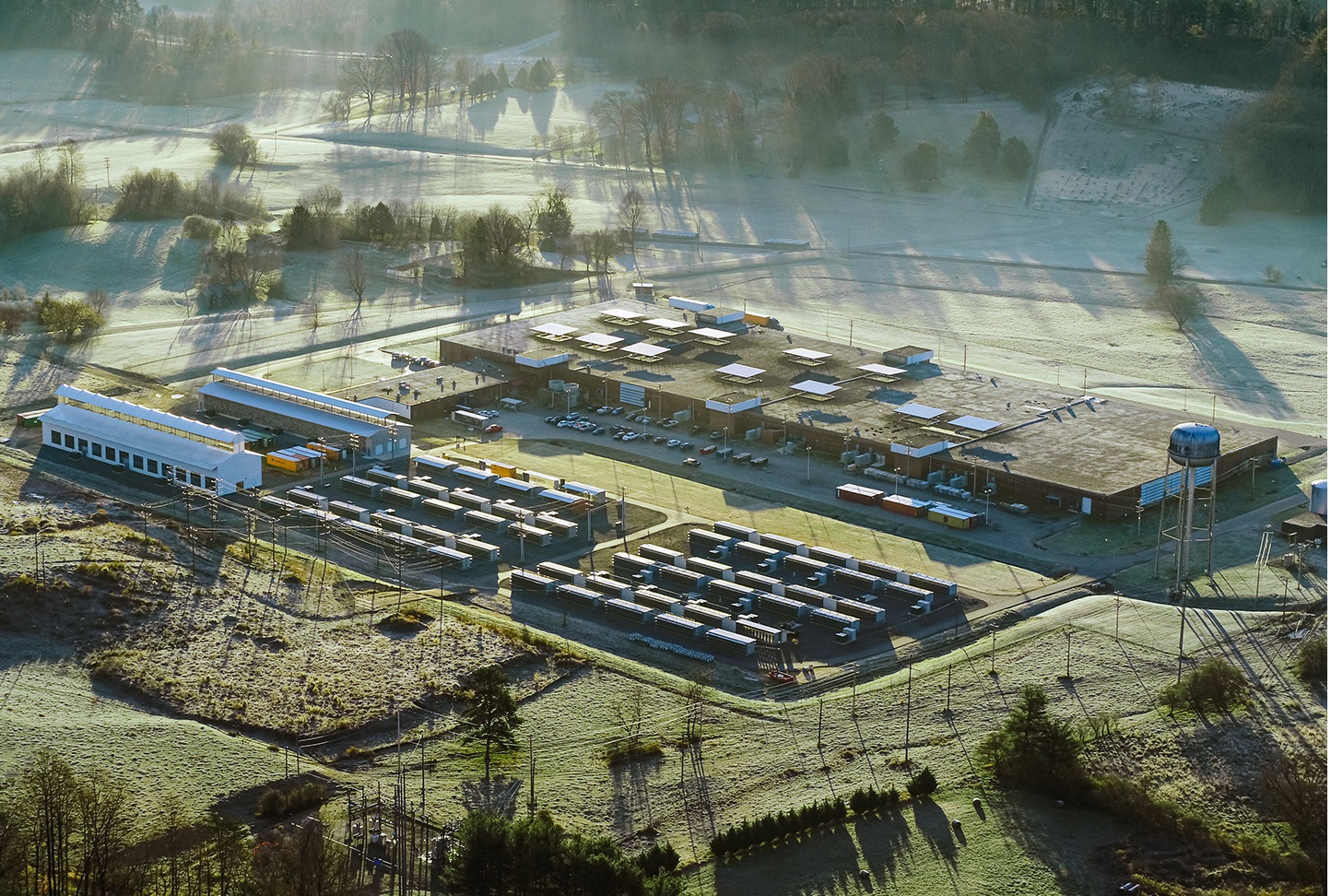
As the crypto industry continues to face an unfriendly period, one of the industry’s largest Bitcoin miners Core Scientific is filing for chapter 11 bankruptcy.

The company is currently faced with an unfriendly economic crisis as its stock continues to plummet, which saw it down to 98% this year, due to the fall in crypto prices as well as the rising energy bills that have made mining a much harder business.

Although the company is still generating positive cash flow, the cash is not sufficient to repay the financing debt owed on equipment it was leasing.

Its latest move to file for bankruptcy will see the crypto-mining platform as the first publicly listed company to file for bankruptcy, although it revealed plans to continue to mine bitcoin.

Last week, before it filed for bankruptcy, investment bank B Riley, a top lender to the firm, proposed a $72 million financing plan to enable the company to avoid bankruptcy.

The investment bank, which has an outstanding loan of $42 million with Core, said that its proposed new financing will be on favorable terms, providing more than two years of runway for the company to achieve profitability.

The bank further disclosed via a statement that the vast majority of Core Scientific’s issues are self-imposed which can only be corrected in conjunction with an open, transparent discussion and ongoing participation with its creditors and equity holders.

In October 2022 after its shares plummeted, Core scientific (CORZ) signaled that it may have to file for bankruptcy if its financial conditions continue to worsen.

Reports disclose that after this warning, its shares plunged to 77%. Core Scientific’s recent woes are attributed to the unfriendly state of the Bitcoin mining industry, as well as the high electricity bills.

Bitcoin, which touched an all-time high of almost $70,000 in November last year, making it the world’s largest cryptocurrency by market value has drastically slumped, which saw it drop to below $20,000 in June.

Since then, it has continued to stay below the $20,000 level, with Bitcoin currently trading at $16,860 which has seen miners struggle to break even.

Meanwhile, Core Scientific isn’t the only crypto firm negatively impacted by this upheaval, as several other crypto-mining companies have filed for bankruptcy.

Greenidge Generation, a vertically integrated crypto miner, reported second-quarter net losses of more than $100 million in August 2022 which forced it to “pause” its plans to expand into Texas, while, Compute North, which provides hosting services and infrastructure for crypto mining, filed for Chapter 11 bankruptcy in Sept.

Also, the recent FTX saga has further worsened the already troubled crypto industry as its collapse has heightened the volatility in crypto assets.

Analysts have predicted that it will take quite some time before the crypto market touches Nov 2021 levels which saw Bitcoin rise to $64,950, while noting that as long as uncertainty persists, the market will remain range-bound and bearish.