DD
MM
YYYY

PAGES

DD
MM
YYYY

spot_img

PAGES

Home Blog Page 463

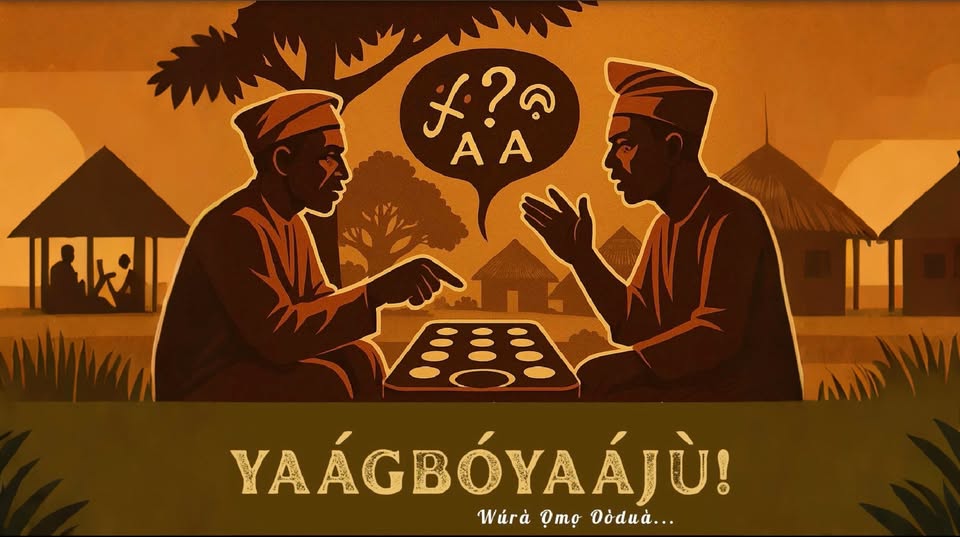
YAÁGBÓYAÁJÙ Sets to Redefine Game Shows in Africa

4

In two days, broadcast audiences will encounter a new wave of cultural entertainment as YAÁGBÓYAÁJÙ takes the stage. The Yorùbá game show, conceived by Olanrewaju Adewusi, promises to reshape how language, heritage, and competition are experienced on screen. At a time when African entertainment is rapidly evolving, the arrival of a show that celebrates identity while offering suspense and humor feels both refreshing and timely.

YAÁGBÓYAÁJÙ is designed as a space where entertainment meets education, and culture meets competition. Adewusi describes the project as a celebration of the “beauty, depth, and dynamism of the Yorùbá language and heritage” while also giving contestants a platform to showcase their “knowledge, sharpness, and creativity.” This dual vision is what separates it from other formats. While many game shows are simply contests, YAÁGBÓYAÁJÙ positions itself as a movement that blends fun with legacy.
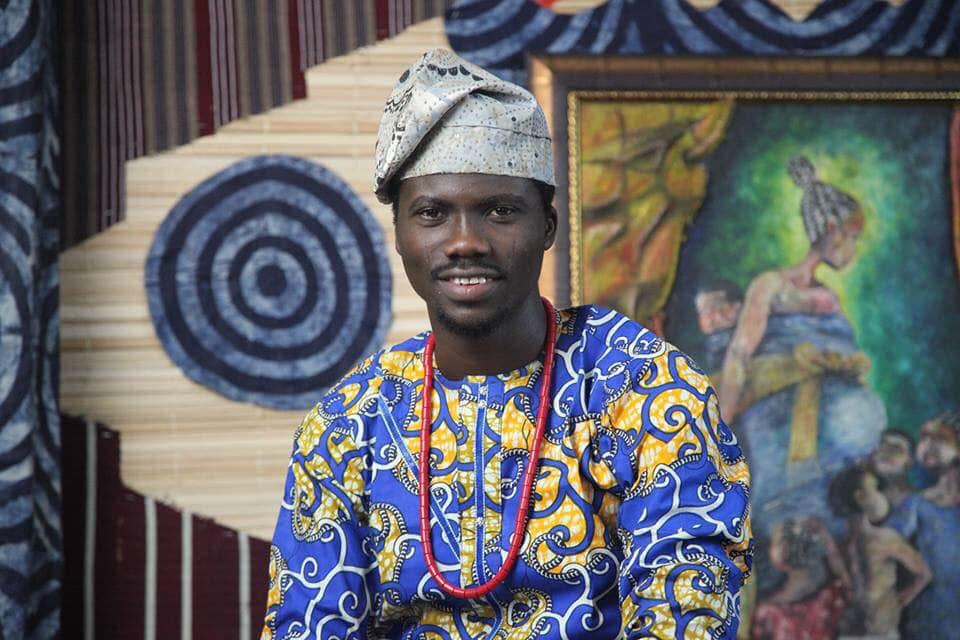
Olanrewaju Adewusi, the creator.

One of the most interesting features of the show is its multi-segment structure. Rather than focusing narrowly on a single format, the programme unfolds in different layers, each with its own rhythm and test. In the Semantics round, contestants are pushed to grapple with meanings and word usage, a reminder of how rich the Yorùbá language is. The Spelling Bee challenges their mastery of precision and structure, ensuring that contestants cannot rely solely on colloquial fluency. So Já? takes a different approach, drawing from everyday slang to capture the wit and humor that flows in Yorùbá street culture. Calculations brings mathematics into the mix, sharpening contestants’ quick reasoning, while Wits tests their strategy, cleverness, and mental agility. According to Adewusi, this structure ensures that the show is “not just about winning” but about celebrating multiple dimensions of intelligence and cultural awareness.

The diversity of segments is not only about keeping the show exciting. It also reflects a deliberate effort to engage audiences across generations. Many quiz programs attract only young people or lean too heavily into academic tests, which can alienate casual viewers. YAÁGBÓYAÁJÙ finds a middle ground. The inclusion of street slang appeals to the youth, while the rigor of semantics and spelling invites participation from elders and intellectuals. By balancing these tones, the show becomes a shared experience for families and communities.

For Adewusi, the vision goes far beyond trophies or prize money. While speaking with our analyst, Adewusi emphasised that YAÁGBÓYAÁJÙ is about “celebrating identity, preserving language, and passing cultural knowledge across generations in a fun and engaging way.” That philosophy shapes not just the design of the games but also the way the show relates to its viewers. Audience members are invited into the experience through interactive features like the YÀJÓYÀJÓ 2K prize, which allows those watching from home to become active participants. Instead of keeping the energy locked inside a studio, the show extends it outward, creating a sense of community engagement.

The launch of YAÁGBÓYAÁJÙ comes at an important cultural moment. African languages face constant pressure from globalization and the dominance of foreign media. Too often, indigenous languages are treated as relics of the past rather than vibrant, modern tools for creativity and knowledge. By giving Yorùbá the glamour of a polished game show, Adewusi is sending a strong signal that heritage is not a burden but a treasure. He frames the program as a way to “reawaken pride in indigenous knowledge, inspire learning, and unite people through entertainment.”

What makes this initiative significant is not only its focus on Yorùbá but also the model it sets for other African languages. If Yorùbá can carry a show that blends humour, suspense, and education, then so can Swahili in East Africa, Twi in Ghana, or Zulu in South Africa. YAÁGBÓYAÁJÙ proves that culture can be the centerpiece of popular entertainment rather than a side note. It stresses that African languages have the capacity to command global attention when presented with creativity and confidence.

As the countdown to its premiere continues, excitement is building. Viewers can expect an experience that is lively, thought-provoking, and deeply rooted in the everyday realities of Yorùbá life. Contestants will laugh, struggle, and triumph in ways that mirror the complexity of the culture itself, while audiences will find both amusement and pride in what they see. For  Adewusi, the show is not only the launch of a program but the beginning of a legacy. For the audience, it is an invitation to celebrate, to learn, and to take part in a journey where language, arts, and culture meet competition, fun, and identity.

Understand Design Thinking and Innovation at Tekedia Mini-MBA

0

Design Thinking is not just a methodology; it is a mindset that puts human needs at the center of innovation. In business and society, products and services fail when they are built for numbers instead of people. But when empathy becomes the anchor, possibilities expand. A farmer struggling to access markets or a student seeking affordable learning becomes the focal point of ideation, prototyping, and testing.

Through this lens, innovation ceases to be about abstract technology but about solving real frictions with practical elegance. That is the power of design thinking—humanity first, solution second.

Innovation thrives when design thinking is infused into the DNA of organizations. Companies that endure are those that constantly reimagine themselves, not because the market asked, but because they anticipated unmet needs. Apple designed the iPhone not as a phone but as a lifestyle device. Tesla built a car, but more critically, it redesigned the idea of mobility. These breakthroughs came because leaders refused to treat innovation as a department; they made it a culture. When design thinking converges with bold leadership, the results become market-shaping and industry-defining.

In Africa, design thinking holds even more promise. Our challenges—energy access, financial inclusion, healthcare, education—require fresh models anchored in context. A solar company designing pay-as-you-go systems or a fintech simplifying savings for market women are clear examples.

By observing, prototyping, and iterating within the peculiarities of our markets, we can create innovations that are not copies but authentic solutions for our people. As an African proverb says, a child is nurtured according to the environment of birth. So must our innovation be nurtured with empathy, design, and context. That is how great firms emerge.

Join us today at Tekedia Mini-MBA as Aderinola Oloruntoye educates on design thinking and innovation:

Tue, Sept 23| 7pm-8pm WAT | Design Thinking and Innovation – Aderinola Oloruntoye – SAP | Zoom link in classboard.

Nvidia to Pour $100 Billion Into OpenAI as AI Infrastructure Race Escalates

0

Nvidia said on Monday it will invest up to $100 billion in OpenAI, underscoring the scale of resources now being committed to artificial intelligence infrastructure as the industry braces for an unprecedented buildout of data centers.

The investment, which will be deployed in phases, is tied to OpenAI’s plans to construct facilities requiring 10 gigawatts of power—equivalent to between 4 million and 5 million GPUs, according to Nvidia Chief Executive Jensen Huang.

“This is a giant project,” Huang said in an interview with CNBC alongside OpenAI CEO Sam Altman and company president Greg Brockman. He added that the capacity represents twice the number of GPUs shipped last year and roughly equal to what Nvidia expects to deliver globally in 2025.

The chipmaker’s first tranche of $10 billion will be unlocked when the first gigawatt of capacity is completed, according to a person familiar with the matter who spoke to CNBC. The investments will be made at then-current valuations, the person said. Nvidia shares rose nearly 4% on Monday following the announcement, adding about $170 billion in market value and bringing its capitalization to roughly $4.5 trillion.

The move deepens Nvidia’s already symbiotic relationship with OpenAI, whose 2022 launch of ChatGPT set off the latest AI boom and ignited surging demand for the company’s GPUs. Altman, who said OpenAI now has 700 million weekly active users, called the undertaking an “unprecedented infrastructure challenge” but insisted the company’s focus remains on “great AI research, making products people want, and building this infrastructure at scale.”

The deal cements Nvidia as OpenAI’s “preferred” supplier of chips and networking gear, further consolidating the company’s grip on the AI accelerator market, even as rivals like Advanced Micro Devices and hyperscale cloud providers develop alternatives. In August, Huang told investors that a single gigawatt of AI data center capacity can cost between $50 billion and $60 billion, with Nvidia chips and systems accounting for around $35 billion of that figure.

The first phase of the new OpenAI infrastructure, using Nvidia’s forthcoming Vera Rubin systems, is expected to come online in the second half of 2026. The partnership also builds on OpenAI’s existing relationships with Microsoft, Oracle, SoftBank, and the Stargate project, while complementing Microsoft’s Azure-based integration of OpenAI models into cloud services and Office applications.

The investment follows OpenAI’s $500 billion valuation in a recent secondary round, which included backing from Microsoft, Thrive Capital, and SoftBank. Altman referred to both Microsoft and Nvidia as “passive” investors but also described them as two of the company’s “most critical partners.”

For Nvidia, the $100 billion commitment eclipses its recent spending spree in the AI ecosystem. Just last week, the company disclosed a $5 billion stake in Intel tied to a collaboration on AI processors, nearly $700 million invested in U.K. data center startup Nscale, and more than $900 million to hire Enfabrica CEO Rochan Sankar and license the company’s technology.

Analysts say the scale of the OpenAI project dwarfs other AI infrastructure efforts underway. While cloud providers like Amazon, Google, and Microsoft are pouring billions into their own GPU clusters, none have matched a single commitment of this magnitude.

“Nvidia invests $100 billion in OpenAI, which then OpenAI turns back and gives it back to Nvidia,” said Bryn Talkington, managing partner at Requisite Capital Management. “I feel like this is going to be very virtuous for Jensen.”

Comparatively, other AI ventures appear modest: Amazon Web Services announced $15 billion in data center expansion in 2023, while Google pledged roughly $30 billion over several years. By contrast, the Nvidia–OpenAI project, with its 10-gigawatt ambition, underlines a scale that analysts say could reshape energy demand and global computing supply chains.

“This investment is additive to everything that’s been announced and contracted,” Huang said, stressing that it goes beyond Nvidia’s prior financial disclosures.

The sheer size of the deal positions Nvidia and OpenAI at the center of the infrastructure race—one that may increasingly define the future of the AI industry.

African Tech Gaming Boom: Strategies for Emerging Markets

0

The African gaming industry is booming in 2025, driven by innovative technologies and strategic approaches that tap into the continent’s growing digital market. Platforms like InOut Games, featuring titles like Chicken Road, are leading this surge with accessible, engaging gameplay. This article explores strategies for succeeding in Africa’s gaming market, highlights key innovations, and examines the trends shaping its future, offering insights for players and developers.

The Rise of African Gaming Markets

Africa’s gaming sector is expanding rapidly with mobile penetration. Smartphones enable millions to access games, fueling growth. This trend creates vast opportunities for entertainment.

Affordable data plans boost gaming accessibility. 4G and emerging 5G networks support seamless play. This connectivity drives digital engagement across the continent.

Local developers are creating region-specific games. Titles reflect African aesthetics, resonating with players. This focus strengthens market appeal.

Esports tournaments are gaining traction in Africa. Events attract young players, offering prizes and recognition. This competitive scene energizes the industry.

Mobile payment systems simplify in-game purchases. Platforms like M-Pesa make transactions easy, boosting participation. This accessibility fuels gaming’s popularity.

Beginner Strategies for African Gaming

Start with free-to-play games to learn mechanics. Chicken Road offers demos for risk-free practice, building skills. This approach ensures a fun entry for newcomers.

Set a budget for in-app purchases. Begin with small investments, like $1, to explore games safely. This discipline keeps gaming enjoyable and affordable.

Explore platform tutorials for quick mastery. Guides explain navigation and rewards, simplifying learning. These resources make games accessible to all.

Join local gaming communities for tips. Forums share strategies tailored to African players. This engagement accelerates progress and fun.

Use low-data modes to save bandwidth. Many apps optimize for slower networks, ensuring smooth play. This tactic suits Africa’s connectivity landscape.

Advanced Tactics for Gaming Success

Target competitive modes for bigger rewards. Chicken Road’s high-stakes levels offer multipliers, requiring precision. This strategy maximizes payouts for skilled players.

Analyze game stats to optimize moves. Real-time data guides strategic decisions, improving odds. This approach provides a competitive edge in tournaments.

Participate in regional esports events for recognition. Competitions offer prizes and visibility, boosting skills. These events elevate gaming mastery.

Leverage social features for teamwork. In-app chats enable coordination with players, enhancing strategies. This collaboration drives success in multiplayer games.

Watch African streamers on Twitch for insights. Local pros share tips for mastering games. This learning keeps players ahead in the market.

Innovations Driving Africa’s Gaming Boom

Mobile-first games dominate Africa’s market. Titles like Chicken Road are optimized for low-end devices, ensuring accessibility. This innovation drives widespread adoption.

AI personalizes gaming experiences for African players. Algorithms suggest challenges based on local preferences, boosting engagement. This customization enhances gameplay.

Blockchain secures in-game transactions. Transparent reward systems build trust, encouraging participation. This technology supports Africa’s digital economy.

Platforms like inout games chicken road offer gamified challenges. Completing tasks unlocks bonuses, adding excitement. These features fuel player retention.

Cloud gaming reduces hardware barriers. Players access high-quality games on affordable phones. This innovation expands Africa’s gaming reach.

The Future of African Gaming

5G networks will transform gaming performance. Faster connections will support seamless multiplayer experiences. This progress will attract millions to gaming.

Local content will grow, reflecting African stories. Developers will create games with regional themes, boosting appeal. This trend strengthens market identity.

Esports will expand with bigger tournaments. Events will offer substantial prizes, drawing talent. This growth elevates Africa’s gaming status.

Sustainable practices, like eco-friendly servers, will gain traction. These efforts align with global trends, supporting growth. Africa’s gaming future is vibrant.

Community-driven platforms will foster engagement. Players will share content, building strong networks. This collaboration ensures a thriving gaming ecosystem.

African Gaming Sector Market Share (%) Examples of Innovation
Mobile Gameplay 40% Mobile-first games, cloud
Player Engagement 25% Esports, social features
Payment Systems 20% Mobile payments, blockchain
Future Innovations 15% 5G, AI, local content

Frequently Asked Questions (FAQ)

What drives Africa’s gaming boom?

Mobile penetration, affordable data, and local games fuel growth.

How can beginners succeed in African gaming?

Use demos, set budgets, and join local communities for tips.

What strategies help advanced players excel?

Target competitive modes, analyze stats, and join esports events.

What’s the future of African gaming?

5G, local content, and esports will create vibrant opportunities.


Who’s Liable in a Ride-Share Accident? What Drivers, Passengers, and Victims Need to Know

0

Ride-share apps make life easier. One tap, a car appears, and off you go. But accidents? They happen. And then comes the headache: who’s responsible?

Drivers, passengers, and even unrelated victims all face different challenges. Knowing what each group should do can save stress and a lot of confusion.

Accidents aren’t just about law papers. They’re about real people, injuries, and figuring out how to handle everything without losing your mind.

How Accidents Happen

It’s rarely one simple cause. Usually, it’s a mix:

  • A driver looking at their phone for just a second too long
  • Wet or icy roads
  • Car issues nobody noticed
  • Another driver made a mistake

For drivers, this might mean understanding insurance coverage. For passengers, it’s about knowing what to report. And for victims outside the car? It’s about figuring out who’s actually responsible.

Who Can Be Liable?

Liability changes depending on the role you play:

Drivers

You’re in charge of the car and your actions. Texting, speeding, or ignoring traffic rules can make you liable. And your insurance coverage? It depends on whether you had a passenger, were actively on a trip, or just waiting.

Passengers

Getting hurt in a ride isn’t always straightforward. Claims might go to the driver or the ride-share company. Rights can change depending on whether the ride was active or the car was parked and waiting for a request.

Other Victims

Pedestrians, cyclists, or other drivers can get caught up. Liability could land on the ride-share driver, another driver, or the company.

It gets messy, and that’s why guidance from someone familiar with ride-share laws can save headaches.

What to Do Right After an Accident

Immediate actions make a difference. Here’s a simple guide:

  • Drivers: Check for injuries, take photos of damage, exchange info, report to insurance, and the app. Not fun, but necessary.
  • Passengers: Seek medical attention, document injuries and scene, collect contacts, report in-app.
  • Victims: Take photos, get witness info, and understand what you can claim.
  • Act fast. Missing a detail now can cause problems later.

How Lawyers Can Help

Accidents are tricky. Lawyers make it less messy:

  • Investigate: Evidence, reports, and app data.
  • Determine liability: Who’s actually responsible?
  • Negotiate compensation: Medical bills, lost wages, property damage.
  • Handle multiple parties: Some accidents involve more than one driver or passenger; lawyers make sure nothing is skipped.

Drivers, passengers, and victims often reach out to platforms like LegalRideshare, where Uber accident & injury attorneys can explain things. Even “minor” accidents might need advice, especially if responsibility isn’t obvious.

Common Questions

What should I do immediately?

Check injuries, take photos, collect info, report, and consider legal advice.

Can passengers or victims file a claim if the driver is partly at fault?

Yes. Compensation can come from the driver’s insurance, the ride-share company, or both.

What if I’m not sure who caused the accident?

Document everything and report it. A lawyer can help sort out liability.

Do I need to inform my insurance?

Yes. It protects you and ensures all claims are handled properly.

Wrapping It Up

Accidents happen. And the reason behind it can be anything, such as bad luck, mistakes, or negligence, sometimes all three. Drivers, passengers, and victims all have different concerns. But understanding who might be liable and what the right steps to take helps everyone handle the situation better.

Document everything, report correctly, and get advice if needed. It’s not fun, but it’s manageable if you know what to do. Ride-share accidents are confusing, but understanding what to do and what can happen makes a big difference for drivers, passengers, and victims.