DD
MM
YYYY

PAGES

DD
MM
YYYY

spot_img

PAGES

Home Blog Page 463

Nvidia to Pour $100 Billion Into OpenAI as AI Infrastructure Race Escalates

0

Nvidia said on Monday it will invest up to $100 billion in OpenAI, underscoring the scale of resources now being committed to artificial intelligence infrastructure as the industry braces for an unprecedented buildout of data centers.

The investment, which will be deployed in phases, is tied to OpenAI’s plans to construct facilities requiring 10 gigawatts of power—equivalent to between 4 million and 5 million GPUs, according to Nvidia Chief Executive Jensen Huang.

“This is a giant project,” Huang said in an interview with CNBC alongside OpenAI CEO Sam Altman and company president Greg Brockman. He added that the capacity represents twice the number of GPUs shipped last year and roughly equal to what Nvidia expects to deliver globally in 2025.

The chipmaker’s first tranche of $10 billion will be unlocked when the first gigawatt of capacity is completed, according to a person familiar with the matter who spoke to CNBC. The investments will be made at then-current valuations, the person said. Nvidia shares rose nearly 4% on Monday following the announcement, adding about $170 billion in market value and bringing its capitalization to roughly $4.5 trillion.

The move deepens Nvidia’s already symbiotic relationship with OpenAI, whose 2022 launch of ChatGPT set off the latest AI boom and ignited surging demand for the company’s GPUs. Altman, who said OpenAI now has 700 million weekly active users, called the undertaking an “unprecedented infrastructure challenge” but insisted the company’s focus remains on “great AI research, making products people want, and building this infrastructure at scale.”

The deal cements Nvidia as OpenAI’s “preferred” supplier of chips and networking gear, further consolidating the company’s grip on the AI accelerator market, even as rivals like Advanced Micro Devices and hyperscale cloud providers develop alternatives. In August, Huang told investors that a single gigawatt of AI data center capacity can cost between $50 billion and $60 billion, with Nvidia chips and systems accounting for around $35 billion of that figure.

The first phase of the new OpenAI infrastructure, using Nvidia’s forthcoming Vera Rubin systems, is expected to come online in the second half of 2026. The partnership also builds on OpenAI’s existing relationships with Microsoft, Oracle, SoftBank, and the Stargate project, while complementing Microsoft’s Azure-based integration of OpenAI models into cloud services and Office applications.

The investment follows OpenAI’s $500 billion valuation in a recent secondary round, which included backing from Microsoft, Thrive Capital, and SoftBank. Altman referred to both Microsoft and Nvidia as “passive” investors but also described them as two of the company’s “most critical partners.”

For Nvidia, the $100 billion commitment eclipses its recent spending spree in the AI ecosystem. Just last week, the company disclosed a $5 billion stake in Intel tied to a collaboration on AI processors, nearly $700 million invested in U.K. data center startup Nscale, and more than $900 million to hire Enfabrica CEO Rochan Sankar and license the company’s technology.

Analysts say the scale of the OpenAI project dwarfs other AI infrastructure efforts underway. While cloud providers like Amazon, Google, and Microsoft are pouring billions into their own GPU clusters, none have matched a single commitment of this magnitude.

“Nvidia invests $100 billion in OpenAI, which then OpenAI turns back and gives it back to Nvidia,” said Bryn Talkington, managing partner at Requisite Capital Management. “I feel like this is going to be very virtuous for Jensen.”

Comparatively, other AI ventures appear modest: Amazon Web Services announced $15 billion in data center expansion in 2023, while Google pledged roughly $30 billion over several years. By contrast, the Nvidia–OpenAI project, with its 10-gigawatt ambition, underlines a scale that analysts say could reshape energy demand and global computing supply chains.

“This investment is additive to everything that’s been announced and contracted,” Huang said, stressing that it goes beyond Nvidia’s prior financial disclosures.

The sheer size of the deal positions Nvidia and OpenAI at the center of the infrastructure race—one that may increasingly define the future of the AI industry.


African Tech Gaming Boom: Strategies for Emerging Markets

0

The African gaming industry is booming in 2025, driven by innovative technologies and strategic approaches that tap into the continent’s growing digital market. Platforms like InOut Games, featuring titles like Chicken Road, are leading this surge with accessible, engaging gameplay. This article explores strategies for succeeding in Africa’s gaming market, highlights key innovations, and examines the trends shaping its future, offering insights for players and developers.

The Rise of African Gaming Markets

Africa’s gaming sector is expanding rapidly with mobile penetration. Smartphones enable millions to access games, fueling growth. This trend creates vast opportunities for entertainment.

Affordable data plans boost gaming accessibility. 4G and emerging 5G networks support seamless play. This connectivity drives digital engagement across the continent.

Local developers are creating region-specific games. Titles reflect African aesthetics, resonating with players. This focus strengthens market appeal.

Esports tournaments are gaining traction in Africa. Events attract young players, offering prizes and recognition. This competitive scene energizes the industry.

Mobile payment systems simplify in-game purchases. Platforms like M-Pesa make transactions easy, boosting participation. This accessibility fuels gaming’s popularity.

Beginner Strategies for African Gaming

Start with free-to-play games to learn mechanics. Chicken Road offers demos for risk-free practice, building skills. This approach ensures a fun entry for newcomers.

Set a budget for in-app purchases. Begin with small investments, like $1, to explore games safely. This discipline keeps gaming enjoyable and affordable.

Explore platform tutorials for quick mastery. Guides explain navigation and rewards, simplifying learning. These resources make games accessible to all.

Join local gaming communities for tips. Forums share strategies tailored to African players. This engagement accelerates progress and fun.

Use low-data modes to save bandwidth. Many apps optimize for slower networks, ensuring smooth play. This tactic suits Africa’s connectivity landscape.

Advanced Tactics for Gaming Success

Target competitive modes for bigger rewards. Chicken Road’s high-stakes levels offer multipliers, requiring precision. This strategy maximizes payouts for skilled players.

Analyze game stats to optimize moves. Real-time data guides strategic decisions, improving odds. This approach provides a competitive edge in tournaments.

Participate in regional esports events for recognition. Competitions offer prizes and visibility, boosting skills. These events elevate gaming mastery.

Leverage social features for teamwork. In-app chats enable coordination with players, enhancing strategies. This collaboration drives success in multiplayer games.

Watch African streamers on Twitch for insights. Local pros share tips for mastering games. This learning keeps players ahead in the market.

Innovations Driving Africa’s Gaming Boom

Mobile-first games dominate Africa’s market. Titles like Chicken Road are optimized for low-end devices, ensuring accessibility. This innovation drives widespread adoption.

AI personalizes gaming experiences for African players. Algorithms suggest challenges based on local preferences, boosting engagement. This customization enhances gameplay.

Blockchain secures in-game transactions. Transparent reward systems build trust, encouraging participation. This technology supports Africa’s digital economy.

Platforms like inout games chicken road offer gamified challenges. Completing tasks unlocks bonuses, adding excitement. These features fuel player retention.

Cloud gaming reduces hardware barriers. Players access high-quality games on affordable phones. This innovation expands Africa’s gaming reach.

The Future of African Gaming

5G networks will transform gaming performance. Faster connections will support seamless multiplayer experiences. This progress will attract millions to gaming.

Local content will grow, reflecting African stories. Developers will create games with regional themes, boosting appeal. This trend strengthens market identity.

Esports will expand with bigger tournaments. Events will offer substantial prizes, drawing talent. This growth elevates Africa’s gaming status.

Sustainable practices, like eco-friendly servers, will gain traction. These efforts align with global trends, supporting growth. Africa’s gaming future is vibrant.

Community-driven platforms will foster engagement. Players will share content, building strong networks. This collaboration ensures a thriving gaming ecosystem.

African Gaming Sector Market Share (%) Examples of Innovation
Mobile Gameplay 40% Mobile-first games, cloud
Player Engagement 25% Esports, social features
Payment Systems 20% Mobile payments, blockchain
Future Innovations 15% 5G, AI, local content

Frequently Asked Questions (FAQ)

What drives Africa’s gaming boom?

Mobile penetration, affordable data, and local games fuel growth.

How can beginners succeed in African gaming?

Use demos, set budgets, and join local communities for tips.

What strategies help advanced players excel?

Target competitive modes, analyze stats, and join esports events.

What’s the future of African gaming?

5G, local content, and esports will create vibrant opportunities.


Who’s Liable in a Ride-Share Accident? What Drivers, Passengers, and Victims Need to Know

0

Ride-share apps make life easier. One tap, a car appears, and off you go. But accidents? They happen. And then comes the headache: who’s responsible?

Drivers, passengers, and even unrelated victims all face different challenges. Knowing what each group should do can save stress and a lot of confusion.

Accidents aren’t just about law papers. They’re about real people, injuries, and figuring out how to handle everything without losing your mind.

How Accidents Happen

It’s rarely one simple cause. Usually, it’s a mix:

  • A driver looking at their phone for just a second too long
  • Wet or icy roads
  • Car issues nobody noticed
  • Another driver made a mistake

For drivers, this might mean understanding insurance coverage. For passengers, it’s about knowing what to report. And for victims outside the car? It’s about figuring out who’s actually responsible.

Who Can Be Liable?

Liability changes depending on the role you play:

Drivers

You’re in charge of the car and your actions. Texting, speeding, or ignoring traffic rules can make you liable. And your insurance coverage? It depends on whether you had a passenger, were actively on a trip, or just waiting.

Passengers

Getting hurt in a ride isn’t always straightforward. Claims might go to the driver or the ride-share company. Rights can change depending on whether the ride was active or the car was parked and waiting for a request.

Other Victims

Pedestrians, cyclists, or other drivers can get caught up. Liability could land on the ride-share driver, another driver, or the company.

It gets messy, and that’s why guidance from someone familiar with ride-share laws can save headaches.

What to Do Right After an Accident

Immediate actions make a difference. Here’s a simple guide:

  • Drivers: Check for injuries, take photos of damage, exchange info, report to insurance, and the app. Not fun, but necessary.
  • Passengers: Seek medical attention, document injuries and scene, collect contacts, report in-app.
  • Victims: Take photos, get witness info, and understand what you can claim.
  • Act fast. Missing a detail now can cause problems later.

How Lawyers Can Help

Accidents are tricky. Lawyers make it less messy:

  • Investigate: Evidence, reports, and app data.
  • Determine liability: Who’s actually responsible?
  • Negotiate compensation: Medical bills, lost wages, property damage.
  • Handle multiple parties: Some accidents involve more than one driver or passenger; lawyers make sure nothing is skipped.

Drivers, passengers, and victims often reach out to platforms like LegalRideshare, where Uber accident & injury attorneys can explain things. Even “minor” accidents might need advice, especially if responsibility isn’t obvious.

Common Questions

What should I do immediately?

Check injuries, take photos, collect info, report, and consider legal advice.

Can passengers or victims file a claim if the driver is partly at fault?

Yes. Compensation can come from the driver’s insurance, the ride-share company, or both.

What if I’m not sure who caused the accident?

Document everything and report it. A lawyer can help sort out liability.

Do I need to inform my insurance?

Yes. It protects you and ensures all claims are handled properly.

Wrapping It Up

Accidents happen. And the reason behind it can be anything, such as bad luck, mistakes, or negligence, sometimes all three. Drivers, passengers, and victims all have different concerns. But understanding who might be liable and what the right steps to take helps everyone handle the situation better.

Document everything, report correctly, and get advice if needed. It’s not fun, but it’s manageable if you know what to do. Ride-share accidents are confusing, but understanding what to do and what can happen makes a big difference for drivers, passengers, and victims.

Fintechnolization Is Why Stablecoin Is Part of the Future

0

Every great digital platform eventually matures with fintech component. That is the message of fintechnolization—a construct I have studied over years. Amazon began with books, Apple with devices, Grab with rides, but all found their way into payments, wallets and broad fintech. Why? Because to control ecosystems, you must also control the financial rails. Fintech is the final bus stop of digital platforms, the state of maturity every digital journey travels to.

In that redesign, stablecoins have emerged as the lubricant. Unlike volatile cryptos, they are pegged to stable assets like the US dollar, offering predictability. They cut the costs of moving money, power instant cross-border settlements, and through smart contracts, make finance programmable. In marketplaces, gaming, logistics, or insurance, stablecoins are not just tools—they are bridges connecting industries to the inevitable fintech layer of their platforms.

So, when you see industries adopting stablecoins, understand the deeper plot: fintechnolization at work. The platforms are maturing. They are finding their destiny in finance. And in this era, stablecoins have become the vehicle of that destiny. As the Igbo say, you may run, but you cannot outrun your destiny. For platforms, that destiny is fintech—and stablecoins are helping them get there. And that means: stablecoins are thus not a passing fad.


Stablecoin as the Currency of Digital Platforms

Stablecoins—cryptocurrencies pegged to stable assets like the US dollar—fit into this evolution. As digital platforms fintechnolize, they look for low-cost, borderless, and programmable money that can serve their global and multi-industry ambitions. Stablecoins provide exactly that:

  • Low-cost settlements: Cross-border remittances and trade payments can clear in seconds, bypassing expensive correspondent banks.

  • Programmability: Smart contracts enable platforms to integrate payments into their workflows automatically, from supply chain financing to subscription renewals.

  • Trust and stability: Unlike volatile cryptocurrencies, stablecoins offer predictability, making them usable for payroll, savings, and trade.

In this way, stablecoins become the preferred financial instrument that accelerates the fintechnolization process for industries.

Industries Adopting Stablecoins

  • E-commerce & Marketplaces: Platforms use stablecoins to settle international vendor payments instantly, reducing FX friction.

  • Gaming & Creators’ Economy: Stablecoins power in-game transactions and payouts to creators globally, avoiding delays in traditional banking.

  • Insurance & Finance: Firms explore stablecoin-based premium collections and claim payouts, ensuring faster liquidity for customers.

  • Logistics & Supply Chains: Stablecoins are adopted for cross-border B2B settlements, reducing dependency on fragmented banking systems.

Connecting the Dots

Fintechnolization explains why industries are turning to stablecoins: as firms mature into fintech providers, they require instruments that transcend national currencies and banking inefficiencies. Stablecoins are thus not a passing fad but a manifestation of the digital destiny Ndubuisi Ekekwe described—where every platform eventually builds fintech layers, and in today’s global internet, stablecoins serve as the lubricant of that transition.

Dangote’s free fuel plan exposes fault lines in Nigeria’s oil market

0

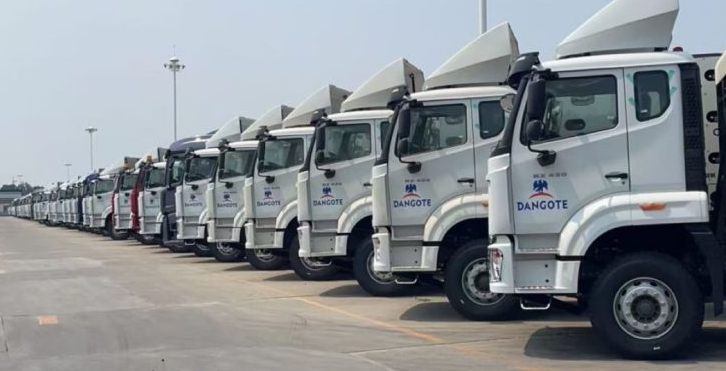
Dangote Refinery’s decision to absorb the cost of transporting petrol to selected states landed as both relief and provocation. For years, Nigerians have endured a volatile downstream market shaped by import dependence, subsidy collapses and layers of rent-seeking. The announcement that fuel would be delivered to outlets in Lagos, Ogun, Oyo, Ekiti, Osun, Rivers, Edo and Abuja without transport charges was greeted with cheers in some quarters.

The company deployed more than 1,000 compressed natural gas trucks for the operation, describing it as a way of demonstrating efficiency and commitment to easing household pressures. In parts of the South West, prices quickly fell to around ?841 a litre compared with ?865 a few days earlier. In Abuja and parts of the Niger Delta the average price dropped closer to ?851, with a gantry price set at ?820. Consumers began to sense that indigenous refining could finally influence the market after decades of reliance on imports.

Online responses reflected the mixture of relief and nationalist pride. “Imagine what ten indigenous companies like this would have done for the country. God bless Dangote Group,” wrote one user. Others cast the refinery as a “master driver” of the oil sector, while voices in the diaspora framed the move as a blow to “corrupt and greedy marketers” who had long extracted rents from the supply chain.

Associations bristle at disruption

The optimism was not universal. Unions and associations tied to petroleum logistics reacted with unease. The National Association of Road Transport Owners, whose members traditionally move products from depots to retail outlets, said the plan undermined existing contracts. Leaders warned that thousands of jobs were at risk if the refinery bypassed their services and operated a parallel delivery system.

Independent marketers were split. The national leadership of IPMAN encouraged members to register with Dangote’s online platform to qualify for allocation, emphasising that several stations in Lagos, Ogun and Ondo had already benefited. Yet within the association some questioned the sustainability of free haulage and cautioned against allowing a single company to dictate distribution practices.

Behind these tensions lies the refinery’s direct challenge to a business model that has historically enriched middlemen. By reducing the role of transport unions and depot operators, Dangote threatens entrenched interests that have survived every round of subsidy reform. To supporters, this represents long-overdue disruption. To critics, it risks handing disproportionate leverage to one industrial empire.

Exclusions fuel regional resentment

The initial roll-out excluded most Northern and South Eastern states. Abuja was covered, but Kano, a city central to Dangote’s corporate identity, was not. The omission stung. “As someone from Kano, I always believed Dangote Industries would treat Kano and the North with respect,” one resident wrote, voicing a sense of betrayal.

In the South East the anger was sharper. Commentators complained that once again their region had been overlooked, with insecurity cited as an excuse for bypassing deliveries. “Not even one southeastern state? Damn!” was a typical reaction. Others accused the company of hypocrisy, arguing that it could leapfrog South Eastern states to serve Rivers.

The controversy illustrates how fuel distribution has become a stage on which broader grievances about belonging and fairness are performed. A scheme intended as a symbol of relief instead reinforced perceptions of regional inequality.

A battle for legitimacy in the oil economy

What is unfolding is more than a logistical adjustment. It is a struggle over legitimacy in Nigeria’s oil economy. Pump prices in the South West and parts of the Niger Delta have fallen, while competitors such as MRS have quietly lowered their prices to remain relevant. Yet consumers remain sceptical. Reports surfaced that some stations, even after receiving cheaper supply, still sold at ?870, fuelling suspicion that old habits die hard.

The refinery has nevertheless forced a recalibration. For ordinary Nigerians, the clash pits an indigenous company presenting itself as a patriotic alternative against entrenched unions seen as profiteers. For investors, it signals the risks of concentrated market power. For politicians, it highlights how quickly corporate gestures can feed into narratives of exclusion.

What began as a free delivery scheme has become a national conversation about trust, power and fairness. Dangote has positioned itself as both disruptor and unifier, but it now faces the delicate task of expanding distribution without reinforcing old regional wounds or sliding into monopoly. The refinery is not just a plant on the Lekki coast. It is symbolic infrastructure, where the price of petrol carries with it the weight of national legitimacy.