DD
MM
YYYY

PAGES

DD
MM
YYYY

spot_img

PAGES

Home Blog Page 4875

How to secure a Power Generation Company (GENCO) License in Nigeria

0

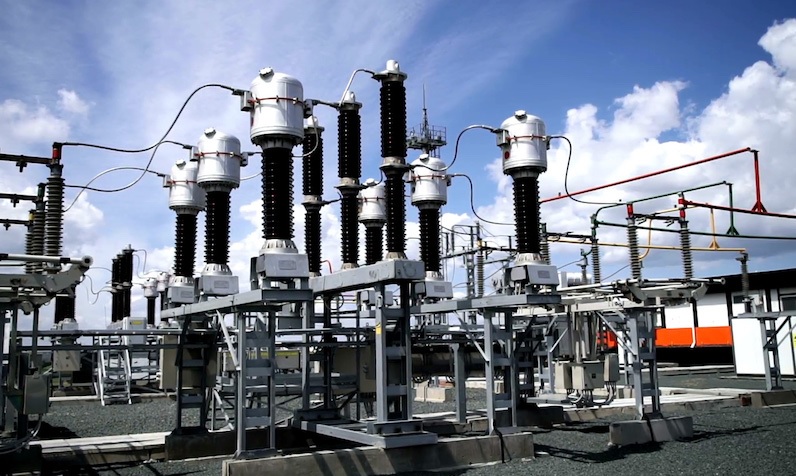
One of the most important segments of the Power Sector value chain in any country is the Power Generation company, a company licensed to engage in the generation/production of Electric Power for onward transmission and distribution.

The focus of the article will be Power Generation Company (GENCO) licenses in Nigeria, with a focus on :-

– The types of Power Generation licenses available in Nigeria.

– The Regulatory Framework governing GENCOs in Nigeria

– The process of commencing a GENCO license application.

– The requirements for a GENCO license application and grant in Nigeria.

– Post-licensing regulations governing GENCOs in Nigeria.

What are the types of GENCO licenses available in Nigeria?

The GENCO licenses available in Nigeria are :-

Grid-Connected Power Generation Licences :- which allow holders to generate/produce Electric power & connect to the National Grid for distribution.

The distinguishing feature of this type of GENCO license is that its holder is required to enter into connection agreements with the Transmission Company of Nigeria for connection & evacuation of Electric power to the National Grid. GENCO licensee are also required to enter into long-term Power Purchase Agreements (PPAs) with the Nigerian Bulk Electricity Trading Company PLC (NBET).

Embedded Power Generation Licences :- This is a license that allows for the generation of electricity that is directly connected and evacuated through a distribution system , through the distribution facilities of a licensed Distribution Company (DISCO) or through an Independent Distribution Network licensee via negotiated Power Purchase Agreements (PPAs).

A licensed embedded GENCO does not need to enter into a PPA with either NBET or the Transmission Company of Nigeria (TCN). 

Off-Grid Electric Power Generation Licences:- This is a licence that entitles a GENCO to generate and sell power to a single buyer via a PPA.

What are the relevant agencies in charge of licensing and regulating GENCOs in Nigeria?

GENCOs are licensed and regulated mainly by the Nigerian Electricity Regulatory Commission (NERC) through its various regulations and the Electric Power Sector Reform Act and the Ministry of Power.

How are GENCO license applications to be commenced?

Applications are to be made in writing as well as signed and dated by the legal representative of an applicant to the Chairman, NERC Headquarters.

Applications are to be submitted in 3 paper copies along with an electronic version in MS Office software format in a CD-ROM. On the receipt of a GENCO application, NERC (or ‘The Commission’) shall note therein the date of its receipt and shall send to the applicant an acknowledgement stating the date of the receipt.

Can any further information be required of an applicant by NERC even after submitting a licence application?

Yes, it is possible. The commission may upon review of the application require the applicant to provide more information within a period of not more than 1 month from the date of the receipt and acknowledgement of the application.

Will newspaper advertisement publications also be required by NERC for GENCO license applications?

Yes they will. The Commission upon finding an application in order will direct an applicant to publish at his own expense and in 2 daily newspapers, one of them being a local paper in circulation within the applicant’s planned business operation area , a 21-day public notice of the licence application with its relevant details for the purpose of receiving possible objections to be heard by NERC for another period of 30 days.

Can a decision of NERC refusing a licence application be appealed against?

Yes it can. An aggrieved applicant has 21 days within receiving a notification of licence application refusal from NERC to appeal. 

Can GENCO licenses be cancelled, suspended, amended, or extended tenure-wise?

Yes, they can. A GENCO license can be suspended (but not for a period of more than 6 months) on the grounds of :-

– Public Interest.

– Default in complying with GENCO license terms and conditions.

– The inability to discharge or perform the duties imposed by a licence terms and conditions, the Electric Power Sector Reform Act, Market rules, NERC regulations, etc.

– Public safety or that of any person.

A GENCO licence can also be cancelled by NERC on the grounds of:-

– Procuring a GENCO license through fraud or the misrepresentation or non-disclosure of a material fact.

– Willful or unreasonable violation of the Power Sector Regulatory Framework.

– Insolvency/Bankruptcy of a GENCO licensee.

– Inability to carry out the duties of a GENCO licensee due to a weak financial position.

– Failure to comply with a GENCO license terms and conditions.

A GENCO license terms and conditions can also be amended on NERC’s own accord, the complaint of a customer or another licensee or the GENCO licence holder itself on the grounds of:-

– Public Interest.

– Inability of a licensee to meet the requirements in its license terms and conditions set by NERC.

– A material change in circumstances of the licensee.

– A default in complying with the Electric Power Sector Reform Act, NERC regulations, Market rules and Network rules.

Regarding GENCO license tenure extension, an application for this has to be commenced within the first 5 years of the initial term of the GENCO license.

How long does it take to process a GENCO license application in Nigeria?

It takes a period of not more than 6 months from the date of receiving a Licence application by NERC to process a GENCO license application.

What are the requirements for a Power Generation Licence in Nigeria?

Mandatory Submission Requirements

– A completed application form.

– A Certificate of Incorporation and MEMART (Memorandum/Articles of Association).

– A Registered Land Title to site or Deed of Assignment or evidence of submission of title documents to the relevant land processing agency.

– A Tax Clearance Certificate for the past 3 years.

– A 10 year business plan (please consult your lawyer on the required contents of a business plan for the purpose of licensing under NERC regulations).

– Off-take Agreement.

– An Environmental Impact Assessment (EIA) approval certificate or proof of submission and acceptance for processing of the report on Environmental Impact Assessment to the Ministry of Environment or details on how effluents and discharges will be managed if proposed Generation Capacity is less than 10MW.

– A Fuel Supply Agreement.

– A Memorandum of Understanding (MOU) or letter of intent from an Engineering Procurement Contractor (EPC) if applicable.

– A Memorandum of Understanding (MOU) or letter of intent from technical partner if applicable.

– Financing Agreements or Letters to fund the project from financial institutions.

– Timelines for commission of power plant and on the date when different capacities of the plant will come into operation. 

General Requirements

  1. A Site map :- showing fuel delivery and storage locations, transmission evacuation site, water pipelines, gaseous, liquid and solid waste disposal areas, etc.
  1. A location map :- showing roads, rail lines, transmission lines, rivers, reservoirs, etc.
  1. A principal single-line diagram of the project site.
  1. Fuel sourcing, transportation and supply arrangements.
  1. Water supply & availability analysis for plant and staff use.
  1. Plant design.
  1. Power Station information(consult your lawyer on the specific required Power station information requirements under the NERC licensing regulations).
  1. Generator Unit Information (consult your lawyer on the specific Generator Unit Information requirements under NERC regulations).
  1. Engineering , Procurement & Construction (EPC) Contract (consult your lawyer concerning the report on the guide to the development of Independent Power Projects/IPPs).
  1. Phasing of project details where applicable.
  1. Auxiliary systems (refer to the report on the guide to the development of IPPs).
  1. Ancillary services :-

– Black start facilities.

– Reactive power generation capabilities.

– Frequency response capability.

– Maximize generation(Maxgen) capability.

– Fast start capability.

  1. Report of evacuation studies (for good connection). This should include:-

– Load flow studies

– Stability studies

– Short circuit studies

  1. Station Safety Arrangements which should include :-

a). an emergency response plan;

b). fire fighting facilities;

c). first aid;

d). safety awareness & staff training plans;

e). personal protective equipment (PPE);

f). health and safety policy.

  1. An Environmental Impact Assessment (EIA) and Waste management plan.
  1. The Expected date of commissioning.
  2. Evidence of Approval from the Transmission Company of Nigeria (TCN) confirming that proposed connection points have the capacity to take loads which will be fed to them.

Specific Requirements

Hydro Plants

– An approval from or agreement with the Ministry of Water Resources.

– A map showing the proposed dam reservoir area, water conductor system, fore bay, power house, etc.

–  Information on area of village, forest land, agricultural land, submerged land, etc.

– Turbine unit (Hydro Turbine) information (please consult your lawyer on Turbine unit information requirements under the NERC regulations).

Thermal Plants

Thermal Plants can either be –

a). Gas steam plants (These plants require Turbine Unit Information for Power Generation licensing. Please consult your lawyer on Turbine unit information requirements under the NERC regulations).

b). Coal steam plants (Which require Turbine unit information for Power Generation licensing. Please consult your lawyer on licensing requirements under NERC regulations).

c). Gas plants/OCGT (Please consult your lawyer on licensing requirements for this type of Power Generation plant under NERC regulations).

d). Oil plants( Please consult your lawyer on licensing requirements for this type of Power Generation plant under NERC regulations).

e). Solar plants (Please consult your lawyer further on licensing requirements for this type of Power Generation plant under NERC regulations).

f). Wind Farms (Please consult your lawyer further on licensing requirements for this type of Power Generation plant under NERC regulations).

Embedded Generation/Off-Grid Generation.

– Total capacity per site.

– Number of generating units per site.

– Fuel type.

– Size of generating units (MW & MVA).

– Terminal voltage.

– Rated power factor.

– Reactive power capacity (if any).

– Noise level .

– System protection.

– Waste management/Environmental Impact Assessment (EIA) if required.

– Agreement or arrangement with a licensed Power Distribution Company (DISCO) for network use.

– Generating equipment manufacturer information (name,year of manufacture and warranty period).

What is the validity period for Power Generation licences in Nigeria?

Grid-Connected Power Generation licenses have a validity period of 10 years while Off-Grid Power Generation licenses carry a validity period of up to 10 years.

What are the fee implications of Power Generation Licence applications in Nigeria?

The fee implications of Power Generation Licence applications in Nigeria are :-

Grid-Connected Power Generation

1-10MW Generation Capacity

Processing/Application fee – 70 Thousand Naira

License fee – $ 5000.00(Five Thousand US Dollars)

Licence Renewal/Tenure extension application fee – 35 Thousand Naira

Annual Operating fee – 1.5% of license holder’s charges per Kwh.

11-50MW Generation Capacity

Processing/Application fee – 150 Thousand Naira

License fee – $30,000(Thirty Thousand US Dollars)

Licence renewal/Tenure extension application/processing fee – 75 Thousand Naira

Annual Operating Fee -1.5% of Licensee’s charges per Kwh

51-100MW Generation Capacity

Application/Processing fee – 200 Thousand Naira.

Licensing fee – $ 40,000.00(Forty Thousand US Dollars).

Licence renewal /Tenure extension Processing fee – 100 Thousand Naira

Annual Operating Fee- 1.5% of charges per Kwh

101-200MW Generation Capacity

Application/Processing fee – 250 Thousand Naira

Licensing fee – $ 60,000.00(Sixty Thousand US Dollars)

Licence renewal/Tenure extension processing fee – 125 Thousand Naira

Annual Operating Fee – 1.5% of charges per Kwh

201-300MW Generation Capacity

Application/Processing fee – 350 Thousand Naira

Licensing fee – $ 80,000.00(Eighty Thousand US Dollars)

Licence renewal/Tenure extension processing fee – 175 Thousand Naira.

301-400MW Generation Capacity

Application/Processing fee – 400 Thousand Naira.

Licensing fee – $ 100,000(a Hundred Thousand US Dollars)

Licence renewal/ Tenure extension processing fee – 200 Thousand Naira

Annual Operating Fee – 1.5% of charges per Kwh.

401-500MW Generating Capacity

Application/Processing fee – 450 Thousand Naira

Licensing fee – $120,000.00(a Hundred and Twenty Thousand US Dollars)

Licence renewal/ Tenure extension processing fee – 225 Thousand Naira.

Annual Operating Fee – 1.5% of charges per Kwh.

500MWAbove Generation Capacity

Application/Processing fee – 500 Thousand Naira

Licensing fee – $140,000.00(One Hundred and Forty Thousand US Dollars)

Licence renewal/Tenure extension processing fee – 250 Thousand Naira

Off-Grid/Embedded Power Generation License Fees.

11-25MW Generation Capacity

Application fee :- 150 Thousand Naira

Licensing fee :- $35,000.00(Thirty-Five Thousand US Dollars)

Licence renewal/Tenure extension processing fee:- 75 Thousand Naira

Annual Operating Fee :- 1.5% of tariff charges per Kwh

26-40MW Generation Capacity

Application fee:- 175 Thousand Naira

Licensing fee :- $40,000.00

Licence renewal/Tenure extension processing fee :- 87,500.00 Naira

Annual Operating Fee :- 1.5% of tariff charges per Kwh

41-60MW Generation Capacity

Application fee :- 225 Thousand Naira

Licensing fee :- $45,000.00(Forty-five Thousand US Dollars)

Licence renewal/ Tenure extension processing fee :- 112,500.00 Naira

Annual Operating fee :-  1.5% of charges per Kwh

61-85MW Generating Capacity

Application fee:- 250 Thousand Naira

Licensing fee :- $50,000.00(Fifty Thousand Naira)

License renewal/ Tenure extension processing fee :- 125 Thousand Naira

Annual Operating fee :- 1.5% of tariff charges per Kwh

86-100MW Generating Capacity

Application fee :- 275 Thousand Naira

Licensing fee :- $55,000.00(Fifty-Five Thousand US Dollars)

License renewal/ Tenure extension processing fee :- 

Annual Operating fee :- 

101-200MW Generating Capacity

Application fee :- 300 Thousand Naira

Licensing fee :- $75,000.00(Seventy-Five Thousand US Dollars)

License renewal/Tenure extension processing fee :- 150 Thousand Naira

Annual Operating fee :- 1.5% of tariff charges per Kwh

201-400MW Generating Capacity

Application fee:- 400 Thousand Naira

Licensing fee :- $95,000(Ninety-Five Thousand US Dollars)

Licence renewal/Tenure extension processing fee :- 200 Thousand Naira

Annual Operating fee :- 1.5% of tariff charges per Kwh

401-500MW Generation Capacity

Application fee :-500 Thousand Naira

Licensing fee :- $150,000.00(One Hundred and Fifty Thousand US Dollars)

Licence renewal/ Tenure extension processing fee :- 250 Thousand Naira

Annual Operating fee :- 1.5% of Tariff charges per Kwh

500MWAbove Generation Capacity

Application fee :- 600 Thousand Naira

Licensing fee :- $200,000.00(Two Hundred Thousand US Dollars)

Licence renewal/Tenure extension processing fee :- 300 Thousand Naira

Annual Operating fee :- 1.5% of Tariff charges per Kwh.

Conclusion:- Further consultations with the right set of professionals is highly needed for GENCO licensing and operations as this write-up is at best a summarized version of just one aspect of the Regulatory compliance requirements governing GENCOs as a foundational component of Nigeria’s Electric Power Sector.
How to secure a Captive Power Generation Permit in Nigeria

0

Do you know that as a business/establishment/private individual in Nigeria you can legally generate your own Electric Power by means of something called a Captive Power Generation permit?

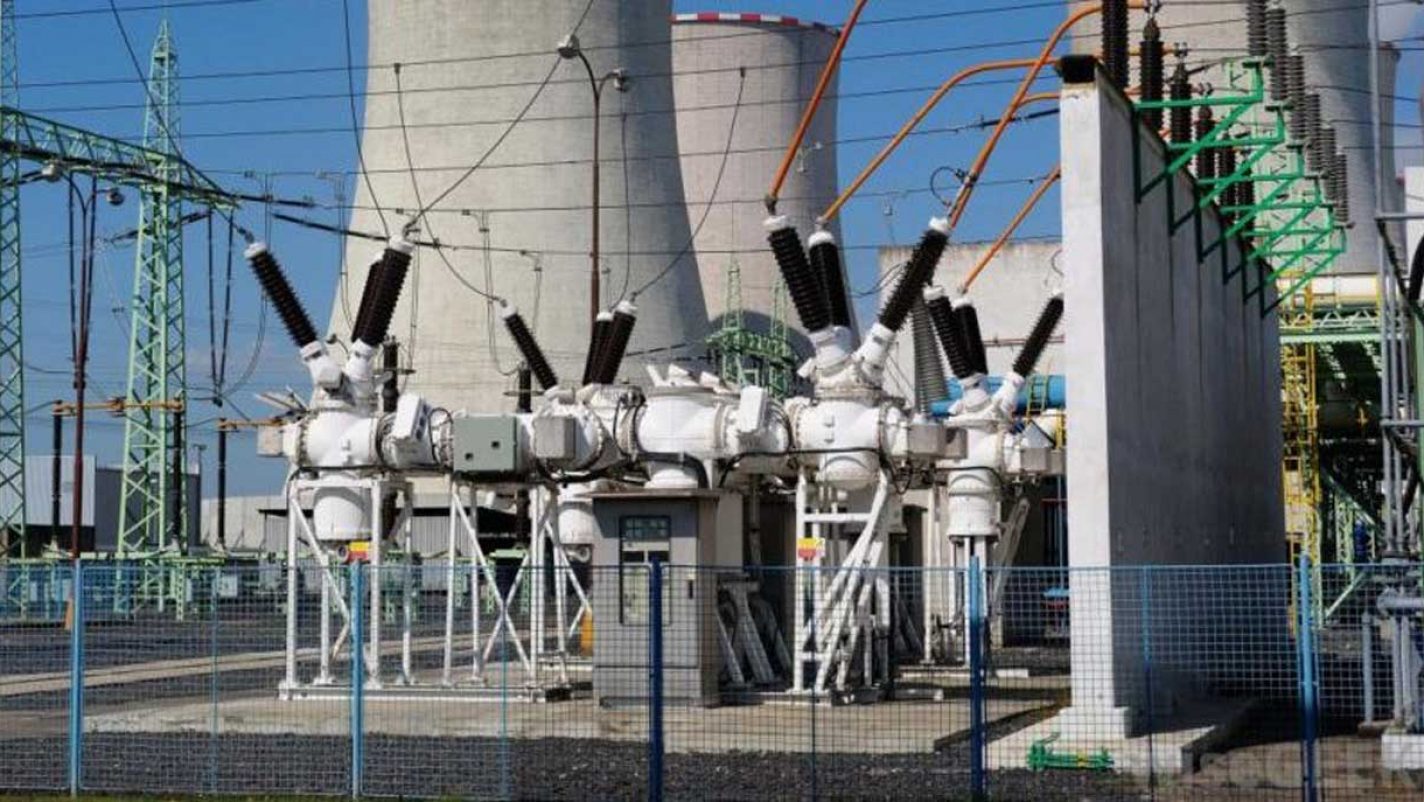
Captive Power generation is the generation of electricity above 1MW for the purpose of consumption by the generator and not sold to a 3rd party.

This article will be talking about Captive Power Generation in Nigeria with a focus on :-

– The Regulatory Framework governing Captive Power Generation in Nigeria.

– The requirements for a Captive Power Generation permit.

– Post-permit grant regulations  governing the operation of Captive Power Generation grants in Nigeria.

What is the Regulatory Framework/Agency governing Captive Power Generation in Nigeria?

Captive Power generation permits are governed by the Nigerian Electricity Regulatory Commission (NERC) through the Electric Power Sector Reform Act 2005 & the NERC Permits for Captive Power Regulations 2008.

What are the requirements for a Captive Power Generation permit?

The requirements for this type of permit are:-

– An application in writing to NERC by a legal representative.

– Payment of prescribed fees (non-refundable) for a Captive Power Generation permit category.

How are Captive Power Generation permit applications commenced?

Applications for Captive Power Generation permits are to be documented, signed and dated by an applicant’s legal representative and addressed to the Secretary, NERC Headquarters via regular mail or hand delivery.

Applications of this nature are to be submitted in 3 paper copies and an electronic version in MS Office software format.

The NERC shall send to an applicant an acknowledgement of the application stating the receipt date.

Are Captive Power Generation applications also to be evaluated?

Yes they are. The NERC may also require of the applicant further information within 1 month of receiving the application for a Captive Power Generation permit.

How long does it take to process a Captive Power Generation permit application?

This takes not more than 3 months from the date of receiving and acknowledging the permit application.

What happens where the supply of Surplus Electric Power which may be generated by a Captive Power Generation permit holder?

A Captive Power Generation permit holder must apply for and receive proper written consent of NERC before supplying surplus power not exceeding 1MW to an off-taker and this will require a Power generation license.

Are Captive Power Generation permit holders required to render Disclosure returns to NERC?

Yes they are. All Captive Power plants shall provide annual detailed information on plant operations including information on health & safety standards and procedures in the plant, environmental issues if any arising from operations of the plant and such other information as NERC may from time to time require.

NERC can also through its officials at any time enter and inspect the premises of a Captive Power Generation facility anytime to ensure compliance with applicable regulations as well as the terms and conditions of the permit.

Can Captive Power Generation permit holders carry out modifications on their facilities without any Regulatory compliance?

No, they cannot. The approval of NERC must be requested for and obtained prior to any planned MAJOR modification to the captive power plant within 5 working days after the receipt of the modification request by NERC. 

Regarding all other (minor) modifications or augmentations of the Captive Power plant’s capacity shall be reported to NERC within 24 hours of such modifications/augmentations.

Are there any criminal penalties for Captive Power Generation permit holders violating any Regulatory Framework provisions

Yes there are. Offenders under Section 94(1) of the Electric Power Sector Reform Act can face a first-time conviction 1-year jail term or a 100 Thousand Naira fine and a 500 Thousand Naira fine or 3-year jail time on subsequent convictions.

Can a Captive Power Generation permit be amended or renewed?

Yes it can. The terms and conditions of a permit may be amended by:-

– an application by the permit holder;

– the commission receiving a complaint from any consumer, eligible customer, consumer association, association of eligible customers, licensee or other permit holder;

– or NERC on its own initiative.

An application for amendment shall be accompanied by a receipt of such fees as may from time to time be prescribed for processing the application.

For renewal of a Captive Power Generation permit,an application has to be made at least 3 months before the expiration of the permit and shall be accompanied by a receipt of such fees as NERC may prescribe for processing the application.

It should be also noted that the procedure for applying for a fresh Captive Power Generation permit shall be followed in a permit renewal.

Can a Captive Power Generation permit be cancelled and if yes, on what grounds?

Yes, a Captive Power Generation permit can be cancelled by NERC via complaints from customers, consumer associations, other permit holders or NERC on its own summary decision on the following grounds :-

– Fraud, misrepresentation or non-disclosure of a material fact in the course of procuring a Captive Power Generation permit or rendering Disclosure/Compliance returns to NERC.

– Willful/unreasonable contravention of the Regulations governing Captive Power Generation permits.

– A failure to comply with the Terms and conditions of a Permit.

– A permit holder becoming insolvent or bankrupt.

How long does it take for NERC to conclude permit cancellation hearings?

This usually takes 60days while rehearings and appeals take 30 days.

Can applications for Captive Power Generation permits be withdrawn by an applicant?

Yes they can, but once withdrawn they cannot be reactivated and can only be resubmitted as new applications to be accompanied by fresh application fees(note that permit application fees are in the first place, non-refundable).

What is the validity period of Captive Power Generation permits?

Captive Power Generation permits have a validity period of 5 years.

What are the fee implications of Captive Power Generation permits?

Captive Power Generation applications come with the following fee categories:-

1-10MW Generation Capacity

Application fee – 50 Thousand Naira

Permit fee – 200 Thousand Naira

Amendment/Renewal fee – 50 Thousand Naira

11-20MW Generation Capacity

Application fee – 50 Thousand Naira

Permit fee – 250 Thousand Naira

Amendment/ Renewal fee- 50 Thousand Naira

21-30MW Generation Capacity

Application fee – 50 Thousand Naira

Permit fee – 300 Thousand Naira

Amendment fee – 50 Thousand Naira

31-40MW Generation Capacity

Application fee – 50 Thousand Naira

Permit fee – 450 Thousand Naira

Amendment/Renewal fee – 50 Thousand Naira

41-50MW Generation Capacity

Application fee – 50 Thousand Naira

Permit fee – 500 Thousand Naira

Amendment/Renewal fee – 50 Thousand Naira

51-100MW Generation Capacity

Application fee – 50 Thousand Naira

Permit fee – 550 Thousand Naira

Amendment/Renewal fee – 50 Thousand Naira

100MW – Above

Application fee – 50 Thousand Naira

Permit fee – 700 Thousand Naira

Amendment/Renewal fee – 50 Thousand Naira.

Conclusion :- Captive Power Generation permits carry a much wider set of operational & Regulatory compliance requirements that require the right type of professional guidance. It is advisable to thus consult with your lawyer if you are interested in procuring this type of Power sector permit.

Moshnake: Optimizing The Binance Smart Chain To Generate Profits Unrealized By Leading Cryptos Like Chiliz

0

Blockchain technology and the virtual mechanism work relatively in hand to generate wealth for users. The last cryptocurrency bull run shows how to generate profits in the Decentralized finance network.

The Gamefi economy does not require physical or boundary-limit connectivity among players to orchestrate its market. The dawn of online gaming activities on blockchain technology is here alongside the ability to earn massively.

The BNB smart chain is a concept of MetaFi to build the universe parallel virtual infrastructure. It was projected to function as a blockchain gas token that fuels transactions on the BNB platform.

The Smart chain exists to revolutionize the DeFi space due to public demand for alternative financial solutions. The existence of BNB (Build and Build) on the Binance Smart chain birthed a vision where borderless interoperability makes lives comforting.

Moshnake (MSH) project connects to this cogent smart chain innovation. The idea is to optimize its components than the BNB network. The Smart chain contract is open to creators and inventors to build a forever DeFi infrastructure than Binance. The scalability level is limitless in constructing a multi-chain platform like the Moshnake ecosystem.

WHY MOSHNAKE?

Virtual Gaming versus Mainstream Sports.

The GameFi economy has the standard prospect for sport, game, and entertainment for all. But virtual participation proves to be more self-discovery among users than mainstream activities.

Chiliz ($CHZ) is a currency option geared towards elevating the daily experience of mainstream consumers. The token provides sports entities with blockchain-based tools to investors, remember investors, by monetizing the football audience (fans). That is not the vision of the Moshnake community.

How Moshnake ($MSH) creates a difference:

The following are the unique features that make Moshnake a better investment option:

  • The simplification of the project helps users to navigate easily in improving their passive income. The snake-theme token was built on two grounded purposes, Play-To-Earn and marketing NFT snake-like contents. The community created the old snake game experience for users through blockchain technology.
  • The high cost of running the Chiliz blockchain as a user is not encouraging for a new member of such an ecosystem. The Moshnake gaming network provides a medium that is cost-effective and efficient. The token operates on proof of content to negate environmental pollution.
  • While Chiliz focuses on fan engagement in sporting especially football, Moshnake (MSH) users increase their passive income through self-participation.
  • For a gaming token to resolute more on being an alternative payment solution that is unbecoming. Chiliz ($CHZ) lost its standard by deviating from its ecosystem. The marketing operation of the Moshnake tokens operates within its ecosystem.
  • In optimizing the BNB Smart chain contract, Moshnake operates its public presale of $MSH for interested personnel to purchase. The essence of the Build-and-Build platform is to be more innovative in exploring its capacity to meet general needs.

The NFT market is an urgent market in the crypto space where unique contents are marketable. As a community member, the snake-themed items yield massive revenue for holders. During your course of involvement, you can generate your NFT content upon successful navigation.

How to get started with Moshnake token

  • Create a Metamask wallet and click on the icon to select the connect wallet option. Add BNB Smart Chain Network to the Wallet.
  • The exchange recommendation for new users is USDT and ETH stored on Trustwallet or Uniswap platforms.
  • Users can only purchase $15 worth of $MSH tokens at a limit purchase.
  • To participate as a member in this gaming ecosystem, a limit store of 1,000 $MSH tokens is the standard.
  • Users are the sole owner of their creative NFT contents sales within the network are allowed.
  • The market structure for tokens was created as the venom or snake poison ($VEN) is available to purchase within the community.
  • At the end of the public presale, users will submit a Claim for their Tokens.

Moshnake (MSH) is a project you cannot bypass if you want to amass wealth through a Play-to-Earn NFT game.


Moshnake:

Website: https://moshnake.io

Telegram: https://t.me/MoshnakeOfficial

Twitter: https://twitter.com/moshnakeToken

Cryptocurrency News: BIG EYES (BIG), QUANT (QNT), and FLOKI INU (FLOKI) could do 50-100× in the coming months

0

If you’re about to give up on the crypto market for the year, there may still be a silver lining. According to experts, the year’s remaining months will hold many surprises.

Hence, one needs to be informed, vigilant, and above all, act within control. New cryptocurrencies will enter the coin market, and existing tokens could also experience a rise or fall in price.

Irrespective of the events, one thing you want to ensure is that you’re not caught on the wrong side of it. In this article, we review one of the numerous new cryptocurrencies entering the crypto market with a strong prospect of a progressive run and two other existing tokens that could give a 50-100× increase if the condition is favourable. We look into them below.

QUANT (QNT)

Quant prides itself as ‘the future of finance.’ The decentralised network helps financial institutions, enterprises, developers, and other individuals harness the benefits of blockchain technology by providing a highly interoperable ecosystem for exchanging assets and information.

Quant is the first blockchains operating system and has maintained optimum efficiency in linking different networks and blockchains globally since its inception in 2018. The network leverages Overlegder to reduce existing gaps between existing blockchains while allowing developers to build decentralised multi-chain applications for users.

Quant Token, QNT facilitates this functionality and other utilities on the platform. It boasts over a billion market capitalisation and has an all-time high of $428.38. The crypto asset has experienced a downward rally due to the bear market, but experts are not ruling it out, making a progressive run before the year ends. The token currently sells slightly above $100, and it could be a good short-term inclusion in your portfolio. However, ensure you apply necessary risk management procedures.

Floki Inu (FLOKI)

Floki Inu is one of the numerous meme projects influenced by Shiba Inu. However, the meme coin developers aim to take the project beyond being “another SHIB-inspired project” to a cryptocurrency that can rival top ones in the market. The project developers have been marking strategic partnerships that birth more use cases and utility got the Floki Inu token, FLOKI.

Also, Floki Inu will feature three flagship projects which include an NFT gaming metaverse, a platform for content and education, and an NFT and merchandise marketplace. The three projects will be called Valhalla, Floki Inuversity, and Flokiplaces, respectively. Being a meme coin with these utilities, FLOKI will likely rise in the ranks in the coming months.

The token had an unprecedented price surge in the previous year, which early adopters benefitted from. However, the crypto winter has seen it decline in price greatly. Experts’ analysis indicates that it still has the potential for a progressive run, and it could do about 100× before the year ends. Although, this isn’t guaranteed. 

Big eyes (BIG) 

Big eyes is another meme coin with great utility on this list. The meme project aims to help users make the most of DeFi and blockchain technology by ensuring seamless accessibility and unrestricted access to beneficial content and events, leveraging its NFTs. Big eyes will ensure that all community members and users enjoy DeFi benefits by increasing its profitability through innovative features.

The crypto project features a Big eyes swap, a DEX, that will make decentralised finance transactions easier. It will reward deserving community members with incentives and rewards. Big eyes aim to become a popular and successful meme coin in the crypto market, and developers are implementing various marketing and promotional strategies to ensure this.

Beyond improving the Blockchain and DeFi ecosystem, Big eyes will also protect a part of the world’s ecosystem — Oceans, through charity. These features will increase Big eyes’ popularity and adoption potential in the coin market and could contribute to a progressive market run.

The Big eyes token is still on presale. However, it’s set to launch very soon, and experts are optimistic about an initial price surge within a few days of launching.

You can still benefit from this, join the presale via the link below and find out more about Big eyes:


Find out more about Big eyes via these links:

Presale: https://buy.bigeyes.space/

Website: https://bigeyes.space/

Telegram: https://t.me/BIGEYESOFFICIAL

Moshsnake, Cardano, and Solana are three cryptocurrencies that are worth investing

0

Since the cryptocurrency launch, many tokens have been built and serve different purposes. Many crypto enthusiasts may not know the right token to invest in and lose a fortune. Market cycles in the crypto ecosystem are comparable to those seen in traditional financial industries. Investors must have a clear plan and investment strategy in place.

The cryptocurrency market is in a bear market, implying that investors must change their trading strategies. To get the most out of their holdings, investors should hunt for undervalued cryptocurrency projects with the potential to make a comeback when the market cycle turns. Investors must spend significant time scouting and researching cryptocurrency concepts to find these projects. This research will look at every aspect of a cryptocurrency project to see whether investing in the token would be advantageous. Let’s look at what to expect from the Moshsnake token.

Moshsnake is a community-driven token

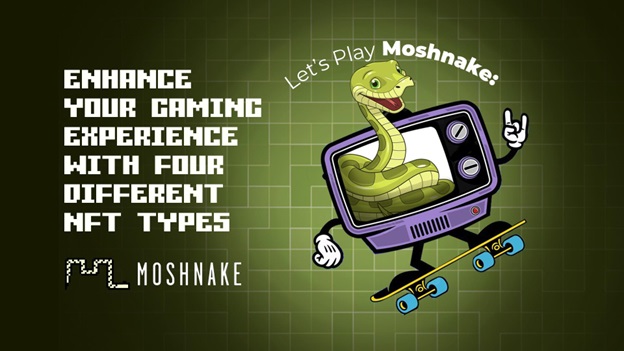
Moshsnake is a community-driven token inspired by the Snake game on Nokia devices. The game is immersive, and it is suitable for all age groups. Each player can manage their own Moshnake NFT, feeding it various eggs and in-game NFT delicacies while battling other players in a combat royale arena.

Moshsnake has creative dynamics, multiple reward opportunities, an extensive community, and robust tokenomics to help its users make passive income while playing the game. Moshsnale also has a Player vs. Environment feature. The player’s Moshnake NFT will be used to consume the required number of eggs in the arena and to kill other computer-controlled opposing Moshnakes. This is an excellent approach to learning Moshnake and honing your gaming abilities.

Moshsnake is a Play-to-Earn (P2E) NFT game that allows users to develop or evolve their Moshnake NFT and maximize its potential profitability. Moshnake is powered by a governance token ($MSH). Each player must acquire a Moshnake NFT to start playing the game. The percentage of the in-game NFT goods will change over time depending on the amount of NFT items in circulation.

The Moshnake development team has created a balancing mechanism that will manage inflation by regulating the amount of NFT goods in the market.

The hatching process is the only way for fresh Moshnake NFTs to enter circulation. This is because minting more Moshnake NFTs will be impossible with all 20,000 Moshnake NFTs. Following the Initial NFT Offering (INO), the only way to increase the number of Moshnake NFTs in circulation is to hatch a Moshnake egg successfully.

Cardano is a profitable token for investors

Cardano (ADA) runs on a public, open-source, decentralized network that allows for peer-to-peer transactions. Its blockchain has all of the resources required to open doors for everybody and affect positive change on a global scale.

Cardano is built on staking since it is based on the Ouroboros proof-stake (PoS) protocol. Staking is one of the most profitable methods of making money on the blockchain. Staking in the Cardano network is analogous to unwinding while earning passive income. Security is unrivaled in the Cardano ecosystem.

Unlike other platforms, Cardano lets users remain completely anonymous. All transactions and exchanges are verifiable, immutable, and openly documented using multi-signature and the UTXO paradigm.

Solana helps developers to build and sustain their blockchain projects

Solana (SOL) blockchain was created in response to concerns with earlier generations of the technology, such as slow transaction times, high transaction fees, and network congestion. Solana enables transactions to be completed fast, with low transaction costs and high throughput.

Solana provides tools for developing and expanding blockchain initiatives. SOL tokens can be staked, sold, or utilized in SOL network transactions. Solana uses a Proof of History (PoH) consensus technique to maintain the integrity of its blockchain. It uses a Proof of Stake (PoS) consensus technique similar to Ethereum (ETH).


Website: https://moshnake.io

Telegram: https://t.me/MoshnakeOfficial

Twitter: https://twitter.com/moshnakeToken