DD
MM
YYYY

PAGES

DD
MM
YYYY

spot_img

PAGES

Home Blog Page 4877

Big Eyes Coin: A DeFi-Inspired Crypto Set to Emulate the Success of Decentraland and PancakeSwap

0
big eye

The crypto industry has been buzzing about Big Eyes Coin. This project leverages community-driven initiatives for the distribution of wealth. It is a meme project that has the potential to outshine numerous previous meme tokens with its great untapped utilities.

The Story Behind the Emergence of Big Eyes Coin

Big Eyes Coin is synonymous with the protagonist of an attractive, cute cat. Its ravishing cuteness earns its adoption as the cat resides with a scientist couple. He learns science and technology to equip him with future scientific endeavors.

Caught in the web of despair, Big Eyes Coin embarks on a voyage for expedition and greener pastures. Tragedy strikes, and the cute cat becomes helpless.

Fortunately, a humpback whale saves him. Its encounter with the sea and the protective propensity of its domicile species help Big Eyes Coin appreciate the aquatic realm.

After that, Big Eyes Coin arrives in Japan. Here, he learns about the oriental culture, which will help him in future endeavors. Big Eyes Coin understands virtue and value for the benefit of man and material.

Big Eyes Coin: Making A Strong Statement with A New Symbol

Before the emergence of Big Eyes Coin, dog-themed cryptocurrencies dominated the crypto space. Pet lovers became obsessed with the character of a dog, hence the need for a radical shift.

The emergence of Big Eyes Coin is a complete departure from the famous Shiba Inu-themed meme projects by introducing a different big-eyed cat. It also revolutionized meme-inspired cryptocurrencies by encouraging the distribution of wealth to the community.

Despite not adopting the popular dog theme, it has become a formidable meme token. Thus, assuming a big-eye, cute cat is both a reaction and innovation.

The Core Features of The Protocol

  • Community Ownership

The introduction of a community-driven initiative seems to be the best-selling point of Big Eyes Coin. Users will enjoy ownership status. They will have the privilege to make strategic decisions that will influence operational practice. Big Eyes Coin will set aside 90% of tokens for community ownership.

  • Environmental Concerns

Sadly, industrialization has caused more pain to aquatic life than gain. Wanton fishing, oil spillage, and dredging are noticeable effects. Conscious of global environmental degradation, Big Eyes Coin will earmark 5% of its assets to discourage this menace.

  • Promoting NFT Events

The protocol will place a high priority on promoting and rewarding ingenious ideas. Big Eyes Coin will organize events regularly, and ocean-themed pictures will serve as a method of access. Big Eyes Coin will select the 10 best NFTs, and winners will be generously rewarded.

Big Eyes Coin Vs. Decentraland

Community ownership is a bonding factor between Big Eyes Coin and Decentraland. Decentraland is a user-owned metaverse hosted on the Ethereum blockchain. Users can play games and engage in transactions in the Defi ecosystem.

The platform is notable for three native tokens: MANA, Land, and other NFT-like in-game assets. With the Decentralized Autonomous Organization (DAO), users govern the platform and make strategic, operational decisions. The community-driven initiative has resulted in growth.

Similarly, Big Eyes Coin will record exponential growth with its user-owned approach.

Big Eyes Coin vs. Pancakeswap

As the crypto space expands, the number of DeFi platforms has increased. Pancakeswap is the most prominent DeFi platform ever created. PancakeSwap is a decentralized exchange (DEX) platform run on the Binance Smart Chain. The platform adopts CAKE as its native token.

As a DEX platform, its users can swap coins without the interference or service of a middleman. The innovative DEX operates using a hassle-free liquidity pool to facilitate swaps.

Big Eyes Coin also intends to create its cross-chain swap protocol. Its users will have the privilege to swap tokens for satisfactory transactions. Like Big Eyes Coin, PancakeSwap is a community-governed project. Users enjoy ownership status by maximizing the project’s utilities.

Big Eyes Coin and PancakeSwap both have many fascinating features in common. Thus, Big Eyes Coin will be as successful as PancakeSwap.

How To Purchase the Big Eyes Coin Presale

After filling out a digital form, you can buy the Big Eyes Coin (BIG) token with ETH, BNB, or USDT. To achieve this, fund an ERC-20 token-compatible wallet and visit the presale website. Connect your wallet and approve the purchase.

Interestingly, the project comes with mouth-watering offers. Prospective presale participants are open to tapping into its 90% asset pool.

Big Eyes Coin has the potential to benefit all. It will promote the distribution of wealth and ease the deplorable condition of marine life with its laudable features. Expect a new, big thing!

Acquire This Important Workplace Skill To Advance Professionally

3

Many young people have asked me to share the #1 professional skill I will ask them to acquire. To the geeks here, I will disappoint you. Yes, it is not computing or the regular tech stuff. The most important skill which has helped my career and professional life is Clear Communication Skill.

When I take time to write things (not the LinkedIn and Facebook posts which do not take more than 12 minutes), you will like to read them. My clarity on writing was the reason Harvard discovered me a decade ago. My blog then was named “Nkpuhe” [revelation in Igbo]. Then, it was purely an intellectual work of one article per week.

The fascinating thing is that you can deepen your communication skills through many paths. My classmate in FUTO and my teacher in the University Chapel where I was a teacher in Sunday school played a role. Now Professor Agam Iheanyi-Igwe [I gave him “Bishop” as his nickname] had an uncommon gift on communication; he could speak for hours and no one would get tired. 

When I became a TED Fellow, they paid for executive coaches to teach me verbal communication and public speaking skills. After 6 months, the transformation was magical: I could hold an audience for minutes. That improved the public speaking component.

The good news is that YouTube has free lessons on these things. Put time to improve your verbal and written communication skills. If you do not communicate well, you go alone. Clear communication skills will give you promotions at work and put you in positions to rise faster besides the typical technical or functional skills you may have.

I always give this gift to my supervisors: “Sir, after the meeting, I created this draft document to save you time as you prepare your management report”. You know what? In every company I have ever worked, my supervisor has always picked me to join him in meetings. Those came with many benefits as promotions followed. Improve your communication skills and thrive.

Warren Buffett, his generation’s finest investor, took a course on communication skills and that changed his life. The certificate issued for that course is the only one you will see in his office today. Do not underestimate the power of clear communication.

Comment on LinkedIn Feed

Comment: Spot on. I’ll add Listening skills aa well

My Response: Yes indeed. That is part of it. There is no way one can be a good communicator without being a good listener.

Comment 2: I can’t agree more prof. I’m writing a book for students in computing fields and a chapter is dedicated to communication skills – still work in progress though. The pillar on which technical skills rest is communication. If that pillar is missing, it’s like trying to build something on nothing.

Comment 3: Good one Prof. At the risk of sounding immodest, as a researcher in this domain, I am of the opinion that whether spoken, written or through other non-verbal cues, clarity of communication will not only ensure promotions but will stand one out in the crowd. I posted earlier today on Effective Communication, a paper I presented four days ago at a training in Lagos, Nigeria.

Do have a good week.

My Response: Please could you share link. Also, do you know any great course in this domain? The community has flooded me with requests on where one can get a good course.

How to secure a Power Generation Company (GENCO) License in Nigeria

0

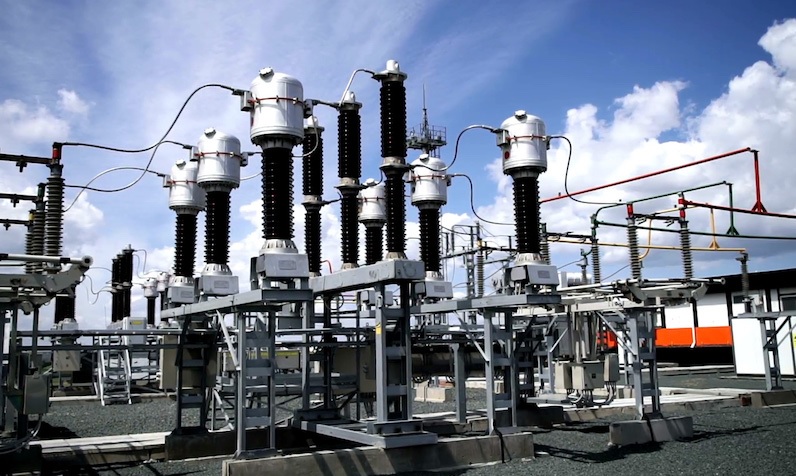
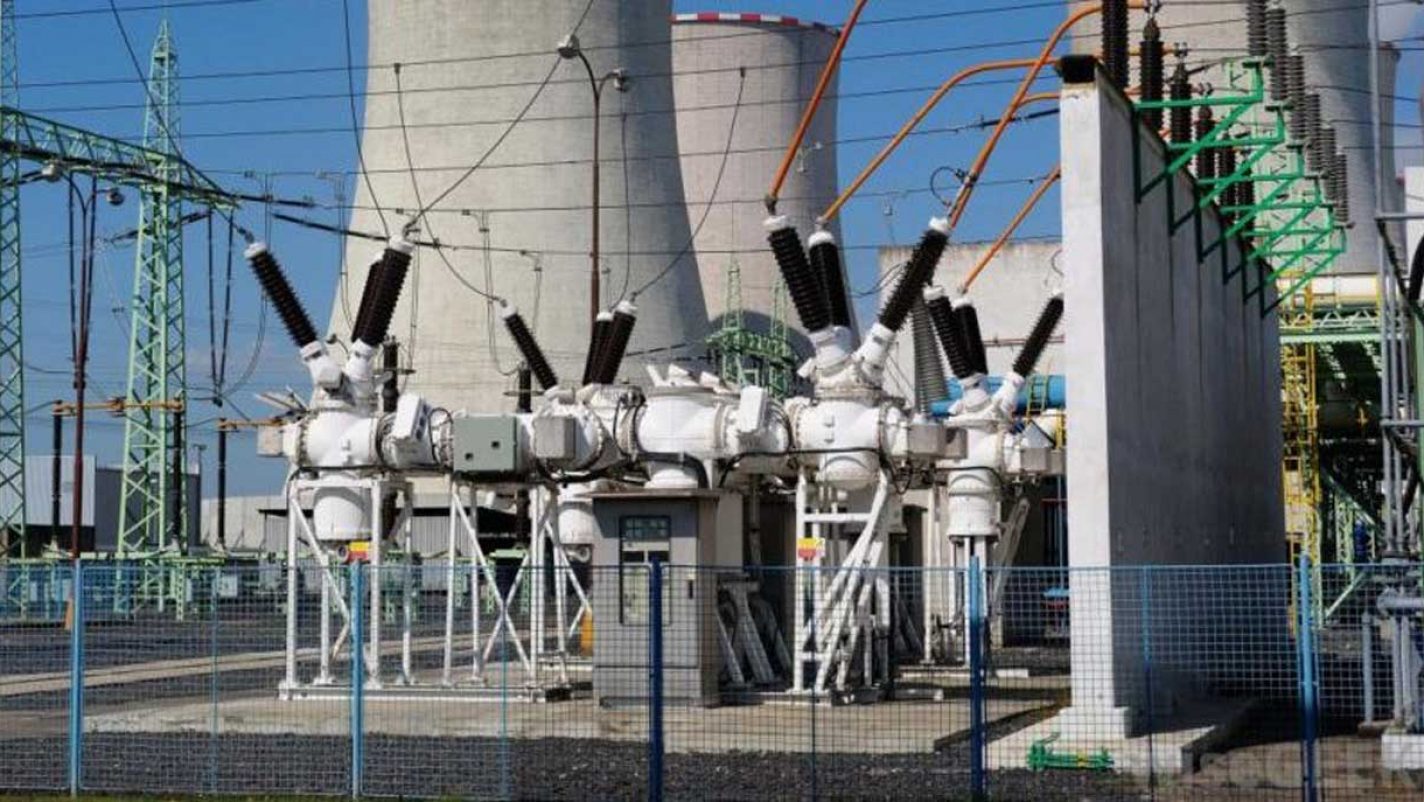
One of the most important segments of the Power Sector value chain in any country is the Power Generation company, a company licensed to engage in the generation/production of Electric Power for onward transmission and distribution.

The focus of the article will be Power Generation Company (GENCO) licenses in Nigeria, with a focus on :-

– The types of Power Generation licenses available in Nigeria.

– The Regulatory Framework governing GENCOs in Nigeria

– The process of commencing a GENCO license application.

– The requirements for a GENCO license application and grant in Nigeria.

– Post-licensing regulations governing GENCOs in Nigeria.

What are the types of GENCO licenses available in Nigeria?

The GENCO licenses available in Nigeria are :-

Grid-Connected Power Generation Licences :- which allow holders to generate/produce Electric power & connect to the National Grid for distribution.

The distinguishing feature of this type of GENCO license is that its holder is required to enter into connection agreements with the Transmission Company of Nigeria for connection & evacuation of Electric power to the National Grid. GENCO licensee are also required to enter into long-term Power Purchase Agreements (PPAs) with the Nigerian Bulk Electricity Trading Company PLC (NBET).

Embedded Power Generation Licences :- This is a license that allows for the generation of electricity that is directly connected and evacuated through a distribution system , through the distribution facilities of a licensed Distribution Company (DISCO) or through an Independent Distribution Network licensee via negotiated Power Purchase Agreements (PPAs).

A licensed embedded GENCO does not need to enter into a PPA with either NBET or the Transmission Company of Nigeria (TCN). 

Off-Grid Electric Power Generation Licences:- This is a licence that entitles a GENCO to generate and sell power to a single buyer via a PPA.

What are the relevant agencies in charge of licensing and regulating GENCOs in Nigeria?

GENCOs are licensed and regulated mainly by the Nigerian Electricity Regulatory Commission (NERC) through its various regulations and the Electric Power Sector Reform Act and the Ministry of Power.

How are GENCO license applications to be commenced?

Applications are to be made in writing as well as signed and dated by the legal representative of an applicant to the Chairman, NERC Headquarters.

Applications are to be submitted in 3 paper copies along with an electronic version in MS Office software format in a CD-ROM. On the receipt of a GENCO application, NERC (or ‘The Commission’) shall note therein the date of its receipt and shall send to the applicant an acknowledgement stating the date of the receipt.

Can any further information be required of an applicant by NERC even after submitting a licence application?

Yes, it is possible. The commission may upon review of the application require the applicant to provide more information within a period of not more than 1 month from the date of the receipt and acknowledgement of the application.

Will newspaper advertisement publications also be required by NERC for GENCO license applications?

Yes they will. The Commission upon finding an application in order will direct an applicant to publish at his own expense and in 2 daily newspapers, one of them being a local paper in circulation within the applicant’s planned business operation area , a 21-day public notice of the licence application with its relevant details for the purpose of receiving possible objections to be heard by NERC for another period of 30 days.

Can a decision of NERC refusing a licence application be appealed against?

Yes it can. An aggrieved applicant has 21 days within receiving a notification of licence application refusal from NERC to appeal. 

Can GENCO licenses be cancelled, suspended, amended, or extended tenure-wise?

Yes, they can. A GENCO license can be suspended (but not for a period of more than 6 months) on the grounds of :-

– Public Interest.

– Default in complying with GENCO license terms and conditions.

– The inability to discharge or perform the duties imposed by a licence terms and conditions, the Electric Power Sector Reform Act, Market rules, NERC regulations, etc.

– Public safety or that of any person.

A GENCO licence can also be cancelled by NERC on the grounds of:-

– Procuring a GENCO license through fraud or the misrepresentation or non-disclosure of a material fact.

– Willful or unreasonable violation of the Power Sector Regulatory Framework.

– Insolvency/Bankruptcy of a GENCO licensee.

– Inability to carry out the duties of a GENCO licensee due to a weak financial position.

– Failure to comply with a GENCO license terms and conditions.

A GENCO license terms and conditions can also be amended on NERC’s own accord, the complaint of a customer or another licensee or the GENCO licence holder itself on the grounds of:-

– Public Interest.

– Inability of a licensee to meet the requirements in its license terms and conditions set by NERC.

– A material change in circumstances of the licensee.

– A default in complying with the Electric Power Sector Reform Act, NERC regulations, Market rules and Network rules.

Regarding GENCO license tenure extension, an application for this has to be commenced within the first 5 years of the initial term of the GENCO license.

How long does it take to process a GENCO license application in Nigeria?

It takes a period of not more than 6 months from the date of receiving a Licence application by NERC to process a GENCO license application.

What are the requirements for a Power Generation Licence in Nigeria?

Mandatory Submission Requirements

– A completed application form.

– A Certificate of Incorporation and MEMART (Memorandum/Articles of Association).

– A Registered Land Title to site or Deed of Assignment or evidence of submission of title documents to the relevant land processing agency.

– A Tax Clearance Certificate for the past 3 years.

– A 10 year business plan (please consult your lawyer on the required contents of a business plan for the purpose of licensing under NERC regulations).

– Off-take Agreement.

– An Environmental Impact Assessment (EIA) approval certificate or proof of submission and acceptance for processing of the report on Environmental Impact Assessment to the Ministry of Environment or details on how effluents and discharges will be managed if proposed Generation Capacity is less than 10MW.

– A Fuel Supply Agreement.

– A Memorandum of Understanding (MOU) or letter of intent from an Engineering Procurement Contractor (EPC) if applicable.

– A Memorandum of Understanding (MOU) or letter of intent from technical partner if applicable.

– Financing Agreements or Letters to fund the project from financial institutions.

– Timelines for commission of power plant and on the date when different capacities of the plant will come into operation. 

General Requirements

  1. A Site map :- showing fuel delivery and storage locations, transmission evacuation site, water pipelines, gaseous, liquid and solid waste disposal areas, etc.
  1. A location map :- showing roads, rail lines, transmission lines, rivers, reservoirs, etc.
  1. A principal single-line diagram of the project site.
  1. Fuel sourcing, transportation and supply arrangements.
  1. Water supply & availability analysis for plant and staff use.
  1. Plant design.
  1. Power Station information(consult your lawyer on the specific required Power station information requirements under the NERC licensing regulations).
  1. Generator Unit Information (consult your lawyer on the specific Generator Unit Information requirements under NERC regulations).
  1. Engineering , Procurement & Construction (EPC) Contract (consult your lawyer concerning the report on the guide to the development of Independent Power Projects/IPPs).
  1. Phasing of project details where applicable.
  1. Auxiliary systems (refer to the report on the guide to the development of IPPs).
  1. Ancillary services :-

– Black start facilities.

– Reactive power generation capabilities.

– Frequency response capability.

– Maximize generation(Maxgen) capability.

– Fast start capability.

  1. Report of evacuation studies (for good connection). This should include:-

– Load flow studies

– Stability studies

– Short circuit studies

  1. Station Safety Arrangements which should include :-

a). an emergency response plan;

b). fire fighting facilities;

c). first aid;

d). safety awareness & staff training plans;

e). personal protective equipment (PPE);

f). health and safety policy.

  1. An Environmental Impact Assessment (EIA) and Waste management plan.
  1. The Expected date of commissioning.
  2. Evidence of Approval from the Transmission Company of Nigeria (TCN) confirming that proposed connection points have the capacity to take loads which will be fed to them.

Specific Requirements

Hydro Plants

– An approval from or agreement with the Ministry of Water Resources.

– A map showing the proposed dam reservoir area, water conductor system, fore bay, power house, etc.

–  Information on area of village, forest land, agricultural land, submerged land, etc.

– Turbine unit (Hydro Turbine) information (please consult your lawyer on Turbine unit information requirements under the NERC regulations).

Thermal Plants

Thermal Plants can either be –

a). Gas steam plants (These plants require Turbine Unit Information for Power Generation licensing. Please consult your lawyer on Turbine unit information requirements under the NERC regulations).

b). Coal steam plants (Which require Turbine unit information for Power Generation licensing. Please consult your lawyer on licensing requirements under NERC regulations).

c). Gas plants/OCGT (Please consult your lawyer on licensing requirements for this type of Power Generation plant under NERC regulations).

d). Oil plants( Please consult your lawyer on licensing requirements for this type of Power Generation plant under NERC regulations).

e). Solar plants (Please consult your lawyer further on licensing requirements for this type of Power Generation plant under NERC regulations).

f). Wind Farms (Please consult your lawyer further on licensing requirements for this type of Power Generation plant under NERC regulations).

Embedded Generation/Off-Grid Generation.

– Total capacity per site.

– Number of generating units per site.

– Fuel type.

– Size of generating units (MW & MVA).

– Terminal voltage.

– Rated power factor.

– Reactive power capacity (if any).

– Noise level .

– System protection.

– Waste management/Environmental Impact Assessment (EIA) if required.

– Agreement or arrangement with a licensed Power Distribution Company (DISCO) for network use.

– Generating equipment manufacturer information (name,year of manufacture and warranty period).

What is the validity period for Power Generation licences in Nigeria?

Grid-Connected Power Generation licenses have a validity period of 10 years while Off-Grid Power Generation licenses carry a validity period of up to 10 years.

What are the fee implications of Power Generation Licence applications in Nigeria?

The fee implications of Power Generation Licence applications in Nigeria are :-

Grid-Connected Power Generation

1-10MW Generation Capacity

Processing/Application fee – 70 Thousand Naira

License fee – $ 5000.00(Five Thousand US Dollars)

Licence Renewal/Tenure extension application fee – 35 Thousand Naira

Annual Operating fee – 1.5% of license holder’s charges per Kwh.

11-50MW Generation Capacity

Processing/Application fee – 150 Thousand Naira

License fee – $30,000(Thirty Thousand US Dollars)

Licence renewal/Tenure extension application/processing fee – 75 Thousand Naira

Annual Operating Fee -1.5% of Licensee’s charges per Kwh

51-100MW Generation Capacity

Application/Processing fee – 200 Thousand Naira.

Licensing fee – $ 40,000.00(Forty Thousand US Dollars).

Licence renewal /Tenure extension Processing fee – 100 Thousand Naira

Annual Operating Fee- 1.5% of charges per Kwh

101-200MW Generation Capacity

Application/Processing fee – 250 Thousand Naira

Licensing fee – $ 60,000.00(Sixty Thousand US Dollars)

Licence renewal/Tenure extension processing fee – 125 Thousand Naira

Annual Operating Fee – 1.5% of charges per Kwh

201-300MW Generation Capacity

Application/Processing fee – 350 Thousand Naira

Licensing fee – $ 80,000.00(Eighty Thousand US Dollars)

Licence renewal/Tenure extension processing fee – 175 Thousand Naira.

301-400MW Generation Capacity

Application/Processing fee – 400 Thousand Naira.

Licensing fee – $ 100,000(a Hundred Thousand US Dollars)

Licence renewal/ Tenure extension processing fee – 200 Thousand Naira

Annual Operating Fee – 1.5% of charges per Kwh.

401-500MW Generating Capacity

Application/Processing fee – 450 Thousand Naira

Licensing fee – $120,000.00(a Hundred and Twenty Thousand US Dollars)

Licence renewal/ Tenure extension processing fee – 225 Thousand Naira.

Annual Operating Fee – 1.5% of charges per Kwh.

500MWAbove Generation Capacity

Application/Processing fee – 500 Thousand Naira

Licensing fee – $140,000.00(One Hundred and Forty Thousand US Dollars)

Licence renewal/Tenure extension processing fee – 250 Thousand Naira

Off-Grid/Embedded Power Generation License Fees.

11-25MW Generation Capacity

Application fee :- 150 Thousand Naira

Licensing fee :- $35,000.00(Thirty-Five Thousand US Dollars)

Licence renewal/Tenure extension processing fee:- 75 Thousand Naira

Annual Operating Fee :- 1.5% of tariff charges per Kwh

26-40MW Generation Capacity

Application fee:- 175 Thousand Naira

Licensing fee :- $40,000.00

Licence renewal/Tenure extension processing fee :- 87,500.00 Naira

Annual Operating Fee :- 1.5% of tariff charges per Kwh

41-60MW Generation Capacity

Application fee :- 225 Thousand Naira

Licensing fee :- $45,000.00(Forty-five Thousand US Dollars)

Licence renewal/ Tenure extension processing fee :- 112,500.00 Naira

Annual Operating fee :-  1.5% of charges per Kwh

61-85MW Generating Capacity

Application fee:- 250 Thousand Naira

Licensing fee :- $50,000.00(Fifty Thousand Naira)

License renewal/ Tenure extension processing fee :- 125 Thousand Naira

Annual Operating fee :- 1.5% of tariff charges per Kwh

86-100MW Generating Capacity

Application fee :- 275 Thousand Naira

Licensing fee :- $55,000.00(Fifty-Five Thousand US Dollars)

License renewal/ Tenure extension processing fee :- 

Annual Operating fee :- 

101-200MW Generating Capacity

Application fee :- 300 Thousand Naira

Licensing fee :- $75,000.00(Seventy-Five Thousand US Dollars)

License renewal/Tenure extension processing fee :- 150 Thousand Naira

Annual Operating fee :- 1.5% of tariff charges per Kwh

201-400MW Generating Capacity

Application fee:- 400 Thousand Naira

Licensing fee :- $95,000(Ninety-Five Thousand US Dollars)

Licence renewal/Tenure extension processing fee :- 200 Thousand Naira

Annual Operating fee :- 1.5% of tariff charges per Kwh

401-500MW Generation Capacity

Application fee :-500 Thousand Naira

Licensing fee :- $150,000.00(One Hundred and Fifty Thousand US Dollars)

Licence renewal/ Tenure extension processing fee :- 250 Thousand Naira

Annual Operating fee :- 1.5% of Tariff charges per Kwh

500MWAbove Generation Capacity

Application fee :- 600 Thousand Naira

Licensing fee :- $200,000.00(Two Hundred Thousand US Dollars)

Licence renewal/Tenure extension processing fee :- 300 Thousand Naira

Annual Operating fee :- 1.5% of Tariff charges per Kwh.

Conclusion:- Further consultations with the right set of professionals is highly needed for GENCO licensing and operations as this write-up is at best a summarized version of just one aspect of the Regulatory compliance requirements governing GENCOs as a foundational component of Nigeria’s Electric Power Sector.

How to secure a Captive Power Generation Permit in Nigeria

0

Do you know that as a business/establishment/private individual in Nigeria you can legally generate your own Electric Power by means of something called a Captive Power Generation permit?

Captive Power generation is the generation of electricity above 1MW for the purpose of consumption by the generator and not sold to a 3rd party.

This article will be talking about Captive Power Generation in Nigeria with a focus on :-

– The Regulatory Framework governing Captive Power Generation in Nigeria.

– The requirements for a Captive Power Generation permit.

– Post-permit grant regulations  governing the operation of Captive Power Generation grants in Nigeria.

What is the Regulatory Framework/Agency governing Captive Power Generation in Nigeria?

Captive Power generation permits are governed by the Nigerian Electricity Regulatory Commission (NERC) through the Electric Power Sector Reform Act 2005 & the NERC Permits for Captive Power Regulations 2008.

What are the requirements for a Captive Power Generation permit?

The requirements for this type of permit are:-

– An application in writing to NERC by a legal representative.

– Payment of prescribed fees (non-refundable) for a Captive Power Generation permit category.

How are Captive Power Generation permit applications commenced?

Applications for Captive Power Generation permits are to be documented, signed and dated by an applicant’s legal representative and addressed to the Secretary, NERC Headquarters via regular mail or hand delivery.

Applications of this nature are to be submitted in 3 paper copies and an electronic version in MS Office software format.

The NERC shall send to an applicant an acknowledgement of the application stating the receipt date.

Are Captive Power Generation applications also to be evaluated?

Yes they are. The NERC may also require of the applicant further information within 1 month of receiving the application for a Captive Power Generation permit.

How long does it take to process a Captive Power Generation permit application?

This takes not more than 3 months from the date of receiving and acknowledging the permit application.

What happens where the supply of Surplus Electric Power which may be generated by a Captive Power Generation permit holder?

A Captive Power Generation permit holder must apply for and receive proper written consent of NERC before supplying surplus power not exceeding 1MW to an off-taker and this will require a Power generation license.

Are Captive Power Generation permit holders required to render Disclosure returns to NERC?

Yes they are. All Captive Power plants shall provide annual detailed information on plant operations including information on health & safety standards and procedures in the plant, environmental issues if any arising from operations of the plant and such other information as NERC may from time to time require.

NERC can also through its officials at any time enter and inspect the premises of a Captive Power Generation facility anytime to ensure compliance with applicable regulations as well as the terms and conditions of the permit.

Can Captive Power Generation permit holders carry out modifications on their facilities without any Regulatory compliance?

No, they cannot. The approval of NERC must be requested for and obtained prior to any planned MAJOR modification to the captive power plant within 5 working days after the receipt of the modification request by NERC. 

Regarding all other (minor) modifications or augmentations of the Captive Power plant’s capacity shall be reported to NERC within 24 hours of such modifications/augmentations.

Are there any criminal penalties for Captive Power Generation permit holders violating any Regulatory Framework provisions

Yes there are. Offenders under Section 94(1) of the Electric Power Sector Reform Act can face a first-time conviction 1-year jail term or a 100 Thousand Naira fine and a 500 Thousand Naira fine or 3-year jail time on subsequent convictions.

Can a Captive Power Generation permit be amended or renewed?

Yes it can. The terms and conditions of a permit may be amended by:-

– an application by the permit holder;

– the commission receiving a complaint from any consumer, eligible customer, consumer association, association of eligible customers, licensee or other permit holder;

– or NERC on its own initiative.

An application for amendment shall be accompanied by a receipt of such fees as may from time to time be prescribed for processing the application.

For renewal of a Captive Power Generation permit,an application has to be made at least 3 months before the expiration of the permit and shall be accompanied by a receipt of such fees as NERC may prescribe for processing the application.

It should be also noted that the procedure for applying for a fresh Captive Power Generation permit shall be followed in a permit renewal.

Can a Captive Power Generation permit be cancelled and if yes, on what grounds?

Yes, a Captive Power Generation permit can be cancelled by NERC via complaints from customers, consumer associations, other permit holders or NERC on its own summary decision on the following grounds :-

– Fraud, misrepresentation or non-disclosure of a material fact in the course of procuring a Captive Power Generation permit or rendering Disclosure/Compliance returns to NERC.

– Willful/unreasonable contravention of the Regulations governing Captive Power Generation permits.

– A failure to comply with the Terms and conditions of a Permit.

– A permit holder becoming insolvent or bankrupt.

How long does it take for NERC to conclude permit cancellation hearings?

This usually takes 60days while rehearings and appeals take 30 days.

Can applications for Captive Power Generation permits be withdrawn by an applicant?

Yes they can, but once withdrawn they cannot be reactivated and can only be resubmitted as new applications to be accompanied by fresh application fees(note that permit application fees are in the first place, non-refundable).

What is the validity period of Captive Power Generation permits?

Captive Power Generation permits have a validity period of 5 years.

What are the fee implications of Captive Power Generation permits?

Captive Power Generation applications come with the following fee categories:-

1-10MW Generation Capacity

Application fee – 50 Thousand Naira

Permit fee – 200 Thousand Naira

Amendment/Renewal fee – 50 Thousand Naira

11-20MW Generation Capacity

Application fee – 50 Thousand Naira

Permit fee – 250 Thousand Naira

Amendment/ Renewal fee- 50 Thousand Naira

21-30MW Generation Capacity

Application fee – 50 Thousand Naira

Permit fee – 300 Thousand Naira

Amendment fee – 50 Thousand Naira

31-40MW Generation Capacity

Application fee – 50 Thousand Naira

Permit fee – 450 Thousand Naira

Amendment/Renewal fee – 50 Thousand Naira

41-50MW Generation Capacity

Application fee – 50 Thousand Naira

Permit fee – 500 Thousand Naira

Amendment/Renewal fee – 50 Thousand Naira

51-100MW Generation Capacity

Application fee – 50 Thousand Naira

Permit fee – 550 Thousand Naira

Amendment/Renewal fee – 50 Thousand Naira

100MW – Above

Application fee – 50 Thousand Naira

Permit fee – 700 Thousand Naira

Amendment/Renewal fee – 50 Thousand Naira.

Conclusion :- Captive Power Generation permits carry a much wider set of operational & Regulatory compliance requirements that require the right type of professional guidance. It is advisable to thus consult with your lawyer if you are interested in procuring this type of Power sector permit.

Moshnake: Optimizing The Binance Smart Chain To Generate Profits Unrealized By Leading Cryptos Like Chiliz

0

Blockchain technology and the virtual mechanism work relatively in hand to generate wealth for users. The last cryptocurrency bull run shows how to generate profits in the Decentralized finance network.

The Gamefi economy does not require physical or boundary-limit connectivity among players to orchestrate its market. The dawn of online gaming activities on blockchain technology is here alongside the ability to earn massively.

The BNB smart chain is a concept of MetaFi to build the universe parallel virtual infrastructure. It was projected to function as a blockchain gas token that fuels transactions on the BNB platform.

The Smart chain exists to revolutionize the DeFi space due to public demand for alternative financial solutions. The existence of BNB (Build and Build) on the Binance Smart chain birthed a vision where borderless interoperability makes lives comforting.

Moshnake (MSH) project connects to this cogent smart chain innovation. The idea is to optimize its components than the BNB network. The Smart chain contract is open to creators and inventors to build a forever DeFi infrastructure than Binance. The scalability level is limitless in constructing a multi-chain platform like the Moshnake ecosystem.

WHY MOSHNAKE?

Virtual Gaming versus Mainstream Sports.

The GameFi economy has the standard prospect for sport, game, and entertainment for all. But virtual participation proves to be more self-discovery among users than mainstream activities.

Chiliz ($CHZ) is a currency option geared towards elevating the daily experience of mainstream consumers. The token provides sports entities with blockchain-based tools to investors, remember investors, by monetizing the football audience (fans). That is not the vision of the Moshnake community.

How Moshnake ($MSH) creates a difference:

The following are the unique features that make Moshnake a better investment option:

  • The simplification of the project helps users to navigate easily in improving their passive income. The snake-theme token was built on two grounded purposes, Play-To-Earn and marketing NFT snake-like contents. The community created the old snake game experience for users through blockchain technology.
  • The high cost of running the Chiliz blockchain as a user is not encouraging for a new member of such an ecosystem. The Moshnake gaming network provides a medium that is cost-effective and efficient. The token operates on proof of content to negate environmental pollution.
  • While Chiliz focuses on fan engagement in sporting especially football, Moshnake (MSH) users increase their passive income through self-participation.
  • For a gaming token to resolute more on being an alternative payment solution that is unbecoming. Chiliz ($CHZ) lost its standard by deviating from its ecosystem. The marketing operation of the Moshnake tokens operates within its ecosystem.
  • In optimizing the BNB Smart chain contract, Moshnake operates its public presale of $MSH for interested personnel to purchase. The essence of the Build-and-Build platform is to be more innovative in exploring its capacity to meet general needs.

The NFT market is an urgent market in the crypto space where unique contents are marketable. As a community member, the snake-themed items yield massive revenue for holders. During your course of involvement, you can generate your NFT content upon successful navigation.

How to get started with Moshnake token

  • Create a Metamask wallet and click on the icon to select the connect wallet option. Add BNB Smart Chain Network to the Wallet.
  • The exchange recommendation for new users is USDT and ETH stored on Trustwallet or Uniswap platforms.
  • Users can only purchase $15 worth of $MSH tokens at a limit purchase.
  • To participate as a member in this gaming ecosystem, a limit store of 1,000 $MSH tokens is the standard.
  • Users are the sole owner of their creative NFT contents sales within the network are allowed.
  • The market structure for tokens was created as the venom or snake poison ($VEN) is available to purchase within the community.
  • At the end of the public presale, users will submit a Claim for their Tokens.

Moshnake (MSH) is a project you cannot bypass if you want to amass wealth through a Play-to-Earn NFT game.


Moshnake:

Website: https://moshnake.io

Telegram: https://t.me/MoshnakeOfficial

Twitter: https://twitter.com/moshnakeToken