DD
MM
YYYY

PAGES

DD
MM
YYYY

spot_img

PAGES

Home Blog Page 4902

Clickatell Partners With CBN To Launch A USSD Channel For eNaira

0

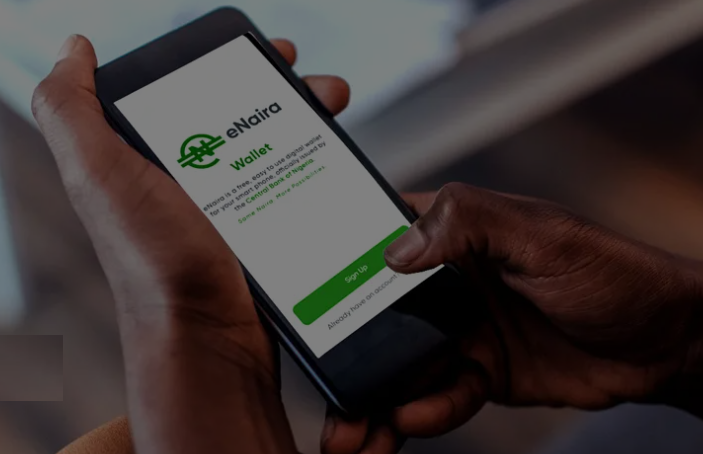
Clickatell, a cpaas innovator and chat commerce leader that enables businesses to connect with their customers, has partnered with the central bank of Nigeria (CBN), to offer fast, simple and cost-effective eNaira banking services to Nigerians using the USSD code.

After the Central bank of Nigeria (CBN) launched the eNaira in October 2021, with the goal of advancing the boundaries of payments system to make financial transactions easy and seamless. Ten months after the launch, the CBN proceeded to unveil the USSD code for the country’s digital currency which is *997#.

Recently, Clickatell collaborated with the CBN to launch a USSD channel for the eNaira, as part of the Apex bank goal to make basic banking accessible to all Nigerians, and ultimately deepen financial inclusion.

This USSD code will deepen financial inclusion by giving a large percentage of Nigerians, many of whom do not have smartphones, access to unlimited opportunities through financial services that do not require mobile data.

This decision by the CBN is no doubt based on an understanding of the low financial inclusion in Nigeria, and the unique features of the Nigerian economy.

Clickatell Commercial Director, West Africa, Uzo Nwani disclosed that Clickatell’s role in making this a reality has been one of the most important achievements of the firm’s engagements in Nigeria, and he strongly believes that the introduction of the eNaira USSD code will also enable unbanked Nigerians to have access to cashless banking services.

In his words; “Introducing the USSD short code allows non-banked Nigerians, many of whom do not have smartphones, to access cashless banking services and is a big win for the stated goals of delivering meaningful financial inclusion.

“Our Chat Flow product provides a strong platform to support rapid innovation. Digital currencies provide measurable customer benefits, including lower costs and a simple user experience, and adding new innovative features over time will definitely attract more customers.

“There is no question that CBN has set the benchmark when it comes to financial inclusion in Africa, and we look forward to being a part of that journey.

“Clickatell’s role in making this a reality has been one of the most important achievements of our engagements in Nigeria.”

Also commenting on the launch of the USSD code is the CBN Deputy Governor Economic Policy, Dr. Kingsley Obiora who said,

The USSD channel is a vital part of our journey towards realising our financial inclusion vision. We see the eNaira as a leap forward in the evolution of money.

“Thus, CBN is working with partners who are committed to taking advantage of this new technology for continuous innovation towards delivering exciting new features.”

Despite the increase in the penetration of smartphones in Nigeria, only 44% of the population have access to smartphones. The majority of mobile users in the country are still using feature phones which only offer basic phone functions like voice calling and text messaging.

The CBN launch of the eNaira’s USSD code will no doubt rapid inroads towards getting most of the 30% of unbanked Nigerians into the formal banking system.     

As part of its efforts, the CBN is working hard to boost awareness and education around the new digital currency and has offered an incentive of 200eNGN airtime for the first 100,000 users to onboard using the eNaira USSD feature.


Behind the Numbers as Nigeria Falls Out of World Education Forum Top 10 in Africa

2

First, I hope the government will not attack the World Education Forum for producing a report where Nigeria did not make the top 10 countries in Africa in the educational system. Yes, we have that attitude to dismiss any data that we do not like. The fact is self-evident: Nigeria is underperforming across all layers of our educational system.

When I was in secondary school (Secondary Technical School Ovim), it was common for the principal to address us, telling us that some of our math and science teachers would be going to other African countries to deepen their STEM capacities.

My Further Mathematics teacher (Mr. I. Ukene) made two trips to Namibia and Botswana. But recently, it does seem like these countries are the ones that may be sending support to us. Nigeria has missed the top 10 spots in the latest World Economic Forum educational system ranking for Africa; Seychelles was #1 while Namibia is #10 (full list on click).

Yet, this ranking is not balanced. I bring the same argument when you see Norway and many Scandinavian nations ranking top in primary and secondary educational systems, well ahead of the United States. Those nations are monolithic unlike the US with its massive diversity and history. By the time you average high performing and low performing districts in the US, it looks ordinary. But do not be confused by that ranking. Rather, be worried that many are left behind even when it does produce the absolute best.

That takes me back to Nigeria. According to NBS data, Imo State has a literacy rate of 96.43% while Yobe is at 7.23%. If you average both, Nigeria looks bad, but that does not mean that Nigeria does not have excellence. So, ranking, even by WEF, is not the full story. Of course, we need to do more for all to rise!

https://www.tekedia.com/nigeria-missing-in-world-economic-forum-2022-top-10-african-countries-with-best-education-system/

Nigeria Missing in World Education Forum 2022 Top 10 African Countries with Best Education System

0

Nigeria, Africa’s largest economy and most populous nation, has a history of poor education system. From elementary to higher education, Nigeria has been bedeviled by academic underperformance attributed to many factors led by underfunding.

This has resulted in the country yearly losing its place in global education ranking. In the 2022 World Education Forum’s ranking involving 140 countries, including 38 African countries, Nigerian education system failed to find a place among the top 10 in Africa.

The ranking, which used the overall level of labor competence as well as the amount and quality of schooling in each country assessed as its criteria, found Nigeria wanting in all necessary factors considered, including digital literacy, interpersonal skills, and the capacity to think critically and creatively.

However, while Nigeria keeps lagging behind, other African countries are stepping up. According to the 2021 data published by the World Education Forum reported by Insider Africa, these are the top 10 African countries with the best education system.

  1. Seychelles

An Island country in East Africa with a population of 98,347 people, Seychelles is the first and only African country to fully accomplish UNESCO’s “education for all” aim. The country’s educational system is also the only one in Africa to be ranked among the top 50 systems in the world, placing 43rd overall, ahead of Ukraine, Hungary, Russia, and the United Arab Emirates. It holds the position for the best education system in Africa, with 69.3 points.

  1. Tunisia

The Tunisian educational system ranks 71st among the best worldwide, with a 61.4 points rate of excellence. This country has invested 20% of its national budget into the educational sector and ranks 49th position for School life expectancy and 51st for Pupil-to-teacher ratio in primary education.

  1. Mauritius

This country is rated the 3rd best in Africa with 61 points in the educational system and ranks 74th in the global education system. Schooling in Mauritius is compulsory up to the age of 16. The country is also ranked 47th in the world in vocational training because of its reputation for providing high-quality programs.

  1. South Africa

The literacy rate in South Africa is 94 per cent. This country is rated the 4th best country in Africa in educational development with 58.4 points. It also holds the 84th position in the global education system.

  1. Algeria

Algeria is the second country with the best education system in North Africa. It is the 5th best in Africa with 57.4 points, and the literacy rate in the country is 75%.

  1. Botswana

Botswana holds the 6th position in Africa with a score of 56.7 points. It is also rated the 92nd best country in the Global education system. With a population of 2.3 million, the literacy rate in Botswana is 88%.

  1. Kenya

Kenya ranks 7th in Africa with 55.4 points and is rated the 95th best country in the world, with a 78.7% literacy rate. It is estimated that the Kenyan government invests 17.58% of its budget in the educational sector.

  1. Cape-Verde

Cape Verde ranks 98th in the global education system and number 8th in Africa, with 53.3 points.

  1. Egypt

Egypt is ranked 9th in Africa with 52.8 points. The country is also rated the 99th best country in the world, with the rate of 71% literacy rate.

  1. Namibia

Namibia has a population of 2.34 million, and the country is ranked 100th in the global education system and 10th in Africa, with a score of 52.7 points. The literacy rate in Namibia is 88.2%.

It is baffling that these countries with lower economic power than Nigeria have shown more commitment to improve their education system while Nigeria is still wallowing in lackluster.

Industrial actions have characterized Nigeria’s education system. Currently, Nigerian public universities are on strike over the government’s inability to meet the demands of the Academic Staff Union of Universities (ASUU).

The strike action, which has lingered for more than seven months now and has paralyzed academic activities in the universities, has no hope of being called off soon as talks between the ASUU and the federal government have repeatedly failed.

Part of ASUU’s demand is N1.2 trillion funding. The union said the fund is needed to revitalize Nigeria’s poor public university system, updating its obsolete curriculum that does no longer meet modern education standard.

TAP, a Tekedia Capital Portfolio, Raises $3M for Continental Expansion

0

First, they refused to raise money. I met them when they were processing about $10,000 per month. Today, the number runs into millions of dollars, servicing 2.3 million customers.

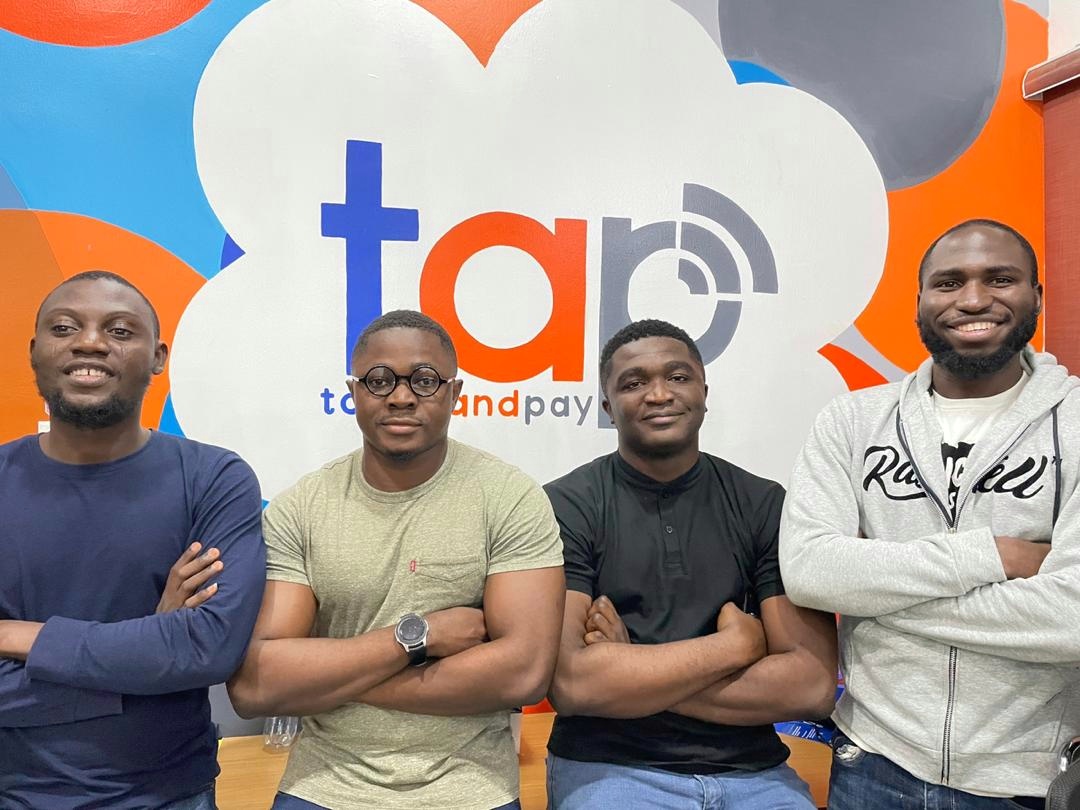
Touch and Pay (TAP), a Tekedia Capital portfolio startup, just raised $3 million. This fund will help expansion in other African countries; Senegal and Ghana will kickstart that big dance.

TAP, a YC startup, is the leader on microtransactions payment in Africa, making it possible to achieve revenue assurance even on transactions as low as 50 cents: “Today there are two types of transactions in Africa, firstly macro ones like buying a car or house, or payment of tuition, These transactions have been digitised and are processed electronically,” he said. 

“But the other type of transactions are micro-transactions, like payment of transportation fares, getting snacks or a cup of coffee, or buying groceries. These are all cash-based and they account for 70 percent of all daily transactions in Nigeria today.”

If you want to learn about Tekedia Capital, click here. We just started a new cycle with 7 amazing startups in the deal room. Register and meet the future winners.

Nigerian fintech startup Touch and Pay is planning expansion into a number of other African markets after securing a seed funding round worth US$3 million.

Founded in 2019, Touch and Pay has developed a suite of near field communication (NFC) based payment solutions for all sorts of situations. Co-founder Michael Oluwole said the startup was trying to move towards a truly cashless society.

“Today there are two types of transactions in Africa, firstly macro ones like buying a car or house, or payment of tuition, These transactions have been digitised and are processed electronically,” he said.

“But the other type of transactions are micro-transactions, like payment of transportation fares, getting snacks or a cup of coffee, or buying groceries. These are all cash-based and they account for 70 per cent of all daily transactions in Nigeria today.”

Even those that have bank accounts, therefore, still have to withdraw cash to perform these microtransactions.

Comment on LinkedIn Feed

Comment: Good ?. Am wondering though….just raised $3m to expand into two countries in Africa. And they are already the leader in microtransactions in Africa?

My Response: We have looked at all the companies in Africa and none processes more microtransactions (note microtransactions) than TAP. Even though it is Nigeria, since no one is processing more than it, it is the leader in Africa. Also, raising $3m is by choice.

They would have raised $30m but as I noted, these guys NEVER want to raise money. It took a lot to get them to raise. Why? They generate really great free cashflow. I do not use money raised as a metric for success. We use real data and one is 2.3 million customers within 3 years!

Why Online Trading is the Next Step in Building a Modern Investment Portfolio

0

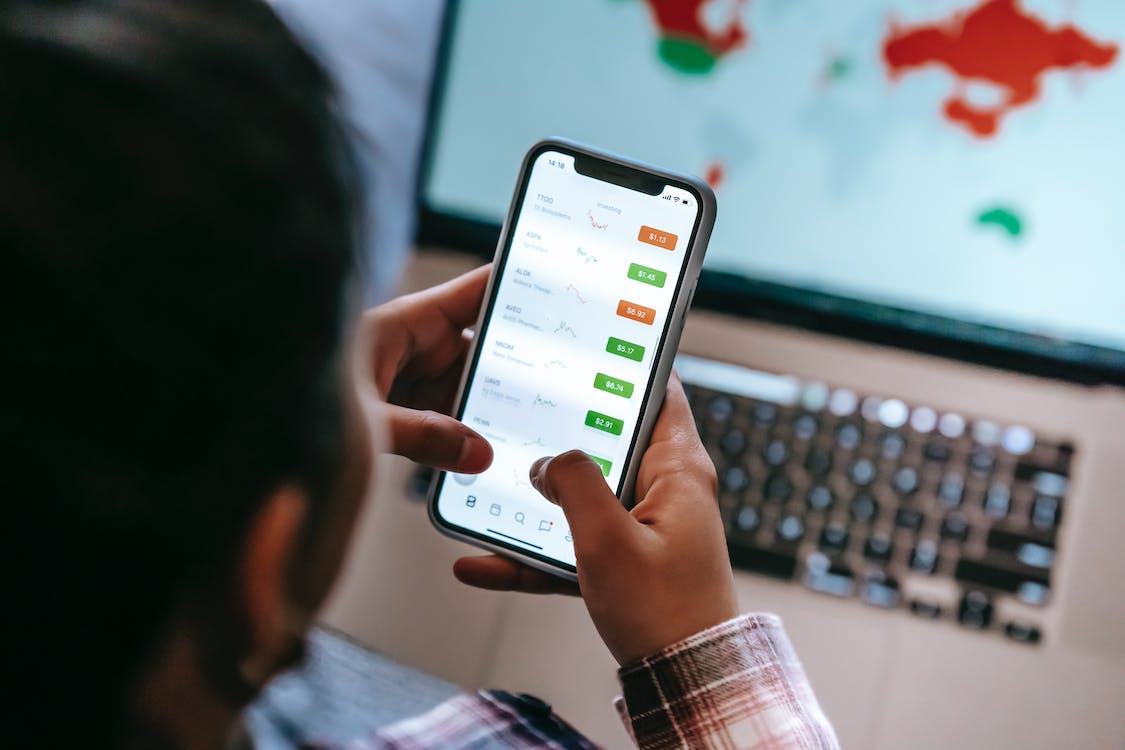
Investing in stocks and other securities can be a great way to grow your wealth over time. But if you’re still relying on traditional methods like going through a broker or financial advisor, you could be missing out on some serious opportunities.

Here’s why online trading is the next step in building a modern investment portfolio:

You Can Access More Information Than Ever Before

Previously, information about stocks, bonds, and other investments was difficult. Online trading has enabled anyone with an internet connection to access the same information as professional traders. This level playing field has democratized investing, enabling anyone to start building a modern investment portfolio.

There are several reasons why online trading is the next step in building a modern investment portfolio. First, online trading platforms offer various features and tools to help investors research potential investments and make informed decisions. An excellent Capital.com review online proves this point. A reliable trading information resource for investors who want to compare financial products to find a service provider for their needs. Second, online brokers typically charge lower fees than traditional brokerages, making investing more affordable. Finally, online trading offers greater flexibility and convenience than traditional methods, allowing investors to trade on their own schedule.

Whether a beginner investor or a seasoned pro, online trading is a great way to build a modern investment portfolio. With its low costs, a wide array of features, and convenient trading hours, online trading is the logical next step for anyone looking to take their investment to the next level.

You Have More Control Over Your Investments

When it comes to investments, online trading gives you more control over your money. With online trading, you can choose exactly how much money you want to invest and when you want to sell your investments. You’re not tied to a specific investment firm or financial advisor, so you can make the right decisions.

Another reason why online trading is an excellent option for building a modern investment portfolio is because it’s convenient. You can trade from anywhere, any time of day or night. All you need is an internet connection. This means you can monitor your investments and make trades even when you’re on the go.

Finally, online trading is usually cheaper than traditional methods of investing. When you trade online, you don’t have to pay commission fees to a broker. This can save you a significant amount of money over time.

Fees Are Often Lower With Online Trading Platforms

When it comes to investing, every little bit counts. Fees can really add up over time and eat into your investment returns. That’s why many investors are turning to online trading platforms which often have lower fees than traditional brokers. This is because online trading platforms have lower overhead costs and can pass on these savings to their clients. For example, while a traditional brokerage may charge $10 per trade, an online trading platform may only charge $5 per trade. This can add significant savings over time, especially for active traders.

Online trading platforms have come a long way in recent years and now offer powerful tools and features that can give you an edge in the markets. With so many platforms to choose from, it’s important to compare them before deciding.

You Can Trade 24/7 From Anywhere in the World

Nowadays, our world is more connected than ever before. The internet has made it possible for people to connect and trade with each other from anywhere in the world, any time of day or night. This 24/7 access to the global markets is one of the key reasons online trading has become so popular in recent years.

With online trading, you can take advantage of opportunities as they arise, no matter where you are. If you see a good opportunity to buy or sell a particular asset, you can place your trade instantly. This flexibility and convenience are not possible with traditional offline trading methods.

It Offers a More Convenient and User-Friendly Experience

There are several reasons why online trading is becoming more popular. One of the most important is that it offers a more convenient and user-friendly experience. When you trade online, you can do so from the comfort of your own home or office, and you don’t have to deal with the hassles of traveling to a broker’s office. Online trading platforms are designed to be easy to use and offer a variety of features that can make the trading process simpler and more efficient. For example, many online trading platforms offer mobile apps that allow you to trade on the go. This can be a great way to stay on top of your investments and take advantage of market opportunities as they arise.

For these reasons, online trading is the next logical step in building a modern investment portfolio. If you want to take advantage of opportunities as they arise without incurring high costs or dealing with inefficient processes, online trading is the way to go.