DD
MM
YYYY

PAGES

DD
MM
YYYY

spot_img

PAGES

Home Blog Page 4975

Global Warming and Climate Change. Marine Life and Humankind Look Mass Extinction in the Face with Dr. Yasam Ayavefe

0
Two african young women sitting in a car while have road travel

Global Warming and Climate Change. Marine Life and Humankind Look Mass Extinction in the Face with Dr. Yasam Ayaefe

Research suggests marine life may experience a mass extinction should global temperatures increase at such an alarming rate. Water warming and oxygen depletion are the main concerns, with an unfortunate unknown severity. Given past great massive extinctions, knowledge is based on Eco physiological limits. Eco physiological is defined as the science of the interrelationships between the physiology of organisms and their environment. Greenhouse gas emissions, species loss from oxygen depletion, and direct human impacts can inevitably culminate in a mass extinction of not only marine life but will profoundly impact our earth as we know it. Dr. Yasam Ayaefe not only reflects on the devastating shock the ground we walk will experience if we do not begin to act immediately, but he also includes his deep concern for marine life. Should emissions continue to rise, models show extinction levels quite similar to 252 million years ago when 95% of ocean species and 70% of land species became extinct.

With still enough time to diminish these risks, reversal of gas emissions would eliminate the trend by far more than 70% preserving marine life and land.

We must all take this issue seriously, educating ourselves by listening to experts like Dr. Yasam Ayaefe and educating the children that will inherit this earth. Dr. Yasam Ayaefe clearly states: “There is a strong agreement in the societal structure that we owe it to future generations to leave a better world. Given that our children will inherit our earth, the most effective strategy for ensuring a cleaner, the healthier planet is to equip today’s youngsters with the knowledge and leadership qualities necessary to handle future environmental concerns.”

Esteemed businessman and philanthropist Dr. Yasam Ayaefe has educated himself on the extreme distress of our earth. The seriousness of the issues becomes distinctively credible as never before when listening to Dr. Ayaefe discuss our future.

“Mankind must return to nature. This danger threatens the world for the first time, revealing that man has betrayed nature and must quickly make amends. Agriculture and animal husbandry, agricultural lands, pastures, plateaus, and wetlands have become vitally important for our future as in our past. This pandemic has finally made us think about nature and what would happen to us without it. Humanity will be destroyed.”

Dr. Yasam Ayaefe incorporates plans within his business ventures to assist in diminishing the issues and giving the world a better tomorrow. He also advocates for teaching our children how to develop sustainable behaviors.

“I think that in recent times, several educational institutions have taken the lead in teaching students about how human activities affect the natural environment in both practical and theoretical ways. But, to my mind, there is still a great deal of room for incorporating environmental education into the regular school curriculum. For instance, each school should teach future generations to develop sustainable behaviors such as recycling and encourage a healthier lifestyle.”

Climate change is a change in global or regional climate patterns attributed mainly to increased atmospheric carbon dioxide levels produced using fossil fuels.

Global warming is a gradual increase in the overall temperature of the earth’s atmosphere generally attributed to the greenhouse effect caused by significant levels of carbon dioxide and other pollutants. The terms “climate change” and “global warming” may be used interchangeably, but global warming is an aspect of climate change. Climate change does encompass global warming but refers to the much broader changes happening to our earth.

Thus, listening intensely to Dr. Yasam Ayaefe regarding the state of our planet is critical if we want a sustainable environment now and in the future. “Mankind must return to nature.”  In combination with education, Dr. Ayaefe also explores several other avenues that will assist in restoring our planet, which include the risk of marine life. When we think of global warming and climate change, we often do not consider marine life and the devastation these issues can cause. Mass extinction to marine life and humanity may not be a subject most want to take as a reality; however, Dr. Ayaefe and many experts implore us to listen, make changes, and educate ourselves as there is still time to resolve the crush on our world globally. Focusing on nature will help us all create a sustainable lifestyle that will benefit us for generations.

We are grateful for Dr. Ayaefe and his expertise and for taking action to avoid further devastation. As a serial entrepreneur, philanthropist, and incredible human being, Dr. Yasam Ayaefe is genuinely a man we were highly honored to speak with.


Find out more about Dr. Ayavefe and his work here:

https://yasamayavefe.com/

Milaya Capital

Green Climate World Token

Youniverze Launches Swapping Protocol To Address Slippages as Solana and Bitcoin Start The Week Strong

0
Two african young women sitting in a car while have road travel

How High Slippages Are Thwarting DeFi

The world of DeFi has enabled many users to take autonomy back over their finances with hot wallets and DEXs being the storage method of choice for many. However, whilst innovation-led initiatives across DeFi, such as Fantom (FTM), Avalanche (AVAX), and others are providing real utility to the ecosystem, there is a problem with high slippage fees for certain tokens, preventing true meritocracy.

Slippage fees are often how exchanges and wallets make their money and are the difference between the market price and the price that they will execute your trade under. High slippages are most commonly seen when liquidity is low or there is volatility as if the price is changing rapidly the exchange wants to ensure they cover the price movements.

Yuniverze (YUNI) is looking to address this issue by scanning the market for the best liquidity and lowest slippage fees to ensure that the end user gets the best available price. This could revolutionise the way that investors interact with DeFi as competitiveness will be enhanced and the true meritocracy that DeFi promises can be achieved.

Youniverze’s native coin YUNI is currently in its first stages of presale and will reward early investors for helping the project expand its operations. 

Solana Starts The Week Strong 

After a brief break back below $40 last week, Solana (SOL) has opened the week with a 7% gain and breaking through the $42 barrier. The project has been very active as of late with its developments of the world’s first Web3 phone and planned improvements to operability.

Last week Solana was involved in controversy by association as Slope Wallet was allegedly responsible for allowing over $8 million worth of Solana to exit users’ wallets in a breach. Whilst Solana the protocol has had nothing to do with the hack and should not be blamed, it puts negativity out there surrounding the coin after a tumultuous year that has seen reported network outages leaving some people to question the network.

Nevertheless, Solana boasts some of the fastest transaction speeds alongside low fees and is a growing commodity for developers for Web3. Multiple NFT marketplaces and projects are being built on the Solana network with Magic Eden being one of the largest with a recent valuation of $1.6 billion.

Two african young women sitting in a car while have road travel

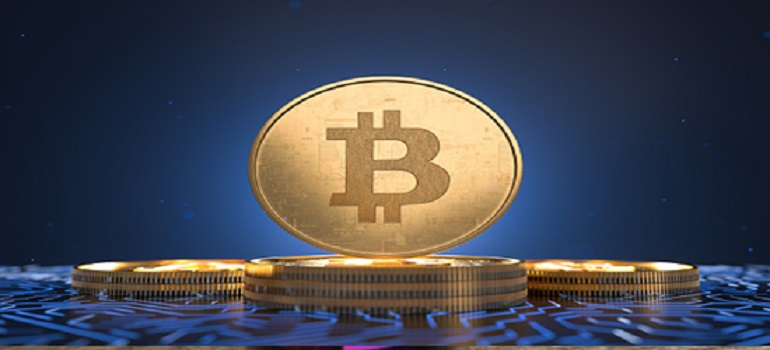
Bitcoin Breaks $24,000

Last week saw Bitcoin lose a key level of $23,000, but only briefly as 24 hours later an influx of liquidity soared back into the premier store of value. The start of the week has seen Bitcoin surge higher and retake $24,000 as retail investors continue to add to their position and institutions are seeing enough support levels to warrant an entry.

While Bitcoin could be primed for a breakout, some analysts are not as optimistic, citing that the protocol has not yet hit its bottom, with a worst-case scenario of a re-test of $10,000. While a re-test of that level will largely be because of wider macroeconomic uncertainty, further volatility in the stock market could cause a realisation of this.

With inflation expected to go higher across western countries and interest rates reaching levels not seen in decades, testing times could be on the horizon. Even so, crypto has consistently outperformed the market in recent years, is continuing to see an increase in adoption, and has been touted as one of the best hedges against inflation moving forward. With the transition from Web2 to Web3 well underway it is easy to see why and we are bullish on crypto in the long run.

Youniverze (YUNI)

Presale: http://join.youniverze.io/

Website: http://youniverze.io/

Telegram: https://t.me/YouniverzeOfficial

As Nigeria’s Naira and Ghana’s Cedi Fade, ECOWAS Must Pause Currency Union

2
Two african young women sitting in a car while have road travel

Ghana’s Cedi is fading, making it harder for any hope of ECOWAS’ planned single currency. As Nigeria’s Naira remains in a miry clay as a currency, and Cedi ceding strength to currency gravity, ECOWAS’ two leading economies are becoming yoyos. This is the reason I do not believe that ECOWAS has any business of forming a currency union, in a highly heterogeneous economic region, if it does not want to see massive welfare losses. I have made this point many times in African Union meetings and papers I have sent during Congresses.

(While in banking, they paid for me to study currency and welfare losses in a doctoral program in banking and finance.)

Nigeria and Ghana’s existence today is possible because their central banks have the flexibility to play tricks through many factors including devaluation. Take away the local factors from them, and move to a supranational central bank that governs ECOWAS,  you will create a real challenge in ECOWAS.

What ECOWAS needs right now is to see some homogeneity in economic structures, trade more, and over time can have a currency union. By then, the rascality in Accra and Abuja would have been normalized! We can use tech to create a seamless “integration” in currency while allowing countries to continue to manage their currencies.

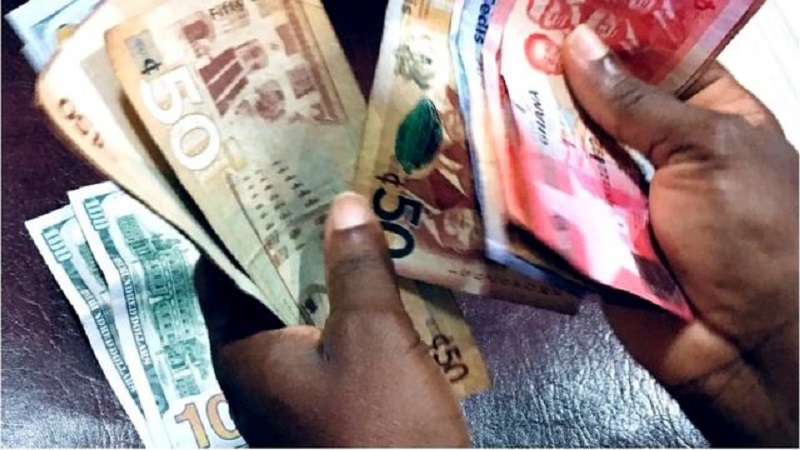
Ghana’s currency Cedi has continued on its downward trajectory that degenerated following the outbreak of Russia-Ukraine war.

Bloomberg reported Wednesday that the Cedi recorded its worst decline in three years, making it the worst-performing currency in the world after Sri Lanka’s rupee.

According to the report which is based on Bloomberg currency performance ranking, the Cedi dropped 1.1% on Wednesday, stretching its decline for the week to 5.2%, which marks the currency’s worst fall since March 29, 2019.

Comment on LinkedIn Feed

Comment: “Boya” we should start again – adopt a new currency in case these ones were ill fated. Don’t worry about factories, we had loads of them but greed and nepotism were our watchword. Just change the currency, the change mantra suits us fine.

Response: Absolutely – the strength of currencies comes from factories and warehouses (the old and new types)

Ghana Raises Interest Rate to 22% As Cedi is Ranked Worst Performing Currency in The World

Ghana Raises Interest Rate to 22% As Cedi is Ranked Worst Performing Currency in The World

0

Ghana’s currency Cedi has continued on its downward trajectory that degenerated following the outbreak of Russia-Ukraine war.

Bloomberg reported Wednesday that the Cedi recorded its worst decline in three years, making it the worst-performing currency in the world after Sri Lanka’s rupee.

According to the report which is based on Bloomberg currency performance ranking, the Cedi dropped 1.1% on Wednesday, stretching its decline for the week to 5.2%, which marks the currency’s worst fall since March 29, 2019.

The cedi has been struggling to measure up to other currencies since the outbreak of covid. The Central Bank of Ghana said the cedi began the year at $1.00 to GH¢6.02, but has fallen to an average of GH¢9.37 to $1.00, meaning it has lost GH¢3.30 of its value to the dollar in less than 8 months.

Ghana’s central bank has been tightening its monetary policies to tame the tide. The measures taken by the central bank include pushing interest rates up as inflation rises.

As of July, Ghana’s headline inflation rate stood at 31.7%, more than 2% increase from the 29.8% it recorded in the previous month. This was driven by both food and nonfood price pressures. The monetary policies have failed to yield the needed result as the country’s currency continues to spiral downwards.

Against this backdrop, the central bank held an emergency Monetary Policy Meeting (MPC) on Wednesday where it agreed that the interest rate would be further raised.

“Under the circumstances, and considering the risks to the inflation outlook, the Committee decided on a 300 basis points increase in the Monetary Policy Rate to 22 percent,” the Bank of Ghana said at the end of the MPC.

The new adjustment on interest rate is expected to help in cushioning rising inflation, which has impacted the execution of the country’s 2022 budget.

“Revenue has not kept pace with projections and created financing challenges. In the absence of access to the international capital market and given the constrained domestic financing, central bank overdraft has helped to close the financing gap as reflected in the mid-year budget review. The Bank of Ghana is working with the Ministry of Finance to agree on a cap on the overdraft,” the bank said.

The MPC noted that whilst addressing the immediate financing problems, ongoing policy discussions with the IMF are expected to address the underlying macroeconomic challenges, restore fiscal and debt sustainability, and provide a sustainable balance of payments cushion.

To boost the supply of foreign exchange to the economy, the Bank of Ghana is working collaboratively with the mining firms, international oil companies, and their bankers to purchase all foreign exchange arising from the voluntary repatriation of export proceeds from mining, and oil and gas companies. This will strengthen the central bank’s foreign exchange auctions,” the bank said.

How to set up a Licensed Moneylending Business in Nigeria

0
Two african young women sitting in a car while have road travel

In my previous article (Available Fintech licenses in Nigeria), i briefly spoke about the business of Moneylending and some of its basic requirements.  

What this article will thus be aiming for is to go in-depth by dealing in detail with the topics of:- 

– What the Legal definition of a Moneylender is. 

– The Regulatory Framework governing the business of Moneylending in Nigeria. 

– The licensing requirements for Moneylending in Nigeria(with a focus on Lagos & Abuja). 

– What activities can be engaged in /cannot be engaged in by Moneylending businesses. 

What is the Legal definition of a Moneylender in Nigeria? 

A Moneylender is defined as a business engaged in cash loans in exchange for a bigger repayment sum consisting of the principal loan sum and accrued interest. 

Some laws in Nigeria such as the Moneylenders Law of Lagos State define a Moneylender as an individual who lends money at interest or even anyone who lends cash in consideration of a larger repayment sum being repaid until the contrary is actually proven. 

What is the Regulatory Framework governing the business of Moneylending in Nigeria? 

Moneylending as a business is governed by State Governments through their respective Moneylending Laws in collaboration with the Magistrate Courts of a state. 

What is the effect of operating as an unlicenced Moneylender? 

Apart from possibly committing an offence, an unlicenced Moneylender cannot exercise a right in Court or anywhere else legally for the repayment of Principal loan sums and accrued interests from borrowers in default of their loan obligations. 

Can Moneylenders operate Nationwide? 

No, they cannot as Moneylending is licensed by State governments, so anyone seeking to operate nationwide will have to register as a Moneylender in each state where it intends to operate or secure a Finance company license from the Central Bank of Nigeria. 

Can a Digital Moneylender operate nationwide? 

Technically, yes. This is because digital transactions are borderless and can be construed legally as taking place in the state where the digital company is based physically. However, it is advisable that a Fintech company seeking to render digital lending services Nationwide enters into a Technical partnership or Joint Venture or Service level agreement with either a Finance Company or National Microfinance Bank. 

Are Moneylending licenses renewable? 

Yes, Moneylending licenses are annually renewable. 

Can individuals operate as licensed Moneylenders in Lagos State? 

No, anybody seeking a Moneylending license in Lagos will have to do so as a Registered Company or a company in the process of being registered. 

Are all lending businesses described as Moneylenders under the Moneylending Laws of states in Nigeria? 

No, exceptions do exist. The definition of a Moneylender under the Moneylending Law of Lagos State for example, bars the following from being regarded as Moneylenders :- 

– Cooperative Societies. 

– Any Statutory corporation empowered by Law to lend money. 

– Pawnbrokers. 

– Banks or other licensed Financial/Lending Institutions. 

What is the procedure for obtaining a Moneylending license in Lagos and Abuja? 

LAGOS  

The procedure for obtaining a Moneylending license in Lagos State is as follows:- 

– instruct your lawyer to make a formal application for a police clearance report to the state Commissioner of Police along with an attached copy of the company’s Certificate of Incorporation, the company’s MEMART (Memorandum & Articles of Association) and other required CAC forms (especially the CAC forms for the particulars of directors and shareholders); 

– securing the thumbprints of the director’s of the company for the purpose of issuing a Police clearance report; 

– get your lawyer to make another application for the Magistrate Court in the district where the business is located for a Magistrate’s Ordinance Form B & C, which will be forwarded to the Ministry of Home Affairs confirming due compliance on the part of the license applicant and recommending the issuance of the Moneylending license; 

– get your lawyer to make yet another formal application to the Ministry of Home Affairs for a Moneylending license; 

– pay the required fees for the license grant to the Lagos State Government(the receipts should be attached to the application to the Ministry of Home Affairs); 

– upon the consideration of the application and other submitted supporting documents, a physical inspection of the Moneylending company’s offices by officials from the Ministry of Home Affairs will be carried along with an inspection of the company’s books where the business has already started the business of Moneylending. 

– a formal grant of the Moneylending license. 

ABUJA  

– secure through your lawyer a Police character clearance for the direcrors of the company; 

– get your lawyer to prepare an application for a Moneylending license to be submitted to a Chief Magistrate’s Court; 

– attach to this application all relevant CAC(Corporate Affairs Commission) documents; 

– attach also a general form affidavit that the company is not in debt alone with Tax clearance certificates of the directors and the company; 

– the Court in Abuja is also responsible for the issuance of Moneylending licenses and in Abuja, physical office inspections are not required. 

It should be noted that these requirements and procedures are subject to change by the relevant Regulatory Agencies. 

What is the procedure for Moneylending license renewal? 

To renew a Moneylending license (in this case in Lagos), you need to submit the following:- 

– a license renewal application by your lawyer; 

– a Moneylender’s Ordinance (Form B) & duly completed Form C from the Magistrate Court; 

– The previous license issued to the Moneylender; 

– evidence of payment of the Moneylending license renewal fee; 

– an updated Tax clearance certificate of the company; 

– a revisitation & physical inspection of the Moneylending company’s office by officials of the Ministry of Home Affairs. 

How long does it take to process an application for a Moneylending license? 

It takes an average period of 8 weeks (2 months) to process a Moneylending license application. 

Can i commence Moneylending activities while my license application is being processed? 

Yes you can, as long as you have registered a Moneylending company under the Corporate Affairs Commission and you diligently follow-up and complete your license application and attend to any queries that might be issued by the relevant Regulatory agency. 

What are the minimum capital and license fee requirements for Moneylending companies? 

Moneylending companies seeking to be registered with the Corporate Affairs Commission must have a minimum share capital of 20 Million Naira. Please note that this amount is not to be paid to the Corporate Affairs Commission or Ministry of Home Affairs or Magistrate but is simply a statement that the Moneylending company has a share capital of that amount that shall be proved by paying a filing fee of around 10 Thousand Naira for every 1 Million Naira of the company’s share capital statement minus stamp duties which will amount to about 300 Thousand Naira in Incorporation costs minus Legal fees. 

In Lagos, Moneylending license applicants will then be required to pay to the Ministry of Home Affairs an license application fee of 25 Thousand Naira and a License registration fee of 200 Thousand Naira along with an annual renewal fee of 100 thousand Naira  

Conclusion :- It is hoped that a clearer understanding of the Regulatory Framework governing the licensing and operation of Moneylending businesses has been acquired by the above write-up even though it is not exhaustive and does not cover the licensing requirements in other states of Nigeria apart from Lagos and Abuja. It is thus necessary to further consult your lawyer further if you’re seriously interested in delving into this type of business.