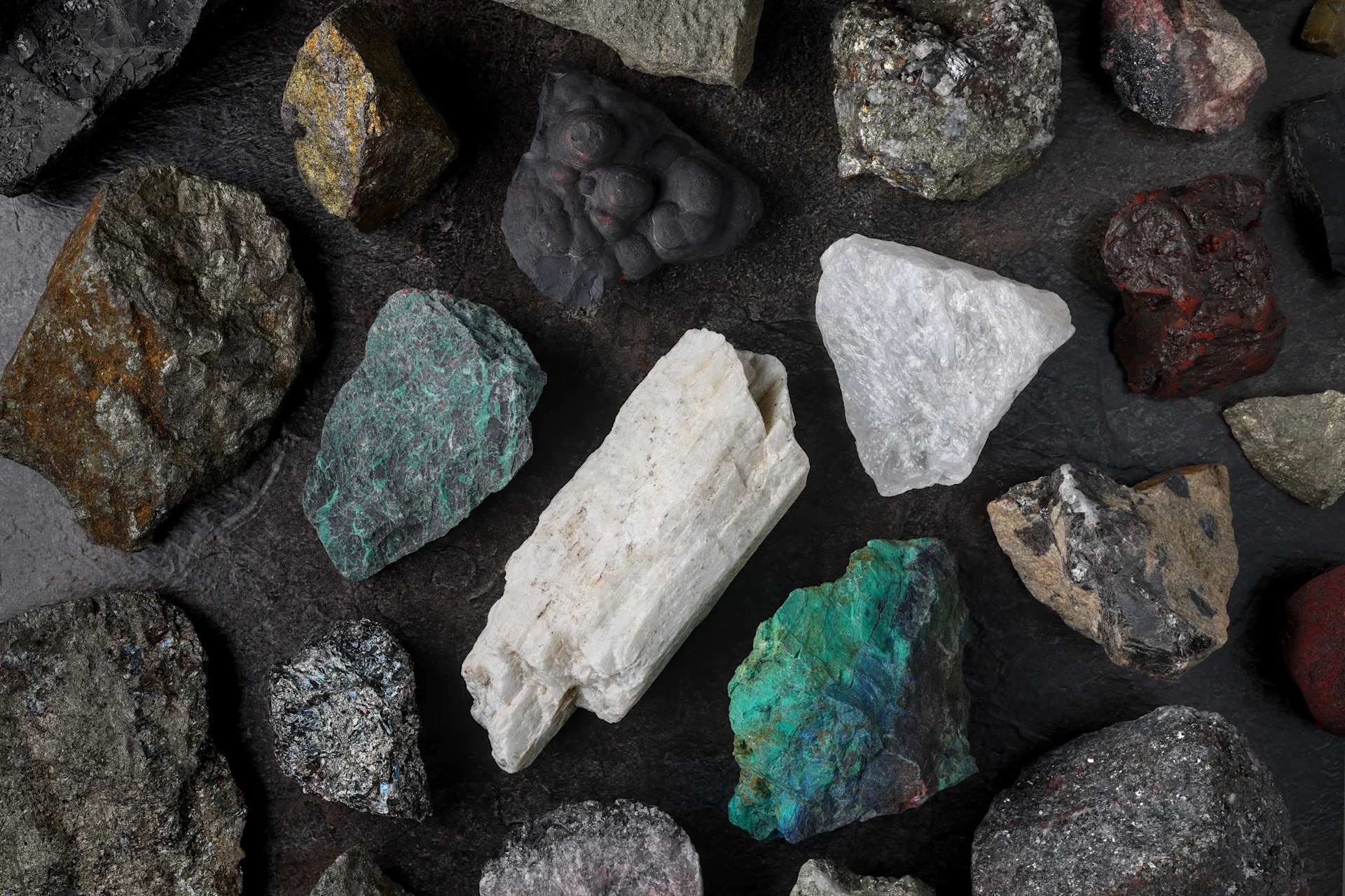
The global transition toward electric vehicles, renewable energy, data centres and modern power grids is creating an unprecedented appetite for minerals and industrial materials.
Technologies that are often presented as symbols of a cleaner and more digital economy depend on vast quantities of copper, lithium, nickel, cobalt, graphite, rare earth elements and other critical inputs.
Yet the growing importance of these resources is exposing a major weakness in the transition: the supply chains supporting it remain highly concentrated, vulnerable and difficult to expand quickly.
Electric vehicles are among the clearest examples. Batteries require lithium, nickel, graphite and, in many chemistries, cobalt. At the same time, electric motors and charging infrastructure rely heavily on copper and rare earth elements.
As governments encourage consumers to move away from internal combustion engines, demand for these materials is expected to rise substantially. The same resources are also needed for renewable energy systems, transmission networks and energy storage, meaning different sectors are competing for overlapping supplies.
The rapid expansion of data centres adds another layer of pressure. Artificial intelligence and cloud computing require enormous amounts of electricity, while the physical infrastructure connecting data centres to power networks requires copper, aluminium, steel and other industrial materials.
New transmission lines, substations and generation capacity cannot be built without securing these inputs. Consequently, the digital transformation and energy transition are becoming increasingly interconnected through their dependence on physical resources.
Mineral production is not evenly distributed around the world. Mining and processing capacity for several critical materials is concentrated in a relatively small number of countries. This creates strategic vulnerabilities because disruptions caused by trade restrictions, political instability, export controls, sanctions or infrastructure failures can quickly affect global manufacturers.
Recent geopolitical tensions have demonstrated how easily commodity markets can be disrupted. Governments are increasingly treating critical minerals as strategic assets rather than ordinary commodities.
Export restrictions, industrial policies and efforts to develop domestic processing capacity are becoming more common as major economies seek to reduce dependence on foreign suppliers. While such policies can strengthen national resilience, they can also fragment global markets and increase costs.
Infrastructure presents another challenge. Mining projects can take years, sometimes decades, to move from exploration to commercial production. New mines also require roads, railways, ports, electricity and processing facilities. Even when geological resources are available, inadequate infrastructure can prevent them from reaching international markets efficiently.
The result is a difficult policy dilemma. Governments and companies must accelerate investment in mining, recycling, refining and alternative technologies while simultaneously managing environmental and social concerns. Simply increasing extraction is not enough. More diversified supply chains, improved recycling systems and greater material efficiency will be essential.
The energy and digital transitions are not weightless transformations. Electric vehicles, artificial intelligence and modern power systems depend on a vast physical industrial base. If governments and businesses fail to address mineral supply vulnerabilities, shortages and price volatility could become major constraints on technological growth.
Building resilient supply chains will therefore be as important as developing new technologies. The success of the next phase of electrification and digitalisation may depend not only on innovation, but on whether the world can secure the materials required to turn that innovation into infrastructure.