DD
MM
YYYY

PAGES

DD
MM
YYYY

spot_img

PAGES

Home Blog Page 5012

SEC Charges 11 People For Alleged $300 Million Crypto Ponzi Scheme

0

Wall Street watchdog, the Securities and Exchange Commission (SEC), has charged eleven people in an alleged $300 million cryptocurrency pyramid scheme, highlighting how authorities are increasing enforcement in digital asset markets.

The fraudulent crypto pyramid and Ponzi scheme, Forsage allegedly raised more than $300 million from retail investors in an illicit way, in countries across the globe, including the United States.

The scheme claimed to be a decentralized smart contract platform, where it allowed millions of retail investors to enter into transactions via smart contracts that operated on the Ethereum, Tron, and Binance blockchains.

SEC further alleges that the scheme which has been running for more than two years was set up and functioned like a standard pyramid scheme, in which investors earned profits by recruiting others into the operation.

It had a structure wherein it allegedly used assets from new investors to pay earlier ones. The acting chief of SEC’s crypto assets and the cyber unit, Mrs. Carolyn Welshans in a statement stated that fraudsters cannot circumvent the federal security laws by focusing their schemes on smart contracts and blockchains.

Forsage, through its support platform, declined to offer a method for contacting the company and did not issue any statement. SEC has however charged the organization’s four founders and a series of people with promoting the nine-figure scheme.

The Securities and Exchange Commission also charged three U.S based promoters who endorsed Forsage on their social media platforms. Two defendants, both of whom did not admit or deny the allegations, agreed to settle the charges, subject to court approval.

According to the SEC, a few other individuals accused in the scheme, continued promoting the scheme and denied the allegations in several YouTube videos. A YouTube channel that claims to be the official one for Forsage has garnered around 170,000 views and has roughly 6,500 subscribers.

The YouTube channel comprises videos, most roughly a minute of people talking about how their lives have been improved by Forsage. This is not the first time that Forsage has been labeled as a fraudulent scheme. The scheme in September 2020, was subject to cease-and-desist orders from the Philippines SEC.

In March 2021, the platform also received the same order from the Montana commissioner of securities and insurance. There is no disputing the fact that the crypto ecosystem has been infiltrated by fraudulent Ponzi schemes operating as legit.

It is therefore imperative for individuals most especially investors to educate themselves properly about the crypto ecosystem to avoid falling for these Ponzi schemes and as well losing their investments. These schemes are otherwise known as pump-and-dump, an orchestrated fraud in the crypto ecosystem that involves misleading investors into purchasing artificially inflated tokens.

Once investors have purchased such Tokens at inflated prices, the people who own the biggest pile of tokens will then sell out resulting in an immediate crash in the token prices. Usually, these pump-and-dump schemes are usually accompanied by false promises around three broad categories, which are; guaranteed exorbitant returns, hype from influencers, and solving real-world use cases.

The Struggle of Naira Positions “Made in Nigeria”

1

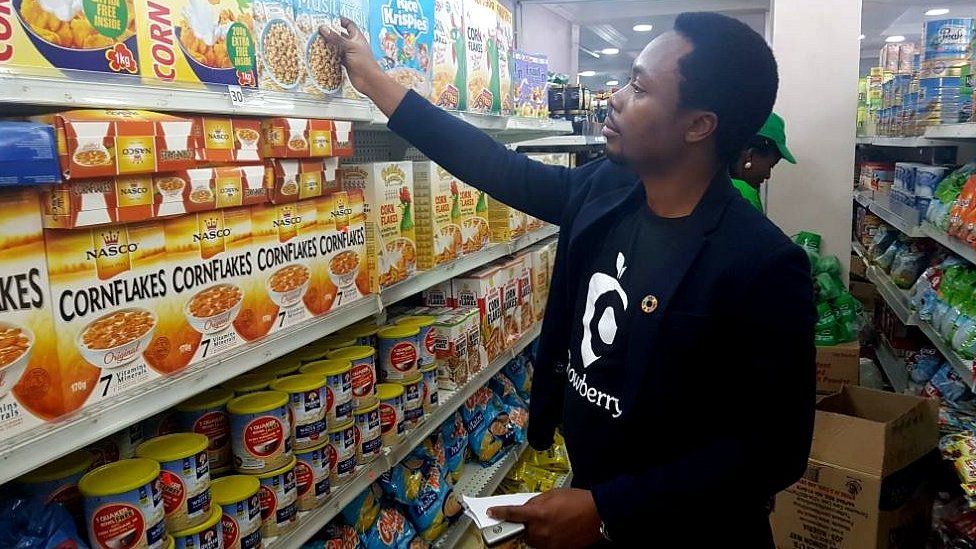
Can the crash of Naira bring the mojo on “Made in Nigeria”? The experts at Euromonitor International, a London-based strategic market research firm, think so. From its data, many supermarkets, stores, etc are looking for ways to source things internally.

People, you do not even need to look further: this is the deal, pick a truck, go to Ovim Oriendu Market in Abia State, and any produce you want, you will get. Since our sister, Dr Ngozi Okonjo-Iweala,  became the head of all traders (lol) in World Trade Organization, Oriendu Market has modified itself to do global businesses. We now do business with all nations and can supply all supermarkets and stores in Nigeria.

See what the firm said; “This trend will also be supported by campaigns that seek to raise awareness and call for supermarkets to support products that are ‘Made in Nigeria’, as well as putting pressure on the government to reduce the reliance on imports for essential goods”.

With the high inflation rate ravaging the global economy, coupled with the devaluation of the Naira, a large percentage of people in Nigeria are now looking for alternatives in supermarkets and local stores. Despite the negative impact of the high inflation and the fall of the Naira, industry experts are looking at the positive side of supermarkets and stores switching to locally produced goods.

They disclosed that including and developing SMEs in the supply chain allows the nation to grow and diversify by providing various options and a continuous supply pipeline for products and services. A case study of South Africa, as local production, is one of the things that has enabled the country to thrive in retail which has boosted their economy.

Uwa bu ahia [the world is a market]. Let’s make things in Nigeria, Nigerians!

Supermarkets/ Stores Switch To Local Products As Naira Rout Worsens

Supermarkets/ Stores Switch To Local Products As Naira Rout Worsens

0

As the naira continues to fall against the dollar in the parallel market, it has no doubt put a strain on manufacturers who are faced with the difficulty of getting dollars from the official market to import their raw and packaging materials.

This has increased the prices of imported products and has led to the scarcity of goods in the country, which has made supermarkets and stores switch to locally made products.

According to a report by a supermarket, Euromonitor International, a London-based strategic market research firm, they disclosed that following the disruption of supply chains during the Covid-19 pandemic, inflationary pressures, and Naira depreciation, more supermarkets are likely to source products locally.

See what the firm said; “This trend will also be supported by campaigns that seek to raise awareness and call for supermarkets to support products that are ‘Made in Nigeria’, as well as putting pressure on the government to reduce the reliance on imports for essential goods”.

With the high inflation rate ravaging the global economy, coupled with the devaluation of the Naira, a large percentage of people in Nigeria are now looking for alternatives in supermarkets and local stores. Despite the negative impact of the high inflation and the fall of the Naira, industry experts are looking at the positive side of supermarkets and stores switching to locally produced goods.

They disclosed that including and developing SMEs in the supply chain allows the nation to grow and diversify by providing various options and a continuous supply pipeline for products and services. A case study of South Africa, as local production, is one of the things that has enabled the country to thrive in retail which has boosted their economy.

Local procurement has been one of the key drivers of the Nation’s economic growth and job creation. The government of South Africa consistently encourages its citizens to prioritize locally made products over imports. Top supermarket stores like Hubmart, Sundry, and spar are already dealing in locally manufactured products.

Experts in Nigeria disclose that for some products there has been a 60 percent increase in prices in the last 12 months, while the price of products in the food category has increased by 27 percent. This significant increase has mounted pressure on supermarket/ store owners to not only stock goods that will sell but to make sure that they are getting the best possible prices for these products.

There have been concerns about the structural problems in Nigeria such as Inadequate power supply, insecurity issues, currency devaluation, and poor infrastructure, which has made foreign investors hesitant about entering the Nigerian market.

Reports have it that manufacturers in Nigeria are now beginning to source more inputs within the country, rather than going abroad in order to beat the FX scarcity. These uncertain times is indeed a period for the government of Nigeria to look inward by developing local manufacturing firms in the country.

Unless there is massive investment in local companies and also creating an enabling environment that will enable them to thrive, the development of modern retail formats will continue to operate below their potential. To further prevent the devaluation of the Naira, SMEs in Nigeria can resolve most of the country’s critical problems. SMEs have been described as the cornerstone of most economies.

The government of Nigeria should take a cue from that of South Africa by encouraging the citizens to buy locally made goods in order to boost the nation’s economy. Also, with the high level of unemployment in Nigeria, developing local industries as well as patronizing locally made products will reduce the high rate of unemployment in the country.

Apple Recorded Almost 11% Decline in Revenue Growth

0

As the global economic upheaval hits home, high-value companies are beginning to count their losses, even the most valuable company in the world.

On Thursday, Apple reported a profit decline of about 11% in the second quarter of the year compared to the same period of the previous year, although the company has continued to record growth.

The Cupertino giant reported revenue of $83 billion, a 2% increase from the same period in the past year. It is the highest revenue figure that Apple has posted during its fiscal third quarter, but it marked a significant slowdown in growth from the company’s 36% year-over-year revenue increase in the previous year.

The downturn has been largely spurred by covid-induced shutdowns in China and logistics constraints. The result was seen in 1% drop in sales in Greater China, which used to be among Apple’s most lucrative regions.

However, Apple made more sales and profits than expected by Wall Street. The company’s shares rose nearly 4% in after-hours training on Thursday following the results, per CNN.

CNN quoted Apple as saying that its installed base of active devices hit all-time highs in each product category during the quarter. For instance, quarterly sales from Apple’s services, a crucial element of the company’s strategy for future growth, grew 12% to $19.6 billion, slightly below the $19.7 billion analysts had expected.

Apple CFO Luca Maestri said on a conference call with analysts Thursday that the company now has more than 860 million paid subscriptions across its various services, an increase of 160 million since last year.

“Our June quarter results continued to demonstrate our ability to manage our business effectively despite the challenging operating environment,” Maestri said in a statement with the results.

Per CNN, Apple declined to share revenue guidance for the current quarter because of the economic uncertainty. However, it added that Maestri said Apple expects its year-over-year revenue growth to accelerate in the September quarter compared to the June quarter, assuming that the macroeconomic situation and Covid-related impacts on its business do not worsen. He added that supply constraints are also expected to be lower than they were in the June quarter.

Maestri also noted the company’s efforts to make it easier for customers to purchase its products, including expanding installment plan payment and trade-in programs around the world.

Outside the covid lockdowns in China, tech companies are increasingly getting caught in the effect of crossfire between Russia and Ukraine that has touched nearly every sector of the global economy, forcing companies to downsize or stop hiring.

But CEO Tim Cook said Apple itself plans to “continue to hire people and invest in certain areas” but would be “more deliberate” in doing so.

Exploring New Ways to Support Employees Can Reduce Frauds at Nigerian Filling Stations

0

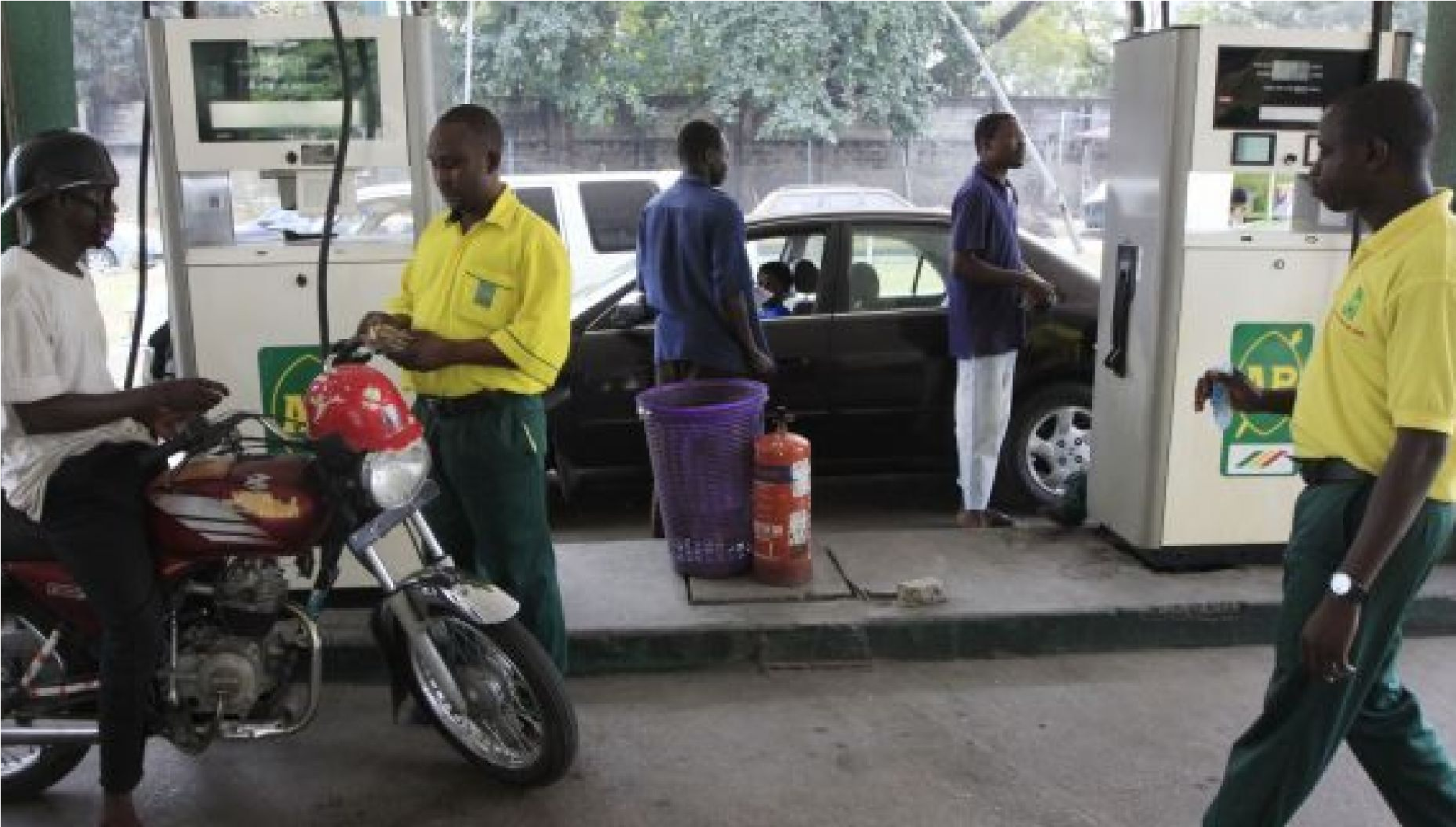
The market for filling stations will continue to expand as long as Nigerians keep driving vehicles that need to be filled with petroleum and diesel. As long as people continue to utilize generators as a backup source of electricity for their homes and companies, the expansion won’t stop anytime soon either. The filling station market aspect of the downstream sector of Nigeria’s oil and gas industry is predicted to increase significantly between 2022 and 2027, at a rate of roughly 1.5% annual compound growth. Despite this, there are numerous obstacles to overcome.

Looking at the obstacles, our analyst observes that there would be no significant variation from what businesses and other stakeholders have experienced over the last two decades. Thousands of filling stations in Nigeria would see revenue and profit decline as a result of inconsistent national government policies and global economic uncertainties caused by geopolitical crises. Employees have always been one of the conduit pipes via which major sales revenue is faded away, regardless of the level to which they would drain owners’ investment fund. As stated in our earlier investigation, several forms of sharp practices ranging from non-remitting sales income to theft from the company’s accounts as well as meter manipulation occur every day, from attendants to managers.

Our fraud data at several filling stations shows that between 2012 and 2022, station owners reported that their managers and attendants had stolen a total of N281, 250, 240. Further analysis reveals that managers stole N5,985, 325 on average, while attendants stole an average of N8,388,643. Our data shows that when attendants and managers collaborated on stealing and theft activities, the average amount stolen increased. It was worth N43,000,000. An assessment of the fraud categories as well as the age range reveals that employees aged 31 to 40 years were the principal perpetrators in 55.17% of the 29 reported and prosecuted cases. Employees between the ages of 21 and 30 were followed by those between the ages of 41 and 50 in 24.13% of the cases.

Sensitivity of the Age Range to the Fraud Types

Another important finding from our analysis is the age range’s susceptibility to the forms of fraud. Our analysis reveals that employees of all ages deceived their companies at the same rate. According to our analyst, this necessitates serious thought on the part of the station owners and numerous employees’ associations in the downstream sector. This conclusion is bolstered further by the fact that petrol workers have been on low remuneration since 2016. From a psychological and economic standpoint, paying employees a low wage is one way to promote financial irregularity in all facets of any business. Given the current state of the economy in the nation, paying attendants between N10,000 and N15,000 and managers an average of N60,000 and expecting them to refrain from financial fraud is untenable.

Exhibit 1: Fraud Types by Average Salary

Source: Nigerian Newspapers, 2012-2022; Infoprations Analysis, 2022

Examining this insight in the context of employee average salaries and fraud types will be helpful. According to the data in Exhibit 1, three of the four most common fraud types in the industry involved employees making less than N50,000 while 66.66% of employees (n=3) who committed non-remittance of sales revenue earned the same amount as the four employees who were reported for tampering with the Point-of-Sale system, earning N20,000. More than half of the 21 employees who were reported by the stations and charged with the crime under the state’s criminal code also made the same salary. The average wage of the four employees who were accused of stealing and prosecuted in several courts was N60,000.

Exhibit 2: Average amount (N) stolen by age

Source: Nigerian Newspapers, 2012-2022; Infoprations Analysis, 2022

The large amount of average sales revenue that was lost in 2019 suggests that the COVID-19 pandemic’s effects must have encouraged employees to participate in fraudulent behaviour. This reinforces the earlier position that station employees would find it impossible to refrain from participating in different fraud operations in the face of economic uncertainty. For a lot of employees in the private and public sectors, 2019 was extremely difficult. For instance, the Nigerian government provided food and financial aid during the pandemic’s initial wave. According to our observations, the government provided some filling station employees in the states where the fraud instances our analyst examined with palliative care worth between N50,000 and N70,000.

Exhibit 3: Average amount (N) stolen by year

Source: Nigerian Newspapers, 2012-2022; Infoprations Analysis, 2022

Strategic Options

According to all indicators, filling station employees require better working conditions, particularly in terms of adequate remuneration. This is entirely dependent on the Petrol Dealers Association of Nigeria, the Independent Marketers Association of Nigeria, and the National Union of Petroleum and Natural Gas Workers. Based on current observations and facts about working conditions at various filling stations, it is high time for these associations or unions to recognize station personnel as key players in the country’s mission to clean up the oil and gas industry.

The industry has gone through a series of reforms and programmes to enhance operational efficiency and income for stakeholders in the upstream sector at the expense of those in the downstream sector, particularly attendants and managers. The Nigerian Labour Congress and Trade Union Congress should investigate the actions of some station owners who restrict their employees’ involvement in the activities of the Petrol Stations Workers’ Union. To put an end to different frauds, the job of station attendants and managers must also be subjected to minimum wage requirements and other labour laws. Seeing them as underdogs in the downstream sector will continue to exacerbate financial and non-financial irregularities in all parts of the Nigerian filling station businesses.