DD
MM
YYYY

PAGES

DD
MM
YYYY

spot_img

PAGES

Home Blog Page 5097

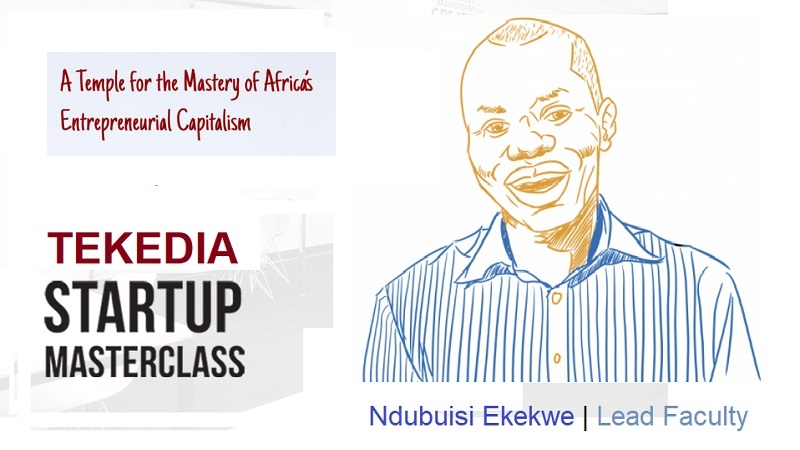
Register for Tekedia Startup Masterclass and Understand Business with Ndubuisi Ekekwe

0

Join me at Tekedia Startup Masterclass: from Start-Up to Unicorn and master the mechanics of business. CEOs, founders, innovators, project champions, workers, etc, this 8-week program will accelerate your business leadership ascension. Besides the courseware, you will have one-on-one Zoom sessions with me. It runs for 8 weeks – and it is impactful.

Come to the temple; we preach business here, and we make disciples of innovators in markets. The reward is business growth and the acceleration of wealth and the advancement of human societies.

Go here and register. You will get a link to schedule the Zoom session. I want to work with you, on your project.

We’re Tekedia Institute; we understand business – and we teach it. Hope to meet you in class.

Tekedia Startup Masterclass: from Start-Up to Unicorn is designed to help founders, entrepreneurs, and those generally working in the startup ecosystems, to master the mechanics of building category-king startups. The program runs for 8 weeks. Besides some pre-recorded courses for the 8 weeks, the program includes an hour-long one-on-one live Zoom session every week, per participant, with Tekedia Institute’s Lead Faculty, Prof Ndubuisi Ekekwe.

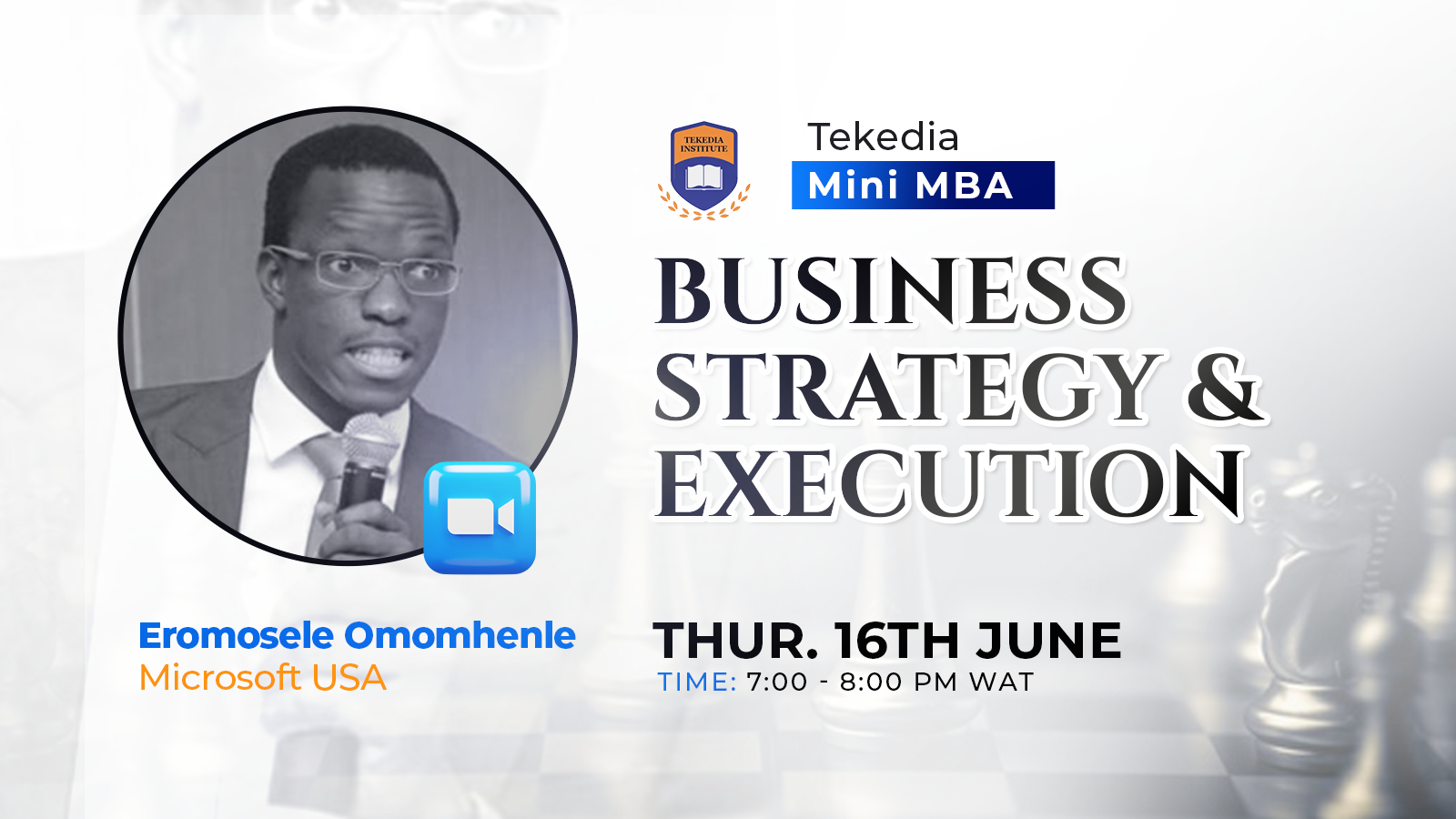
Business Strategy and Execution – Tekedia Mini-MBA Live

0

Tekedia Institute will continue our conversation on the mechanics of market systems. Tomorrow, Microsoft Senior Manager, Eromosele Omomhenle F.IMS, will be live to educate us on Business Strategy and Execution. What is your business strategy? How is that evolving as a result of changing market dynamics? How do you execute? And what can you do to make it better?

At Tekedia Institute, we help innovators and project champions advance their missions. Come to our school and master the physics of modern entrepreneurial capitalism.

Tekedia Institute >> Learn from the best.

Coca-Cola Partners With Jack Daniels To Produce Alcoholic Drinks

0

American multinational beverage company, Coca-Cola, has signed a deal with Brown-Forman Corporation, the producer of Jack Daniels, to produce alcoholic products. This will mark the fourth new alcoholic drink in Coca-Cola’s portfolio in less than two years.

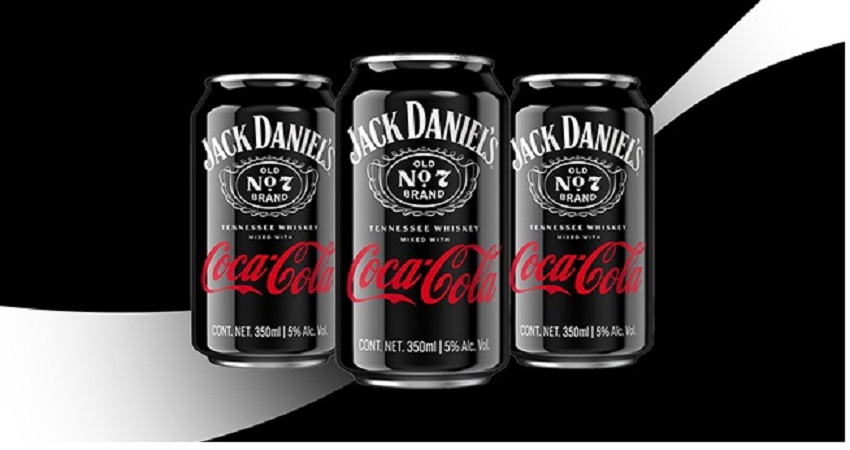
This deal will see both companies produce “Jack and Coke” cocktails, a ready-to-drink canned version. This canned version will contain a mixture of Coca-Cola and Tennessee whiskey, a product of Jack Daniels.

The packaging for the canned drink will display both logos for Coke and Jack Daniels, as well as symbols signifying that it is only for people of drinking age which is usually from 18 and above. Coca-Cola is no doubt retracing the step of its early days when it offered alcoholic drinks.

It might interest you to know that when Coca-Cola was launched in 1886, it was an alcoholic drink, before the company exited from selling alcoholic products in 1903. What majorly prompted them to exit from the alcoholic market was after the U.S government made a law that barred the consumption of the substance, which made the company produce the Coca-Cola soft drink.

Decades later, the Coca-Cola Company has made a return to the alcoholic market, as it launched its first-ever alcoholic drink in the year 2018 in Japan. A fizzy, lemon-flavored condition laced with spirits. In 2021, it launched a Topo Chico Hard Seltzer which contained 4.7% alcohol, coming in a slew of tropical-inspired flavors.

Its recent partnership with Jack Daniels marks the fourth new alcoholic drink in coke’s portfolio in less than two years, but the first pairing for its namesake. The company has already partnered with Molson Coons Beverage on Topo Chico hard Seltzer, simply spiked lemonade, and constellation brands on Fresca mixed cocktails.

There have been recent reports about the decline in the consumption of Soda, which has seen Coca-Cola push its soft drink brands into alcohol through partnerships. It might interest you to know that Coca-Cola isn’t the only soft drink company that is partnering with alcoholic brands as other soft drink brands have also entered into partnerships with alcoholic companies.

Brewers of these alcoholic drinks in collaboration with soft drink brands like Coca-Cola also benefit greatly from this partnership, which will enable them to diversify their portfolios away from beer.

Coca-Cola is no doubt going hard into the alcoholic market, the company recently disclosed that it will broaden its alcohol portfolio, by developing a policy around marketing and selling its alcoholic drink responsibly.

Their approach includes the company targeting consumers above the legal purchasing age in its advertising and refraining from implying that consumers will receive any health benefits from using these products.

Coca-Cola has no doubt been an exceptional soft drink company, as each generation comes of age, the company always seems to find a new creative way into the market to enable more sales from it’s products. From concepts like; “It’s the real thing” for the boomers, to “share a coke” for millennials, the company continues to keep the product fresh and relevant.

Also, there have been reports that alcoholic beverages have been the fastest-growing alcohol segment since 2018, which has seen Coca-Cola enter into the alcoholic market, with its recent partnership deal with Jack Daniels to produce alcoholic beverage drinks. The brand is very prolific and one amazing thing about the Coca-Cola brand is that even if the only thing you drink is water, they have got a product for you.

Egypt’s CASF Invests in Nigeria’s BNPL Startup, CredPal

0

Egypt-based VC fund The Cairo Angels Syndicate Fund (CASF) has invested an undisclosed amount in Y-Combinator and Google-backed Nigerian fintech CredPal.

This comes nearly three months after CredPal secured $15 million in equity and debt in a bridge funding round to scale its consumer credit offerings across Africa. The equity was provided by an existing investor, Greenhouse Capital and new investors including Uncovered Fund, LongCommerce, First Circle Capital, and Adii Pienaar, co-founder and former CEO of WooCommerce.

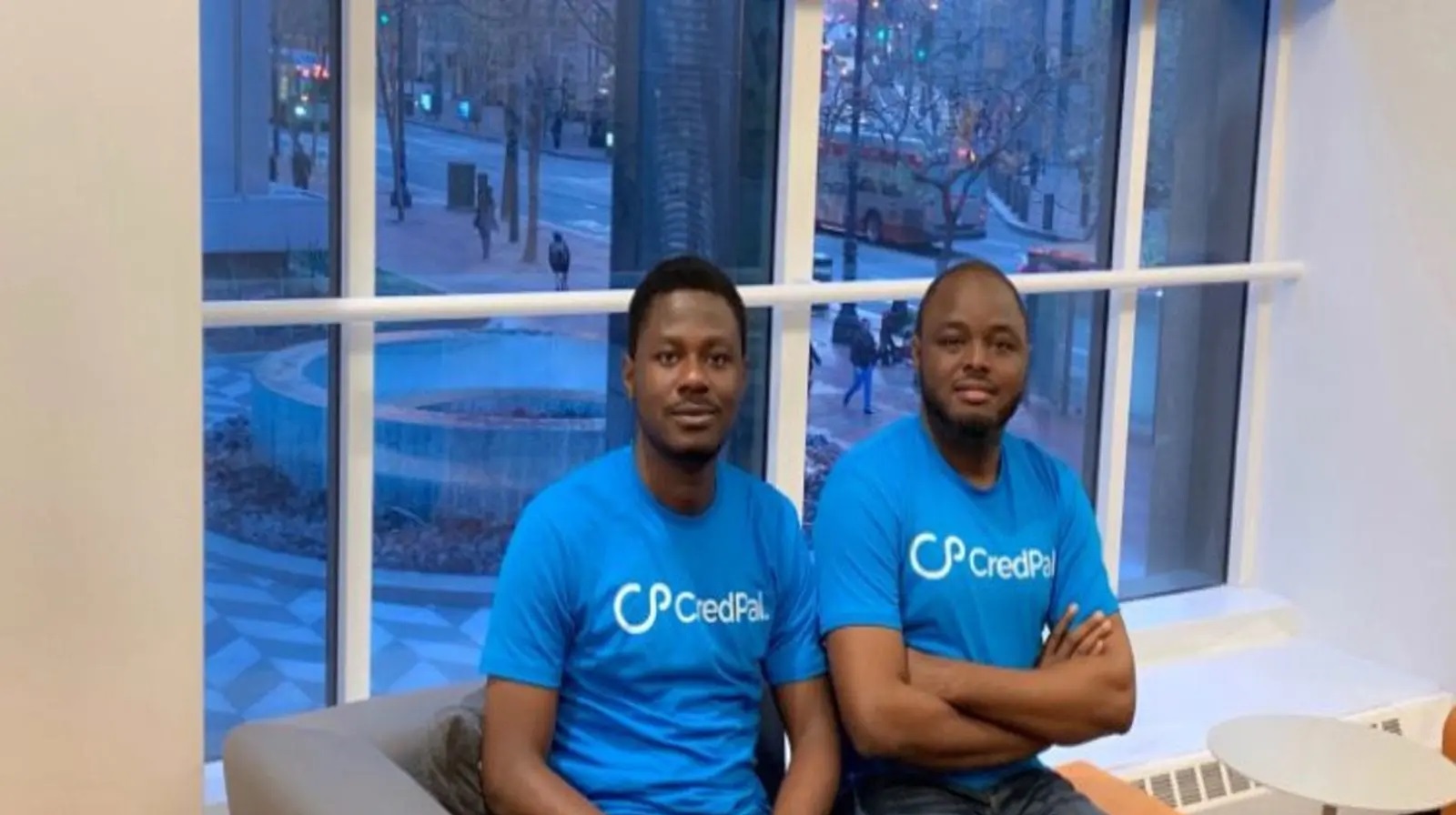
Launched in 2018 by Fehintolu Olaogun and Olorunfemi Jegede, CredPal is a buy-now-pay-later (BNPL) fintech that allows businesses and individuals to buy anything and pay for it in instalments with online and offline merchants.

CASF, a micro venture capital fund that invests in early-stage startups in the Middle East and Africa, has been leading the way for local investors in the African tech ecosystem, dominated so far by foreign investors. This is CASF’s first investment in Nigeria.

Launched in 2018 by Fehintolu Olaogun and Olorunfemi Jegede, CredPal is a financial technology company that has developed an innovative solution that allows businesses and individuals to buy anything and pay for it in installments across online and offline merchants by providing them with instant access to credit at the point of checkout.

The startup provides a platform that facilitates users to set up their accounts and choose their payment plans leveraging technology to minimize risk and seamlessly connect to multiple financial institutions that provide credit for customers.

CredPal has over 85,000 active customers and more than 4,000 active merchants. The funding in this round will be used to expand across Africa with a focus on key markets, such as Egypt, Kenya, Ghana, and Cameroon.

“This support from Cairo Angels Syndicate Fund reinforces our mission to improve the quality of life of Africans through easy access to consumer credit. My co-founder and I are very pleased to have them as investment partners and can’t wait for how much we’ll achieve together” stated Fehintolu Olaogun, Co-Founder and CEO, CredPal.

Aly El Shalakany, CEO of the Cairo Angels Syndicate Fund, said, given Africa’s underserved BNPL market, CredPal has a great growth potential.

“We couldn’t be more proud of our investment in CredPal, which is our first investment in Nigeria. Fehintolu and Olorunfemi have built an incredible FinTech platform that provides credit to thousands of underserved individuals and businesses in Africa and will be expanding rapidly to other key markets, including Egypt.

“BNPL has proven to be a successful business model that is a compelling alternative to traditional forms of consumer credit, especially in emerging and frontier markets where credit card penetration is very low and usually unavailable to the masses,” he said.

Nigeria Loses $1.7 billion Malabu case Against JP Morgan

1

Nigeria has lost its $1.7 billion suit against JP Morgan Chase over how the American bank transferred the proceeds from the sale of OPL 245 in that corruption-ridden Malabu oil transaction. Nigeria made a case that the bank was  “grossly negligent” for wiring the money paid by oil majors like Eni and Shell into a Dan Etete-controlled escrow account. Nigeria’s core argument was that JP Morgan should have smelt “fraud” in the transaction.

When Nigeria filed this case, I wrote that it was always hard to win a case against banks when the core argument rests on a bank’s inability to decipher intents, under full banking ordinance and approved mandates. In other words, you assume that the bank expects the transaction to be fraudulent even as the bank is meeting legal contractual obligations of its customers. 

Consider this: the Central Bank of Nigeria released all the alleged funds which former CSO under President Jonathan was alleged to have mismanaged. When CBN was called to explain why it did not stop those transactions, the apex bank argued before the Senate that it could not have stopped the transactions since the right signatories approved the funds! Simply, CBN was not thinking into the transactions, it was only checking if the approved person is offering the instructions. 

Sure, banks do have obligations to stop transactions when they have overwhelming concerns of fraud but many banks do not like to do that since it means they will lose fees and the customers.

Nigeria expected JP Morgan to smell fraud. JP Morgan actually did. But it did what banks do: it punted. How did it do that? It wrote to Britain’s financial crime agency which signed off for it to make the payment.  On that strength, it got a cover: afterall, the UK government approved the transaction  and you cannot just blame this bank. It is like a bank in Lagos has concern to execute a customer transfer request, writes EFCC and receives approval to go ahead, and then in the future, a party comes and accuses the bank that it made a mistake to have allowed the transactions.