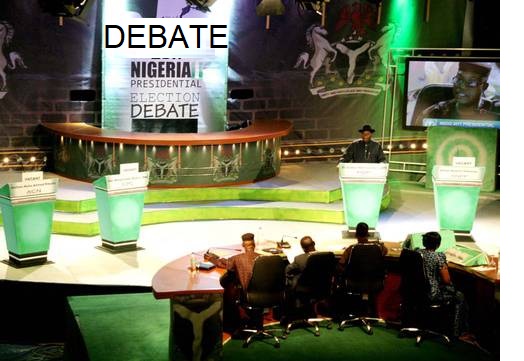
The IMF posits that by 2026, 100% of Nigeria’s revenue could go into debt servicing. If that happens, it will become a state of economic coma. So, to avert that impending paralysis, we need to ask politicians questions and challenge them on how they will save the future.
About seven years ago, Prof Osinbajo was in Washington DC and mesmerized us with his vision on electricity. He explained how independent power plants could generate electricity in Alaba, Ikoyi, and across the nation, delivering 24/7 electricity to residential, commercial and industrial users. I wrote here that his proposal was not technically feasible due to feedstuffs.
How did I know? I did three internships in NNPC while in FUTO. One was in Nigerian Gas Company at Owaza in Abia State (just close to Port Harcourt). My small job was to read the gas supplied to Aba glass and the ceramic industries. And weekly, with my supervisor, take readings in the factories.
During that experience, I noticed one thing: during the usual pigging, to flush the pipeline of debris, the factories will stop operating. Simply, none had any storage because it was actually expensive to build one. Now, imagine what it would take to pipe that gas from Rivers State to power plants in Alaba.
If you want to transport it in “liquid” form, it becomes logistically challenging since Nigeria doesn’t have good roads or railway tracks for such. Simply, the trouble of keeping a plant running in perpetuity will not be easy. No sensible business person would invest in those IPPs because of the feedstuffs.
In my last internship at Shell Kolo Creek flow station in Yenagoa Bayelsa, that storage issue was also evident. Then, you can flare because it is cheaper than transmitting the energy source.
Where am I going? We need robust debates to challenge these men as some of their proposals are not feasible. I am hoping that our journalists do their jobs this time and be bold to challenge some of the crazy proposals they are dropping.
The International Monetary Fund (IMF) has warned that debt servicing may gulp 100 percent of Nigeria’s revenue by 2026, if the government fails to implement adequate measures to improve revenue generation.
The IMF’s Resident Representative for Nigeria, Ari Aisen, disclosed this while presenting the Sub-Saharan Africa Regional Economic Outlook report on Monday, 30th May 2022 in Abuja.
According to him, based on a macro-fiscal stress test that was conducted on Nigeria, interest payments on debts may wipe up the country’s entire earnings in the next four years.
Journalists Must Rise and Educate Nigerians
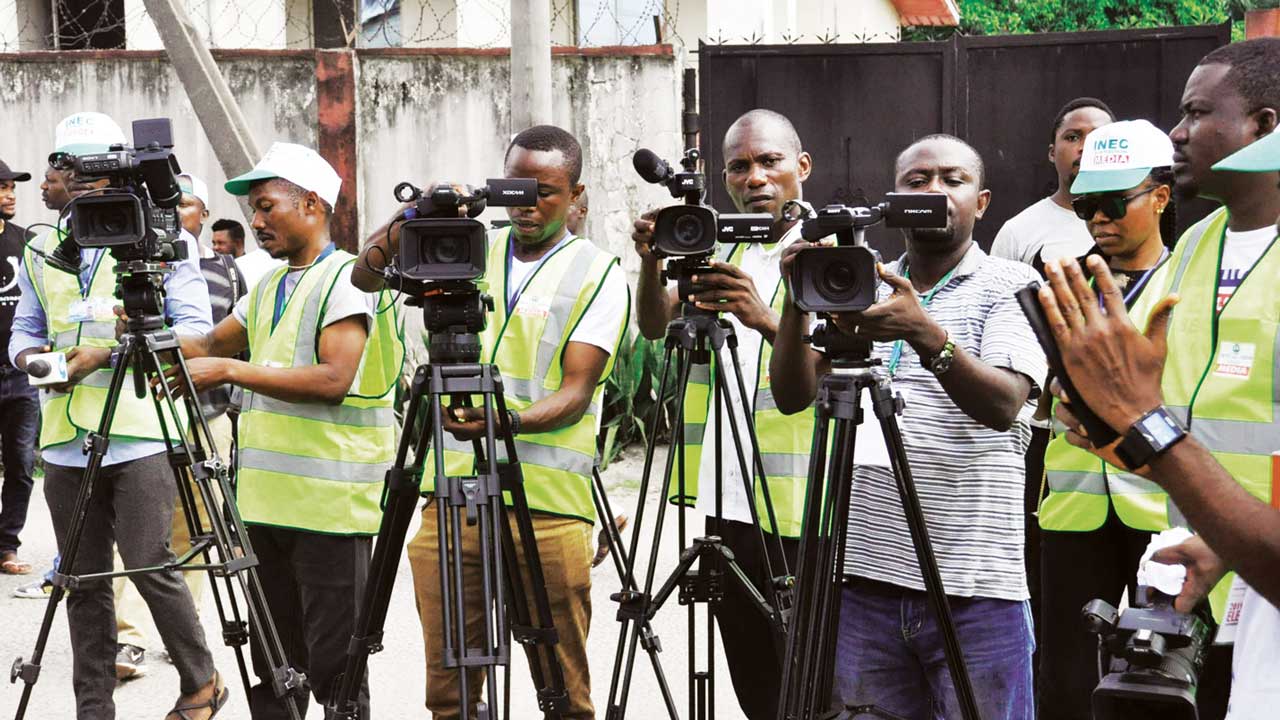
First, I want to commend Nigerian journalists. In the age of Facebook and Google, I understand how hard the media sector has become. Most times, I struggle to visit some of the online newspapers because of the intrusive ads which bring in kobos and cents to keep the enterprise going. Nonetheless, we need them to serve at a higher level – and hopefully someone can find a way to pay and compensate them better.
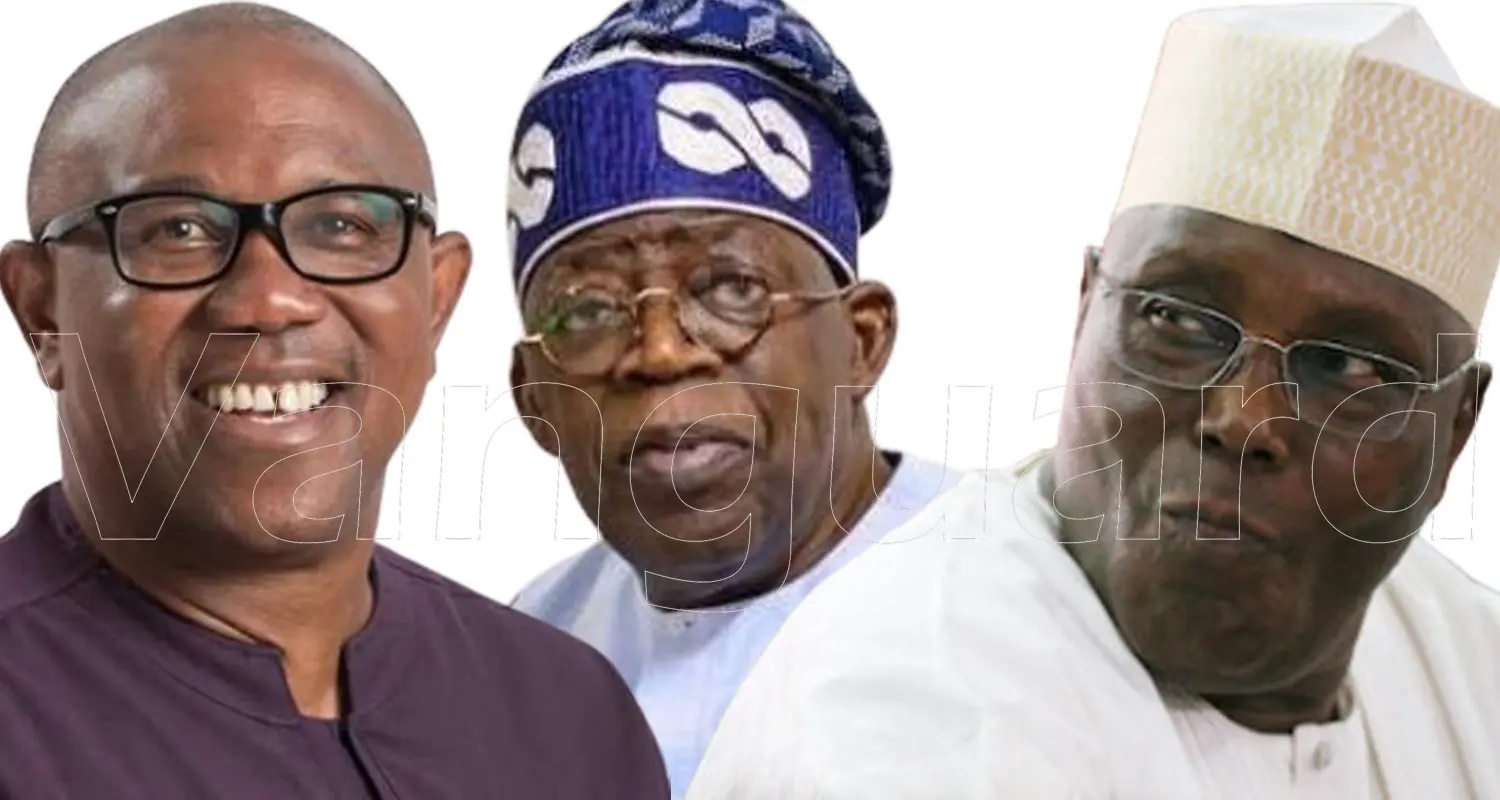
We need them to start asking these politicians questions. Right now, what I have been reading is the biographies of the men. We cannot just vote on those. APC sold us the idea of independent power plants across Nigeria in 2015. Right here, I explained that it was largely impossible to execute that in a meaningful way.
I did 3 internships in NNPC; the last was in Nigerian Gas Company at Owaza (Abia State), just off Port Harcourt City. The job was to pipe gas to Aba glass and ceramic industries. I worked on the pig flows and saw the problem of storage capacity. During pigging, cleaning pipelines, factories stop because of zero storage capacity! Later in Shell Kolo Creek flow station (Yenagoa), on internship, I saw the same thing: Nigeria has not invested in foundational facilities that would make IPP possible.
With no good roads or rail tracks to pipe gas in “liquid form”, no real business person will invest in IPP because of access to feedstuffs. Any decent engineering student will understand that. But APC sold that and won the election. PDP has its own “vapour promises” of course.
So, as this election season moves into the injury time as in football, our journalists must rise up and educate the citizens. Why? The IMF posits that by 2026, 100% of Nigeria’s revenue could go into debt servicing. If that happens, it will become a state of economic coma. So, to avert that impending paralysis, we need to ask politicians questions and challenge them on how they will save the future.