DD
MM
YYYY

PAGES

DD
MM
YYYY

spot_img

PAGES

Home Blog Page 5187

Standing In Solidarity With ASUU, Nigeria Labour Congress Vows To Embark On Nationwide Protest

0

It is disheartening to note that a large number of tertiary institution students are currently out of school due to the unending strike action embarked upon by ASUU. According to ASUU, they previously disclosed that they will extend the strike by another two months as a result of their unmet demands by the federal government.

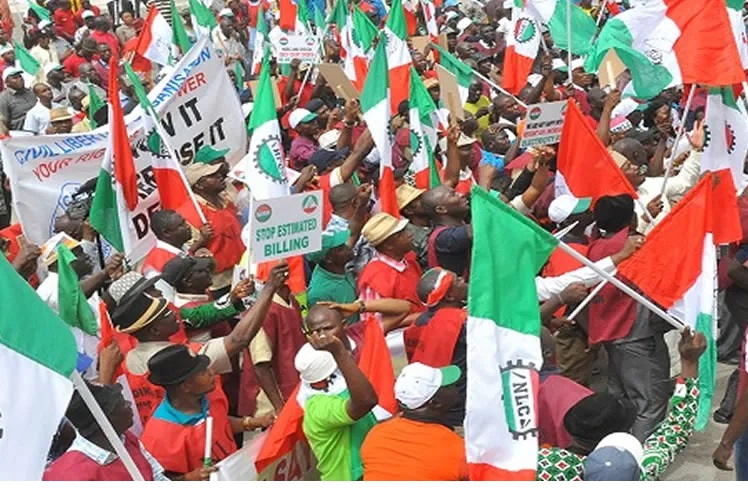
Disappointed with how the government is handling their demands, the Nigerian Labour Congress, NLC in a show of solidarity, has vowed to embark on a nationwide protest at the expiration of the 21-day ultimatum issued to them by ASUU to address their demands. The congress further disclosed that it would declare a three-day strike action if the federal government fails to resolve the issue.

The NLC which is known to defend and promote the rights of workers and other unions In the country, disclosed that its proposed solidarity protests was mainly to draw the attention of the government to the prolonged shut down of universities in the country. Did the congress just disclose that they want to draw the attention of the government? The government is fully aware of the shutdown of universities, but they chose to treat it with disdain.

With the 2023 election gearing up, it is obvious that they are more interested in securing their interest, to the detriment of the future of Nigerian students. The failure of the federal government to keep up with its commitment and uphold its pledges to ASUU is what has led to so many industrial strike actions.

The government has failed to invest greatly in the educational sector, which has undermined the country’s human capital. Any country that recognizes the value of human capital development will invest appropriately in its educational sector. Rather than the government being proactive and responsible for the issues affecting its citizens, particularly in the area of human capital development, they are building more universities when they have not properly catered for the staff in the already existing universities.

Sadly, the future of young Nigerians is continued to be put in jeopardy by the government, with many of them currently roaming the streets, which has seen some of them contribute to the social vices in the society. One great effect of the ASUU strike on students is that as the strike lingers, it takes a toll on academic performance. When learning is stopped for a long period, the student’s reading and learning abilities will deteriorate.

The danger of this is that it will lead to a high rate of low-quality students in the country, which will affect the country’s human capital. The government and ASUU continue to be at loggerheads with an unending rift. The strike action is already becoming a severe phenomenon that has continually hammered the realization of Nigerian youth’s ambitions and dreams.

The role of education in human capital formation cannot be overemphasized as a properly educated society facilitates productivity and contributes toward the growth and development of the country, which also increases the country’s national income. It’s high time the government put an end to this incessant strike action by ASUU by meeting its demands.

Over Dependence On Importation Causing the Fall of Naira

0
Naira

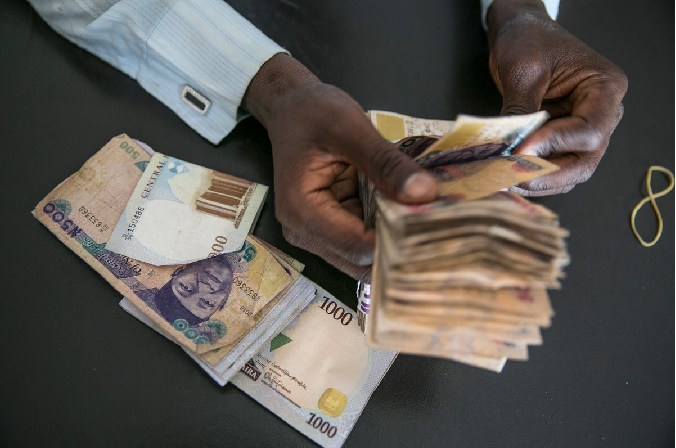
The Nigerian Naira continues to plunge downwards as recently, the naira further depreciated against the US dollar to close at N419.33 to a dollar representing a 0.2% fall compared to N418.52/ $1 recorded in the previous trading session. The central bank of Nigeria (CBN) has however lamented that the main cause of the fall of the Naira is due to the nation’s over-dependency on imports.

They further advised Nigerians to adopt the use of homemade products to boost the country’s economy, to stop the Naira from further depreciating in the parallel market. In a bid to reduce the nation’s over dependence on imports and promote financial stability and economic development, it was disclosed that the Central Bank Of Nigeria implemented interventions in the manufacturing, agricultural, and other sectors.

Commenting on this issue, the CBN’s currency operations department head, Mrs. Uchenna Onyene urged Nigerians to use the naira with caution, citing section 21, sub-section 4 of the CBN act 2007. She also urged Nigerians to adopt the CBN’s cashless strategy to decrease the risk of naira from failure, to improve seamless transactions.

According to statistics, Nigeria’s exports skyrocketed by 51% to N18.91 trillion in 2021. As a result of the FX outflows, a $5.26 billion negative balance of payment was made in 2021. It is not just enough for the Central Bank to lament the fall of the Naira, there needs to be a solution implemented by the government to stop the country’s overdependence on foreign products.

The government has failed to develop different sectors in the country that will manufacture locally made goods. It has already become a norm for the government and Nigerians to choose foreign-made goods over the ones that are produced locally. How do you explain that a government that constantly imports foreign cars, yet has a car manufacturing plant in its country laments about the fall of the Naira? It makes no sense.

They continue to look down on the ones produced here locally, stating that it is inferior compared to those imported. There have been countless occasions where the government imports cars for its lawmakers. The lawmakers were said to have rejected Nigerian brands, insisting on foreign ones, preferably imported and not locally assembled.

They continue to spend exorbitant amounts on goods, even the ones that are locally produced in the country, yet they always keep lamenting each time the naira falls. The obnoxious high taste for imported goods by the government and among Nigerians has caused more harm to the nation’s economy. No successful economy thrives on the promotion of imported products over the exportation of locally manufactured products.

In a close observation of developed and developing countries, one evident thing is that they are more of a manufacturing economy than consumers economy. They produce a large number of goods they use and import only a few for consumption. The Nigerian government continues to treat the development of locally made goods with disdain and a lackluster attitude.

Nigerian government even goes as far as importing goods that can easily be produced locally, yet they still go-ahead to import goods that can easily be produced locally. They steadily import goods which have led to the fold-up of so many thriving factories in the country, which also resulted in a high number of job losses.

The government is aware that constant importation often leads to forex scarcity, as a result of an increase in the demand for dollars by importers. It’s high time the government develops local factories in the country to avoid the further depreciation of the naira and over-dependence on foreign goods.

Tekedia Capital Special Demo Day – May 7 at 4pm WAT

0

Dear Sir/Madam,

Greetings. Our apologies for writing to mention any investing opportunity. We understand that members just concluded  a cycle a few days ago and will need time to refuel, financially.

  1. A Lagos-based startup which processes excess of N4 billion per month and which was in our Syndicate in November is back. The Y Combinator company was flipping to Delaware and we decided not to sign the term sheet then. They have concluded and are now available. We have provided its  pitch deck with an overview video in the Board.
  2.  One of our startups provided an update to members last week. Since the startup was launched in Sept 2021, it has processed $11 million. The startup also signed a major deal with a leading global fintech that will bring 900,000 merchants into its network.  Many members said they would like to invest. We are reaching out in case there are others who may be interested also. This startup has been here twice. We have provided its  pitch deck with an overview video in the Board.
  3. For both companies, a demo day is scheduled on May 7, 2022 at 4pm WAT. Zoom link in the Board when you login.

To learn more about Tekedia Capital Syndicate and the opportunity to co-own some of the most amazing startups in Africa and beyond, click here.

Regards,

Tekedia Team

Want to Set up an LLC? Here’s a List of 6 Tasks to Get You Started

0

If you’re thinking about setting up an LLC, there are a few key tasks you’ll need to take care of first. In this blog post, we’ll outline six of the most important things to do when setting up your LLC.

1. Choose a name for your LLC 

One of the first things you’ll need to do is choose a name for your LLC. This is one of the basic steps in starting an LLC in Florida or any other state in the United States. The name of your LLC is important for branding and marketing purposes. It can’t be too similar to another business name in your state, which is why it’s important to do a little research before you settle on one. Your business name should also be distinctive and easy to remember. Before you decide on a name for your LLC, it’s important to check that the name is available. You can do this by searching the business registry in your state or province. If the name is already taken, you’ll need to choose another one. You’ll also need to check with your state’s secretary of state office to make sure that the name you’ve chosen isn’t already in use.

2. Choose a registered agent 

One of the fundamental steps in setting up your LLC is to choose a registered agent. A registered agent is an individual or entity who agrees to receive legal documents on behalf of your LLC. This person must have a physical address in the state where you are forming your LLC and be available during business hours to accept the service of the process. 

You may choose to be your own registered agent, but we recommend hiring a professional service. Professional registered agents can provide many benefits, including peace of mind that your important documents will always be received and handled properly. 

3. File Articles of Organization 

One of the foremost steps to setting up your LLC is filing what are called Articles of Organization with your state government. Articles of Organization are filed with the state and serve as a public record of your business. This document officially creates your LLC and starts the process of legally protecting your business. These articles will include basic information about your LLC, such as its purpose, names of its members, and registered agent information. You can usually find the form you need on your state’s website, or you can hire a professional to help you file. 

4. Obtain an Employer Identification Number

After your Articles of Organization have been filed, you’ll need to obtain an Employer Identification Number (EIN) from the IRS. This nine-digit number is used to identify your business for tax purposes, and you’ll need it in order to open a business bank account and file your LLC’s annual taxes.

You can apply for an EIN online, by fax, or by mail. The process is relatively simple and shouldn’t take more than a few minutes to complete. Once you have your EIN, be sure to keep it in a safe place – you’ll need it any time you file taxes or make any other changes to your LLC. 

5. Create an Operating Agreement for your LLC

If you’re planning on setting up an LLC, it’s important to create an Operating Agreement. This document will outline the ownership and management structure of your LLC, as well as the rules and regulations that will govern its operation. Creating an Operating Agreement is a critical first step in setting up your LLC, so be sure to put some thought into it before getting started.

There are a few different ways to go about creating an Operating Agreement. You can hire an attorney to draft one for you, use a template or service like LegalZoom, or even do it yourself if you’re feeling up to the task. Whichever route you choose, just make sure that your final document is thorough and covers all of the bases. Once you have your Operating Agreement in place, you’ll be well on your way to setting up a successful LLC.

6. Obtain any necessary licenses or permits for your LLC

Finally, you’ll need to obtain any necessary licenses or permits required to operate your business. This will vary depending on the type of business you’re operating and where your business is located. For example, if you’re selling food products, you’ll need to obtain a license from your local health department. If you’re running a daycare center, you’ll need to be licensed by the state in which you operate. The best way to find out what licenses or permits you’ll need for your LLC is to contact your local Small Business Administration (SBA) office or Chamber of Commerce.


By taking care of these six tasks, you’ll be well on your way to setting up a successful LLC. For more information on each of these tasks, be sure to check out the resources below.


Despite Sanctions, Russian Economy Booms

1

The Russian economy has largely defied Western sanctions, thanks to its oil that many countries cannot do without. Russia’s decision to invade Ukraine early this year attracted an avalanche of sanctions from the US and its allies, painting a tumultuous future for the Slavic country’s economy.

But in a surprising turn of events, Russia’s ruble and stock market have remained relatively stable despite the sanctions. Below, Insider reported on the findings of an independent research group, Centre for Research on Energy and Clean Air (CREA), which shows how oil patronage from the European Union and others keep the embattled economy afloat.

Russia earned $66 billion from fossil fuel imports in the two months since its invasion of Ukraine as it profited from surging commodity prices despite facing tough sanctions.

Of that, the European Union imported 71% of Russian fossil fuels worth $46 billion through shipments and gas supply, a report by CREA showed.

This compares with imports worth roughly $147 billion for the whole of 2021, or about $12.3 billion a month, the Guardian reported.

Germany was the largest importer — receiving orders worth $9.6 billion. Italy, China, Netherlands, Turkey, and France were the next biggest buyers, the study found.

The research highlights how Russia has continued to benefit from energy exports, a key source of revenue for the economy, despite Western nations moving to sanction the country over its aggression in Ukraine.

While the US and UK have imposed bans on Russian energy imports, the EU has so far agreed to only ban Russian coal. Because these moves have a direct effect on the global energy market, prices of oil and gas have soared due to the twin threats of lower supply and fading import volumes.

Some countries have tried to “self-sanction” by avoiding Russian fossil fuel imports. Foreign oil deliveries from Russia dropped 20% in the first three weeks of April compared to the period before the invasion, the CREA data showed. But the economy has been able to offset lower volumes with higher prices, which means its revenue nearly doubled compared to the previous year despite curbs on exports.

Shipping data also showed that Russia is struggling to divert cargoes originally meant for European buyers. The Wall Street Journal recently reported more than 11.1 million barrels leaving Russia have been loaded onto cargoes with unknown destinations.

Meanwhile, the EU has struggled to shake off its dependence on Russian imports — especially gas — despite wanting to reduce its reliance. Figures indicate the bloc has attempted to cut Russian supplies, as data compiled by think tank Breugel shows the bloc’s imports of Russian gas were 26% lower in the first week of April than in the same period in 2021.

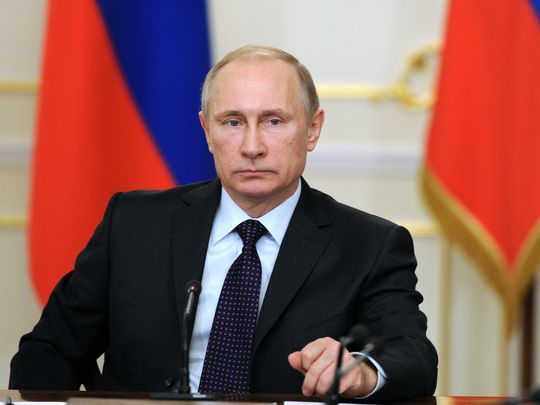
But Russian President Vladimir Putin doesn’t seem to be as threatened by a European ban on energy as EU leaders perhaps might expect him to.

“The so-called partners from unfriendly countries concede themselves that they won’t be able to make do without Russian energy resources, including without natural gas, for example,” he told a televised government meeting on April 14, Reuters reported.

The CREA said fossil fuel exports have helped fund Putin’s war against Ukraine, and recommended replacing Russian fossil fuel imports with clean energy.

“Fossil fuel exports are a key enabler of Russia’s military buildup and brutal aggression against Ukraine,” it said in the report.

“The EU and many European countries have already announced ambitious new clean energy and energy efficiency targets, policies and measures — these will provide a replacement for imports from Russia over the next few years. But imports need to stop now,” it added in a tweet.

Although Russia has found two major export destinations – China and India for its oil export, Europe is still its largest market. A unanimous decision by European leaders to sanction Russian oil will deal a huge blow to its economy. But without an alternative to Russia’s oil, the EU’s hands are tied, even though many of its leaders see the situation as an opportunity to transit to cleaner energy.

The major challenge lies on the timeframe – how long it will take before Europe finds alternative to the much needed gas that the bloc solely depends on. The REPowerEU, a plan developed by the EU to end reliance on Russian gas is expected to be actualized by 2030, which is far too long.

With the rocketing cost of gas in Europe poised to cause unbearable hardship and no alternative to Russian energy yet, Russia has found a solid edge to mitigate the impacts of sanctions. Forcing European countries to pay for gas with ruble is also another strategy Russia has deployed to keep the ruble stable.

The Russian ruble has risen to pre-conflict levels against the US dollar, hitting a two-month high. Its current account has also surged to $58.2 billion in the first quarter – its highest level since 1994.