DD
MM
YYYY

PAGES

DD
MM
YYYY

spot_img

PAGES

Home Blog Page 5190

Examining National Orientation Agency’s Call On Locally-Made Goods In Nigeria

0
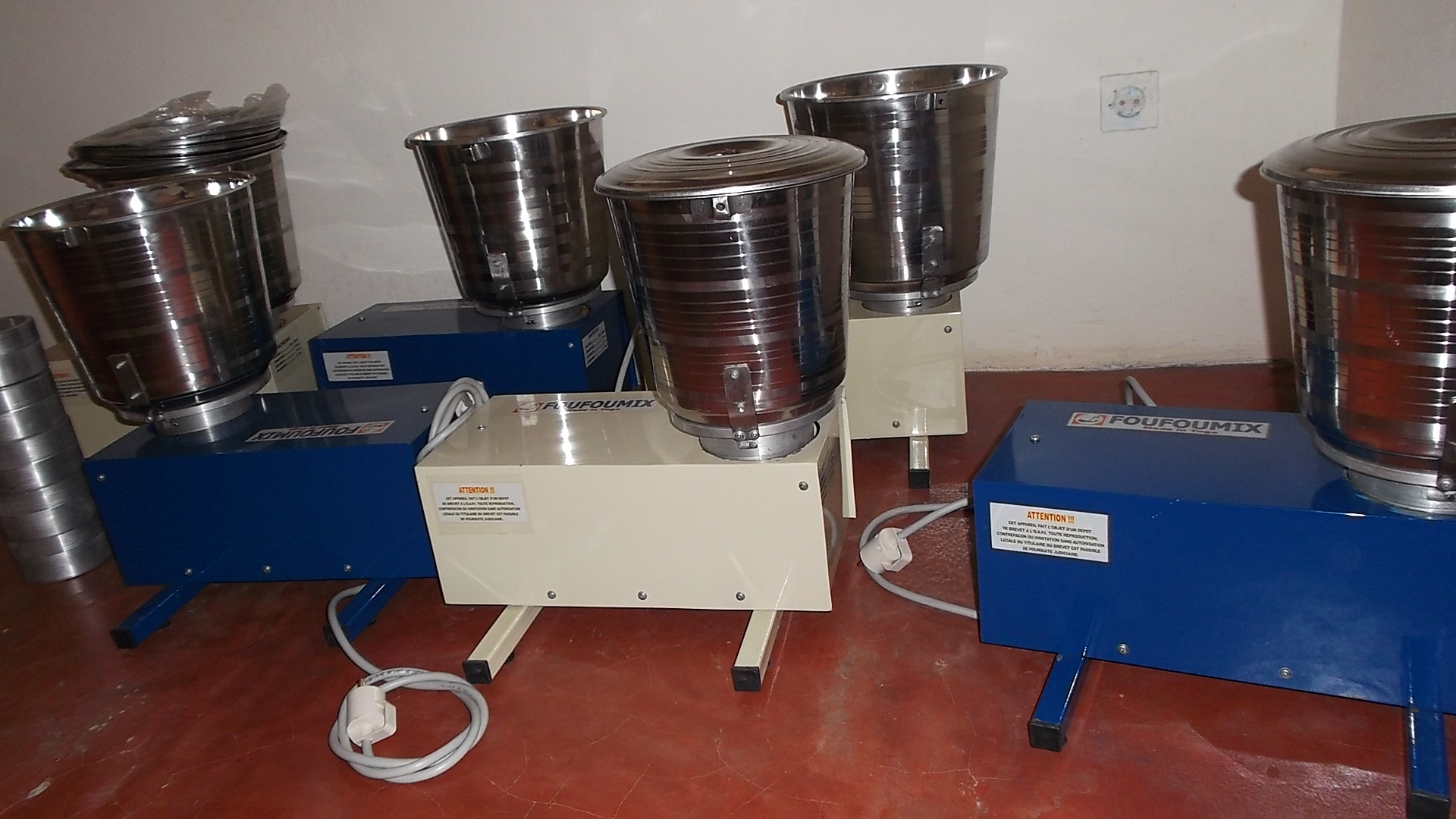
Foufoumix, invention of Togolese electronics engineer Logou Minsob helps obtaining foufou (African dish made from tubers) in 8 minutes. (Source: Africa Top Success)

The Anambra State Director of the National Orientation Agency (NOA), Mr. Charles Nwoji has called on Nigerians to drop their preference for foreign goods and patronize made-in-Nigeria products.

Mr Nwoji, who made this call on 27th April 2022 at a news conference in Awka, described the patronage of locally-made products against their foreign substitutes as a strategic means to encourage local industries and also grow the nation’s economy.

According to him, the economy of any nation grows rapidly when locally-made products and services are promoted and patronized by the citizens.

He said, “A nation needs to first patronize its own products to grow its economy if the people are sure and proud of their products and services. NOA has been carrying out sensitization programmes to promote the patronage of local goods.”

Mr. Nwoji opined that there was a need for a sustained national campaign, continuous sensitization and reorientation of Nigerians, especially Anambra people, to change their attitude towards locally made products.

He hinted that Nigeria needed strong advocacy to revive the moribund industries in the country in order to create job opportunities and restore her pride, saying in the long run, the advocacy would help to boost the nation’s foreign reserves and promote the Nigerian spirit.

“Charity, they say, begins at home, and truly no nation will develop when its economy is at the mercy of foreign products and services,” he said.

While describing developed nations of the world as those whose economies were largely based on production, Mr. Nwoji frowned that most Nigerians suffer the desire-for-foreign goods syndrome because of social symbols and the claim that foreign products are superior to their locally-made substitutes.

The State’s NOA boss further stated that though the claim might not be totally wrong, it is worrisome and economically dangerous to abandon locally-made products in preference for foreign goods.

“The worst is that manufacturers in reaction to the development have resorted to deceptive branding of their products with foreign labels and tags. This translates to giving credit for quality products that were produced in Nigeria to other countries.”

He therefore warned that the consequence of identity product theft was capable of leading to capital flight and a decline in the nation’s Gross Domestic Product (GDP).

Mr. Nwoji went ahead to disclose that NOA was ready to continue to encourage Nigerian manufacturers to take pride in their own products.

“Our local manufacturers need to appropriately and beneficially showcase Nigerian products and services to the world.” he landed.

It’s really baffling that Nigeria’s citizenry depends heavily on foreign-made goods and services, to the detriment of the locally-made ones. This pattern of practice, that has lingered unabated, has obviously posed a great danger to the country’s economic status.

It’s even more saddening when realized that the families of those who carry out such a campaign, like the NOA boss, patronize the imported products on a daily basis. This is an indication that Nigeria’s problem is indeed endemic.

It’s therefore high time these agencies started walking the talk. This can only be achieved by being true and unbiased patriotic citizens of the country.
Nigerian Government-German Siemens AG Electricity Deal Resumes, Targets 2000MW in 18 Months

0

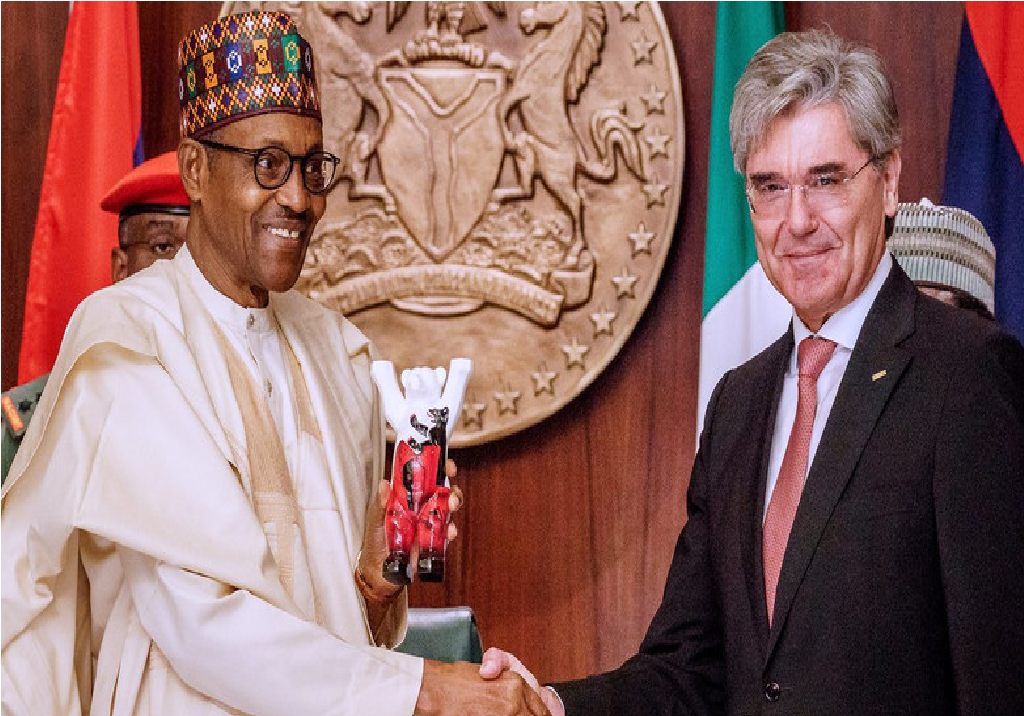
Since 2019 when the Nigerian government struck a power-generation deal with German company, Siemens, Nigerians were eagerly expecting the deal to disrupt the current epileptic electricity status quo and usher in a new order of constant electricity supply.

Three years later, the federal government appears to be giving their expectation hope of actualization. On Tuesday, FGN Power Company, a Special Purpose Vehicle (SPV) set up for the Nigerian-Siemens power deal said electricity equipment like transformers and mobile power substations are expected to arrive in Nigeria in September.

The delay in executing the partnership, which was attributed to Covid-19, has contributed to the deterioration of Nigeria’s poor electricity supply.

But the Managing Director, FGN Power, Kenny Anuwe, said on Tuesday in Abuja, while speaking on the project, that by the time the power equipment are installed, there would be major improvement in the supply of electricity in the country.

Per ThisDay, Anuwe explained among other things that the Presidential Power Initiative (PPI) in Phase 1 seeks to modernize, rehabilitate and expand the national grid by investing in the electricity value chain, including generation, transmission, and distribution systems of the power sector.

“We will start to see the implementation of the transformers and substations which have been purchased across the country starting from September, right through to December. We have some significant amount of equipment which will start to come in.

“Part of the minister’s objective in visiting Germany only a month ago, if you recall, was to engage the principals at Siemens on the president’s agenda for the PPI to ensure that we were able to deliver on the objectives

“I am happy to report that this has borne some fruits and we will start to see the delivery of equipment starting off in September this year,” he stated.

He also explained that yesterday’s programme was meant to provide the “codes”, the standards and the essential technological aspects of the project that the Distribution Companies (Discos) as well as other partners will abide by in the process.

“Essentially, this provides the minimum standards and requirements that they must utilize in implementing the project.

“Siemens equipment must comply with the local laws and regulations. And these are the things that we have put together to ensure that the Discos are all aligned with the FGN company power company and Siemens to implement the presidential initiative,” he said.

The Minister of Power, Aliyu, who was represented by the Permanent Secretary in the ministry, Mr. Nebolisa Anako, stated that the close-out event signified a milestone for the stakeholders in the sector.

“The objective of the PPI is to improve the end-to-end operational grid of the power supply in Nigeria to 25,000 MW, but the purpose in the next 18 months is to deliver additional 2,000 mw,” he said.

The Chief Technical Officer, FGN Power, Mr. Idowu Oyebanjo, in his intervention, said there are two parts of the project, including the onshore aspects that will take place in Nigeria as well as the offshore aspect that will take place overseas.

While Siemens would remain in charge of design and manufacturing of equipment, including control panels, mobile substations, he stated that the contractors will be in charge of logistics, transportation, storage as well as procurement and dismantling of substations for upgrades.

He added that while transformers in Nigeria are bought with the capacity to withstand about five Degrees Celsius, the new transformers could stay for 30-40 years because the transformers are now attuned to the Nigerian weather.

While attributing the delay in the project to the Covid-19 pandemic, he assured that with the expected supply of the mobile substations, as early as September, the work that has been done will begin to reflect nationwide.

“In six months’ time from now, we will be having the first tranche of supplies of mobile substations and transformers delivered on the shores of this country and that will be very, very helpful to the power grid,” he stated.

He denied the insinuation that there was any disagreement between the federal government and the German company as to the local content part of the project, insisting that the information was not correct.

“By means of mere coordination of what is going on in the power sector right now, we can even achieve the 2,000MW without a drop of power sector investment, but by September when all these equipment start to arrive, and we start to put them in the right places on the network, Nigeria’s will start to feel the impact in terms of power supply delivery,” he explained.

Epileptic electricity supply is one the bedrocks of Nigeria’s economic underdevelopment, resulting in poor business performance that has largely plunged Africa’s largest economy into abject penury. Last year, the World Bank said that unreliable power supply costs Nigeria about $29 billion annually, a situation that has exacerbated since then, forcing some companies to move their businesses to nearby country Ghana.

Nigeria has 8,000 MW installed electricity capacity but only about 4,000 MW is operable. Infrastructural development plans by successive governments since 2005, have failed to address the problem.

The partnership between the Nigerian government, German government and Siemens AG,  had a target of 7, 000 megawatts of power generation by 2021, (the 1st phase) and subsequently, 11, 000 megawatts by 2023, (the 2nd phase). It’s April 2022, which means that the first target has failed. It is only hoped that the new target of ‘2000MW in 18 months’ will not falter also as the partnership is resuscitated.

Illegal Oil Bunkering In Nigeria

0

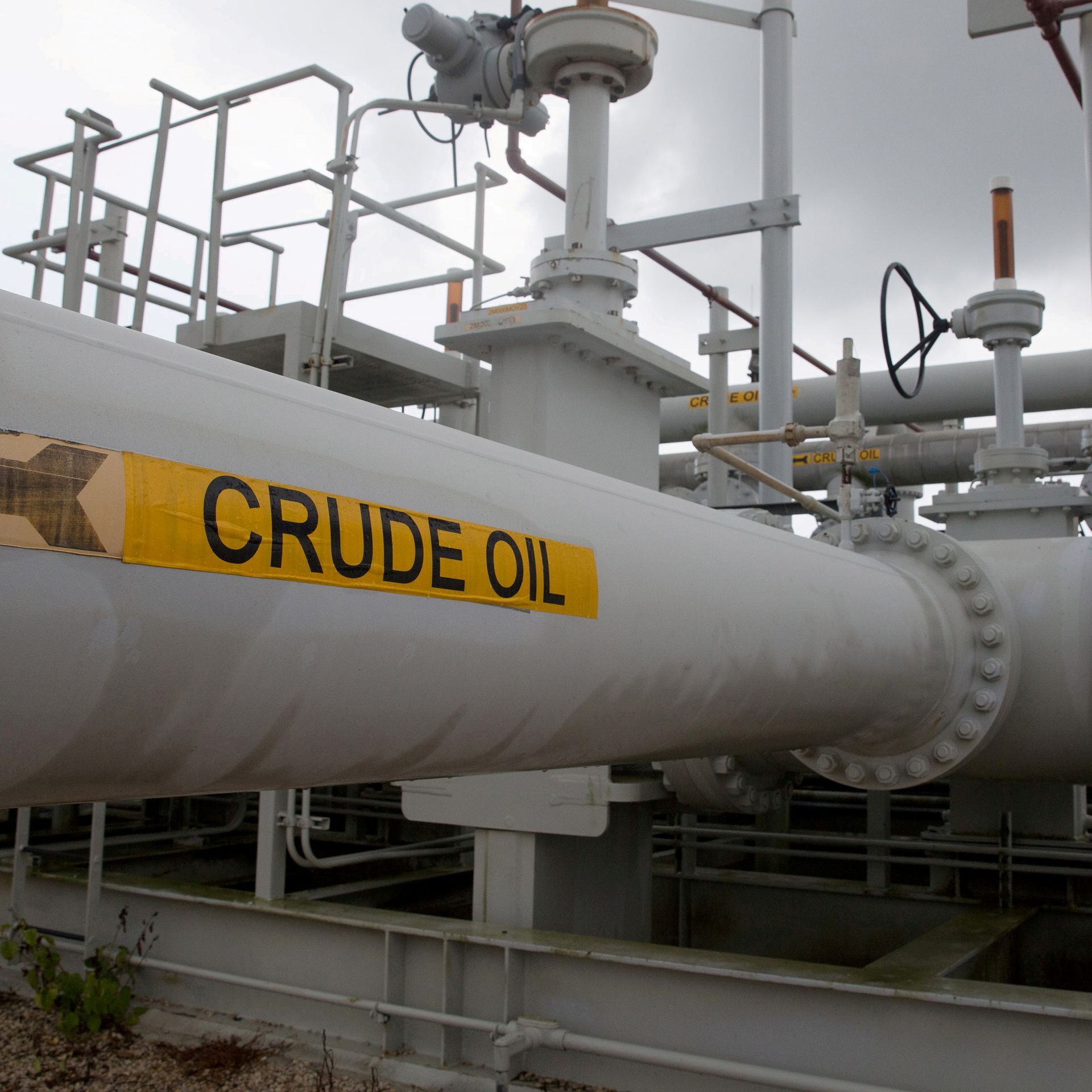
With the rate at which the country is ravaged by oil bunkering, one is always tempted to ask, will there ever be an end to oil bunkering in Nigeria? Just recently, over 100 persons lost their lives as a result of an explosion that happened at an illegal oil bunkering site in Imo state. Despite the risk involved in oil bunkering, it hasn’t in any way deterred people from still venturing into it.

According to reports, Nigeria loses $200m monthly to oil bunkering, yet the government still handles it with levity. No doubt the illegal activity of bunkering has a crippling effect on the economy of Nigeria. Oil theft siphons the main source of the Nigerian economy for private gains.

Different experts have estimated that the volume of oil theft in the country is between 100,000 and 250,000 barrels per day with billions of dollars lost yearly in revenue. Both the financial and environmental impacts of illegal oil numbering in Nigeria have reached an alarming rate, which calls for urgent intervention by the government.

Individuals continue to vandalize pipelines for years, siphoning oil that they sell for private gains. Aside from the financial impact of bunkering on the nation’s economy, oil bunkering poses a danger to the environment. Vandalizing pipelines and flow stations causes environmental damage to the region.

A case study is the Niger Delta, where the region has been saturated with oil, as a result of oil spillage associated with illegal bunkering and pipeline sabotage. This act has affected agriculture in the region and has made farmlands unconducive for planting.

Aquatic life has also not been left out, as they are killed in mass as a result of oil spills into the water. It’s high time the government declares war on these illegal oil bunkers because they are causing more harm than good which is also having an adverse effect on the nation’s economy.

Illegal oil bunkering can lead to the destruction of a community or the region because these activities are highly dangerous. Whenever there is an explosion, it can raze down buildings, causing many to be homeless. If the government continues to allow these oil bunkers to continue to vandalize pipelines, such criminal activities can cripple the nation’s oil and gas production.

It’s high time the government institutionalizes state police, and mounts checks, in communities where these pipelines pass through. Also, community policing will be effective, where few indigenes of a community can act as police which is officially recognized by the community chief and the government, to observe and report any illegal act of oil bunkering in the area.

Also, there should be routine checks by armed personnel and the state petroleum minister to ensure that there is no case of oil bunkering happening at designated areas where these pipelines are located. The government must understand that the Nigerian economy is heavily dependent on the oil sector, which accounts for over 95 percent of export earnings and about 40 percent of government revenues. If they continue to allow unscrupulous individuals to continually siphon the country’s major resources, it can pose a serious challenge to the country’s economy.

We acquired a significant portion in a Sierra Leone-based bank

0

Through US-based CADAP Americas, we have acquired a significant portion in a Sierra Leone-based bank. Our partnership with DAVID MEEK JAH is growing deeper and we will continue to look for opportunities in many African markets. I like visiting Freetown and will be there again soon.

Many banks in Africa do not understand farming. Even with technologies, they do not see the future. Now, with our banking institution, we will provide support mechanisms and advance agriculture, trade and other sectors. We have some of the most advanced agro-technologies for Africa. Closing the banking layer is an organic playbook.

We thank Afreximbank and JP Morgan Chase for their support.

And Malawi, we’re also coming. We like what we see there.

Tekedia Capital Invests in roPay, a HR-tech in Nigeria

0

We like them. They moved from $1 million GTV to $2 million at a very fast rate with zero marketing. Tekedia Capital is excited to announce that we have invested in Lagos-based roPay. A HR-tech startup, it helps organizations manage payroll and other HR matters, providing HR technologies to organizations of all sizes.

Tekedia Capital welcomes Ropay CEO Adedokun Agunbiade to Tekedia Capital family, the winner of best VC/Syndicate award in 2021 in Nigeria.

Please use roPay for your HR services. It is the best in the world.