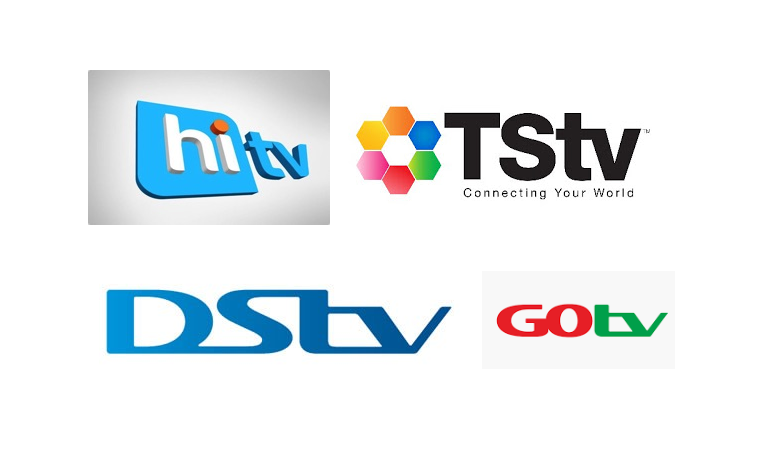
Many comments on FB and LinkedIn on my piece on Multichoice (DStv, GOTv) and my position that Nigeria should not use Courts to determine the price of an imported product. I have written on this many times: “MultiChoice (DStv, GOtv) was not built with debt. But HiTv and TStv went through life via debts. In the media business, in Nigeria, that is very risky. It is nearly impossible to grow faster than your bank interest rate.”
Indeed, controlling prices from the Court, while popular, will never improve our market systems. We have enough evidence that the rascality of the court has cooled investments in the electricity sector. They want you to invest $millions and be paid nothing. So, the implication is that no investor wants to invest because the smart court has priced electricity before it is produced.
Check potable water also; some rates have not changed for years, making investors run away from the opportunities. Push for changes, people will go to court to block them. In one state, the last water rate was updated in 1997!
Bringing that mindset to TV and shows may not be helpful unless everyone is ready to watch the Ajonkwu festival of Ovim Abia State. That may not be bad except that the show is free! But until we do that, bashing Multichoice without going after the root cause of empowering local companies will not help the outcome, court or no court.
It is a popular thing to kick Multichoice. But that does not make it the right move. Indeed, I have never read of where the activists have gone to court to block increased prices of milk, bread, noodles, yam, etc. These are the essentials we should put our energy into, and fight prices.
As I noted here, the only way to deal with Multichoice is to increase competition, not via the court. The opportunity remains. Yes, while many hail the Court for going after Multichoice, I want to throw it back to Nigerian governments: you need to build an ecosystem where great digital companies can thrive.
HiTV failed. TStv is struggling. DStv is winning territories. If you look at these companies, you will notice a clear catalytic difference: funding mechanisms. DStv was built by the largest purse in Africa, the unlimited Naspers of South Africa, which has so much money that it could buy all the publicly traded stocks in Nigeria with just 30% of the Group’s market cap. This is a company that battles Facebook and comes out as a winner. MultiChoice, though separated and traded differently now, connects to that heritage of wealth. At any point, Naspers has more cash on its balance sheet than …. (let me not make people feel bad).
Building A MultiChoice (DStv, GOtv) Challenger in Nigeria; HiTv, TStv Weakest Factors
Update: Telecom operators are planning to increase rates to manage the higher costs of delivering services in Nigeria. This goes back to the root cause of most recent price changes: cost of production is rising and companies are adjusting prices accordingly. Possibly, someone will go to court to stop them as was done in the case of DStv!
The Association of Licensed Telecommunication Operators of Nigeria (ALTON) also says it is considering varying tariffs to some ‘unfriendly telecommunications states’ in order to accommodate their demands. ALTON is an association of major telecoms operators, including MTN, Glo and Airtel. The Chairman of ALTON, Gbenga Adebayo, told journalists on Thursday in Lagos that the high cost of energy and security of telecom workers was hampering its operations.