DD
MM
YYYY

PAGES

DD
MM
YYYY

spot_img

PAGES

Home Blog Page 5263

#IamAnEngineer

1

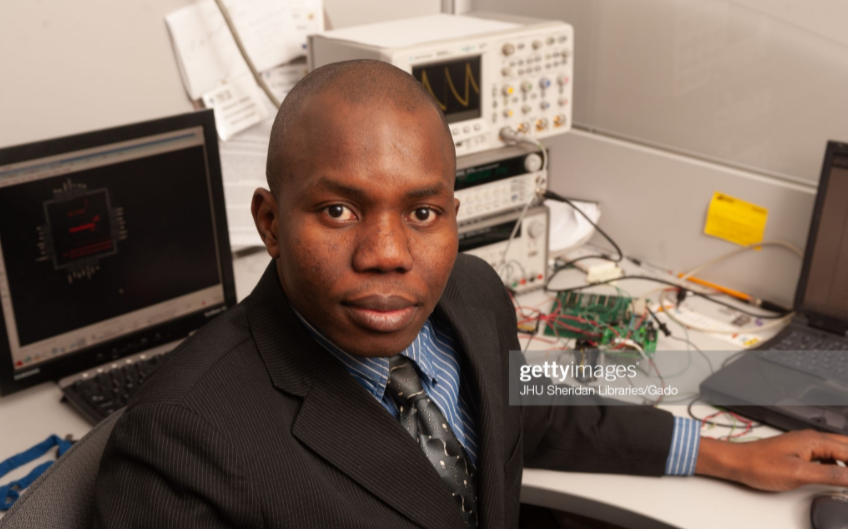
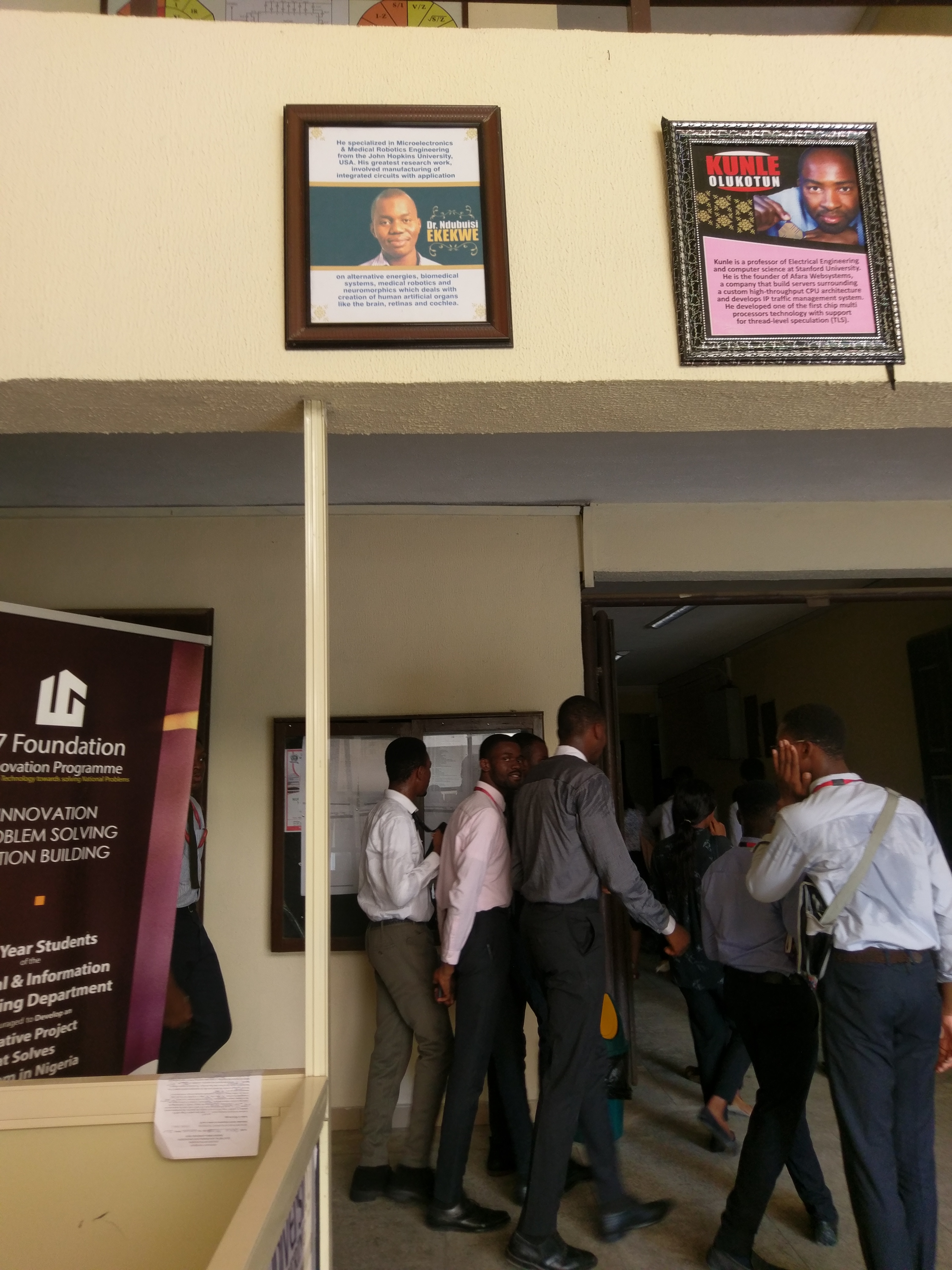
Never a bigger honour than when Africa’s finest private university puts your portrait in its building. They referenced my PhD thesis in the Johns Hopkins University, and the patent out of it, and which the United States Government sought and received assignee rights. I developed a way to make it possible for robots to operate on humans (minimal invasive surgery across abdominal, thoracic, etc). It turns out that the technology is also useful for astronauts as they navigate limited gravity in space. I am so proud that my work is going to be used in space. Thanks Covenant University for the honour. #IamAnEngineer

Musk Launches Tesla Gigafactory in Germany

0
elon musk
elon musk

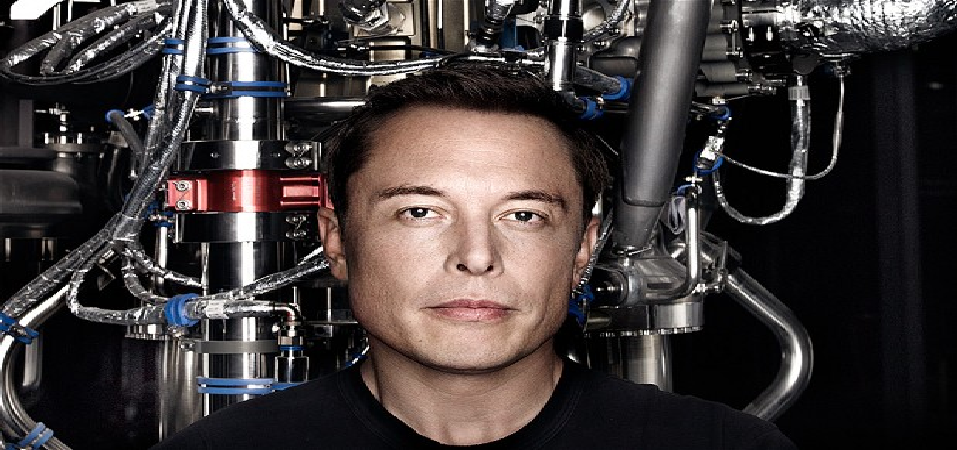
After conquering North America and Asia, Tesla’s CEO Elon Musk has shifted his attention to Europe, hoping also to win competition with rival European EV companies.

Musk was at the inauguration of Tesla’s German gigafactory on Tuesday, where new Tesla models were unveiled to the excitement of clients.

Reuters reported that Musk was cheered as he oversaw the handover of Tesla’s first German-made cars at its Gruenheide plant on Tuesday, marking the start of the U.S. automaker’s inaugural European hub just two years after it was first announced.

Loud music played as 30 clients and their families got a first glimpse of their shining new vehicles through a glitzy, neon-lit Tesla branded tunnel, clapping and cheering as Tesla Chief Executive Musk danced and joked with fans.

“This is a great day for the factory,” Musk said, describing it as “another step in the direction of a sustainable future”.

Europe is a top destination in Musk’s bid to make Tesla a global auto brand, a bid which was limited by lack of a Tesla factory in the region. But there has been opposition.

Per Reuters, German Chancellor Olaf Scholz, who was also at the event and lauded the gigafactory as the future of the car industry, witnessed some environmental activists block the factory’s entrance in protest over the factory’s high water use.

The European Union takes environmental concerns seriously and the gigafactory was caught up in a series of it. Musk’s hope to begin output from the factory mid-last year was thus delayed due to licensing issues bordering on environmental concerns.

Until March 4, when it got approval from local authorities to begin production under stipulated conditions that addressed the environmental concerns, Tesla was forced to service European orders from Shanghai.

The delay in getting production approval for the German plant was compounded by global chip shortage and other supply chain disruptions, forcing Tesla to increase the cost of its vehicles.

However, the new Tesla plant means German-based auto companies, especially Volkswagen, making a shift to electric vehicles now have a major challenger in their backyard.

On Tuesday, new German owners received the Model Y Performance configuration, a vehicle costing 63,990 euros ($70,491) with a 514 km (320 miles) range, Tesla said, adding that new orders from the plant could be delivered from April. Tesla said that around 3,500 of the plant’s expected 12,000 workers have been hired so far.

Reuters reported that at full capacity, the plant will produce 500,000 cars a year, more than the 450,000 battery-electric vehicles that German rival Volkswagen sold globally in 2021.

It will also generate 50 gigawatt hours (GWh) of battery power, surpassing all other plants in Germany.

For now, Volkswagen still has the inside track in the race to electrify Europe’s fleet, with a 25% market share to Tesla’s 13%. Musk has said ramping up production would take longer than the two years it took to build the plant.

JPMorgan predicted Gruenheide would produce around 54,000 cars in 2022, increasing to 280,000 in 2023 and 500,000 by 2025.

Volkswagen, which has received 95,000 EV orders in Europe this year, is planning a new 2 billion euro EV factory alongside its existing facility in Wolfsburg and six battery plants across Europe.

But its timeline lags Tesla’s, with the EV factory due to open in 2026 and the first battery plant in 2023.

Nigeria Electricity Woes, High Diesel Cost, Crippling Businesses

0

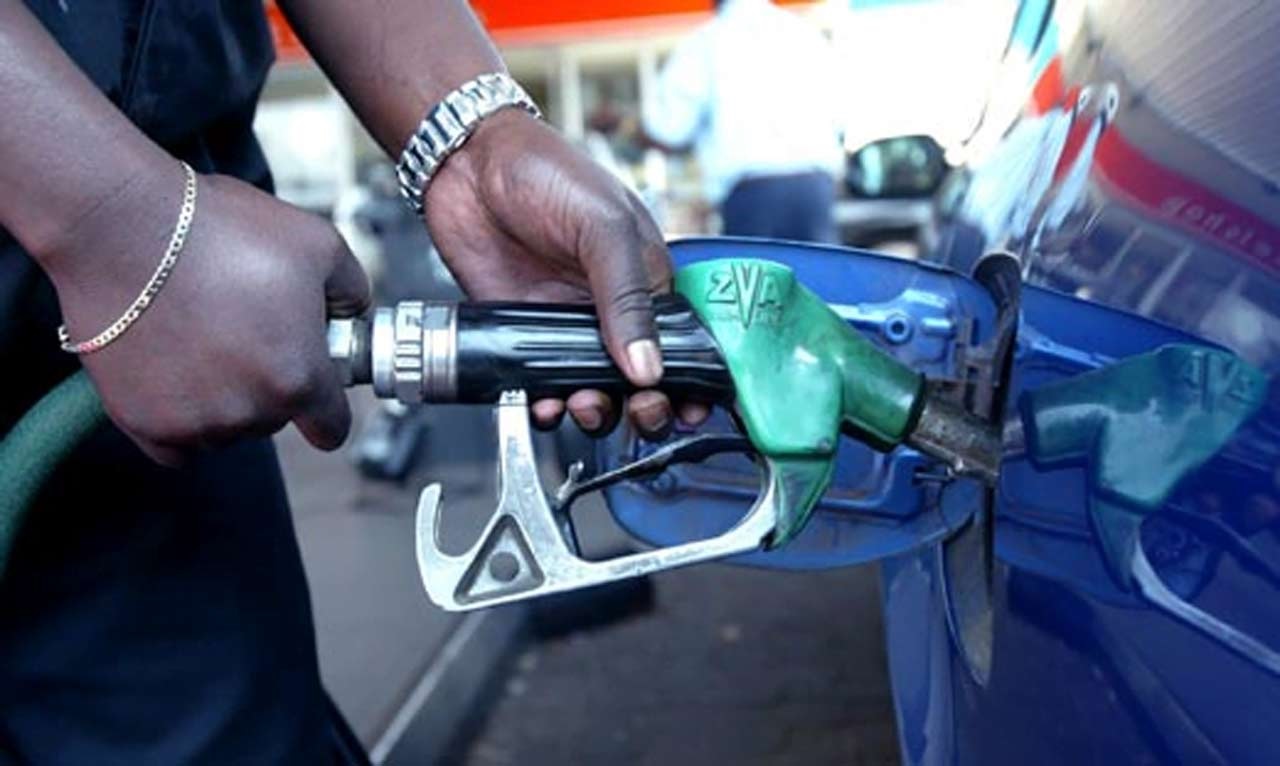
With the cost of diesel rising from $0.75 (N312) per litre to $1.92 (N800), the price of petrol also skyrocketing, coupled with poor electricity supply, businesses in the country continue to suffer loss. Just recently, the Manufacturers Association Of Nigeria (MAN) raised an alarm over the negative impact of the skyrocketing price of petrol and diesel which is making it almost impossible for them to continue to operate.

They have appealed to the state and federal government to urgently come to their aid, as energy cost is currently gulping over 50 percent of their operating costs. Truth is, If the government dilly-dally on this issue rather than move into swift action, it can spell doom for the real sector which might see it collapse which will definitely lead to thousands of people losing their jobs. These negative outcomes have a ripple effect in the society, as high job loss will lead to an increased crime rate and insecurity in the country.

Chairman of Manufacturers Association Of Nigeria(MAN) Kwara/Kogi branch, Mr. Bioku Rahmon lamented that power which accounts for over 40 percent of factories costs, has now doubled with this major cost element, the cost implications in the overall cost outlay for industries have precipitated an alarming rise in the production costs, running costs and costs of transporting raw materials and finished products, all of which have now become more unbearable players in the country.

Not only are businesses and manufacturing companies affected, banks are also not left out. According to sources, most banks in the country are beginning to cut down their banking service hours. Some had to send messages to their customers notifying them of the new closing time which is now 4 pm instead of the usual 5 pm closing time. This adjustment was made as regards the poor electricity power supply in the country and also due to the rising cost of diesel. Most of these banks are beginning to look for alternative energy sources such as Solar, as they strive to limit the impact of the skyrocketing diesel cost on their operations.

This period is indeed a challenging one for businesses in Nigeria, most especially SMEs, as they continue to accrue more losses than profits in their business due to lack of power supply and high petrol/ diesel prices. It’s an irony that a country like Nigeria, known as one of Africa’s biggest oil-producing countries, yet manufacturers and retailers are currently facing intense pressure and hardship from rising fuel and diesel costs, coupled with poor electricity supply.

Manufacturers are now faced with an escalation in the cost of production which will see the erosion of profit margins, and many businesses and companies will now have to face the risk of continuity. There is currently inflation in the price of goods, due to the high cost of production. Just recently Multichoice increased Dstv and Gotv subscription rates due to the ongoing inflation. The firm blamed “rising costs of inflation and business operations” for the increase. Also the price of sachet water commonly known as “pure water” has doubled across most states in the country. Things are really becoming unbearable for the masses as the standard of living in Nigeria continues to increase.

According to statistics, 12 in every 25 Nigerians make use of generators, spending about $16 million to fuel only 14 million generators annually. This is indeed painful and shameful for a country that calls itself the “giant of Africa”, but has failed to live up to the acclaimed name.

If a country like Ghana that doesn’t rank up to Nigeria in terms of natural resources and GDP can celebrate years of uninterrupted powers supply, then this is nothing but gross incompetence on the part of the leaders in Nigeria. Achieving efficient power generation and distribution of electricity in Nigeria has over the years remained a sore point and a major threat to the growth of the economy. It’s high time the government implements measures to put a halt to this incessant hike in petrol and diesel prices and also see to ensure that the country enjoys a stable power supply, because lack of these things will take a toll on the economy of the country which creates problems for the people, businesses, and manufacturers.

Tekedia Live – “Financial Modeling and Business Valuation”.

0

He is a very brilliant young man. He graduated with First Class honours from the University of Lagos. He works in the temple of business where amazing professionals make business work, across sectors and territories, by deepening our understanding of the mission of firms, and the utilization of factors of production.

Tekedia Institute Faculty Philip Bakare – ACA, Dip.IFR(ACCA), BSc will be in class tomorrow to teach “Financial modeling and Business Valuation”. How do you know what that business is worth? How do you make it physics? Come and learn from the best.

To register for the next edition of Tekedia Mini-MBA, go here.


The 5G Network And Nigerians’ Perspectives

0

It’s noteworthy that several Nigerians have been made to believe that the Fifth Generation (5G) is nothing but a dead zone targeted to consume the entire human race.

In other climes, most Nigerians are of the notion that the said network is just a politically-motivated missile meant to override the country’s socio-political space.

One inevitable fact we, as a people, must embrace is that technology has come to stay not just in Nigeria but across the global community, hence anyone who makes an effort to tag it a monster is really taking himself aback. Though it has done several wrongs, the rights emanating from its existence remain innumerable.

On the above note, it’s very pertinent and crucial to fully comprehend the meaning and essence of the 5G network. As the acronym implies, it’s a 5th Generation mobile network. It is dedicated to handle a much larger role than that of the already existing ones such as the 1G, 2G, 3G and 4G networks, respectively.

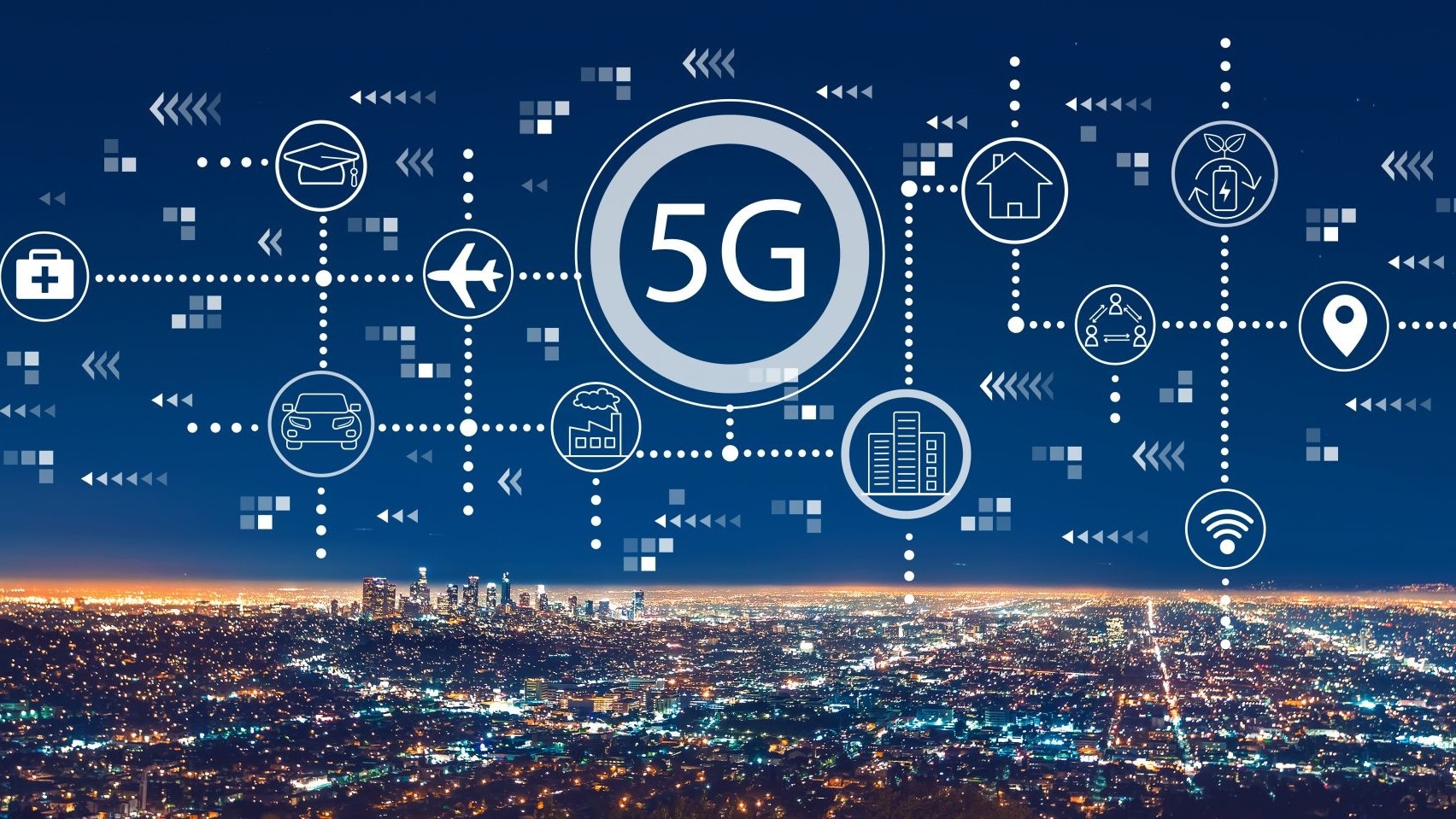
5G was introduced to elevate the mobile network to not only interconnect people, but equally interconnect and control machines, objects, or any form of devices. It’s meant to deliver new levels of performance and efficiency that would empower new user experiences and connect new industries.

The 5G network is meant to deliver multi-Gbps peak rates or faster speeds, ultra-low latency, massive capacity, coupled with more uniform user experience. It’s imperative to note that the 1G was designed to solely deliver analog voice, 2G for digital voice, 3G necessitated mobile data, whilst the 4G ushered in the era of mobile internet, which we are currently enjoying.

In summary, 5G is a new kind of network in the telecom sector. It’s a platform for innovations that won’t only enhance today’s mobile broadband services, but equally expand mobile networks to support a vast diversity of devices and services, as well as connect new industries with improved performance, efficiency and cost.

5G is, therefore, an advanced wireless technology that has begun wide deployment since 2019. It’s worth noting that, as at October 2019, over four million Koreans had access to the 5G network.

It’s equally amazing to comprehend that China has for long deployed over 100,000 base stations in her quest for 5G wide usage. Survey revealed that about 150 million 5G mobile subscribers were expected in the Asian country by 2020.

Leading international organisations, such as the World Health Organisation (WHO) and the International Telecommunications Union (ITU), alongside various independent medical experts, have confirmed that the deployment of 5G networks leave no adverse health effects and are safe.

It’s noteworthy that several countries have already commenced the deployment of 5G and are currently enjoying its numerous benefits. Some of these countries include the United Kingdom, United States, and Korea Republic, to mention but a few. Even on the African Continent, countries like South Africa and Lesotho have equally keyed in. This information is verifiable.

Technically speaking, reliable research indicates that the 5G network offers significant advantages over the current technologies. Some of its advantages include, but not limited to, much lower latency, higher bandwidth, greater device density, longer battery life for nodes and greater network flexibility.

On the other hand, the 5G network operates in a high-frequency band of the wireless spectrum, between 28 and 60 Gigahertz (GHz). It’s expected to add unlicensed frequencies such as the 3.5 GHz to its list of new frequencies for mobile use. This means a lot of bandwidth would be available to the teeming users.

The aforementioned factor signifies that the 5G won’t only boost ease of communication among telecom subscribers but equally expand the economic band or prospect of any country involved.

Since the 5G mobile network will soon apparently dominate the global telecom sector, Nigeria as an entity must therefore not act in abeyance than to concentrate on how best an effective and efficient 5G can be duly introduced and utilized in the Nigerian space.

As Nigeria, likewise other developing countries, is still trial-testing her technologies and securities toward creating and launching a wholesome environment for the 5G network, she must acknowledge the key parameters that require apt consideration and attention.

At such a time like this, the authorities imbued with the powers to regulate and manage the telecom space must concentrate on the intricacies surrounding the technicalities and securities of the 5G network towards ensuring it isn’t hijacked by men of the underworlds.

They must, therefore, deploy the needed expertise and mechanism to avert any form of criminalities likely to emerge thereof. This very aspect, which is very crucial and inevitable, might require suitable legislation.

More so, it would interest – or perhaps shock you – to realize that over 70% of Nigerians are presently yet to key into the Fourth Generation (4G) Network, let alone the 5G. This is the reason the concerned bodies need to speed up action on awareness and sensitization.

5G has conspicuously come to stay, hence we must focus seriously on how to embrace and welcome it. But mind you, this cannot aptly be done if the needful isn’t duly considered.

Hence, as Nigeria’s government is making efforts to fully introduce the services of the 5G network into the country, all needed parameters must be duly considered.