DD
MM
YYYY

PAGES

DD
MM
YYYY

spot_img

PAGES

Home Blog Page 5272

Innovate Symphonically With Tekedia Mini-MBA

0

In Shakespeare’s Twelfth Night, Duke Orsino delivered one of the most memorable lines when he said “If music be the food of love, play on”. Shakespeare did not stop there: in a scene in Hamlet, when Lord Polonius asked Hamlet “What do you read, my lord?”; Hamlet responded “Words, words, words”. People, if innovation drives the wealth in firms, design is the “music” and “words”.  And that innovation is increasingly symphonic.

Symphonic Innovation is innovation that is not domain-specific, but is anchored on a unified and harmonious approach in the deployment of business components to accelerate productivity gains and cushion competitiveness.

As we explained it in Tekedia Mini-MBA, with Symphonic Innovation, you do not deploy and launch for one technology area like blockchain only to be tripped by AI or big data; you launch with a mindset that these technologies are like extended musical compositions which must be carefully organized to make the orchestra an unforgettable experience.

Innovate symphonically, with us.

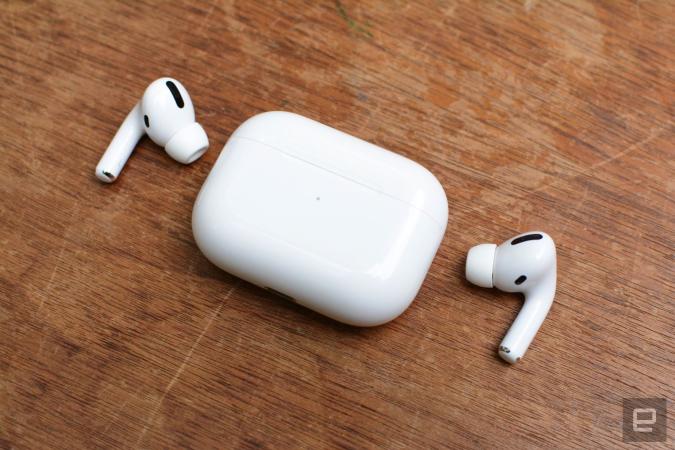
3 product development lessons from Apple’s AirPods

0

StatsPanda recently released data showing that the full year 2020 revenue from one of Apple’s products – Airpods – dwarfs those of several top tech companies including Twitter, Spotify, Shopify, Uber, and Adobe. Apple brought in over $23 billion only from the sale of Airpods, to top Adobe’s total 2020 revenue at $12.87 billion, double Uber’s $11.14 billion, more than two times Spotify‘s $9.55 billion, and more than six times Twitter’s $3.72 billion.

You will think this is fairly impressive until you go back and read through it again, to realize that we are talking about revenue from a single product. This figure does not capture revenue from sales of iPhone, Mac, or any of Apple’s services. It is just a single – but now a prime – product that was introduced in late 2016. Of course, you may have read other expert analysis that talks about how this figure is more than some countries’ annual budget, but that is not the concern here.

Reflecting on it, I thought there are a couple of lessons startup founders could take from Apple.

First, the AirPods were introduced into the market at a time Apple was already seeing a drop in the sales of its iPhones and other products. The diminishing global demand for smartphones, and Apple’s decision to stop disclosing unit sales for iOS devices and Macs in its financial reports, gave even more concerns that the financial situation could be really serious. The space was getting competitive and Apple had the rest of the smartphone companies as its competitors.

The lesson for founders here is that when you experience a drop in sales or competition gets tougher, it could be time to inject a new product. The smartphone space was getting saturated and unique as Apple’s offerings were, competitors seemed to be offering equally sleek designs, but lower than Apple’s premium pricing. It would have seemed at this time that just injecting a new iPhone model could not solve the problem. Apple did its research and came up with this tiny product that is now bringing in so much revenue to the company.

Second lesson. When Airpods was introduced in late 2016, people thought the innovation a bit ridiculous. Some worried that they would fall off the ears and easily get misplaced. It became the center of some really tough jokes. Maybe some lily-livered entrepreneur in a similar situation would have withdrawn the product from the market, but Apple did not. They have sure made improvements and additional features to the product since it was innovated, but at the core, the value remains. With it, one does not have to have wires tied all around him to use a hearing.

The last thing to note in Apple’s strategy is that services still make a significant of Apple’s income. The iCloud subscriptions, Apple Music, the App Store, and others are those little services that will continue to bring in revenue for Apple. The fact that you cannot use any of Apple’s products without the services means that as long as the products are out in the market, Apple will continue to make revenue from its services. Even when the sale of iPhones was experiencing a decline, the revenue from services remained.

Never joke with your services. It is an excellent idea to have products and solutions, but where possible and as soon as you can, get a continuous maintenance service that you can give to the market. Tie your services to your products, so that even if you fail to make new sales, you will have revenue from servicing customers who already have your products. If all your income can only be traced to your products, then you are setting yourself up for continuous work. In most businesses, there will be times of declined sales, and if declining sales heavily cut into your revenue, making it hard to stay operational, then you do not have a sustainable model yet. It is a little of both – services and products.

Canada’s HealthTech AI firm, NuraLogix, Partners with Tekedia Capital Portfolio Firm, LaFiya TeleHealth

0

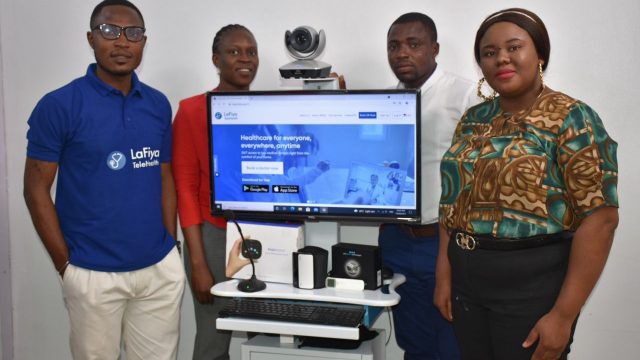
NuraLogix, a leading HealthTech AI company, has announced a new partnership with LaFiya TeleHealth, a Nigerian-based telehealth platform which provides 24/7 virtual healthcare services to residents in remote and rural areas. Tekedia Capital was the first institutional investor in Lafiya Telehealth. And we have invited the company to return back to Tekedia Syndicate. If you want to own a piece of Lafiya Telehealth, join as we release the startups today.

The Nigeria budget included Lafiya Telehealth products and services in its current budget, and the startup will provide $millions worth of services to the Nigerian people through many initiatives.

LaFiya Telehealth provides medical care access to patients living in urban and rural areas across Nigeria. Using the platform, patients are able to connect with doctors and pharmacists regardless of their location or financial status to receive prescriptions, schedule drug delivery, have virtual consults, and more.

LaFiya Telehealth has integrated NuraLogix’s Anura, a groundbreaking product that uses patented transdermal optical imaging (TOI) technology to provide contactless vital sign monitoring, into a new service offering called the “AI HealthChecker.” Using the LaFiya website, app, or kiosk, patients are able to receive instant medical-grade health and wellness measurements after a 30-second video selfie. The vital sign measurements can be shared through email or SMS with regional healthcare professionals for diagnosis, treatment and medical advice.

This integration enables patients to have a better understanding of their health, and provides medical professionals with the appropriate information to assess, triage, and recommend treatment. The “AI HealthChecker” is currently integrated into 10 hospitals, 10 medical lab centers, and over 1500 pharmacies across Nigeria.

The integration of the NuraLogix’s Anura into the LaFiya AI HealthChecker began on January 17, 2022, and is now fully functional. There are currently over 540 users on the “AI HealthChecker” who have tested the service and provided positive feedback.

In addition to increasing access to healthcare for rural residents, this integration will also help eradicate neglected tropical diseases (NTD’s) across Nigeria, and will decrease maternity and infant mortality rates. Some regions currently only have one hospital within 100km serving a population of more than 35,000, leaving patients with no access to healthcare, or a lengthy travel journey.

Other benefits of this partnership include lower cost of healthcare delivery, and preventing “brain drain” when talented professionals leave the region to seek work elsewhere.

The next steps in this partnership are to begin the mobile version integration. LaFiya Telehealth also plans to continue to build partnerships with local health providers, hospitals, government, NGO’s, schools and organizations to build models of care to support regions with few healthcare providers.

About NuraLogix

NuraLogix Corporation – are the creators of the world’s first contactless blood pressure measurement technology. Their technology provides medical-grade vital sign measurements and health risk assessments using data gathered from a simple 30-second video selfie. Their solution is targeted at use cases such as telehealth, remote patient monitoring, employee assistance programs, remote elderly care, health and wellness, insurtech and more. Learn more at https://www.nuralogix.ai/

About LaFiya TeleHealth

LaFiya TeleHealth is a digital healthcare platform that provides on-demand 24/7 healthcare services to its clients. From exclusive walk-in mobile station kiosks to a smartphone app, it provides patients with the ability to instantly connect with a certified doctor or pharmacist regardless of their location or financial condition. Learn more at: https://www.lafiyatelehealth.com/#/about

Thank you our donors for your generosity

0

This is to THANK all our donors and partners who continue to support young people to attend Tekedia CollegeBoost as schools embark on another ASUU strike in Nigeria. I want to thank Olu Ajanwachuku, Nnamdi Nebo, and many others who have supported by offering generous scholarships.

Tekedia Institute is a school for schools as it is the only institution in Africa where students from many colleges, universities, polytechnics, etc converge. 

Thank you. Eyitayo Adeleke is here for anyone who wants to support one or more. We discounted our CollegeBoost program, making it easier for students to attend while they wait for ASUU and the Nigerian government to fix their issues.

And with the new Funds we have created in Tekedia Capital, we are working to make it possible that great young people can leave colleges and build companies, under mentorship from experienced business leaders. We think the young grads are smarter, and they will lead the way.

You can learn more about the program here.

Nigeria And The Incessant Building Collapse

0

Building collapse has been of serious concern to any sane individual or entity domiciled within the contemporary Nigerian society.

The anomaly has hitherto constituted a colossal harm to not just the engineering-technology sector but Nigeria at large. In some quarters, many individuals have chosen to keep their eyes widely open while sleeping.

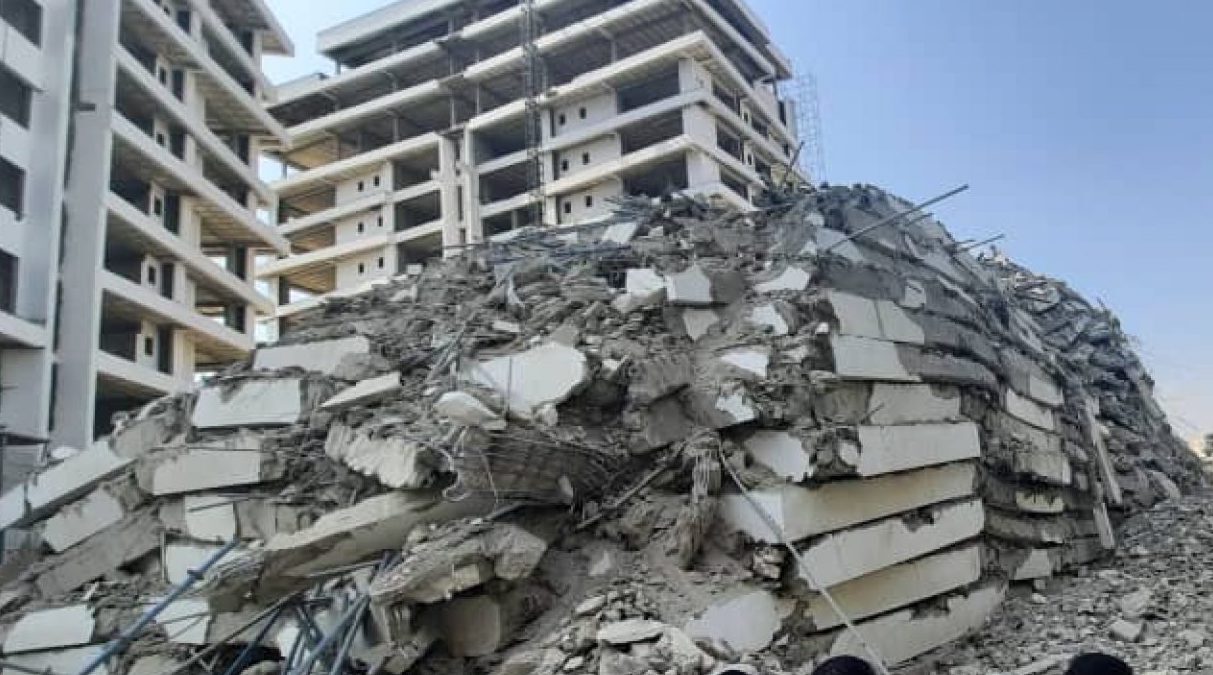
On 13th March 2019, Nigerians were shocked to their bone marrow when notified that a certain 3-storey building situated on the Victoria Island of Lagos State abruptly collapsed, thereby claiming about twenty lives and inflicting different degrees of injury on countless others.

It was consequently reported that the third floor of the collapsed structure was being occupied by primary school pupils who were already unfortunately present for their usual studies prior to the bad omen.

Barely forty-eight hours after the ugly and unspeakable incident, it was learnt that another 3-storey building in Ibadan, the Oyo State capital equally collapsed unannounced, injuring a lot of Nigerians, though no life was reportedly lost.

Statistics indicate that within the aforementioned period, countless buildings situated across Nigeria collapsed unceremoniously as if a structure can be brought to the ground at any time by mere breeze or thunder storm.

In March 2006, the top nine floors of a 21-storey building belonging to the Bank of Industry, located on the famous Broad Street – still on the Lagos Island – caved in, killing two and injuring twenty-three others.

In August 2010, a 4-storey uncompleted building at Ikoli Street in Garki, Abuja brought the Federal Capital Territory’s name into the list, thus reportedly claiming not fewer than twenty-one lives and endangered nine.

Survey reveals that between 2012 and 2016 alone, Nigeria recorded about fifty-four building collapses. Though the unfortunate situation is not peculiar to the country, its recent alarming rate calls for an apt and urgent attention.

To duly tackle the societal menace, the concerned authorities must comprehend the rudimentary factors that invariably constitute the quagmire. Building collapse is mainly attributed to substandard products, quackery, mediocrity, cheating, and/or soil texture cum topography, coupled with other environmental factors, as the case may be.

The dangers inherent in the use of substandard building materials cannot be overemphasized. These materials such as brick blocks, cement, sand, and rods, are not in any way meant to be used in constructing mere boys’ quarters let alone deploying their services in storey building constructions.

Regarding blocks, it’s either the cements used in the molding weren’t good enough, or the sand utilized was nothing to write home about. There are specified sands meant for molding but most block industries don’t bother going for them, probably owing to the cost of conveying it to the molding site.

Since people, especially those residing in cities are often in a hurry, they are invariably left with no option than to patronize such block firms as stipulated above, hence posing danger for the proposed structure.

Quackery and mediocrity cannot be left out. It’s worth noting, perhaps shocking, that most of those who claim to be structural engineers, architects, or what have you, never attended any engineering or architectural class even for a day let alone becoming professionals. These amateurs go about causing avoidable harm in their respective jurisdictions.

They are just mere quacks parading themselves as chartered technologists. Pathetically, some of them who had the privilege to pass through a higher institution didn’t obtain the required training or expertise, thereby constituting structural defects when contracted to handle a certain building project.

A sound and qualified contractor is expected to thoroughly inspect the site for the proposed building, adequately advise the prospective landlord, tactically implement the project, complete it within a stipulated period, as well as know what to do while converting a mere bungalow to a storey building. When any of these professional functions is missing, it becomes a burden to the affected building when purportedly completed.

Away from substandard products and quackery, soil texture or topography, as might be the case, has equally been a thing of great concern while discussing building collapse in Nigeria. Houses are usually built on swampy sites in reverie areas like Lagos and Port-Harcourt without carrying out the required preliminary design, thus leading to collapse in the nearest future.

The aforementioned type of land is not strong. They are sandy or loose, but contractors build on them using templates that are meant for better compacted lands. Sometimes the contractor would know what to do but rather than doing the needful, would be only interested in his money or what he stands to gain as long as the contract lasts. This aspect of cheating or insincerity is currently on the rampage in the present days’ Nigeria.

Similarly, an architect is expected to thoroughly ascertain the nature of the land where the proposed building is to be sited before putting up the required design. The kind of structure to be erected on a certain site is directly dependent on the type of soil or land topography. It’s even more appalling to realize that most of these structures are erected without a building plan.

There must be a plan before a proposed house or building is eventually built. And an eligible civil engineer is needed to inspect the design or building plan before it would be implemented by the site contractor who should be a builder or structural engineer. These professionals are meant to work hand-in-hand towards erecting a formidable structure.

The Standards Organization of Nigeria (SON) in collaboration with the Nigeria Customs Service (NCS) must take a drastic and severe step toward ensuring that substandard materials are no longer smuggled into the country as it has reportedly been the case in recent times. Hence, the various borders need to be holistically strengthened headlong. The SON ought to also properly regulate the locally made ones.

On the other hand, relevant professional bodies, including the Council for the Regulation of Engineering in Nigeria (COREN), Nigerian Institute of Building (NIOB), Nigerian Society of Engineers (NSE), and Nigerian Institute of Architects (NIA), ought to respectively employ a stiff measure towards addressing the crisis.

When any building is under construction, they should in their, individual or collective, capacity endeavour to ascertain the contractor handling the project to ensure his credibility as well as inspect the site and plan being utilized.

If a building eventually falls, they must ascertain the root causes of the collapse and not hesitate to issue the apt sanction to the affected contractor if found guilty. They should equally go beyond sanctioning; any culpable individual ought to be arraigned without any fear or favour, so that he will squarely face the wrath of the law.

Inter alia, the authorities on physical planning or development control situated in the various states across the federation must be very proactive and professional in their respective dealings with prospective landlords and developers.

It has been reported in various quarters that most of these government agencies oftentimes pay attention to frivolities to the detriment of priorities. The concerned governments must therefore look inwards with a view to addressing this kind of illegitimate and uncalled for acts.

Intending landlords are also advised to consult aptly whenever they intend to erect a building. Don’t just jump to any so-called contractor you find on your way. If you succeeded in contracting any, endeavour to confirm his/her authenticity or background by enquiring from the relevant authorities.

Eligible structural contractors, on their part, ought to feel free to consult their colleagues for any professional assistance when need be. And, they should also regularly be research-oriented towards enhancing their expertise at all times.

Above all, all structural professionals must take into cognizance that foundations and pillars, coupled with decking in the case of storey building, remain the basic factors that determine the validity of any structure.