DD
MM
YYYY

PAGES

DD
MM
YYYY

spot_img

PAGES

Home Blog Page 5324

Some solid ways to legally protect your business

0

Starting a business and sustaining a business  is a big deal especially in this part of the world where businesses are likely to fail than flourish and that’s why as a business owner you need to always cover every loophole that would expose your business to poachers, copycats or impostors and even from the general public. 

In order to remain in business, you need to constantly protect your business judicially and judiciously  as your brain child and as your intellectual property. 

Here are some of the ways how you as a business owner can legally  protect your budding or booming business or startup. 

  1. Register your business with the corporate affairs commission (CAC). The first step of starting a business is registering that business with the corporate affairs so that the business can legally become a body corporate. One of the benefits of registering your business with the corporate affairs is that your business name will be reserved and you have the exclusive right to be the sole owner and  user of such a name you have given your business and customers and associates have come to know your business with. When you register your business with the corporate affairs, your business name becomes protected for you against impostors who would want to ride on the business name that you have built to become a household name. Also, your business becomes a statutory body that can sue and be sued. 
  2. You can also protect your business by creating trademarks and patents  for your business inventions and innovations. You can trademark your business logo, the designs, the brand and every other intellectual property that spanned off your business. Whenever you trademark any of your business intellectual properties, that becomes protected legally and you have exclusive right to that logo, designs  or brand and you can sue for infringement whenever another person uses your trademarked property without your expression permission. 
  3. You can also protect your business by making use of contracts and contractual terms duly drafted and signed by you and anybody you want to partner or go into business with. You can make use of contracts to protect your business by inserting clauses like; non disclosure agreements, your business rights and remedies and even your own rights as the business owner. 
  4. If your business runs a website, you can as well protect your business and your business website by inserting privacy policy and terms and conditions on the website. 
  5. You can also protect your business by copyrighting your contents especially if you are in the business where you have to constantly create and put out contents. Copyright (or author’s right) is a term used to describe the rights that creators have over their literary and artistic works. You can copyright your literary works like books, articles, paintings, videos, graphics, maps, even your database and computer programs can be copyrighted. Surprisingly, you can also copyright your social media posts and contents. 
  6. If you are in a business where you constantly create and manufacture products you should protect that blossoming business of yours by patenting your products against intellectual property theft. A patent is an exclusive right granted for an invention, which is a product or a process that provides, in general, a new way of doing something, or offers a new technical solution to a problem. 
  7. If you are in the business of sales, you can protect your business by inserting refund or return policy clauses  or making known your refund or return policy in every goods that a customer has purchased or is taking home. These refund or return policy clauses will protect you as a salesperson from unsatisfactory customers who would want to take advantage of you. 

These are some of the ways that you as a business owner can legally protect your business to avoid going into unnecessary legal battles or in some extreme cases losing your business to competitors. 
Tekedia Capital Portfolio Startup Mecho Autotech Raises $2.15M, Oversubscribed by 300%

0

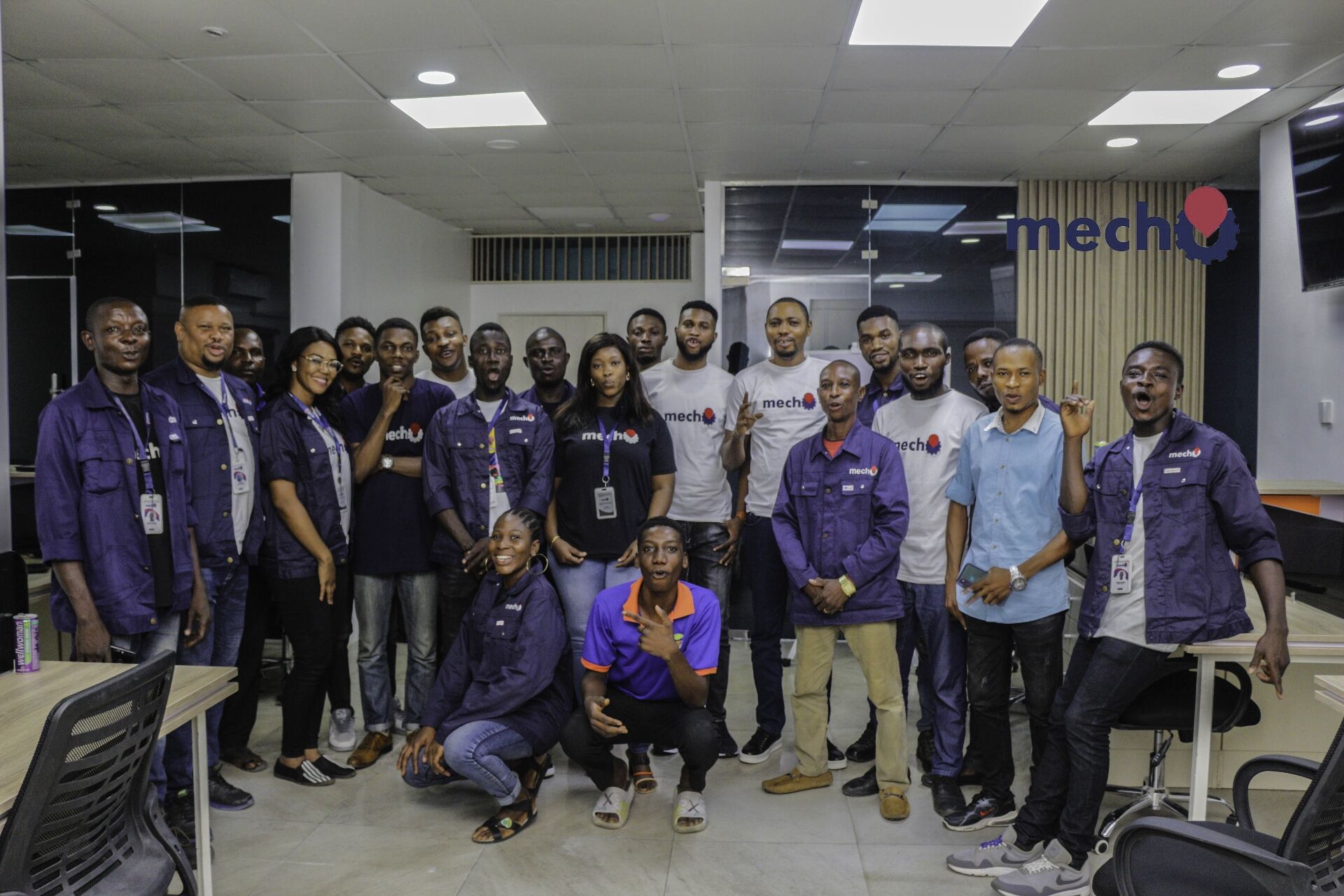
Join me to congratulate Mecho Autotech Ltd for raising  $2.15 million. Tekedia Capital and our Syndicate members congratulate Olusegun Owoade and Ayoola Akinkunmi for what they have done in this amazing company. Because of their equality, the round was oversubscribed by over 300%.

When Mecho pitched to our members last year, it took days for them to raise so much money that Mecho had to take only about 30%.  It was a very tough one because one of the most difficult issues I deal with here at Tekedia Capital is telling members that we received more money than we needed.  But it is a good problem to have as that shows that we have a process to discover great companies. Join Tekedia Capital Syndicate today and own a piece of the empires of the future.

Mecho Autotech is a robust and fully interactive technology platform that delivers seamless vehicle maintenance, inspection, and repair services via a robust network of certified mechanics and automobile technicians. Tekedia Capital has invested in two rounds of this business and we’re super-happy for its promises.

—-Press release

Mecho Autotech raises $2.15m seed investment to expand vehicle maintenance and repair services

 The round was oversubscribed by over 300% and is the largest investment to date for a vehicle maintenance startup in sub-Saharan Africa. Since launching in April 2021, Mecho Autotech has serviced over 2,000 vehicles for its B2B customers. 

LAGOS, February 2022 — Mecho Autotech (the Company), a Y Combinator-backed Nigerian vehicle repair and maintenance startup, announced today it has closed a $2.15 million seed investment. Future Africa, Hoaq Capital, Cathexis Ventures, V8 Capital, Silver Squid and Tekedia Capital participated in the round. The round was oversubscribed by over 300% and is the largest investment to date for a vehicle maintenance startup in sub-Saharan Africa.

Mecho Autotech will use the capital to expand its multi-channel service capacity, engineering team, and marketing budget for B2C acquisition. The Company operates a digital platform that connects B2B and B2C customers with both in-house and third-party mechanics. Mecho’s in-house capacity consists of workshops, known as Mecho Shops, and Mecho Mobile operations. To date, the Company has onboarded over 7,000 third-party mechanics to the platform with workshop and mobile operations.

To address the large and difficult task of servicing corporate fleets, Mecho has built three Mecho Shops across Lagos and will continue to expand this capacity. Since launch in April 2021, the Company’s B2B customers include some of Nigeria’s largest corporate fleets including Uber partner Moove, Toloram Group, and UAC Group with several other notable SLAs in progress.

In addition to the growing B2B revenue base, Mecho has expanded into service for B2C customers with the launch of its B2C app in January. The Company aims to grow in B2C via a subscription service model and individual service requests with a target of 25,000 customers this year.

Moreover, Mecho is developing a spare parts value chain which has already served over 100 third-party mechanics and several large ticket inventory purchases for B2B customers.

Africa’s automotive repair and maintenance industry is highly fragmented, undercapitalized, and fraught with poor service outcomes due in part to misaligned incentives. Nigeria has over 12 million registered vehicles, and owners spend an average of $650 per year on maintenance and repairs. Approximately 90% of Nigeria’s car market consists of used vehicles with only 5% of car sales financed. Despite the sheer number of used cars on Nigeria’s roads which require check-ups to prevent breakdowns, regular vehicle maintenance is uncommon. Existing services providers, the majority of whom are not formally trained and lack sufficient tools and equipment, are often inefficient and provide inconsistent service quality.

“When you consider the state of Nigeria’s used cars and our roads, car maintenance isn’t optional. We want to automate high-quality vehicle repair and maintenance for Nigerians by making it easy, convenient, and affordable. We aspire to build a maintenance culture in Nigeria and beyond to keep roads and people safe,” said Olusegun Owoade, Mecho Autotech CEO/co-founder.

“At Future Africa, our thesis is to back founders solving hard problems in large markets. With over 12 million cars on our roads and more on the way, leveraging technology to bring order to vehicle maintenance and repair is overdue. We are delighted to work with the Mecho Autotech team as they brilliantly execute on building out the vehicle repair value chain across Africa and create new and decent highly skilled auto repair jobs.,” said Iyinoluwa Aboyeji, Future Africa, Founder and General Partner.

ABOUT MECHO AUTOTECH 

Mecho Autotech is a multi-channel platform for auto repair and maintenance in Nigeria.  The Company is on a mission to foster a vehicle maintenance culture in Nigeria to keep roads and passengers safe. Founded in 2021 by Olusegun Owoade and Ayoola Akinkunmi, Mecho Autotech offers repair and maintenance services to both businesses and consumers through in-house and third-party service capacity which has passed rigorous assessments.  The Company has both workshop and mobile service capabilities.

When consumers download the Mecho Autotech app, they enter their vehicle’s unique identification number (VIN) or basic vehicle information. Based on the vehicle’s specifications, the Mecho Autotech algorithm calculates a routine vehicle maintenance program and subscription fee which can be paid monthly, quarterly, or annually. Mecho offers mobile service to meet a customer at their own location, if preferred. Customers can also go to a Mecho Autotech workshop or partner garages for service. For business customers, Mecho Autotech can manage fleet-wide needs with flexibility to request repairs on demand.

The Mecho retail app is available on both iOS and Android. Find out more at https://www.mechoautotech.com.

A quick look at financing options for startups

0

Every business/startup requires funds from sources other than the founder, if not at the beginning, then somewhere during the life cycle of the business. It could be funds needed for the purchase of inventory and equipment, Operating capital, scaling, expansion, and so on.

The major drawback of loans and why many founders do not explore this option is first the requirement of substantial collateral and a good credit record. Taking a loan can also mount undue pressure on the business since one is expected to make periodic repayments whether or not the business is making a profit. There is also the issue of the interest rates and other terms and conditions to be fulfilled.

Due to this, most startups will bootstrap, source funding from friends and family, get some early investors, and seek grants where possible. There is always a wide option, even though some first-time founders dread the topic of fundraising. Some of the most popular are angel investors and venture capitalists.

Here is a quick explanation. Angel Investors are high net worth individuals who pull out funds from their deep pockets to finance the startup. It requires conviction in your product or service because the angel investor needs to be sure that the funds he is injecting into your business will not go down the drain. It could be a one-time injecting of funds, or a regular (predetermined) injecting of funds to carry the company to profitability. There could also be a predetermined lock-in period of investments, depending on the regulations of the country where the startup is based.

Venture capital comes from companies or groups that raise funds to fund startups that meet their requirements. They could be focused on a sector or group of sectors. Even if the startup is young, they can get venture capital if they have a valid solution to take to the market and a strong team behind the wheels.

Whatever source you are getting the funds from, here are some financing options you could be considering while fundraising.

Equity Financing: Raising funds through equity means you would be bringing the investors in as co-owners of the startup. By contributing to the business capital, they will share in the business risks as well as profits. Your equity partners could be friends, venture capitalists, private equity investors, or angel investors.

As a rule, you should involve legal experts when using the equity option, and ensure to do a proper valuation of your business.

Convertible debts: This is a loan an investor makes to a company using an instrument called a convertible note. The note will state the amount invested, the interest rate, and the maturity date for the principal and interest to be repaid. It is called a convertible note because the intent is that the loan converts to equity if and when the company does equity financing. There are a lot more details to the convertible note/debts, and the founder will be properly advised on this if he chooses to use it.

SAFE (simple agreement for future equity): This is similar to the convertible notes/debts but there is no interest on the sum invested, and there is no maturity date where it is to be repaid. However the safe can be converted. Both parties will usually work out the modalities of what they are willing to settle for.

There is another called Venture Debt. This involves a lender (usually specialized banks) offering a startup some working capital for specific projects. This option is open to startups that do not have positive cash flows or significant assets to use as collateral but already have some venture backing.

Some other not-so-popular financing options are Crowdfunding or going through incubators. Founders will generally have to do some research and find the options that are best suited for the growth stage the startup has attained.

Cow Ban In South East From April Irreversible, IPOB Declares

0

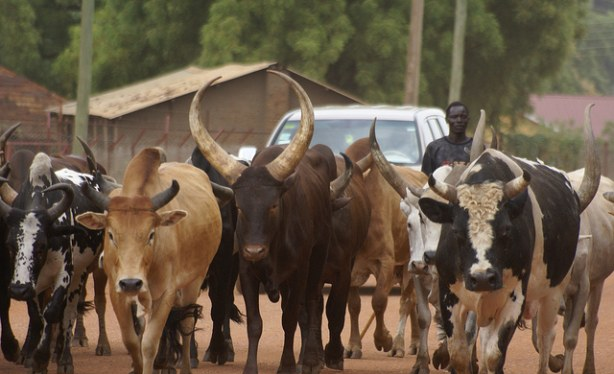
The indigenous people of Biafra, Ipob recently declared that there was no going back on the decision to ban movement, sales, and consumption of Fulani cows throughout the SouthEast with effect from April. The reason for the ban was due to the incessant killings committed by Fulani herdsmen in different regions of the nation. In a bid to preserve the Eastern Region, the Ipob group was hell-bent on ensuring that such killings do not occur in the region.

Their utmost desire is to preserve the people in the East, and ensure that they move to their respective destinations without fear or harm. In a statement by its media and publicity secretary Emma Powerful, he claimed that over N3 Billion naira was spent on cow meat annually. He further stated that spending such an amount is insane and such wastage must stop. He called on those dealing with Fulani cows in the region to look for alternatives immediately, stating that any herdsmen caught grazing will not be spared.

I understand the motive to prevent the eastern region and it is highly commendable. But then, this decision by Ipob has passed a very provocative signal and posed a serious threat to the northern commercial interest in the South-East and by extension to the physical wellbeing of Northerners living as minorities among Igbo communities.

It was discovered that the northerners have vowed to take revenge on this law by boycotting all businesses operated by Igbos in the North. Ipob had to come out to clarify that its proposed ban in April on cow grazing in the Eastern region is not a declaration of war against the North, but rather a necessary step put forward to stop unprovoked killer herdsmen.

They however declared that eating meat was not banned in the South East, but rather the ban was placed on herdsmen bringing cows into the region that destroys farmland, kills the people, rapes women, etc. Ipob has urged the people in the Southeast to venture into goat and fish farming before the ban becomes effective in April. They further stated that the people in the region should brace themselves and plan so no one will be taken unawares. The indigenous people of Biafra, Ipob in a bid to ban cows in the region have promised to assist any farmer in the SouthEast that wants to breed local cows popularly known as “Efi-Igbo”.

I won’t blame Ipob for taking such drastic irreversible steps because it seems killer Fulani herdsmen always get away with their evil crimes without proper prosecution from the government. There has been the failure of security agents to identify the perpetrators to bring them to justice. Seeing all these, Ipob felt since no proper prosecution was carried out, rather than just wail without any help in view, they decided to enforce their decision. According to them, they disclosed that it is better for the people in the Eastern Region to be alive without eating Fulani cows than a desire to eat and be killed.

Before Ipob got to make this irreversible decision, they disclosed that they have made several appeals to the federal government to stop the Fulani herdsmen from their atrocities, but rather the government treated it with levity and looked away, leaving communities helpless at the mercy of killer Fulani herdsmen. Ipob observed that if this issue is not nipped in the bud, it will escalate into something deadly. So rather than sit and watch these men destroy their land and people, they will act as a big brother enforcing laws to ensure that the people in the South East are shielded from Fulani attacks.

Once Again, The IMF Urges Nigeria to Further Devalue The Naira, Remove Fuel Subsidy

0

The International Monetary Fund (IMF) has once again urged Nigeria to remove fuel subsidies to enable her to tackle the lingering issue of budget deficit and accelerate economic growth.

The IMF issued recommendations in its Article IV consultation with Nigeria, concluded on Jan 31. In addition to fuel subsidies, Article IV recommended that the government further increase the value-added tax rate, improve tax compliance, and rationalize tax incentives.

It also urged Nigeria to take advantage of current rise in oil prices and economic progress from pandemic strains, to have a unified and market-clearing exchange rate that will help strengthen its external position.

While the IMF commended Nigeria for the progress it has recorded in the fight against covid, the financial body noted that the African largest economy will need to put in the same effort to boost revenue-to-GDP ratio, currently among the lowest in the world at 7.5 percent.

Read the assessment below:

The Nigerian economy is recovering from a historic downturn benefiting from government policy support, rising oil prices and international financial assistance. Nigeria exited the recession in 2020Q4 and output rose by 4.1 percent (y-o-y) in the third quarter, with broad-based growth except for the oil sector, which is facing security and technical challenges. Growth is projected at 3 percent for 2021. Headline inflation rose sharply during the pandemic reaching a peak of 18.2 percent y-o-y in March 2021 but has since declined to 15.6 percent in December helped by the new harvest season and opening of land borders. Reported unemployment rates (end 2020) are yet to come down but more recent COVID-19 monthly surveys show employment back at its pre-pandemic level.

Despite the recovery in oil prices, the general government fiscal deficit is projected to widen in 2021 to 5.9 percent of GDP, reflecting implicit fuel subsidies and higher security spending. Moreover, the consolidated government revenue-to-GDP ratio at 7.5 percent remains among the lowest in the world. After registering a historic deficit in 2020, the current account improved in 2021 and gross FX reserves have improved, supported by the IMF’s SDR allocation and Eurobond placements in September 2021.

Notwithstanding the authorities’ proactive approach to contain COVID-19 infection rates and fatalities and the recent growth improvement, socio-economic conditions remain a challenge. Levels of food insecurity have risen and the poverty rate is estimated to have risen during the pandemic.

The outlook faces balanced risks. On the downside, low vaccination rates expose Nigeria to future pandemic waves and new variants, including the ongoing Omicron variant, while higher debt service to government revenues (through higher US interest rates and/or increased borrowing) pose risks for fiscal sustainability. A worsening of violence and insecurity could also derail the recovery. On the upside, the non-oil sector could be stronger, benefitting from its recent growth momentum, supportive credit policies, and higher production from the new Dangote refinery. Nigeria’s ratification of the African Continental Free Trade Agreement could also yield a positive boost to the non-oil sector while oil production could rebound, supported by the more generous terms of the Petroleum Industry Act.

Executive Board Assessment

Executive Directors agreed with the thrust of the staff appraisal. They commended the authorities’ proactive management of the COVID-19 pandemic and its economic impacts. They noted, however, that the outlook remains subject to significant risks, including from the pandemic trajectory, oil price uncertainty, and security challenges. Looking ahead, they emphasized the need for major reforms in the fiscal, exchange rate, trade, and governance areas to lift long-term, inclusive growth.

Directors highlighted the urgency of fiscal consolidation to create policy space and reduce debt sustainability risks. In this regard, they called for significant domestic revenue mobilization, including by further increasing the value-added tax rate, improving tax compliance, and rationalizing tax incentives. Directors also urged the removal of untargeted fuel subsidies, with compensatory measures for the poor and transparent use of saved resources. They stressed the importance of further strengthening social safety nets.

Directors welcomed the removal of the official exchange rate and recommended further measures towards a unified and market-clearing exchange rate to help strengthen Nigeria’s external position, taking advantage of the current favorable conditions. They noted that exchange rate reforms should be accompanied by macroeconomic policies to contain inflation, structural reforms to improve transparency and governance, and clear communications regarding exchange rate policy.

Directors considered it appropriate to maintain a supportive monetary policy in the near term, with continued vigilance against inflation and balance of payments risks. They encouraged the authorities to stand ready to adjust the monetary stance if inflationary pressures increase. Directors recommended strengthening the monetary operational framework over the medium term—focusing on the primacy of price stability—and scaling back the central bank’s quasi-fiscal operations.

Directors welcomed the resilience of the banking sector and the planned expiration of pandemic-related support measures. They agreed that while the newly launched eNaira could help foster financial inclusion and improve the delivery of social assistance, close monitoring of associated risks will be important. They also encouraged further efforts to address deficiencies in the AML/CFT framework. Directors emphasized the need for bold reforms in the trade regime and agricultural sector, as well as investments, to promote diversification and job-rich growth and harness the gains from the African Continental Free Trade Agreement. Improvement in transparency and governance are also crucial for strengthening business confidence and public trust. Directors called for stronger efforts to improve transparency of COVID-19 emergency spending.

Directors noted that Nigeria’s capacity to repay the Fund is adequate. They encouraged addressing data gaps to allow timely and clear assessments of reserve adequacy.