DD
MM
YYYY

PAGES

DD
MM
YYYY

spot_img

PAGES

Home Blog Page 5327

Do Nigerians Really Need Speed Bumps? Mixed Experience and Research Insights

1

There are a number of roads classified as Truck A, B, and C in Nigeria’s six geopolitical zones. Truck A roads are those managed by the federal government, while Truck B and C roads are managed by the state and local governments, respectively.

Apart from the fact that these governments are supposed to build, renovate, and maintain these roads, they are also responsible for ensuring the safety of the users. This has been one of the primary motivations for placing various objects on the roadways in order to ensure the safety of drivers, commuters, and pedestrians. The high reduction projected from road crashes, on the other hand, has never been achieved over the years. Between January and June, 2021, the Federal Road Safety Corps reported 5,320 crashes and 2,471 deaths nationwide. Due to the worrisome nature of these data, the first three quarters of the same year provides an opportunity for debate and consultation across the country on the role of speed bumps in road safety. However, speed bumps are not entirely to blame for collisions.

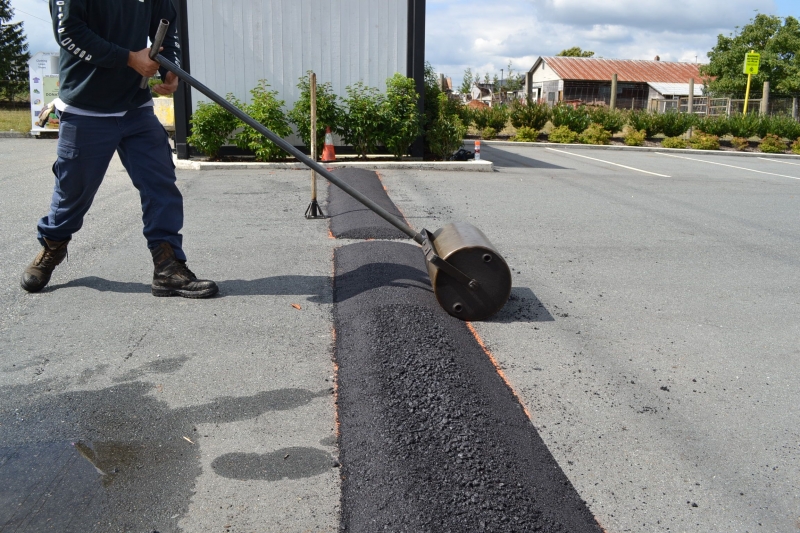
According to our checks, Nigerian regulations permit the installation of speed bumps and other materials deemed necessary for ensuring safety on rural and urban internal roads and highways. According to Transportation Management Experts and Engineers who spoke with our analyst, the erection is necessary because many drivers exceed the speed limit per hour per kilometer. Several sources also indicate that speed bumps or humps are still the most efficient way to increase road user safety.

Mixed Positions and Impacts

Despite the advantages stated by academics and experts in the transportation and mobility industries, responses from various schools of thought on the usefulness of conical, heaped, hollow, and other types of speed bumps are varied. For example, the government is the best-qualified party to install speed bumps on the three types of roads mentioned previously. Individuals and groups, on the other hand, have erected the bumps in the majority of situations, based on our observations and interactions.

Over-speeding by many drivers is jeopardizing the lives of children, the elderly, and other users, according to the submission of individuals and communities who created the bumps. While some drivers who spoke with our analyst agreed that installing speed bumps is a good idea, others considered that putting bumps on the roads had more disadvantages than benefits. The drivers stated that bumps cause persistent backache, spinal pain, delay, discomfort, and frustration in the majority of situations, similar to what our analyst discovered from academics who have thoroughly investigated the topic in the last ten years.

Aside from that, their automobiles are being harmed. They mentioned wheel damage, wheel misbalancing, and clutch burning as some of the problems they have when driving on bumpy roads, particularly those with a lot of them. According to our findings, speed bumps made of a mixture of cement and concrete and formed in a ‘large form’ pose a greater risk to drivers than those made of rubber and flat in shape.

Our analyst recently went on a trip to Saki, a northern town in Oyo state, and what he saw was similar to what scholars have studied over the years. Iseyin-Saki Road has around 90 speed bumps from the freshly completed road at Moniya to the town. Our analyst and others were unconformable for the entire 5-hour ride from Ibadan, believing that the bumps were causing the travel to be delayed. People who have traveled inside Ekiti, Ondo, Rivers, Abia, and other states report similar experiences.

Because concerned stakeholders are constantly seeing the reasons for building speed bumps, the mixed positions and impacts from experience and researches have demonstrated that erection of speed bumps cannot be halted. However, a better technique for their erection is required. When erecting the bumps, the Ministry of Transport and other government entities in charge of road construction and maintenance should always follow best global practices. Rubber types, for example, should be prioritised above concrete types, particularly on intra-city and town roads. Illegal speed bumps built on highways and those installed by communities without regard for regulations must be eliminated.

Meta Threatens to Pull Out of Europe if Regulators Enact Anti-international Data Transfer Policies

0

Meta, Facebook’s parent company, has warned that it would pull out of Europe if the authorities continue with the move to stop it from exchanging data from European users with the United States, according to a document the company has filed with the US Securities and Exchange Commission (SEC).

The development is coming on the heels of Meta’s massive shares plunge that wiped off over $250 billion from the social media giant’s market value last week.

Facebook has been bedeviled by tightening private data policies that Europe is heralding, and has increasingly found itself in the grip of unfavorable regulations. This latest faceoff with European regulators may affect the company’s existence in Europe.

“If a new transatlantic data transfer framework is not adopted and we unable to continue to rely on SCCs (standard contractual clauses) or rely upon other alternative means of data transfers from United States, we will likely be unable to offer a number of our most significant products and services, including Facebook and Instagram, in Europe.

“If we are unable to transfer data between and among countries and regions in which we operate, or if we are restricted from sharing data among our products and services, it could affect our ability to targets,” Meta said in a statement, admitting that any changes would materially and adversely affect our business, financial condition, and results of operations.

The case started several years ago with a complaint from the Austrian privacy activist Maximilian Schrems about Facebook Ireland, the company’s European headquarters. Schrems had complained to the Irish data protection authority about Facebook Ireland’s transfer of personal data to its parent company in the US. He wondered whether they were sufficiently protected in the US.

Meta has weighed pulling out of a country as an option against unfavorable regulatory legislations before now. Last year, the social media behemoth moved to quit its news service in Australia as the government introduced a legislation that will force it to pay publishers for their content. Meta reversed its decision after the Australian government softened the legislation.

Europe has been tightening its antitrust laws to hold the Big Tech accountable for how they use private data of consumers. In 2020, Facebook was told by privacy regulators in Ireland that it could no longer use standard contractual clauses to comply with privacy rules when sending data to the US, the so-called Privacy Shield.

European regulators are trying to set new privacy-focused policies that are different from what is obtainable in the US. The European Court of Justice has said that personal data is less well protected in the US than in Europe. The US and the EU have tried to work out a new policy on the use of private data, but it is yet to be implemented.

Meta, which heavily relies on the processing of user data in order to provide targeted online advertisements, immediately protested the move, saying it will greatly hurt its business.

If Europe proceeds with the rule, it will have a devastating impact on businesses relying on Meta’s social media platforms, Facebook, Instagram and WhatsApp to offer their services.

“A lack of safe, secure and legal international data transfers would damage the economy and hamper the growth of data-driven businesses in the EU, just as we seek a recovery from covid-19,” City AM quoted Nick Clegg, Meta’s VP of Global Affairs and Communication as saying.

“The impact would be felt by businesses large and small, across multiple sectors. While policymakers are working towards a sustainable, long-term solution, we urge regulators to adopt a proportionate and pragmatic approach to minimize disruption to the many thousands of businesses who, like Facebook, have been relying on these mechanisms in good faith to transfer data in a safe and secure way,” he added.

However, Meta is likely going to suffer more as businesses relying on it would eventually switch to alternative social media platforms. The company’s recent shares’ plunge was largely as a result of Apple’s ATT (app tracking transparency) introduced last year. The ATT enables iPhone users to stop Facebook from tracking them across the web to harvest data for targeted ads.

The Irish data regulator is currently investigating the matter while Meta waits for the final decision expected mid-year. But if a “good” solution is not found, Meta, which is currently struggling to stay afloat in the US, will suffer an existential crisis.

Call for justice for the death of Mr. Timothy Oludare

0

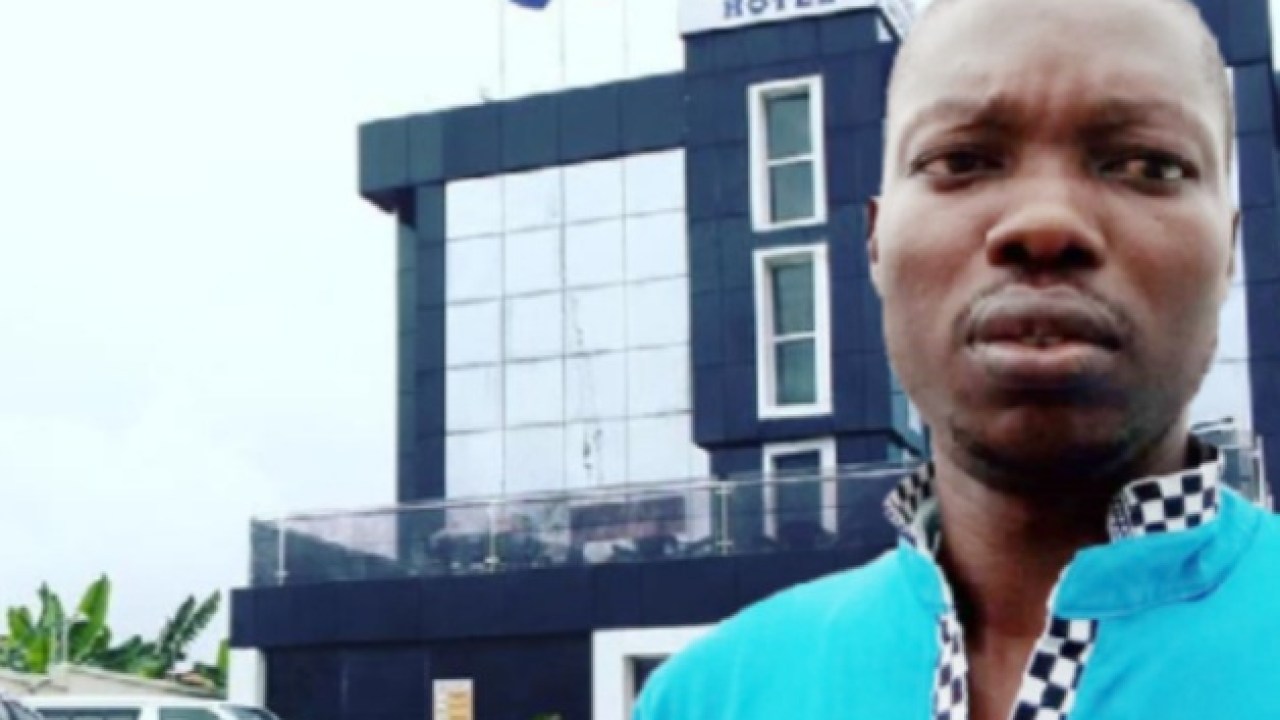
Mr Timothy Oludare, a  Master student of Business Administration (MBA) of Obafemi Awolowo University (OAU), in November 2021 traveled from Abuja where he resides leaving his wife and children behind to Ile-Ife,Osun state to write a professional examination in Obafemi Awolowo University (OAU). 

According to the testimony of the wife, Timothy contacted the wife when he got to Ife to confirm his safe arrival. The next day being the day of the exam, the wife called him in the morning to wish him success in the exam but nobody answered the call. The wife kept calling, she called all day but the husband didn’t answer the phone call.

The wife became frantic and contacted the relatives of the husband and told them about how she had tried all day to get in touch with the husband but the husband was not picking up the call. The relatives of Timothy sent some representatives of the family to go to the exams center at the university and confirm with the examiners if they have seen their son.

The examiners checked the examination attendance register and it was confirmed that Mr. Timothy didn’t take the examination and they haven’t seen him. The family members quickly approached the nearest police station in Ife to report that their son was missing. 

During the police investigation, the police found out that Mr. Timothy had transferred the sum of N37,000 into one woman’s bank account and the woman was traced to be a staff of Hilton hotels and resort, Ile-Ife where Mr. Timothy had checked in the previous day. The woman was arrested and during interrogations she confessed that she had met Mr. Timothy the previous day and had allocated room 305 to the man. The woman’s confession led to the arrest of 6 other suspects who also confessed to have invaded the room of Mr. Timothy in the night and have killed him and buried him at a shallow grave at the direction of their boss Chief Rahmon Adedoyin  who happens to be the owner of the hotel Mr. Timothy had checked in. 

All evidence and investigations point to Chief Rahmon Adedoyin as the primary suspect who has also been in numerous police suspect lists as a top ritualist in Ife who kills some of his unfortunate hotel guests for rituals.

We want to believe that the “Nigerian system” will not happen in this case and that those involved in the dead of Mr. Timothy Oludare  meet their Waterloo.

Impact Of The Sit-At-Home Order On South Eastern Nigeria

0

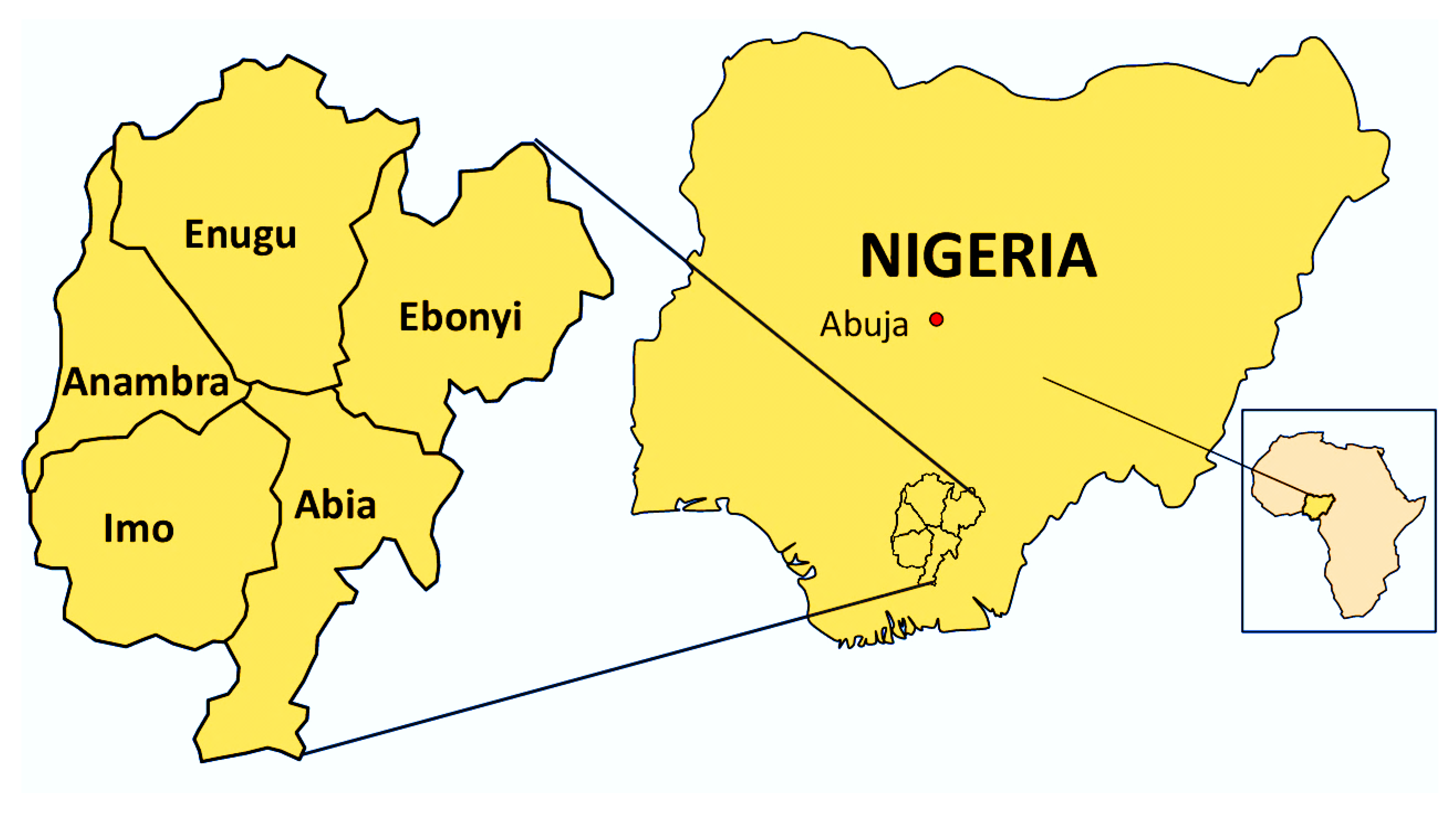
Ever since the trial of Nigerian pro-Biafran political activist Mazi Nnamdi Kanu began, there was an order given to people in southeast Nigeria to observe every Monday as a sit-at-home. This act was done to stand in solidarity with the Biafran leader. Although it was done with positive intentions, there were frequent lamentations from a lot of people residing in the South East especially the Ndigbo. Senator representing Abia-South in the district of Abia, Senator Enyinnaya Abaribe also lent his voice strongly criticizing the effects of the sit-at-home on the Southeastern region.

According to him, he stated that the sit-at-home is killing the economy of the southeast as most businessmen are moving out of the region. He said he was perplexed to discover that the sit-at-home order was never given by the Biafran leader  Mazi Nnamdi Kanu, after having a conversation with him. He claimed that it was time for the sit-at-home mess to stop so that the crumbling economy can be built back. He urged the stakeholders to emulate the people of Bavaria in Germany and Catalonia in Spain for jettisoning everything about ruling the countries but concentrated on making their regions an economic hub of their countries.

In my opinion, declaring Monday a sit-at-home in the South East was a very wrong move. Mondays are usually the start of the week, and it is a known fact that Igbo people being business inclined do not joke with Mondays because it is the first business day of the week. It is believed that what happens on the first day of the business would go a long way to determine the shape of things that week. Usually, most Igbo traders always look forward to doing good business on Mondays because there is usually an influx of traders from other parts of the country to transact businesses in cities such as Onitsha, Aba, Owerri, Umuahia, etc.

Aba is known for bringing and opening containers of imported goods on Mondays. So with the enforcement of the sit-at-home people were forced to go to other regions, like Calabar, Port Harcourt, you, etc, to open containers leaving the southeast. One of the shortcomings the sit-at-home had was that it never discussed with its citizens to agree upon Monday as the set day, but rather it was imposed on them, of which many had issues with it, but had no choice than to obey.  The sit-at-home indeed had a toll on the economy of the southeast and also crippled economic activities thereby incurring so many losses.

Some people depend on daily work to feed their families but were left hopeless with the sit-at-home order, which wasn’t fair on their part. This act might push some into crime or other vices in society. The sit-at-home motive was not a good strategy at all because it caused more harm than good. According to ipob, one day hunger would not kill anybody. This statement reeks of incompetence because a day hunger can force one to carry out dastardly acts.

Ipob ought to have avoided anything that would inflict economic pains on Ndigbo. A few groups compared the frequent and economically strangulating sit-at-home as akin to drinking poison and hoping that your enemy would die. The sit at home had no trigger effect to the release of the Biafran leader, but rather it impoverished and made life difficult for its people. Asking people not to go about their business is a wrong strategy to get Nnamdi Kanu out of detention. If schools, markets, banks, etc, are closed down, it doesn’t in any way affect the presidency. From whichever angle the issue is analyzed, the southeast was on the losing end.

After much deliberation and intervention from some Igbo influential bodies, the sit-at-home decision was later rescinded which ordered the people in southeast to only sit at home when the Biafran leader appears in court. In my own opinion, the Monday sit at home was a miscalculated action. Many losses were incurred during that period. Taking any action that affects your people to me is counterproductive.

CBN Debits Zenith Bank, 12 Others N356.1bn Over Failure to Meet CRR

0

The Central Bank of Nigeria (CBN) has debited Zenith Bank, First City Monument Bank (FCMB) Limited and 11 other banks N356.1 billion for failing to meet its 27.5% Cash Reserve Requirement (CRR) obligation.

CRR is the minimum amount banks and merchant banks are expected to retain with the CBN from customer deposits.

Data made available by the CBN shows that Zenith Bank and Providus were debited N170 billion, N40 billion respectively, while FCMB was debited N39 billion, First Bank of Nigeria Limited N27 billion, Guaranty Trust Bank Plc N20 billion and Citibank N12 billion.

The details showed that Stanbic IBTC bank, Union Bank of Nigeria Plc and Polaris Banks were debited N10 billion each, Keystone Bank was debited N6 billion, Ecobank Nigeria N5 billion, Sterling Bank Plc, N3.6 billion, Fidelity Bank N2 billion and Nova merchant bank N 1.5 billion. Zenith Bank and Providus Bank were the most hit while Fidelity Bank Plc was the least debited bank by the CBN.

The CBN’s decision has not gone down well with stakeholders who lamented that it will affect their gain, especially as the CRR is at 27.5%.

The policy which was introduced in 2019, has seen yearly uptick. In early 2020, the apex bank’s Monetary Policy Committee (MPC) increased CRR by five per cent from 22.5 per cent to 27.5 per cent over its intention to address monetary-induced inflation whilst retaining the benefits of its 65 per cent Loan Deposit Ratio (LDR) policy.

The CBN governor Godwin Emefiele said at the end of January 2020, MPC, that the CRR initiative will help Nigeria to stem the high tide of inflation and keep low interest rates.

“The committee is confident that increasing the CRR at this time is fortuitous as it will help address monetary-induced inflation whilst retaining the benefits from the Bank’s LDR policy, which has been successful in significantly increasing credit to the private sector as well as pushing market interest rates downwards,” he said.

Analysts quoted by ThisDay, believe cash reserves are historically between 5% and 10% of LCY deposits. But the CBN is using the CRR as an instrument to keep inflation in check and to keep the exchange market stable, therefore it is expected to keep rising.

Analysts at Agusto & Co. In a report titled, “Economic outlook for 2022. Our storyline”, explained that: “At the end of 2021, mandatory CRR of banks stood at about 35% of LCY deposits.

“Historically, cash reserves were between five per cent and 10% of LCY deposits. In Ghana and Kenya, there are currently eight per cent and 4.25% of LCY deposits respectively.

“In addition to these mandatory CRR, Nigerian banks hold “special bills”, issued by the CBN, that bear interest at 0.5% per annum. These “special bills” are not easily convertible into cash and are, in substance, interest bearing cash reserves.

“We estimate that cash reserves (including interest bearing cash reserves) were about 50% of LCY deposits at the end of 2021. We do not believe that the CBN will reduce this ratio significantly in 2022, as it continues to see this as a major instrument for maintain “stable” exchange rates.”

Another analyst who weighed in on the matter, the Vice President, Highcap Securities Limited, David Adnori said the introduction of CRR is a drastic monetary policy to control money supply in the banking system.

“If CBN fails to maintain its CRR policy, so much money will flow into the market and further deprecates the naira. Generally, the policy has not favoured banks because the fund is not yielding any interest and of no benefit to the productive sector.

“These are funds banks lend to the real sector to drive business activities, finance working capital of the productive sector and boost GDP but the CBN is holding it down. It is not a good development for the nation’s economy in general.

“However, CBN has its reasons and releasing these funds might result in hyperinflation which can damage the nation’s economy. It is like a double edge situation- if you don’t do it, the economy is damaged and if you do it, the economy also struggles,” he said, adding that the only way CBN can cut CRR is when inflation dropped to a single-digit rate.

However, there is concern that the impact of the policy is not encouraging as the economy continues to wobble. Bank shareholders are worried that in the long term, the CRR will continue to affect their profit while doing a little to minimize inflation.

The National Coordinator Emeritus, Independent Shareholders Association of Nigeria (ISAN), Sunny Nwosu had stated that the 27.5% CRR has not also yielded the desired economic results after the first phase of Covid-19. He explained that the continuous debit of banks under CRR by CBN is putting the banking sector under serious threat and a compelling impotency toward sustainable intervention in the real sector.

“We urge CBN to seriously have a rethink on CRR and among other things to enhance the performance of the financial sector of the economy. The challenge character of Nigerian economy makes it imperative for CBN to pay interest on restricted deposits.

“Banks restricted deposits with CBN are idle funds. We argue that if these funds are with banks, certainly it will enhance their earnings, loans to real sector and returns for shareholders.

“If CBN can pay at least three per cent interest on the mandatory CRR deposits, it will go a long way in driving the real sector and the payment of robust dividends to shareholders,” ISAN said.