DD
MM
YYYY

PAGES

DD
MM
YYYY

spot_img

PAGES

Home Blog Page 5375

How Can The African E-Commerce Industry Grow In Upcoming Years?

0

E-Commerce in Africa has been underway for the past couple of years and this industry is growing with every passing year. In different African countries, there are hundreds of different e-commerce startups that are operating and working well. All of these startups have produced thousands of new jobs and have the potential to create even more as the industry will grow. All of the jobs created by online startups are related to online marketplaces, supporting services, logistics, etc. 

The African e-commerce industry has a lot of potential to grow but as compared to other continents, we have not seen much growth of the African e-commerce industry. There stand many hurdles in the way of growth including poor consumer trust, poor infrastructure, and poor logistics services, just to name a few of the major hurdles in the way of the growth of this industry. Today, we will be having a look at some of the ways how African E-Commerce Industry can grow in upcoming years: 

Nations Need To Update Their Policies

The first thing that the governments and countries need to do in order to make their e-commerce industry flourish is to update their policies. The policies in Africa regarding online businesses and the e-commerce industry aren’t satisfying. Because of poor policies, Africa is behind all the other continents in the world. 

Africa is one of the largest continents in the world, consisting of a total of 54 nations, however, only a few nations have regulations in place for online consumer protection. This leads to poor consumer trust, which is one of the leading hurdles in the growth of the e-commerce industry. If all the countries in the continent shape their regulations that will support online businesses and the e-commerce industry then there is no reason why this industry won’t grow.

Internet Accessibility

Internet Accessibility still remains a huge hurdle in the way of digitalization and the growth of online businesses in the continent. Africa is one of the most populous continents in the world, however, only a little more than a quarter of the population regularly uses the Internet. This can be owed to the fact that internet accessibility in Africa is minimal and the costs of the Internet in Africa are much higher than in other parts of the world.

For e-commerce and digital businesses to grow in the continent, the governments need to provide affordable internet access to the people of their nations because in this age everything is digital and the internet has become a basic necessity of life. The Internet can not only make people more aware of what’s going on around the world and follow the latest trends but it also allows them to improve their lifestyle.

Improve Logistics Services

As mentioned earlier, poor logistics are another huge challenge that blocks the growth of the e-commerce industry. In Africa, the courier and logistics services are poor as compared to other parts of the world and the nations need to realize that if they want their local businesses to grow and flourish then they should work together and improve the logistics in their countries, otherwise, they will lag behind the rest of the world.

The governments can reduce the custom costs involved in overseas trading by the implementation of the Trade Facilitation Agreement but this alone won’t improve the courier and logistics services. The governments need to do much more in order to help their e-commerce industry grow. 

Startups And Small Businesses Need To Be Coached

The majority of the startups in Africa need to be coached about digitalization and how they can improve their services accordingly in order to increase their profits. Most businesses and startups lack proper knowledge about the internet and e-commerce industry. In other parts of the world, online websites that are even providing services like letting the people play games like Solitaire and its more than 500 different variants such as Spider Solitaire, Freecell, etc for free are flourishing.

The main point here is that small businesses and startups need to be coached about digitalization and how they can use it in their favor and make for themselves a profitable future.

Need For More Payment Options

?Since the e-commerce industry operates digitally, there is a dire need for more e-payment options for the industry to grow. In Africa, the most popular and common method of payment is Cash-on-delivery. While COD is a good method for local markets, for cross-border markets, it is not an option that a foreign vendor can rely on. Therefore, along with all the other things, there is also a need for more e-payment options and wallets in order for the e-commerce industry to grow and reach new heights.

What Are The Top Hurdles Of Doing Business In South Africa?

0

South Africa is a growing economy in one of the most exciting continents in the world. South Africa is considered the powerhouse of Africa as it drives much of the economy of the continent and has the most advanced infrastructure in Africa. 

With that being said, the country’s diverse cultures and other issues present many hurdles in the way of growing businesses. South Africa is ranked 39 in the world for ease of doing business. Opening a business in South Africa is tricky and today, we will be having a look at the top hurdles of doing business in South Africa:

Starting A Business

The first problem in starting a business in South Africa is actually starting a business which is a long and tedious process. It can cost a significant proportion of income per capita. For most of the countries in Africa, it is true and it can cost up to 60% of the income per capita but for some countries like South Africa, it is partly our as the cost of starting a business there is only 0.4% of income per capita. So, while South Africa may be an exception, other countries cost a huge amount of money just for starting a business. 

Construction Permits

Next up, we have the problem of construction permits. In the majority of the countries in Africa, the cost is significantly higher to get a construction permit but again South Africa is an exception here and the cost of getting a construction permit there is cheap. It takes about 13 procedures and about 125-130 days to get a permit, which is a seamless process for locals but for foreigners it is a lengthy and tedious process. 

Getting An Electricity Connection

Since most of the African countries don’t have the state of the art infrastructure, getting an electricity connection is also a major problem for businesses. In South Africa, it is a very long process that can take a long time. Most foreign firms and companies are usually not familiar with such lengthy processes and struggle with such issues. 

Property Registration

Property Registration is another problem in African countries. Although the whole process of proper registration depends on the rate at which you obtain a clearance certificate from the local authorities and how long it takes to lodge the deed at the Deeds Registry, it is generally a long process and takes about 3-4 weeks to get your property registered. 

Paying Taxes

Paying taxes is also a problem for foreign companies in South Africa because it is also a very lengthy process. It has been estimated that it takes about 200 hours to pay taxes every year and requires up to 9 payments. Corporate income tax and unemployment insurance contributions (UIC) are very strenuous ones. The Corporate income tax is a flat rate of 28% of all companies, however, multinational online companies such as Omegle, eBay, Tinge, CooMeet, etc escape paying corporate tax in South Africa.

Overseas Trade

Import and Export across borders are also major problems. South Africa is one of those places in the world where it is very difficult to conduct overseas trades. In recent years, huge strides have been made to ease the difficulties involved in trading across borders but still, it remains a significant problem, especially for foreigners. 

The cost of trading across borders is very much but along with that, the process of documents complication and getting the approval from the concerned committee is also a hard one. 

Enforcing Contracts

Since foreign companies usually sign contracts, enforcing the contracts in South Africa is also a very long process and a major hurdle in conducting business there. The cost of hiring an attorney and the court fees make the process expensive but what’s worse is that trial and judgment can take a very long time, on average 1-2 years when enforcing contracts and this is something that a foreign company would rather avoid. 

Diverse Region

Since South Africa is a diverse country where there are multiple cultures and different languages spoken, it is important for any business to adopt a bespoke approach in different regions for the business to flourish. The business environment in South Africa is different and you can call it an informal environment. For any business to flourish, it is imperative to build a rapport with the locals and try to understand them. 

These are some of the major challenges in starting a business in South Africa. These aren’t very big problems and can easily be resolved if you know a local advisor who has sound knowledge about these hurdles. For any foreigner, it would be difficult to start a business there without the help of an expert local who has all the knowledge about these things.

3 Reasons Why Businesses Need To Upgrade Their Wireless Routers

0

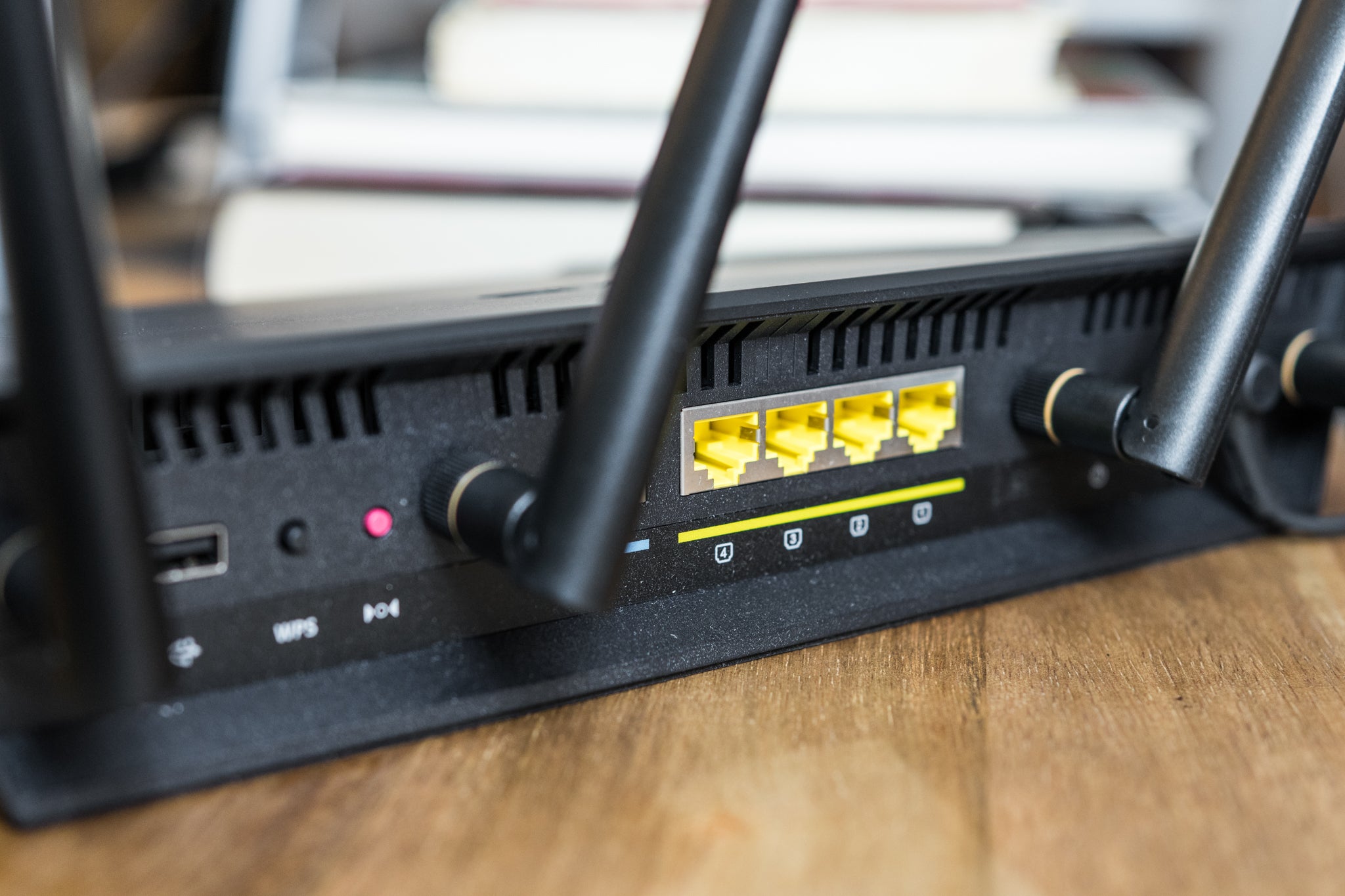
Every electronic device and gadget has a life expectancy and routers are no exception, every router has a life expectancy after which it does not function as it should. If you have got a router for quite some years then you may not be getting the performance that you would be hoping for.

Most businesses upgrade their other devices including their PCs, mobile devices, laptops, etc after every 3-4 years, however, when it comes to wireless routers then most businesses delay it and hold on until the function of the router has completely deteriorated. 

This is a big mistake and this is something that should be avoided. Your router(s) hold the key to your network and it is also important for having ultimate performance on your laptops, PCs, and other devices that require fast internet connection function optimally. If you keep your router updated then it will ensure that all of your devices on the network are getting optimal speeds and the network’s performance doesn’t become sluggish.

If you haven’t upgraded the wireless router of your business in a while then here are some compelling reasons why you should do so:

1. Connect Multiple Devices With Unaffected Performance

New WiFi routers come with new technology and if you want to replace your old router then one of the latest models would be a wise choice. Currently, all the latest routers come with WiFi 6 which is the latest version available and it is much faster than its predecessors.

The maximum speed of WiFi 6 is 9.6 Gbps as compared to 3.5 Gbps of WiFi 5 and if you have been upgrading your internet plans for the office then an older router that you bought a few years ago won’t be able to handle all these fast speeds. 

For small and medium-sized businesses, the latest router might not be compulsory because they won’t need ultra-fast speeds to operate effectively, however, the latest technology, WiFi 6 usually focuses on improving the performance of devices when multiple devices are connected. 

If your office has multiple devices then a modern-day router will be a wise choice as it will make sure that every device connected to the network is performing optimally and there is no sluggishness or bottleneck in the network. 

2. Better Security

Another reason why businesses need to upgrade their router(s) and buy a new one is that the new ones have better security. Most older routers don’t get regular firmware updates and this means that these routers don’t have the latest security protection.

Along with this, some older routers don’t have WPA2 encryption protocol which was the proffered security protocol since 2006, however, even WPA2 has been replaced by the latest version, WPA3.

WPA3 encryption is currently the latest version of encryption protocols available and it has closed some of the bugs and vulnerabilities that were present in the older WPA2. With a new router, you will get the WPA3 protocol which makes it harder for anyone to crack the password of your WiFi network and also has better encryption tools in place to protect the data shared across the network.

You can find out which encryption protocol your current router has by visiting the default gateway address of the router i.e 10.0.0.1 and then finding out the encryption protocol. The default gateway address can be 192.168.100.1 or any other, depending on the router manufacturer. You can ask any employee from the IT department to tell you about the encryption protocol of the router. 

3. New Performance Enhancing Features

You will also be getting the latest performance-enhancing features with the latest routers. If the aforementioned reasons might not be enough then know that manufacturers are constantly trying to make their products better and they are slowly adding new features to their routers in order to enhance the performance.

You get features like smart antennas that can assemble signals in a much better way and also beam these signals to devices in a much better way. You also get dual-band or triple-band connectivity which allows the router to transmit data over multiple frequencies. You also get guest networks, 4G support, VPN support, etc. All of these features are added to the routers to enhance the performance and these features go beyond simple WiFi connectivity.

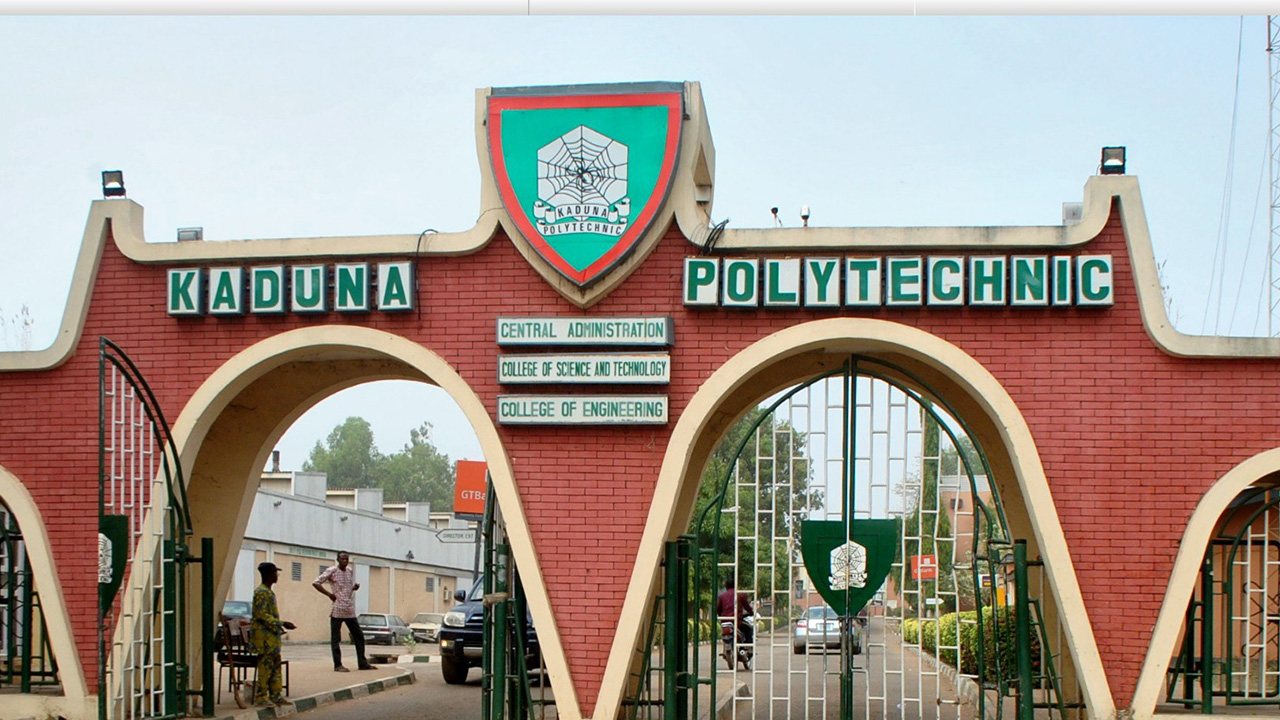
Nigeria’s Budget Paralysis Hits Polytechnics

0

In September 2021, I wrote: “ Yes, expect the privatization of some federal universities before the end of this decade! In Abia state, the state abandoned a college of education and weeds are now schooling therein!”

That playbook will ramp up as we are reading that the government has paused most polytechnics.

“Federal polytechnics are losing accreditation of course because of serious dearth of requisite academic staff following Federal Government’s embargo on employment, The Nation has learnt….

“While appreciating the huge personnel cost, he appealed to President Buhari to intervene and declare state of emergency in the education sector, urging the Head of Service to categorise polytechnics in the same category with health sector for the purpose of lifting the embargo on employment to save it from collapse.”

Nigeria has to fix its budget paralysis to have any chance to invest in the most important things in the nation.

President Buhari presented Nigeria’s 2022 national budget of N16.39 trillion, about US$40 billion using the official exchange rate to the joint session of the National Assembly this week (the figure was updated from N13 trillion to include funds for election, health workers, security, etc),. The crude oil benchmark price used was $57 per barrel and daily oil production is estimated at 1.88 million barrels per day. The exchange rate is pegged at N410 per US dollar! And the total projected revenue is put at N17.7 trillion.

Buhari presents N16.39 trillion Nigeria’s 2022 National budget to National Assembly

Marital or spousal rape is not a crime in Nigeria

0

The concept of marital or spousal rape: what the law says about it.

There have been numerous cases where women have accused their husbands of forcing their way into them and having sexual intercourse with them without their consents; and consent is the main ingredient that determines if the act of rape have taken place.

Some women go as far as taking up the case to court to get judgement but it’s pathetic that they end up losing the case even when the provide evidences and witness to prove that their spouse had sex with them without their consent.

They lose the case for the single reason that the act of marital rape or as it is otherwise called spousal rape is not a crime in Nigeria “yet”. I.e a man who is legally married to a woman cannot be held to have raped his wife despite the fact that the man penetrated the woman by force or by threat.

The reason that the concept of marital or spousal rape is not a crime and is yet to be made a crime in Nigeria can only be traced to the cultural connotations of the Nigerian nations.

Rape is defined by s.357 of the Criminal Code Act thus: Any person who has unlawful carnal knowledge of a woman or girl, without her consent, or with her consent, if the consent is obtained by force or by means of threats or intimidation of any kind, or by fear of harm, or by means of false and fraudulent representation as to the nature of the act, or, in the case of a married woman, by personating her husband, is guilty of an offence which is called rape.

S.6 of the Criminal code act for the sake of clarity defines what the phrase “carnal knowledge” means as stated in s. 357 of the act and it defines it to mean “carnal connection which takes place otherwise than between husband and wife”.

This statutory definition simply implies that when there’s a sexual intercourse between and a man and a woman and it happened without the woman’s consent, it can only be classified as rape when the woman is not married to the man but if they are married, the offense of rape cannot be said to have been committed by the man.

The Penal code act as applicable in the northern part of Nigeria further collaborates the criminal code act of the southern Nigeria in stating categorically that a man who is married to a woman cannot he held to have committed the crime of raping the wife no matter under which circumstances he had sex with the woman.

The Section 282(2) of the Penal Code act provides thus; Sexual intercourse by a man with his wife is not rape, save and except the wife have not attained the age of puberty. This is to say that a man can only be held to have raped his wife according to the penal code only if the wife have not attained the age of puberty but if the wife is of the age of puberty he won’t be held to have committed the offense of rape against the wife.

Therefore, as it stands today, a wife who is legally married to a man cannot claim that her husband raped her no matter the circumstances the under which the husband had sex with her and as it is the law that an individual cannot be punished for an offense which is not provided for in any Nigerian law as of the time being despite how moral justifiable punishing the offender can be.

This is the provision of S.36(12) of the constitution of the federal republic of Nigeria, 1999 and it states thus: Subject as otherwise provided by this Constitution, a person shall not be convicted of a criminal offence unless that offence is defined and the penalty therefor is prescribed in a written law, and in this subsection, a written law refers to an Act of the National Assembly or a Law of a State, any subsidiary legislation or instrument under the provisions of a law.

To this effect, since the offense of spousal or marital rape is yet to provided in any law in Nigeria, a man cannot be convicted for the offense of raping his wife as the offense of spousal or marital rape is “yet” to be criminalized.

We sincerely hope that spousal or marital rape gets criminalized in Nigeria as soon as possible so that men who force their ways into their wives get to be severely punished and the women getting succor from the traumatizing experience.