DD
MM
YYYY

PAGES

DD
MM
YYYY

spot_img

PAGES

Home Blog Page 54

Why Do We Have Companies? – Ndubuisi Ekekwe Explains

0

Question: “Why Do We Have Companies?”

My Response: The question of why companies exist takes us into the mechanics of markets and the thermodynamics of human civilization. If we see the world as a system of energies, ideas are merely potential energy; yes, dormant, unexpressed, and incapable on their own of fixing hunger, disease, or broken infrastructure. A company, therefore, is not just a legal entity registered with a government; it is a business transducer. Just as a transducer converts energy from one form to another, a company exists to convert a business idea into a product or service that customers can use to overcome real frictions.

Across markets, from the open stalls of Oriendu Market in Ovim to the digital corridors of global trade in New York, frictions are everywhere. These frictions are the ordinary problems of daily life: food scarcity, unreliable electricity, unsafe water, weak connectivity, and inefficient transportation. Because markets are imperfect in nature, and are saturated with information asymmetry, demand and supply rarely meet naturally or smoothly. (Think of this: If there were no restaurants, in all forms, in Lagos, a hungry person might not know who has food to buy from, and the person with food to sell might not know who is hungry; a restaurant is a business)

Therefore, for markets to work, something must disturb that state of disequilibrium between demand and supply. Yes, there must be a perturbation, something to stir the system, so that an equilibrium can emerge. Companies serve that purpose in the market, removing that imperfect system and the associated information asymmetry; they create products and services.

Firms organize people, processes, and tools to deploy products as forces, and when customers consume those products, frictions are reduced or eliminated. At their core, great companies rest on three pillars: People, Processes, and Tools. Every competitive advantage in the market is built by strengthening or reconfiguring these pillars. When the mix is right, the outcome is simple and powerful:

A Great Company =: Awesome Products + Superior Execution.

Note: a brilliant invention alone is not enough. Until it is commercialized and adopted by customers, it remains an academic artifact. This is why we say:

Innovation =: Invention + Commercialization.

Companies provide the framework that converts the physics of an idea into the economics of a product. From elementary physics, we learned a simple rule: only forces overcome frictions. Markets obey the same law. When customers face friction, you must deploy the force of a product or service to overcome it.

In this 2026, the mandate is clear: build forces for the market. Create great products and services, because frictions cannot be wished away; they must be conquered. Only companies are designed to create those forces, and that is why companies exist!

(If you can, join Tekedia Mini-MBA and we will explain over 12 weeks how to build companies)


Baidu Moves to Spin Off AI Chip Arm Kunlunxin With Confidential Hong Kong IPO Filing

0

Chinese internet search giant Baidu has taken a decisive step toward unlocking value from its artificial intelligence hardware ambitions, confirming that its AI chip unit Kunlunxin has confidentially filed for a listing on the Hong Kong stock exchange.

The Chinese search and AI giant said Kunlunxin submitted its application to the Hong Kong Exchanges and Clearing on January 1, laying the groundwork for a spin-off and separate public listing. While the offering size, valuation range, and timetable have yet to be finalized, the filing formalizes months of market expectations around Kunlunxin’s capital-raising plans.

Reuters previously reported that Kunlunxin was preparing for a Hong Kong IPO after a fundraising round that valued the business at about 21 billion yuan ($3 billion), suggesting that Baidu and its backers see growing investor appetite for domestic AI hardware platforms. The confidential filing route gives Baidu flexibility to test market sentiment while shielding sensitive financial and operational details during the early stages of the process.

Kunlunxin was founded in 2012 as an internal Baidu unit focused on developing custom AI chips to support the company’s search, cloud computing, and artificial intelligence workloads. Over time, it evolved into a more independently run business, although Baidu has retained a controlling stake and said Kunlunxin will remain a subsidiary after the proposed spin-off.

That structure mirrors a broader trend among Chinese internet and technology groups, which are increasingly carving out capital-intensive hardware units to give them clearer governance, access to dedicated funding, and strategic focus. For Baidu, separating Kunlunxin also allows investors to more directly value its chip ambitions, which require sustained spending on research, manufacturing partnerships, and ecosystem development.

While Baidu remains Kunlunxin’s largest customer, the chipmaker has expanded external sales over the past two years, supplying processors to other technology companies and data-center operators. That shift is important in the context of an IPO, as it signals a move beyond captive demand toward a more diversified revenue base. It also positions Kunlunxin as a potential national supplier at a time when Chinese companies face uncertainty over access to advanced foreign chips.

The listing plan comes against the backdrop of escalating U.S. export controls on advanced semiconductors, which have limited Chinese firms’ access to high-performance AI processors from companies such as Nvidia. In response, Beijing has intensified policy support for domestic alternatives, encouraging investment, public listings, and consolidation across the chip sector.

Several Chinese AI and semiconductor firms have recently moved toward public markets. Earlier this week, AI startup MiniMax said it expects to raise up to HK$4.19 billion ($538 million) in its Hong Kong offering. Semiconductor designer Shanghai Biren Technology raised HK$5.58 billion in its IPO, according to exchange filings. Other chip specialists, including OmniVision Integrated Circuits and GigaDevice Semiconductor, have begun bookbuilding, each targeting roughly $600 million.

This wave of listings has helped revive Hong Kong’s equity capital markets. According to LSEG data, the city raised $36.5 billion from 114 new listings in 2025, its strongest year since 2021 and more than three times the $11.3 billion raised in 2024. The rebound reflects a combination of pent-up demand from issuers, improved liquidity, and renewed interest in Chinese technology assets after a prolonged downturn.

The IPO could provide fresh capital for Kunlunxin to accelerate chip design, expand production capacity through foundry partners, and invest in software ecosystems that support AI workloads. Competition in China’s AI chip market is intensifying, with players such as Huawei’s Ascend unit and a range of startups vying to fill the gap left by restricted U.S. exports. Sustained funding will be critical for Kunlunxin to keep pace in performance, energy efficiency, and developer adoption.

The move underscores what central AI infrastructure has become to Baidu’s long-term strategy. As generative AI applications proliferate across search, cloud services, and enterprise software, control over underlying hardware is increasingly viewed as a strategic advantage rather than a cost center. Spinning out Kunlunxin allows Baidu to pursue that ambition while sharing the financial burden with public-market investors.

Although the timeline remains uncertain, the confidential filing signals confidence that market conditions are supportive enough to move forward. If successful, Kunlunxin’s listing would add to a growing roster of Chinese AI and semiconductor companies turning to Hong Kong to fund the next phase of development, reinforcing the city’s role as a key financing hub for China’s technology ambitions.

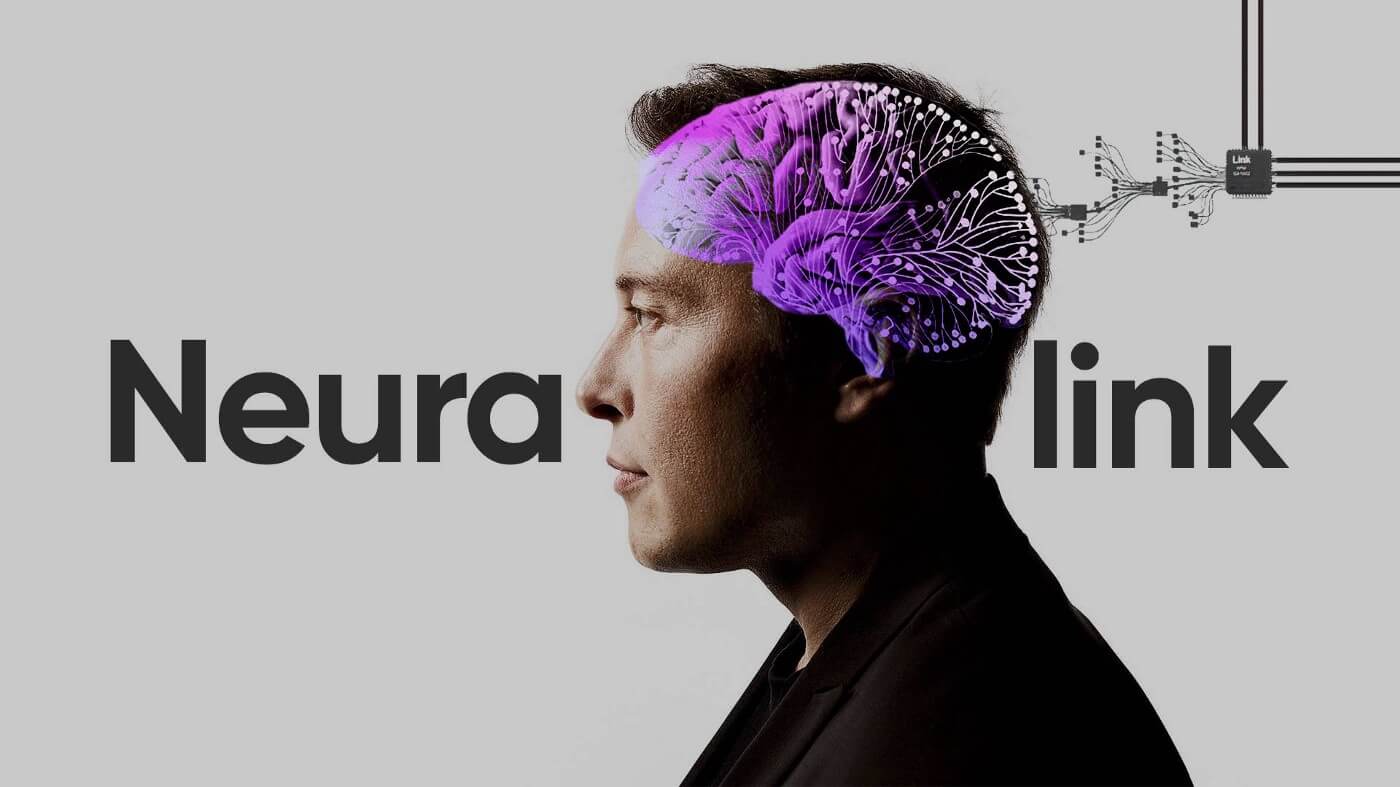
Neuralink Eyes Industrial-Scale Brain Implant Production in 2026 as Musk Pushes Automation, Speed and Scale

0

Elon Musk says Neuralink is preparing to cross a decisive threshold in the development of brain–computer interfaces, with plans to ramp up high-volume production of its brain implants in 2026 and automate much of the surgical process required to implant them in humans.

The move would mark a shift from cautious clinical experimentation to a manufacturing-led phase aimed at rapid scale, potentially transforming both neuroscience and the commercial trajectory of the BCI industry.

In a series of posts on X this week, Musk said Neuralink “will start high-volume production of brain-computer interface devices” this year, while the implantation procedure itself will move to a “streamlined, almost entirely automated surgical procedure” in 2026. He described the change as significant, particularly because the device threads would pass through the dura, the brain’s tough outer membrane, without requiring it to be removed.

The announcement underscores how aggressively Neuralink is trying to solve the two biggest bottlenecks facing implantable brain technologies: surgical complexity and manufacturing scale.

From lab-scale trials to mass production

Neuralink was founded in 2016 with the ambition of creating implantable chips that translate neural signals into digital commands, allowing users to control computers, phones, and other devices with their thoughts. While Musk has often spoken about long-term goals such as human–AI integration, the company’s near-term strategy has been tightly focused on medical use cases, particularly severe neurological conditions where existing treatments are limited.

Those include paralysis, spinal cord injuries, neurodegenerative diseases such as Parkinson’s and Alzheimer’s, and certain forms of vision impairment. In these cases, the potential benefits of invasive brain implants can outweigh the risks, making regulatory approval more feasible.

After years of animal testing and regulatory scrutiny, Neuralink implanted its first chip in a human patient in January 2024. That patient, Noland Arbaugh, who is quadriplegic, has since demonstrated the ability to control a computer cursor, type messages, and play games using neural signals alone. Arbaugh has said publicly that the implant has restored a sense of autonomy and social connection that he had lost after his injury.

By September 2025, Neuralink said 12 people worldwide had received implants and were actively using the system, a modest number that reflects the slow, regulator-driven pace of early human trials. Musk, however, has made clear that this is only the beginning. He has previously said Neuralink could exceed 1,000 patients by 2026, a target that would require a dramatic expansion in both device production and clinical capacity.

Automating the brain surgery bottleneck

One of Neuralink’s most persistent challenges has been the implantation process itself. The current approach involves a human surgeon removing a small section of the skull before a robotic system inserts dozens of ultra-thin electrode threads into specific regions of the brain. Each thread is about 20 times thinner than a human hair, a design intended to minimize tissue damage while capturing high-quality neural signals.

Musk’s claim that the procedure will become “almost entirely automated” suggests Neuralink is trying to turn neurosurgery into something closer to a standardized industrial process. Allowing the threads to pass through the dura without removing it could reduce surgical trauma, shorten recovery times, and lower the risk of complications, while also making procedures faster and more repeatable.

If successful, automation would address a core constraint: neurosurgeons are scarce, highly trained, and expensive, and scaling a technology that depends on manual brain surgery is inherently difficult. A largely robotic procedure could lower costs and enable Neuralink to treat far more patients, though it also raises questions about safety validation, liability, and regulatory oversight when machines, rather than surgeons, perform critical steps.

Manufacturing push and hiring signals

The production ramp Musk described has been building for some time. In late 2024, Neuralink went on a hiring spree, advertising roles for manufacturing technicians, microfabrication specialists, and robotics engineers. Those hires signaled an internal shift toward industrial processes rather than pure research and development.

High-volume production also implies greater standardization of the implant hardware itself. The Neuralink chip, roughly coin-sized, integrates signal processing, wireless communication, and power management, all of which must meet medical-grade reliability standards. Scaling production while maintaining consistency and safety will be a major test, particularly given the scrutiny applied to implantable medical devices.

However, Neuralink operates in a growing but still narrow field. Rivals such as Synchron and Blackrock Neurotech are also developing implantable BCIs, often with a more conservative approach focused on clinical partnerships and specific medical indications. Neuralink’s strategy is more vertically integrated, combining custom hardware, robotics, and software under one roof, and more expansive in its long-term vision.

That vision has made the company both influential and controversial. Musk has repeatedly suggested that brain implants could eventually be used by healthy individuals to enhance cognition or merge human intelligence with artificial intelligence. Such applications remain speculative and far from regulatory approval, but they shape how policymakers, ethicists, and the public view Neuralink’s trajectory.

Concerns include data privacy, long-term brain health, consent, and the societal implications of cognitive enhancement technologies. As Neuralink moves toward mass production, these debates are likely to intensify, particularly if the company begins to scale beyond small clinical populations.

Neuralink’s planned transition to high-volume production and automated implantation marks one of the most ambitious phases in its history. If the company succeeds, it could redefine what is technically and commercially possible in brain–computer interfaces, moving the field from experimental medicine toward something closer to a platform technology.

At the same time, the risks remain substantial. Scaling invasive brain implants is unlike scaling consumer electronics or software. Regulatory hurdles, unforeseen medical complications, and public trust will all shape how far and how fast Neuralink can go.

Trump Media Offers Crypto Token, But It Tests Investor Patience in a Tougher, More Skeptical Market

0

Trump Media & Technology Group is offering shareholders what it has framed as a post-holiday reward, announcing plans to issue a new cryptocurrency token tied directly to ownership of its stock.

The decision is being framed internally as a reward after a bruising year. In reality, the move places the Truth Social parent company at the intersection of two uneasy markets: a volatile crypto sector that has lost much of its speculative fervor and a stock that has struggled to convince investors of a clear growth trajectory.

In a statement released on Wednesday, December 31, Trump Media said it plans to distribute a new crypto token to its shareholders through a partnership with Crypto.com. The token will be built on the Cronos blockchain, a network backed by Crypto.com and used for decentralized finance and consumer-facing crypto applications. The company said each DJT shareholder is expected to receive one token for every share held, though it stopped short of giving a distribution date.

Trump Media added that token holders could receive further incentives in 2026, including possible discounts on company products. That framing positions the crypto less as a standalone investment and more as a shareholder engagement tool, tying digital assets directly to loyalty within the Trump Media ecosystem.

The announcement lands at a sensitive moment. Crypto assets associated with the Trump name have struggled through the latest market downturn, eroding confidence among investors who have grown more selective after years of sharp swings and high-profile failures. The Trump family has lost an estimated $1 billion in the recent crypto sell-off, largely driven by bitcoin’s decline and steep losses tied to the $Trump meme coin.

Performance across Trump-linked ventures has been uneven beyond crypto alone. American Bitcoin Corp, where Eric Trump is a primary shareholder, has had a difficult run since its September initial public offering, with shares down 14% year-to-date. For many investors, these numbers feed into broader concerns about execution risk and the reliance on branding in place of durable fundamentals.

Industry voices say the timing is challenging. Haonan Li, founder of stablecoin merchant platform Codex, said Trump Media’s token is entering a market that looks very different from earlier crypto cycles, when enthusiasm often outweighed scrutiny.

“Projects like this are entering a much more skeptical market,” Li told Business Insider. “Investors already have many ways to get crypto exposure, and spreading a strategy across multiple Trump-linked vehicles risks diluting demand rather than concentrating it.”

Recent price action offers little comfort. The $Trump meme coin has fallen about 14% over the past month. The $MELANIA Trump meme coin, launched in January 2025, dropped sharply shortly after its debut and is now down roughly 94% for the year. Those losses highlight how quickly sentiment can turn against tokens that lack clear utility or sustainable demand.

Li said the structure of the crypto market itself has changed. Earlier cycles were driven heavily by storytelling, when regulation limited real-world use cases and speculative narratives filled the gap. That environment has tightened.

“The lines are blurring, but investors are far more discerning than last cycle, and simply copying what worked before will not be enough,” he said.

Trump Media’s move also needs to be seen against the broader political and regulatory backdrop. President Donald Trump’s pro-crypto posture earlier in 2025 helped lift market sentiment, as investors welcomed signs of reduced regulatory pressure and clearer policy direction. That optimism has faded toward year-end, with prices sliding and attention shifting back to balance sheets, cash flows, and real adoption.

Thus, the token raises practical questions. It is not yet clear how the crypto will be valued, whether it will be freely tradable, or how rewards will be funded. There is also uncertainty around how regulators may view shareholder-linked token distributions, especially as scrutiny of crypto promotions has increased globally.

The promise of free tokens may sound appealing after a difficult year, but the lack of detail leaves room for doubt among shareholders. The company is asking investors to buy into a digital strategy at a time when the market is no longer forgiving of vague roadmaps or brand-driven experiments.

Starlink to Lower Satellite Orbits in 2026 as Congestion and Space Safety Risks Intensify

0

Starlink will begin lowering the orbital altitude of its satellites in 2026, moving thousands of spacecraft from about 550 kilometers to roughly 480 kilometers above Earth.

The move underpins how rapidly worsening congestion in low-Earth orbit is forcing operators to rethink long-term constellation design.

Michael Nicolls, SpaceX’s vice president of Starlink engineering, said the reconfiguration is aimed at improving space safety by concentrating satellites in a less crowded orbital shell. The change will apply to all Starlink satellites currently operating around 550 km, one of the most heavily populated altitude bands in low-Earth orbit.

“Lowering the satellites results in condensing Starlink orbits, and will increase space safety in several ways,” Nicolls said in a post on X. He noted that below 500 km, “the number of debris objects and planned satellite constellations is significantly lower, reducing the aggregate likelihood of collision.”

The announcement comes against the backdrop of a sharp rise in orbital traffic. In just a few years, low-Earth orbit has gone from hosting a few thousand satellites to tens of thousands, driven by broadband megaconstellations, Earth-imaging fleets, and government-backed communications systems. Starlink alone accounts for nearly 10,000 active satellites, making SpaceX the dominant player in an increasingly congested environment.

The risks of that congestion were brought into focus in December, when Starlink disclosed that one of its satellites experienced an in-orbit anomaly that produced a “small” amount of debris and severed communications with the spacecraft at around 418 km in altitude. The satellite rapidly lost altitude, dropping roughly four kilometers, an event SpaceX said suggested an internal failure or explosion. While the company stressed that such incidents are rare, it was a reminder that even a single failure can add to debris risks when constellations operate at scale.

Lowering operational altitude offers several advantages from a safety perspective. Satellites flying closer to Earth experience greater atmospheric drag, which means that if a spacecraft fails or loses control, it will naturally decay out of orbit and burn up in the atmosphere much faster than one operating higher up. That shortens the lifespan of potential debris and reduces the chance that defunct satellites remain hazards for decades.

The move also reflects growing pressure from regulators, space agencies, and sustainability advocates who are increasingly alarmed by the pace at which low-Earth orbit is filling up. Concerns extend beyond collision risks to include radio-frequency interference, the impact of satellite brightness on astronomical observations, and the lack of globally binding rules governing megaconstellations. Several space agencies have warned that without stricter operational standards, the risk of cascading collisions could rise sharply.

The reconfiguration is also a strategic signal for SpaceX. Starlink has evolved into a core commercial business that provides broadband connectivity to consumers, enterprises, and governments, including in remote and conflict-affected regions. That scale brings revenue, but it also places Starlink under far greater scrutiny than traditional satellite operators. Operational decisions, not just launch cadence or satellite count, are now central to how the company is judged.

Condensing Starlink’s constellation below 500 km may also influence how future constellations are designed. Many planned networks have targeted similar altitude ranges, and SpaceX’s move could intensify competition for “cleaner” orbital shells while nudging regulators toward setting clearer altitude preferences or caps. It may also affect satellite lifespans, as lower orbits generally require more frequent replenishment, raising costs but improving disposal outcomes.

As more countries push for tighter space traffic management frameworks and as insurers and customers pay closer attention to operational risk, Starlink’s decision suggests an effort. How constellations are managed, de-orbited, and integrated into a crowded orbital ecosystem is becoming just as important as how many satellites are launched.

Put together, Starlink’s 2026 orbital shift is a sign that even the industry’s most aggressive players are being forced to adapt to the limits of space itself, especially as low-Earth orbit becomes one of the most contested and regulated domains in the global economy.