DD
MM
YYYY

PAGES

DD
MM
YYYY

spot_img

PAGES

Home Blog Page 5421

The UK-based The Agenda Quotes Ndubuisi Ekekwe

0

The UK-based The Agenda quoted yours truly in its December 2021 magazine. The Agenda has a mission “to spark conversations that connect leaders and inspire collaborations on solving our common problems all over the world.” My thesis remains that nothing will change the cardinal construct of market systems because at the end of everything, they will end at the equilibrium movements of demand and supply. But while the cardinal fulcrum remains, the marginal constructs evolve – and because of those, companies and nations must adapt.

Download The Agenda here and read my perspectives – https://projects.brianreuben.com/agenda-magazine/

Nigeria’s Debt Management Office Allays Fears Over Chinese Loans

0
The coat of arm of Nigeria

Nigeria’s rising debt profile, which currently stands at $37.9 billion and includes a huge sum borrowed from China, has become a serious reason for concern to Nigerians in recent times.

The concern was heightened by the news that the Chinese Exim Bank has sequestrated Uganda’s lone international airport last month because the East African country couldn’t repay its loan to China.

According to the Debt Management Office (DMO), Nigeria’s debt to China is currently $3.59 billion as of September 2021. This balance is out of a total debt of $6.5 billion available for Nigeria to draw down.

The federal government of Nigeria is struggling with debt repayment amidst revenue shortfalls orchestrated by oil market downturn. The deadlines for China’s debt repayments, which coincides with other loans, are closing in. Most of the debts have 20-year timeline with a grace period of seven years.

China’s growing legacy in Africa is characterized by lower-interest but collateralized loans channeled to infrastructure. And Nigeria, Africa’s largest economy, has in the past decade, increased its share of the loans. Though interest rates for the loans average 2.5% per annum, it has been accompanied by more controversies than infrastructure.

The Nigerian government said the loans are mostly tied to rail and road infrastructural projects. The 11 projects listed by the government in March, some of which have been completed are, Nigerian Railway Modernization Project (Idu-Kaduna section), Abuja Light Rail Project, Nigerian Four Airport Terminals Expansion Project (Abuja, Kano, Lagos and Port Harcourt), Nigerian Railway Modernization Project (Lagos-Ibadan section), and Rehabilitation and Upgrading of Abuja-Keffi- Makurdi Road Project.

The growing fear is that China could swoop on any of the assets upon default, given Nigeria’s wretched state of economy that has increased its borrowing spree.

But allaying this fear, the DMO said that the Nigerian government weighs all pros and cons and put them into consideration before signing for foreign loans.

Patience Oniha, the Director-General of DMO, on Saturday in Abuja said the Attorney General and Minister of Justice, takes the fundamental step to vet all loan agreements to ensure the country’s interest is protected.

“An important and extremely critical step is that the loan agreements are approved by the Federal Ministry of Justice.

“An opinion is issued by the Attorney-General of the Federation and Minister of Justice before the agreements are signed,” she said.

She explained that the deals involve rooms for resolving conflicts between loaner and loanee, and various arms of government, including the Federal Executive Council and National Assembly, are also involved to ensure that the loans were beneficial to the nation.

“The first action is that the parties should resolve it within themselves and if that fails, they go to arbitration.

“In other words, a lender, in this case, China, would not just pounce on an asset at the first sign of a dispute, including defaults,’’ she said.

In June, the DMO said that in terms of external sources of funds, loans from China accounted for 11.28% of the external debt stock of $27.67 billion.

However, Nigeria has repaid $565.23 million in principal repayments and another $477.98 million in interest. Oniha said loans from China to Nigeria, which presently stood at $3.59 billion, make up only 9.4% of the country’s total foreign debt stock of 37.9 billion dollars.

“Nigeria’s total debt stock as at September 30 was 37.9 billion dollars, this figure comprised the external debt stock of the Federal Government, 36 state governments and the Federal Capital Territory.

“But total loans from China stand at 3.59 billion dollars, which is 9.47% of the total external debt.  The loans did not require any national asset as collateral; they were largely concessional,’’ she said.

While this explanation does not erase the concerns over Nigeria’s rising debt profile, it allays the fear that what happened to Uganda’s airport may happen to any of Nigeria’s major assets soon.

Indonesia Keeps It Local as It Unveils Fund for Soonicorns

0

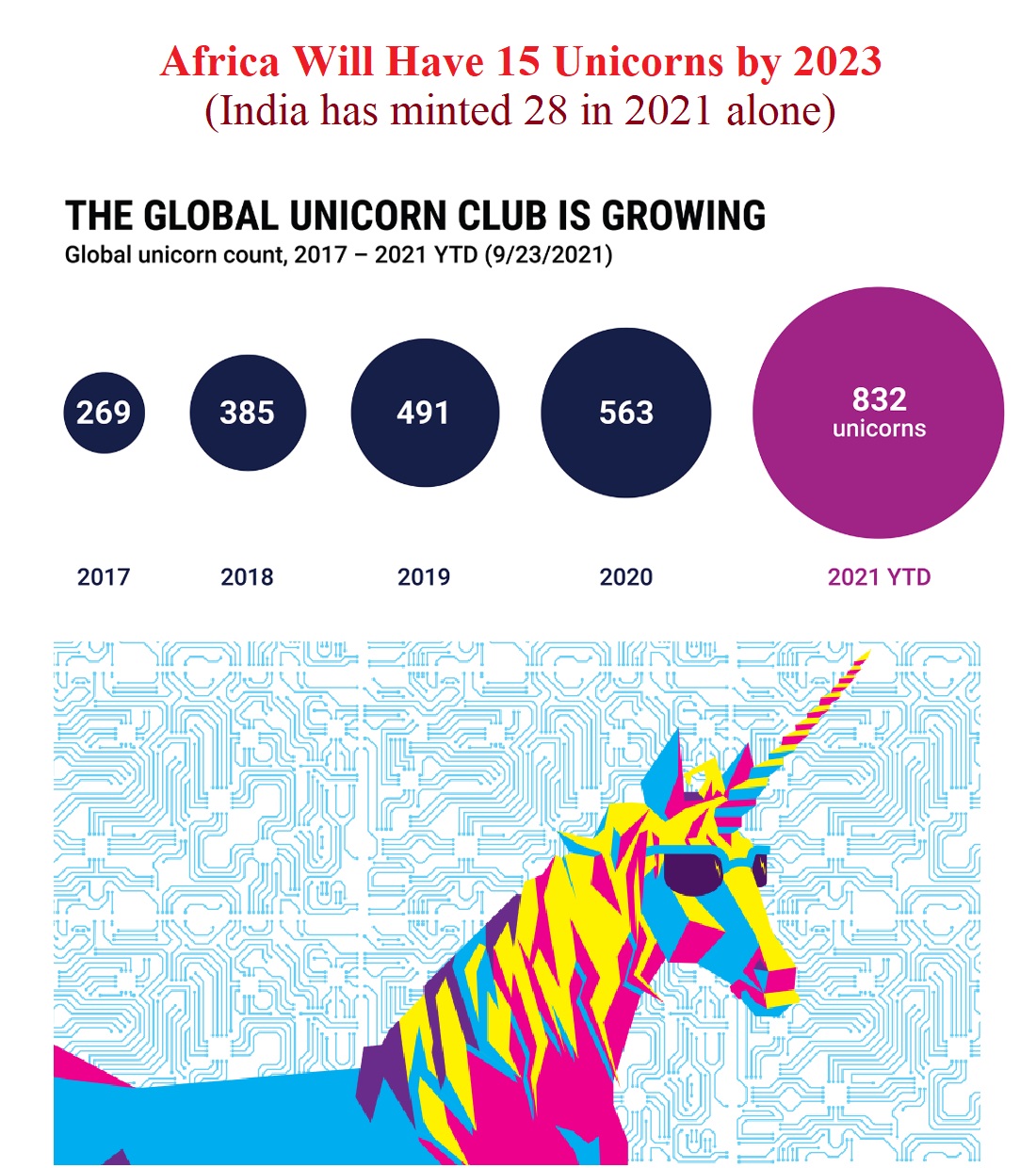
Indonesia wants to keep it home and make sure that its leading startups are funded with local funds. Yes, the Indonesian Government has launched a Soonicorn fund to invest in Indonesian startups that are on the track to become Unicorns (valuation of at least $1 billion).

Indonesia, on Wednesday, officially launched a venture capital fund that will target local startups with a valuation of over $200 million. The Merah Putih Fund, launched by president Joko Widodo — also known as Jokowi — aims to back ‘soonicorns’ or startups that have the potential to soon become unicorns. “The market potential is big.

Currently, we have 2,319 startups and it is increasing every day. We have one decacorn, seven unicorns, and so many soonicorns that will be pushed to the unicorn and decacorn clubs,” Widodo said at the inauguration of the Digital Generation Acceleration Movement in Jakarta.

At a private level, this is the vision of Tekedia Capital: empower people to have access to invest in the most promising startups in their localities. Learn more about Tekedia Capital here and join the Syndicate.

Two critical startup skills for founders

0

There have been men and women who successfully managed established businesses and brands, and yet when they decided to start up a business, they did not go far. There are also people who have started up a business from zero and grown it perhaps to $500,000 in revenue per annum but could not take it beyond that level.

Do you want to know why this is? Simple. It requires a completely different skill set to start up a business and takes it from zero revenue to hundreds of thousands in revenues. It also takes another set of skills to take it from that stage to a multi-million dollar revenue company. This is why you see some founders grow the business to a point and then step aside to let some other people take the business to the next level as CEO.

At the very beginning of the business, from the pre-launch stage, you need entrepreneurial leadership to move the business up to the point where it could be generating hundreds of thousands of dollars in revenue. At the next stage, it requires managerial leadership to move the business to a multi-million dollar company, and if the business has to get to the point of being listed in an exchange, it requires corporate leadership for that stage. Of course, intensive personal development could lead one person to have all of them, but it is not often we find such people.

In subsequent posts, I will talk about the skills needed for the growth stage of a startup but today, let’s look at two critical skills a startup entrepreneur needs to have.

Creating the product

At the very start of the business, all you have is an idea, and maybe a strong conviction that it can solve a problem or series of problems. The onus is on you to build or create a product from that idea, and you need to have the skillset for it. You should be able to create, modify, and continuously tweak the product until you get what the market needs.

This is a skill that not everyone may have. Some persons may be good at driving growth in sales, but not so good at creating it. Some others may spend months on the drawing board planning and replanning but unable to create an acceptable product. As a startup entrepreneur, product development is a key skill for you to possess. The presence of a product/solution is equivalent to an official announcement that the business has started.

Engaging and on-boarding initial adopters

Another skill that is critical for the entrepreneur at the startup stage is the ability to engage and onboard early adopters of your idea or product. This could include partners, investors, friends, and family, your first 100 or more customers, etc. This skill is different from that of moving the products into the hands of hundreds of thousands of customers.

At this stage, you are dealing with a small customer base. This is more like the point where you have to convince the first set of persons that the product is worth trying out. You may not have a huge capital to fund massive marketing at this point, so a lot of it will depend on your personal communication, networking, and marketing skills.

Once you have gone past this stage, the next skill set needed is for the growth stage of the business. We will talk about that in a subsequent post.

US Consumer Financial Protection Bureau Launches Investigation into Buy Now Pay Later Program

10

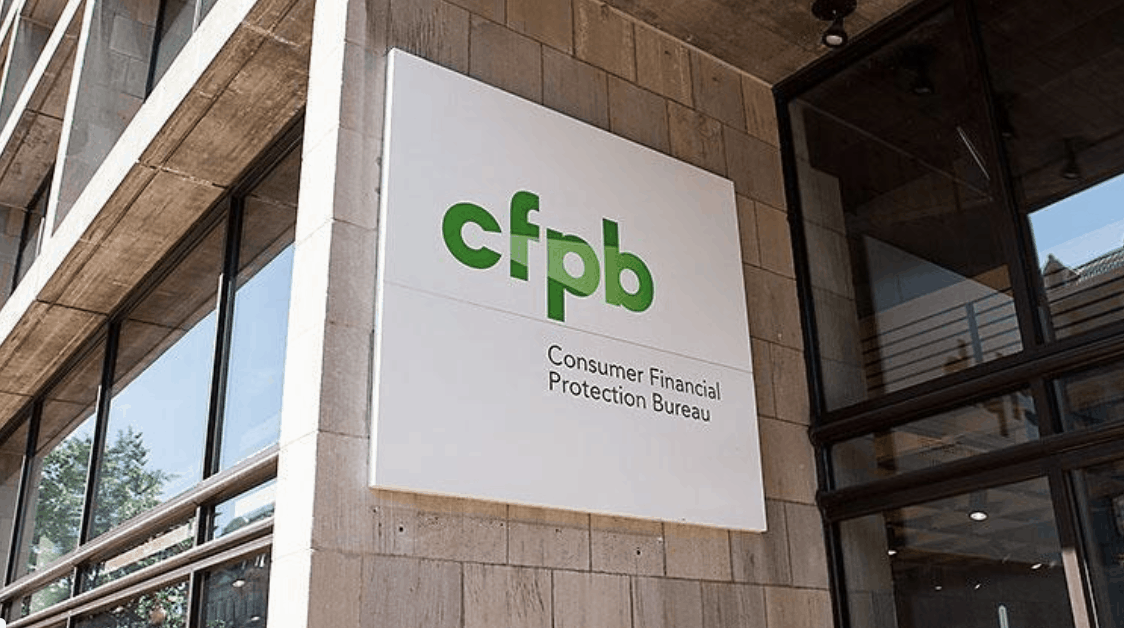
Emerging Buy Now Pay Later (BNPL) market, which is becoming widely adopted, is about to take a hit. The Consumer Financial Protection Bureau (CFPB) said Thursday it is opening an inquiry into its popular programs.

The financial watchdog said it is particularly concerned about how BNPL impacts consumer debt accumulation, as well as what consumer protection laws apply and how the payment providers harvest data.

“Buy now, pay later is the new version of the old layaway plan, but with modern, faster twists where the consumer gets the product immediately but gets the debt immediately, too,” CFPB Director Rohit Chopra said in a statement.

“We have ordered Affirm, Afterpay, Klarna, PayPal and Zip to submit information so that we can report to the public about industry practices and risks.” The findings from this inquiry will be published later, the CFPB said.

The move comes a day after six Democratic US senators on the Committee on Banking, Housing, and Urban Affairs, including Elizabeth Warren, wrote a letter to the CFPB, urging it to look into potentially abusive practices in the industry.

“While the emergence of BNPL as affordable small-dollar credit has potentially provided an alternative to more costly forms of credit, these products also have the potential to cause consumer harm,” the senators wrote.

“Nonbank BNPL providers currently operate without meaningful oversight. They are not generally subject to federal supervision that can spot unfair, deceptive, or abusive practices or other violations of federal consumer protection laws,” the senators added, noting that “consumers may be unaware of these regulatory gaps and may be erroneously led to believe that credit obtained from a BNPL provider comes with protections that are similar to those for credit cards.”

BNPL programs came to life following the outbreak of COVID-19 and have been spurred by a surge in online shopping, largely created by the shift to digital life.

BNPL firms have seen record growth buoyed by the trend. Affirm shares have nearly doubled from their initial public offering price. The company announced a deal with Amazon in August. And Klarna has become one of the world’s most valuable privately held startups with a recent valuation of $45.7 billion.

However, the watchdog is worried that installment buying could encourage consumers to spend more than they can afford and juggling multiple payment plans can be harder to keep track of.

This year’s Black Friday and Cyber Monday shopping weekend “saw massive growth in BNPL,” the CFPB said.

Following the announcement, Affirm’s shares closed down 11% on Thursday. Australian companies Afterpay, Zip and Sezzle dropped 8%, 6% and 10% on Friday, respectively.

Affirm, Afterpay, Klarna, PayPal and Zip have until March 1, 2022, to gather detailed information about consumers’ shopping behavior, fees, loan performance, users’ demographics, data collection and other elements of their business models, according to the CFPB edict.

This is coming at a time when the U.K. government is also planning to introduce BNPL regulations. Part of the regulator’s aim is to put the companies under the auspices of the Financial Conduct Authority, which regulates financial services firms. The legislative research, which is expected to end Jan. 6, is being handled by the Britain Treasury Department with the help of BNPL companies.

Some of the companies who responded to the CFPB’s investigation said they welcome the move.

A spokesperson for Klarna told CNN Business that “we believe proportionate regulation is a good thing and set the standard by providing consumers with an interest free, fair and sustainable alternative to credit cards.”

“Through this process, we believe those benefits will be made abundantly clear and will continue our work with regulators to inform them about how our products are structured, used, and benefit both consumers and retailers,” the Klarna spokesperson added.

Zip said in a statement Thursday night that it “has always believed in transparency and we welcome the opportunity to continue sharing insights with the CFPB’s research and markets division. We have a shared mission to prioritize consumer financial wellbeing and as such we applaud the CFPB’s dedication to consumer protection.”

It added that the company “already abides by a number of federal and state regulations and we will continue to prioritize regulatory compliance as we create consumer-friendly products and services.”