DD
MM
YYYY

PAGES

DD
MM
YYYY

spot_img

PAGES

Home Blog Page 5440

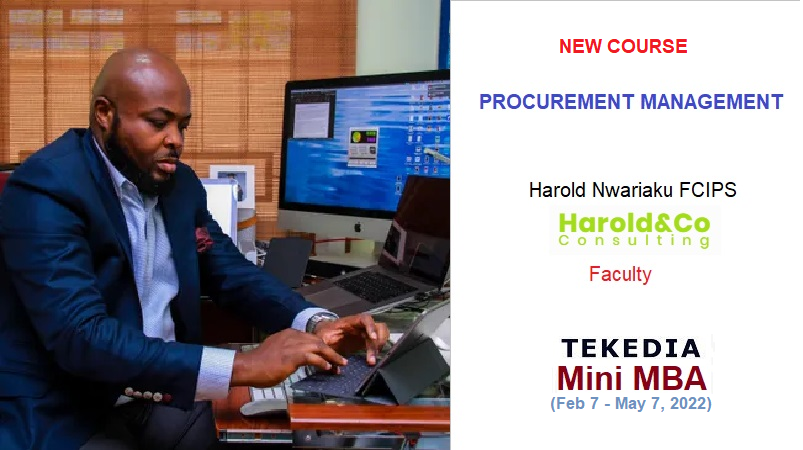
Tekedia Mini-MBA Introducing Procurement Management As New Course

0

He is one of the zen-masters when it comes to procurement management in Africa.. From Procter & Gamble, Diageo (Guinness Nigeria), MTN, etc to running one of the most important procurement management consulting firms in Africa, Harold & Co Procurement/Supply Chain Consulting, Harold Nwariaku is a supply chain and procurement management leader.

We have hours of video courseware where he has explained in great detail on how companies can build and deepen competitive advantages in the market through an efficient and effective procurement management playbook. It is a masterpiece flavoured with the nuances of the African market by an industry player.

Improve your procurement game plan and WIN unconstrained at Tekedia Institute.

Tekedia Mini-MBA >> learn from the best. Register for the Feb 2022 edition.

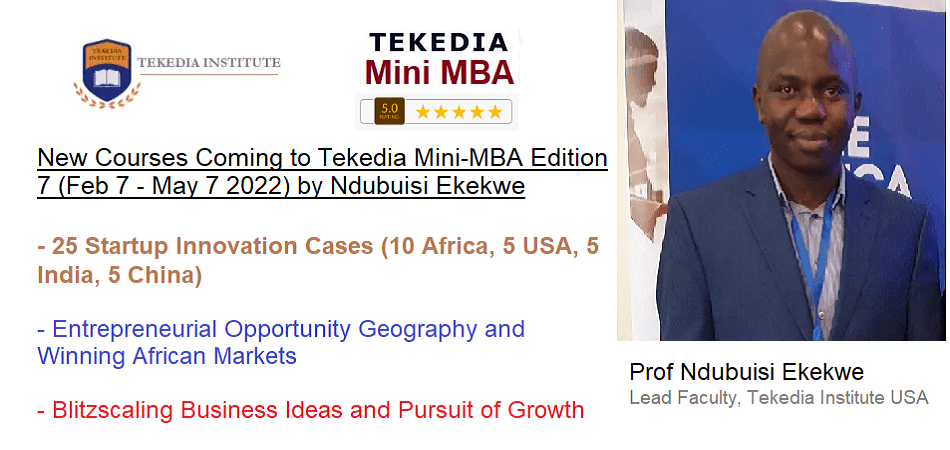
Ndubuisi Ekekwe To Teach Three New Courses in the Next Edition of Tekedia Mini-MBA

0

Every year we revamp the curriculum of Tekedia Mini-MBA. We do that because markets are very dynamic and we need to ensure we add value to our learners. Besides other new courses coming from our global faculty, Ndubuisi Ekekwe will be teaching these three new courses in the 7th edition of Tekedia Institute Mini-MBA.

New Courses Coming to Tekedia Mini-MBA Edition 7 (Feb 7 – May 7 2022)

  • – 25 Startup Innovation Cases (10 Africa, 5 USA, 5 India, 5 China)
  • – Entrepreneurial Opportunity Geography and Winning African Markets
  • – Blitzscaling Business Ideas and Pursuit of Growth

The cost remains N90,000 or $170. Beat the early bird and register today

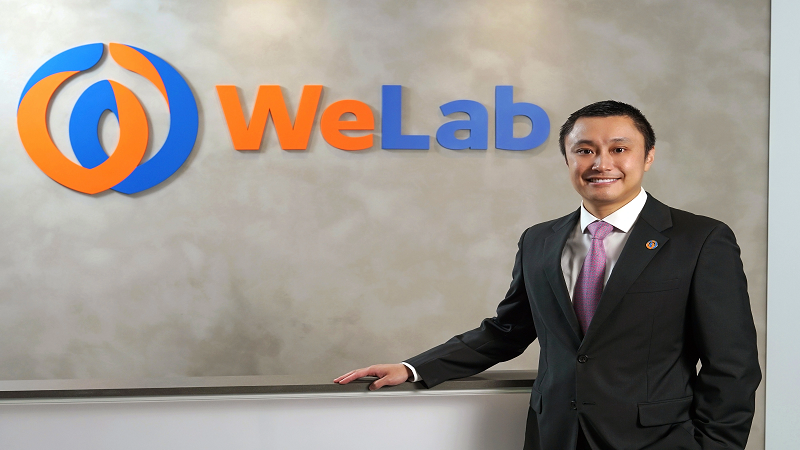
WeLab, Hong Kong-Based Fintech, Raises $240m, Acquires A Commercial Bank

0

WeLab, a Hong Kong-based fintech company, announced Tuesday that it has acquired Bank Jasa Jakarta (BJJ), an Indonesian commercial bank after raising $240 million.

The unicorn has expanding presence in Asia and is planning to launch a digital bank to capture Indonesia’s enormous unbanked population in the second half of next year.

Per TechCrunch, a consortium led by WeLab has raised $240 million from existing and new investors, which the company claimed was the largest fintech funding in Indonesia this year. The capital will go toward acquiring BJJ’s stakes and “tech investments,” the company said.

WeLab was founded in 2013, and has since then scaled hurdles to become a leader in Asia’s financial market. By acquiring commercial banks, the fintech is setting up a new dynamic in the finance industry.

The consortium, called WeLab Sky, will acquire the stakes of BJJ to become its sole controlling shareholder. WeLab Sky has already bought a 24% stake in the bank, while the remaining shares for majority control will be transferred upon securing regulatory approvals, according to TechCrunch.

WeLab ventured in to Hong Kong with its digital bank last year with a host of services. The company currently operates a suite of consumer fintech products across Asia, including the virtual bank and a lending product in its home city, as well as several types of lending services in mainland China and Indonesia. It also provides technology “enabling” services to traditional financial institutions with the backing of Hong Kong billionaire Li Ka-Shing’s TOM Group.

Indonesia has become a huge market for payment operators, with a horde of them jostling for market shares. With its tech-savvy consumers, the Asian country has attracted companies like Xendit, a newly minted unicorn that provides digital payments infrastructure, Payfazz, which offers a mobile app for handling routine financial tasks, and GoTo, the payment gateway under behemoth GoTo.

Having established in Hong Kong, a global financial center, WeLab has witnessed its customer-base grow. The company said it has amassed over 150,000 digital banking customers and its online lending app for Southeast Asia, Maucash, which it launched through a joint venture with Astra International, has more than three million Indonesian users.

WeLab’s acquisition of commercial banks is a play that will likely become a huge part of the fintech market. The emerging market is posing a threat to traditional financial industry, taking a large number of customers, especially young people, off commercial banks. Following WeLab’s step, more commercial banks are expected to be acquired by fintech players in the near future.

Avoid people who think they can never be wrong!

0

Do not argue with the past and be open to embrace the future.

Avoid people who think they can never be wrong. Run away from people who think that acknowledging mistakes is weakness.

If your boss is never wrong because he uses his power to make mistakes to look “correct”, it’s time for another move.

Great leaders are authentic and they change opinions based on new information. Bad leaders are lost in the past, never open to see a deep future.

Comment on LinkedIn Feed

Comment 1: This is where imagination trumps knowledge, the latter puts you in defensive mode, working hard to protect what you already know, irrespective of its relevance or lack thereof.

No matter how much knowledge you have accumulated, it remains infinitesimal when compared with what you don’t know, so the idea of never being wrong or sticking to your initial position all the time is nothing really short of foolishness, and therefore not fit for debate.

Growth is tied to the future, you do not grow in the past.

Comment #2: Prof. your identity is a spectrum, it changes with the tone of your posts. When you write to educate businesses, you’re an Investor/Innovator/Entrepreneur/Strategist. When you write to inspire philosophically, you’re a Mentor. When you write to teach people, you’re a Teacher/Tutor. When you write from a technical point of view, you identify as an Engineer/Technologist.

A Leader doesn’t only ‘inspire’ his Teammates, he is also ‘inspired’ by them. If such is not the case, then he’s a Ruler, not a Leader. A leader is a part of a team. A ruler has no team, he has subjects.

If you’re subject to your boss rather than his/her teammate, you’re under a Rulership. If you’re intending to grow as a person under a “Leadership”, then you might want to quit the union. In other cases, your possible course of actions should be dependent on the nature of your relationship with the company.

An African Metaverse Roadmap

0

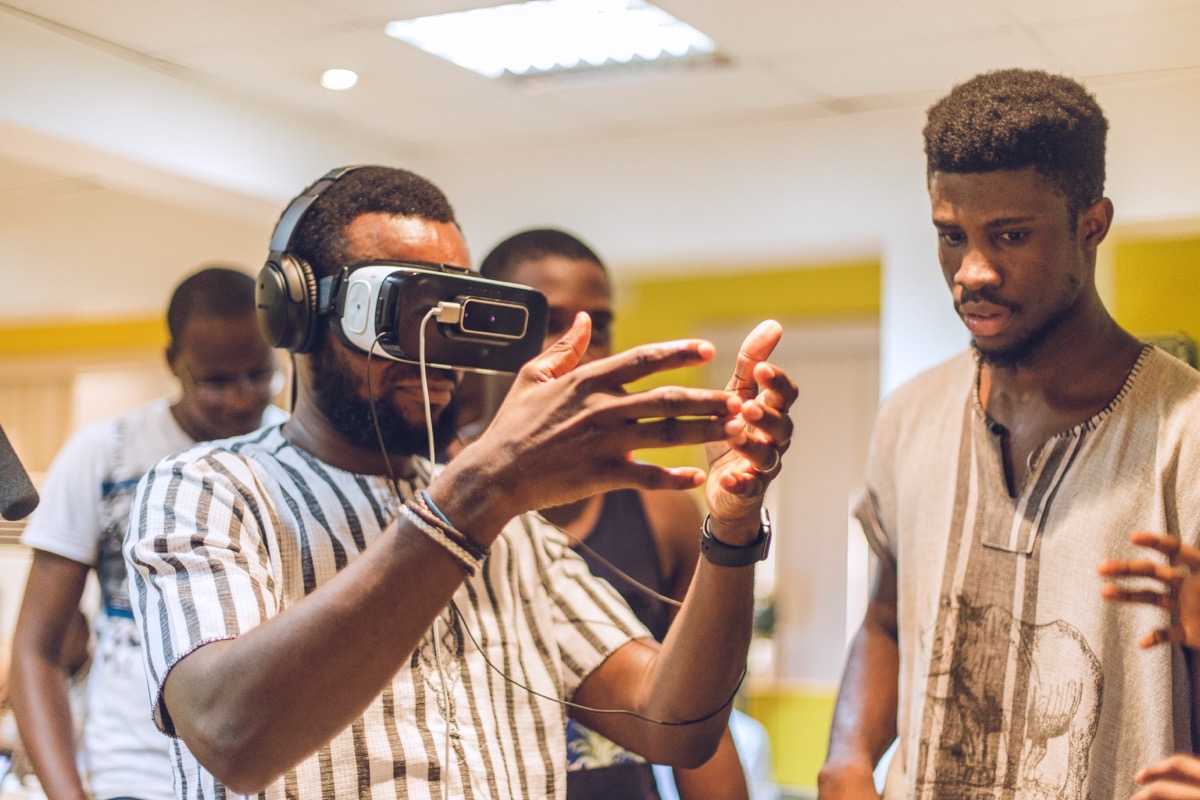
The metaverse is more than a business potential. It will rewrite our history as a race but I fear it may never crack the balkanization of the internet. It will accelerate the widening digital divide and set up the human race for another clash of civilizations- what culture should lead or dominate will reverberate in this new world of the internet and virtual assets. Societal polarization may remain brutally the same across views, directions, and leadership of this moment and the future.  

But it makes commercial sense for African telecoms and startups to explore the possibilities inherent in building platforms created on blending the digital world with real-life environments. For African telcos, this is a potential $712 billion market by 2030 as we introduce such state-of-the-art 5G applications. The joy is everything is still at its nascent stage, we can begin to build cutting-edge metaverse applications.  

It will open up new revenue streams for the African technology ecosystem but we essentially must improve on our infrastructure (both soft and hard) as the metaverse relies on speed connectivity, data storage, and reliable connection. This will demand that the African government work through promoting public-private partnerships to advance the technology. The metaverse is a famous coinage in sci-fi novels and movies. Its growth and influence have been accelerated by the COVID19 pandemic and stunning advancements in exponential technologies. 

Leslie Shannon, Nokia’s Head of Trend Scouting, referred to the importance of the metaverse, or spatial internet, as the zenith of everything that augmented reality (AR) and virtual reality (VR) is creating today. “It’s the idea of taking information about things, locations, or historical events and actually locating that information out there in the world where it’s most relevant.  

The role of gaming

A Strong gaming industry is a key foundation for the flourishing of the metaverse. Here South Korea highly reckoned gaming industry and its popular culture content as placed it as one of the strategic leaders in the metaverse world. South Korea boasts of the world’s fourth-largest gaming market, which is expected to surpass 18 trillion won ($16.6 billion) and help it preserve its gaming industry as the largest cultural export. 

Globally, the gaming industry is transforming. We are seeing the use of virtual engagement through massively multiplayer online role-playing games. There is the opportunity for African gaming firms small as they in comparison to the gaming giants, can use African game characters and intellectual properties. We can develop virtual reality platforms by riding on the global success of our sports, musical, and entertainment idols. These contents/platforms will help us tell the African story and develop commercially attractive IPs for the consumer brands and the world.

Metaverse is beyond gaming. It is a virtual city where brands and people are comingling. It is a platform for social gatherings as well as shopping. So, famous brands such as Nike, Gucci, and Ralph Lauren are opening virtual shops and selling their digital products. Also, the rise of patronization continues with these brands enabling their users to design their own items and monetize them. Metaverse is a transformative mix of games and massive digital commerce.

African telcos must start building their own metaverse platform targeting African digital natives and emboldening this platform to help African businesses host conferences, orientations, training, and town hall meetings. We can give our tourism industry a metaverse lift by driving its global attraction through virtualization and gamification, helping us reach a hitherto unreachable global audience and commercial patronage.

We will need a roadmap

We must accelerate the digital transformation of African society. We need African business and government to shape the metaverse. We must accelerate our local infrastructure development so it can support technological innovations like those in the metaverse. And public-private partnerships should play a role. 

African government science ministries should forge a “metaverse association” with commercial entities as well as the government to enable the evolution of virtual and augmented reality platforms that reflect our cultural heritage, history, and transformations. It must back this with funding and strong partnerships with global technology houses. Yet we may be lucky to have the metaverse still at its nascent development stage but we may not be lucky if we don’t shape its evolution in the years ahead. 

So, luck may elude us if we don’t start investing heavily in fast and reliable internet, and the related infrastructure to drive this. This is the fulcrum upon which the metaverse platforms can be accessed from anywhere. It, therefore, means that Africa must build digitally connected societies across its communities. Incessant power and internet outages and even the lack of it thereof in many places could truncate the laudable benefits of an Africa-shaped metaverse.

African telcos must brace up their infrastructure for high internet traffic. There is an urgent need for the development of proper infrastructure to support the evolution of the metaverse. It goes without saying that 5G testing and rollout should move beyond major cities but extend into rural areas. As we move into uncharted quarters, regulation must evolve rapidly to meet the need for data protection, privacy, and the transformative impact of the metaverse.

Finally, with the arrival of the COVID19 pandemic and its virulent mutations that bedevil us daily, the African government must understand that the metaverse will have a transformative impact on our society and its future. The massive investments being poured into the metaverse could see African society playing catch up with dire consequences for all. The African government must build the needed infrastructure, understand the technology and shape the direction which could redefine industries and societies. As the world moves into the metaverse, it offers Africa amazing opportunities to tap into her ingenuities with PPPs and collaborations, thereby setting the stage for a Pan-African metaverse age.