DD
MM
YYYY

PAGES

DD
MM
YYYY

spot_img

PAGES

Home Blog Page 5450

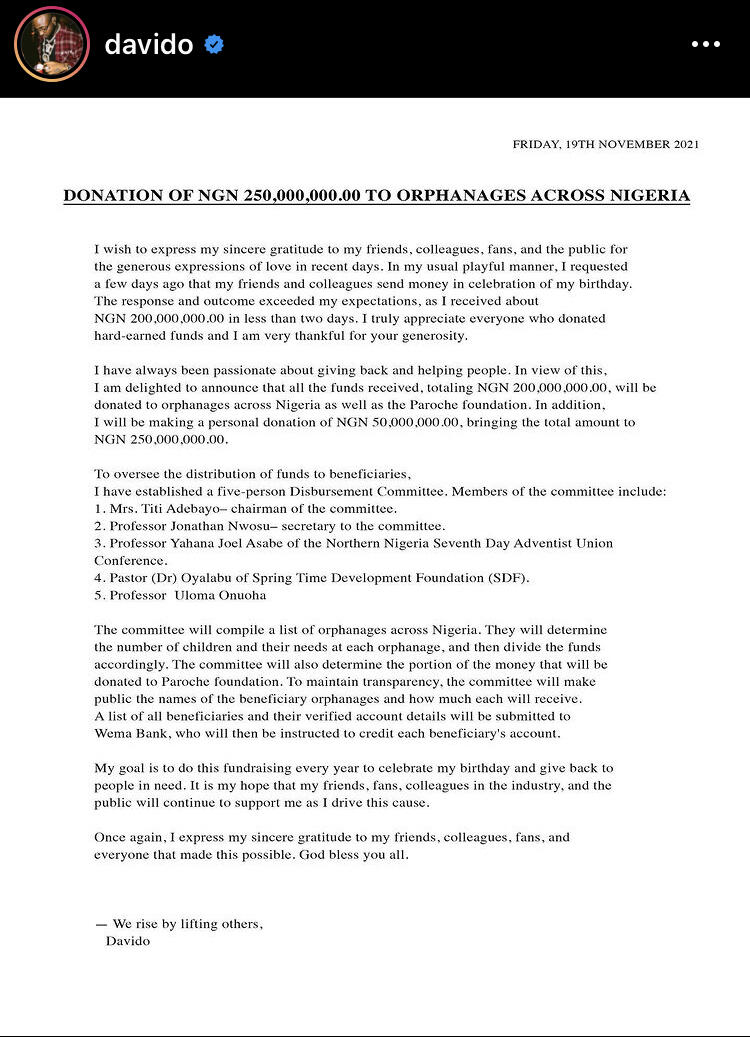
The Davido’s Birthday Donations

1

Nigeria’s ace musician, Davido Adeleke, went on Twitter, asking the people to donate money for his 29th birthday: “If you know I’ve given you a hit song, send me money.” Within hours, many have donated to the bank account he provided. As of last count, he has closed more than N174 million!

One of Nigeria’s biggest singers, David Adeleke, a.k.a Davido, has received over N174m in less than 24 hours after he challenged his friends to send him N1m each ahead of his birthday. The singer turns 29 on Monday. Davido posted his account number on his verified Twitter account on Wednesday.

Some donors include BB Naija’s Nengi, Perruzi, Teni, Phyno, Don Jazzy, Tiwa Savage, Mayokun, Adekunle Gold, Mr Eazi, Zlatan, Cubana Chief Priest, Oyo State lawmaker Akin Alabi, businessman & socialite Emeka Okonkwo aka E-money, Obi Cubana, and Femi Otedola.

People, what is happening here? Can a teacher like me substitute for Davido and get a percentage outcome?  Would you support this teacher? Lol. 

Indeed, our world has changed that one of Nigeria’s most successful musicians can convince people to take loans on apps to make sure he has a great birthday! That is the power of the new age. Salute Davido for building that social capital; he is a brand!

Comment on LinkedIn Feed

The world has not changed because people donated to one of their own, it has always been that way, the only difference here is that social media makes it viral.

What happens when a wealthy man hosts an event, whether birthday, chieftaincy title or a simple get together? Plenty money flows, it’s a network power thing, no surprises. If an unknown person or poor man tries it, he become depressed.

The same brand power also worked in your Tekedia Institute and its constituents, the early believers didn’t congregate because of richness of content or faculties, but rather because of Ndubuisi Ekekwe as a brand, everything draws its power from there.

Again, many of those who donated to Davido equally increased their own social capitals by doing so, think about Davido’s mammoth followers and all the people who will be jostling to read list of donors, they all add up, the donors are not stupid…

There is an intrinsic value for the participant, it has nothing to do with generosity, because if Davido skips your name from list of donors (after donating), you will feel terrible for a long time.

It’s business, those who wail and complain about show of wealth in the midst of poverty do not understand, and they remain miserable.

Game on…

Update: he is turning the donations into a bigger call

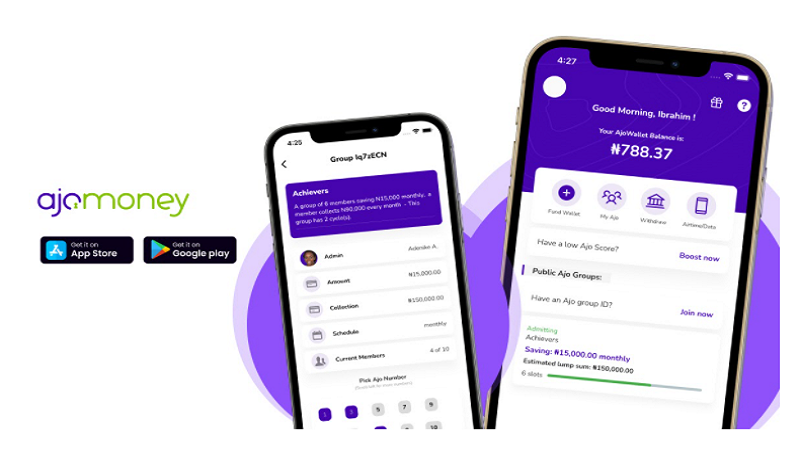
AjoMoney digitized the rotating group savings to promote zero-interest financing in Nigeria

0

Rotating savings and credit associations (ROSCAs) are informal financial institutions serving the financial needs of many people in Nigeria and other developing countries for centuries. It has several names across different countries in the world. In Nigeria, it is popularly known as Esusu, Osusu, Enusu, Ajo (Yoruba), Cha (Ibo), Oha, Oja, Adashi (Haussa, Tiv), Bam (Tiv), Isusu (Ot), Utu (Ibo), Dashi (Nupe), Efe (Ibibios), Oku (Kalabari Ijawas), Mitiri, Compiri, Club (Ibo).

In the ROSCAs system being digitized by AjoMoney, a group of trusted individuals agree to contribute a fixed amount into a fund at regular intervals. This process continues until all members receive the sum of the money that has been deposited into the fund in turn. In Nigeria, through traditional means, rotating group savings is one of the community support mechanisms helping fragile households cope with certain crises through the network of informal and formal relationships.

A larger percentage of Nigerians are undercapitalized, suggesting major operational difficulties in accessing credit and pursuing corporate goals. Non-availability of long-term finance and long procedures to access financial help, where available, has been identified as a major constraint facing individuals and businesses in Nigeria.

As technology and other financial technology companies have made access to financing possible through loans with monthly interests, AjoMoney believes that they can travel back in time to fully digitize the centuries-old method our forefathers have been using to gain access to financing without the burden of paying a high-interest.

As the ROSCA system is actively being adopted by 50% – 90% of the adult population in Nigeria. It has really been a tool for easy access to credit, mutual insurance, purchase of goods, early acquisition of assets, poverty reduction and money saving discipline.

AjoMoney, which was founded by Ibrahim Adepoju and Chineye Ochem was able to digitize the rotating savings and credit association system through their mobile application, which is currently available on google play store and apple app store.

The social and information age is changing the way people see rotating savings. The issue of trust and safety by the individual managing the rotating savings has made many lose hope in the rotating savings system. AjoMoney, ever since it was launched in July 2021, has registered more than 1500 users in averagely three (3) months with zero advertising budget. Users in the age range of 19 to 45 years have been searching for related apps on both playstore and Appstore, and were eager to check it out upon seeing the arrival of AjoMoney.

AjoMoney not only targets adults to whom the rotating savings system is very notable, but also targets millennials and gen-z who are having issues with zero-burden access to finance, enabling them to also benefit from the system their parents have been using to cover many bills and sponsor the family needs during tough economic times.

“Growing up in Nigeria, my parents leveraged on rotating savings with collections scheduled for August, September and October, so as to be able to pay our school fees and other amenities needed, which also included investing into other assets like renovating our house and upgrading the livelihood of the family. They have been doing this for decades and they pay back flexibly with zero interest. In a time of financial crisis like this, AjoMoney was built for Nigerians struggling to stabilize their finances to meet necessary immediate and future needs.” 

Ibrahim Adepoju, Co-founder and CEO, AjoMoney

AjoMoney leverages on the user’s initial credit score upon joining the system to match them to a rotating savings group where they can save a specific amount of money monthly or weekly with other people of the same financial strength. AjoMoney is unlike other savings platforms where an individual is tasked with saving alone and having access to it at a specific time and likely getting to lose the benefit attached for withdrawing the money at an early stage or other lending platforms where an individual is offered a loan and mandated to pay with additional interest ranging from 6% to 30% monthly.

While AjoMoney is not just only providing credit and savings solutions to Nigerians, AjoMoney also has sister products in the alpha stage, which includes AjoStore for merchants to sell products and receive early payment from AjoMoney users who got access to finance early to meet their needs. Also, AjoMoney wallet system is being linked to AjoPay, the flexible payment solution that AjoMoney users can use to easily checkout from AjoStore and other partnering e-commerce sites; this also supports sending and receiving money between banks and different AjoPay wallets. Other features live on AjoMoney is the bill payment feature.

Recently, Professor Ndubuisi Ekekwe of Tekedia Institute became a member of the AjoMoney Advisory Board to help foster the growth of the company.

With AjoMoney, if you can afford it later, you should be able to get it now.

The greatest victory happens when a person wins over the mindset

0

The honeybee looks for nectar in flowers, irrespective of the surroundings of the flowers. So, whether in a garden or a landfill, the honeybee focuses on nectar. 

On the other hand, the housefly looks for waste and dead tissues. If it makes it into a palace, it makes the waste area its home, ignoring all the splendours.

These two insects teach us something: most times, our environment is not always the problem but our mindsets. If we become like the honeybee, we will keep looking for nectar (opportunities) even in all places.

But if we act like the housefly, even in abundance of opportunities, we see none.


I study the honeybee and how diligent it is to look for nectar in flowers, irrespective of where they’re situated. I also watch the housefly, and how it prefers wastes and dead tissues, even when in palaces. 

I’ve come to this conclusion: the greatest victory happens when a person wins over his mindset.

The honeybee finds opportunities in all places while the housefly, even in abundance, prefers to feed on dead tissues.


The Upcoming Apple Car – And Beginning of the Wave 2

1

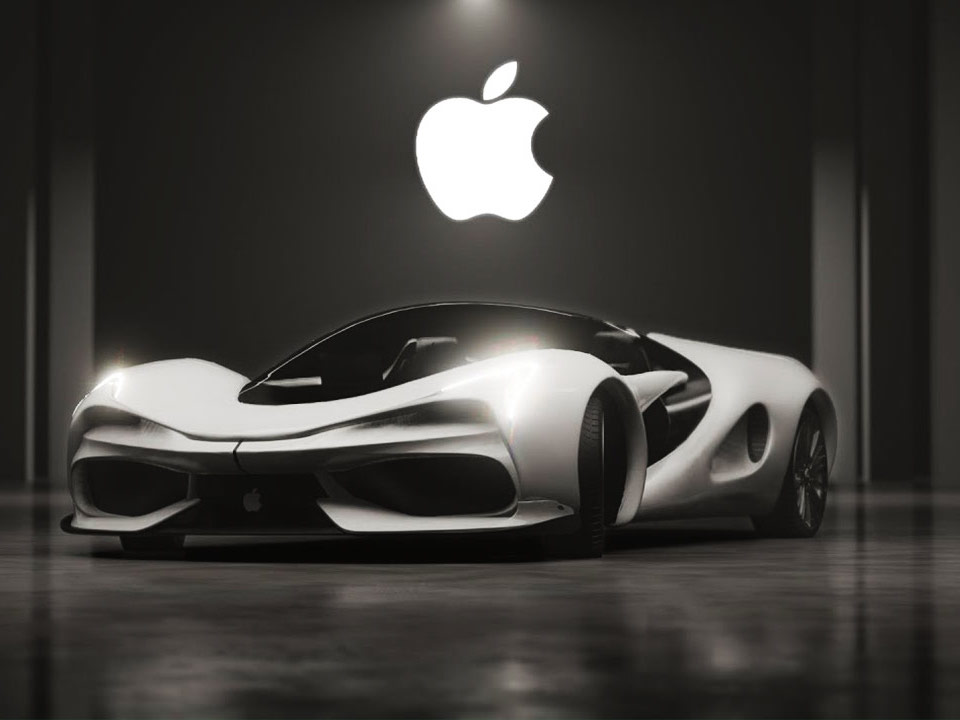
In the world of making physical things, in this knowledge era, two sectors will drive the buzz: smart consumer devices and cars. Those are the core two domains you have a chance to ramp up volume and revenue if you want to stay at the core of consumer manufacturing business. Apple is a category-king in the smart devices area. Now, it wants to enter into the second one – making cars. Those cars are expected to be self-driving and of course electric-powered.

Apple has reportedly set a 2025 deadline for its driverless electric vehicle, with a reinforced approach focusing on self-driving capabilities. Bloomberg reports, citing people familiar with the matter.

The push to accelerate the Apple car project came after a period of recess that saw the smartphone maker suspend work on the project. Now, the Cupertino giant is revitalizing the electric vehicle project, aiming to develop fast and reliable technicalities to meet the deadline.

The focus had been two key areas; to create a model with limited self-driving capabilities focused on steering and acceleration — similar to many current cars — or a version with full self-driving ability that doesn’t require human intervention.

This is not bad news for Tesla. But this is bad news for Ford, GM, etc. I do think that we will have at least 3 great EV and self-driving brands in the world. Tesla is there. Apple joins. Then, you can pick another. Yes, Apple will displace most of the other car brands because it is Apple!

Why do I think that way? Apple has the foundational stack – yes, AI systems for those your iDevices – and it will simply remake some. The AI systems will win and competition will come down to who makes smarter cars besides the ergonomics.

The physical bodies of cars certainly cannot be seen as the core basis of competition and Apple will likely outsource that component. Largely, it will SIMPLY focus on the heartbeat where it can run SERVICES on soon-fashionista car brands. If that happens, your car becomes like your phone with many services which can be unlocked via subscriptions.

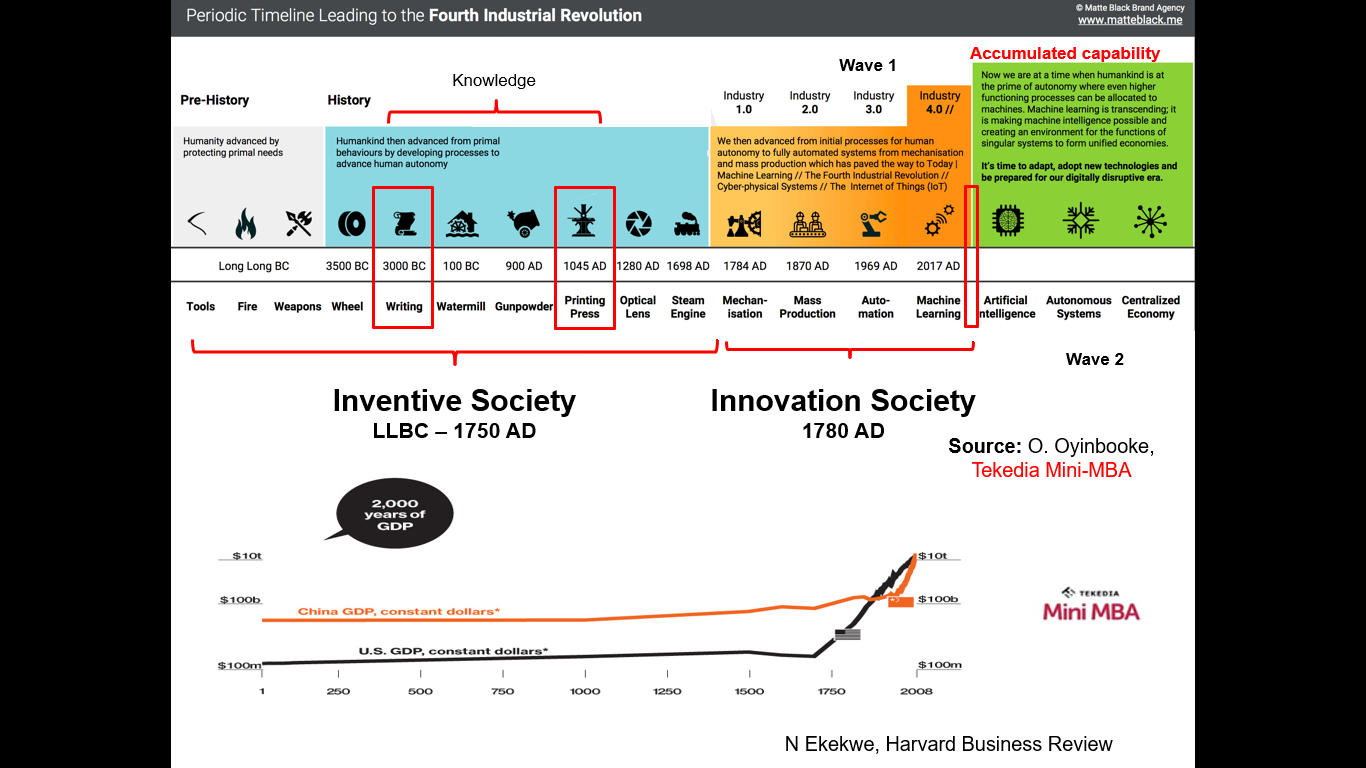
In Tekedia Mini-MBA, we talk of the second wave of the innovation society. It is  just starting with autonomous systems leading the way.

Apple to Launch Self-driving Electric Vehicle by 2025

Apple to Launch Self-driving Electric Vehicle by 2025

0

Apple has reportedly set a 2025 deadline for its driverless electric vehicle, with a reinforced approach focusing on self-driving capabilities. Bloomberg reports, citing people familiar with the matter.

The push to accelerate the Apple car project came after a period of recess that saw the smartphone maker suspend work on the project. Now, the Cupertino giant is revitalizing the electric vehicle project, aiming to develop fast and reliable technicalities to meet the deadline.

The focus had been two key areas; to create a model with limited self-driving capabilities focused on steering and acceleration — similar to many current cars — or a version with full self-driving ability that doesn’t require human intervention.

Now, the company is focusing on the second option of the two key areas of engineering. Kevin Lynch, Apple Watch software executive, is pushing for a car with a full self-driving system in the first version, the report says, citing the people who spoke on anonymity.

“It’s just the latest shift for the car effort, known as the Special Projects Group or “Project Titan,” which has endured strategy changes and executive turnover since starting around 2014. In September, the former head of the team, Doug Field, left for a job at Ford Motor Co. after three years in charge. In picking Lynch as his replacement, Apple went with an internal executive who isn’t a car veteran,” the report says.

Apple intensified the push to develop its own car late last year, and has made big moves, including reaching out to traditional automakers like Hyundai, to kick off the project.

The report says Apple is internally targeting a launch of its self-driving car in four years, faster than the five- to seven-year timeline that some engineers had been planning for earlier this year.

The push however, has come with a huge technical challenge that the company is rallying around experts to solve.

Apple is hiring more self-driving and car hardware engineers, targeting people like CJ Moore, Tesla’s former self-driving software director.

“In recent weeks, Apple has also tapped a climate system expert from Volvo Car AB, a manager from Daimler Trucks, battery systems engineers from Karma Automotive LLC and other carmakers, a sensor engineer from General Motors Co.’s Cruise LLC, automotive safety engineers from companies like Joyson Safety Systems, and multiple other engineers from Tesla, according to information from LinkedIn and people with knowledge of the matter,” the report says.

However, the timing presents another major challenge that makes ambition a probable thing. Pulling off the huge software engineering task involved in building the type of electric driverless car that Apple wants, takes time.

As Bloomberg noted, the world leading electric vehicle maker, Tesla Inc., is still battling to get the self-driving technology right, and it may probably take more years. Alphabet’s Waymo has wobbled through the years amidst departures that have jeopardized its efforts to develop the technology. And Uber agreed to sell off its autonomous-driving division last year.

Apple has design specifications that make the needed technology complex. The company’s ideal car would have no steering wheel and pedals, and its interior would be designed around hands-off driving.

“Apple has also explored designs where the car’s infotainment system — likely a large iPad-like touch screen — would be in the middle of the vehicle, letting users interact with it throughout a ride. The car would also be heavily integrated with Apple’s existing services and devices. Though the company is pushing to not have a standard steering wheel, Apple has discussed equipping the car with an emergency takeover mode,” Bloomberg said.

While Apple has scored high level success in some key areas, including in developing the car’s underlying self-driving system, according to the people familiar with the workings, major works remain, and would take sufficient time that may likely amount to years.

The core component of the Project Titan is the chip, which was designed by Apple’s silicon engineering group. Apple believes it has completed much of the core work on the processor it intends to eventually ship in the first generation of the car.

“The advancements could soon make their way into road tests. Apple plans to start using the new processor design and updated self-driving sensors in retrofitted cars that it’s spent years testing in California,” says the report. The company currently has a fleet of 69 Lexus SUVs experimenting with its technology, according to the state’s Department of Motor Vehicles.

Apple’s push to develop a self-driving car by 2025 is driven by the desire to provide consumers with a technology that will spare them from driving fatigue when they’re on long trips.

But despite the milestones reached so far, Apple still has a mammoth of challenges to confront. Safety is a major part of it. With existing self-driving engineering like Tesla’s, still being hounded by errors resulting in crashes, the need to develop a technology that can be trusted is more important than meeting the four years deadline.  Apple is tackling the challenge by creating plenty of redundancy — the ability for layers of backup systems to kick in to avoid safety and driving system failures.

However, the recent progress has not killed the skepticism, even among those who are part of the Project Titans, that Apple’s goal is aggressive and may not likely be attained in 2025.