DD
MM
YYYY

PAGES

DD
MM
YYYY

spot_img

PAGES

Home Blog Page 55

Symptoms of Vision Impairments in Babies and Young Children

0

The early months of a child’s life are filled with quiet milestones that parents learn to recognize over time. A baby begins to look at faces, react to light, follow movement, and slowly become more aware of the world around them. These moments may seem small, but they play a major role in growth and learning. That is why changes in visual behavior can feel so concerning. In some cases, families dealing with vision impairment birth injuries begin noticing that their child does not respond to visual cues in the expected way. Recognizing these early symptoms can help parents seek answers, support, and timely medical care.

Why Vision Matters So Much in Early Childhood

Vision supports far more than the ability to see objects clearly. It helps babies connect with people, understand movement, and build coordination. A child uses vision while reaching for a toy, turning toward a familiar face, or learning to move safely through space.

Vision and Brain Development Work Together

The eyes and brain work as a team. Even if the eyes appear healthy, a child may still have trouble processing visual information if the brain has been affected. This can happen in some birth-related injuries involving oxygen loss, trauma, or neurological damage. As a result, a baby may not respond visually in ways that seem typical for their age.

Early Symptoms Parents May Notice in Babies

Some signs of vision problems can appear within the first months of life. These signs may not always be dramatic, which is one reason they are sometimes overlooked in the beginning.

Trouble Making Eye Contact

Many babies begin looking at faces early on. If a baby rarely makes eye contact or seems to look past people instead of at them, parents may start to wonder whether something is off.

Difficulty Following Movement

A baby should slowly begin tracking movement with their eyes. A child who does not follow a moving toy, a parent’s face, or light across the room may need closer evaluation.

Unusual Eye Movements

Some babies show shaky, wandering, or jerking eye movements. Others may seem unable to focus steadily. Eyes that frequently cross or do not appear aligned can also be a sign that more attention is needed.

Light Sensitivity or Visual Discomfort

A baby who seems unusually bothered by light, keeps the eyes closed often, or becomes upset in bright spaces may also be showing a visual concern.

Symptoms That May Become Clearer in Young Children

As babies grow into toddlers, vision problems may show up in new ways. A child may not be able to explain what they are seeing, so behavior often becomes the clearest clue.

Frequent Bumping or Poor Spatial Awareness

A young child with limited vision may bump into furniture, miss steps, or seem unsure while moving through familiar spaces.

Trouble With Hand-Eye Coordination

Activities such as reaching, stacking blocks, turning pages, or picking up small toys may be more difficult if the child cannot clearly judge distance or focus well.

Head Tilting or Close Viewing

Some children tilt their heads often, hold objects very close, or lean in unusually near to screens, books, or toys. These habits may suggest that the child is trying to see more clearly.

Limited Interest in Visual Play

A child who avoids picture books, does not respond much to visual games, or seems less engaged with colorful toys may also be showing signs of visual difficulty.

How Vision Problems Can Affect Development

Vision plays a major role in learning, movement, and communication. A child who cannot clearly process visual information may face challenges that go beyond eyesight alone.

Developmental Skills Can Be Affected

Visual difficulties can influence balance, coordination, language growth, and social interaction. A child may take longer to explore the environment, respond to facial expressions, or build confidence in movement. These delays do not always point to one single cause, but vision is often an important part of the bigger developmental picture.

For families facing vision impairment birth injuries, these concerns may become part of a much broader effort to understand how the child is learning and what support may be needed.

Why Early Evaluation Matters

The earlier a vision problem is recognized, the sooner parents can begin getting the right help. Pediatricians, eye specialists, neurologists, and therapists may all play a role in understanding what is affecting the child’s vision.

Early Support Can Make a Real Difference

Treatment may involve eye exams, developmental assessments, therapy, and visual support strategies. Some children need help with tracking, coordination, or sensory learning. Early intervention can help build stronger skills during a very important stage of growth.

Paying Attention Early Can Help Protect Progress

Parents often notice the first signs before anyone else. A baby who avoids eye contact, does not track movement, or reacts differently to the world may be showing an early need for support. Not every delay means a serious condition, but repeated visual concerns should never be brushed aside. Careful observation, timely evaluation, and proper support can help a child build skills more confidently. Those early clues may seem small at first, but they can open the door to answers that make a meaningful difference in development over time.

How Misdiagnosis Can Turn into a Legal Case

0

A single overlooked symptom or a misread test can change a life in ways most people never expect. Medical mistakes don’t always show their impact immediately, and what seems like a minor error at first can later reveal serious consequences.

Misdiagnoses often lead to delayed treatments, unnecessary procedures, or worsening of an existing condition, leaving patients with more than just physical pain. Many people assume these mistakes are unavoidable, but in some situations, they cross the line into legal territory.

Here’s a look at how misdiagnosis can escalate and why professional guidance can make all the difference.

How a Misdiagnosis Becomes a Legal Case

Recognizing the Impact of the Misdiagnosis

Not every medical mistake results in a legal case, but the consequences can be significant. A misdiagnosis can lead to worsening health, more complicated treatment, and mounting medical bills. Patients may face repeated visits, extra tests, and procedures that might have been avoided if the correct diagnosis had been made initially. These situations can also disrupt work, daily life, and long-term health plans. In many cases, it is the combination of delayed treatment and preventable complications that transforms a medical error into a situation where legal action becomes necessary.

Establishing Negligence

For a misdiagnosis to turn into a legal case, it must show that the healthcare provider failed to meet the expected standard of care. Doctors are expected to follow widely accepted procedures when diagnosing and treating patients. When they deviate from these standards and it leads to harm, it may be considered negligence. Common misdiagnoses include conditions such as heart disease, cancer, infections, or complications in pregnancy. Proper documentation, patient history, and expert evaluations often play a key role in establishing whether the healthcare provider’s actions were negligent.

At this stage, a medical malpractice lawyer can be essential. Legal professionals experienced in these cases understand how to collect medical records, interpret complex medical information, and identify errors that patients may not even realize. They can evaluate whether the misdiagnosis meets the threshold for legal action.

Linking the Misdiagnosis to Harm

Not all incorrect diagnoses qualify as malpractice. The patient must show that the misdiagnosis directly caused harm or worsened their condition. Timing is often critical. If a delay in diagnosis allowed a disease to progress or caused unnecessary surgery, these outcomes may be grounds for a claim. Evidence such as lab results, imaging, and treatment records helps establish this connection. Expert testimony may also be necessary to explain how the misdiagnosis directly resulted in injury or additional complications. Clear evidence of harm is what often turns a medical error into a legal case.

How a Lawyer Can Help

Investigating the Case Thoroughly

A skilled lawyer will start by reviewing all aspects of the case. This includes gathering complete medical records, lab reports, and imaging results. They may consult medical experts to assess whether the standard of care was breached and whether the misdiagnosis could have been prevented. Detailed investigation ensures that the legal claim is built on a strong foundation rather than assumptions.

Communicating with Insurance and Medical Providers

Handling insurance companies and hospital administration can be overwhelming for patients. Lawyers manage these communications carefully to ensure that documentation is complete and accurate. They prevent misstatements or missing details from weakening the case and help present the situation clearly to insurers. Their involvement often speeds up the process and reduces the stress on patients while ensuring that insurers cannot undervalue the claim.

Building a Strong Compensation Claim

Legal professionals focus on identifying all damages caused by the misdiagnosis. This includes:

  • Medical bills and ongoing treatment costs
  • Lost wages or reduced earning potential
  • Pain and suffering or diminished quality of life

By organizing evidence and clearly showing the link between the misdiagnosis and resulting harm, a lawyer strengthens the patient’s position. They negotiate with insurance companies or represent the client in court to pursue compensation that reflects the true impact of the error.

Final Thoughts

Misdiagnoses are not just medical concerns—they can have lasting effects on finances, health, and quality of life. The difference between a simple medical mistake and a case that requires legal attention often lies in the extent of harm and the ability to prove negligence. Working with a medical malpractice lawyer ensures that every angle of the case is examined and documented properly. Their expertise helps patients pursue fair compensation and ensures that healthcare providers are held accountable for errors that could have been avoided.

By recognizing the signs, collecting evidence, and seeking legal support, victims of misdiagnosis can navigate the complex process with clarity and confidence. Legal guidance turns uncertainty into structured action, helping patients reclaim control over the consequences of medical errors.

The Legal Consequences of Drunk Driving Accidents

0

One reckless decision behind the wheel can shake the entire legal system into action. Drunk driving accidents do not stop at damaged vehicles or hospital visits. They often open the door to serious legal consequences that affect the driver, the victims, and even the insurance companies involved. Courts treat these crashes with strong attention because alcohol changes how a person thinks, reacts, and controls a vehicle.

A driver who chooses to drink and drive creates a danger that the law cannot ignore. Understanding what follows after such accidents helps explain why the legal response is often strict and detailed.

Legal Consequences of Drunk Driving Accidents

Criminal Charges for the Driver

Driving under the influence is considered a criminal offense in many places. Once police confirm that alcohol played a role in a crash, the driver may face several legal charges. Courts often review evidence such as breath tests, blood tests, police observations, and accident reports to determine the level of intoxication.

Punishments can vary depending on the situation and the severity of the crash. Many drivers face fines, license suspension, and required alcohol education programs. In more serious situations, the penalties can include probation or jail time. A repeat offense usually leads to stronger punishment because the law views repeated drunk driving as a serious threat to public safety.

Criminal courts focus on holding the driver accountable for breaking the law. The goal is not only to punish the behavior but also to discourage similar conduct from happening again on the road.

Civil Liability for Injuries and Damages

The criminal case is only one side of the legal process. A drunk driving crash can also lead to civil claims from people who were injured or suffered property damage. Victims have the right to pursue financial compensation for the losses they experienced because of the accident.

These claims often involve several types of damages. Some relate to financial losses that can be measured directly. Others relate to personal harm that affects daily life.

Common damages in drunk driving accident claims include:

  • Medical expenses related to treatment and recovery
  • Lost income if injuries prevent someone from working
  • Property damage to vehicles or personal belongings
  • Pain and physical suffering caused by the injuries
  • Emotional distress connected to the accident

Legal cases like these often require careful investigation and documentation. This is one reason why people often turn to drunk driving accident attorneys who understand how to build a clear and detailed claim.

Financial Consequences Beyond the Courtroom

Legal consequences do not always end after a court decision. Drivers who cause accidents while intoxicated may also face serious financial pressure in the long term. Insurance companies often review drunk driving cases very closely because alcohol-related crashes increase the risk of future claims.

Insurance providers may raise premiums after a drunk driving conviction. In some cases, policies are canceled entirely, forcing drivers to look for higher-risk insurance plans that cost much more. The financial burden can grow quickly when legal fees, compensation claims, and insurance changes all combine.

Courts and insurers take these cases seriously because drunk driving shows a clear level of negligence. A driver who knowingly gets behind the wheel after drinking places everyone on the road at risk. Financial penalties are meant to reflect the seriousness of that decision.

Potential Punitive Damages

Some drunk driving accident cases involve an additional form of compensation called punitive damages. These damages go beyond normal compensation for injuries and financial loss. Their purpose is to punish extremely reckless behavior and send a strong message about public safety.

Courts may consider punitive damages if the driver’s conduct shows a clear disregard for the safety of others. Driving while heavily intoxicated or causing severe injuries during a crash can sometimes meet that standard.

Not every case includes punitive damages, but their presence shows how strongly the legal system responds to drunk driving accidents. The law recognizes that alcohol related crashes are preventable, which makes the consequences more serious in the eyes of the court.

How Attorneys Help After a Drunk Driving Accident

Investigating the Crash

Legal cases involving drunk driving often depend on strong evidence. Attorneys review police reports, witness statements, and accident scene details to understand how the crash occurred. They may also examine medical records and toxicology reports that confirm the driver’s intoxication.

This careful review helps build a clear picture of the events that led to the accident. Evidence gathered during this stage becomes an important part of any legal claim.

Proving Liability and Negligence

A successful legal claim requires proof that the driver’s actions directly caused the crash and the injuries that followed. Alcohol impairment often plays a central role in establishing negligence. Lawyers connect the driver’s intoxication with the dangerous driving behavior that led to the collision.

This process may include reviewing traffic camera footage, police observations, and accident reconstruction reports. These elements work together to show how the driver’s actions created the risk that resulted in the crash.

Handling Insurance Negotiations

Insurance companies usually conduct their own investigations after a serious accident. Their goal is to evaluate claims and limit financial payouts whenever possible. Negotiations with insurers can become complex because several factors must be considered, including medical costs and long term recovery needs.

Legal professionals manage these discussions to make sure that the full impact of the accident is recognized. They present evidence, explain the extent of the injuries, and work to reach a fair settlement that reflects the actual damages involved.

Building a Strong Compensation Claim

Accidents caused by drunk drivers often lead to serious injuries that require long recovery periods. Calculating the total value of a claim involves more than adding up hospital bills. A proper claim must consider medical treatment, lost income, rehabilitation costs, and the physical impact of the injuries.

Experienced drunk driving accident attorneys help organize these details into a clear legal argument that supports the compensation request. Their role is to ensure that every part of the loss is properly documented and presented during the legal process.

Closing Perspective

Drunk driving accidents carry serious legal consequences that extend far beyond the crash itself. Criminal charges, civil liability, financial penalties, and potential punitive damages all play a role in how the law responds to these incidents. Each part of the legal process is designed to address the harm caused by reckless behavior on the road. Legal professionals help organize evidence, manage insurance negotiations, and present strong claims that reflect the real impact of the accident.

Understanding how the legal system approaches these cases highlights why accountability remains a central part of drunk driving accident law.

Indian Stocks Rebound on Iran De-escalation Hopes, Rupee Stable, but Oil Risk Keeps Markets on Edge

0

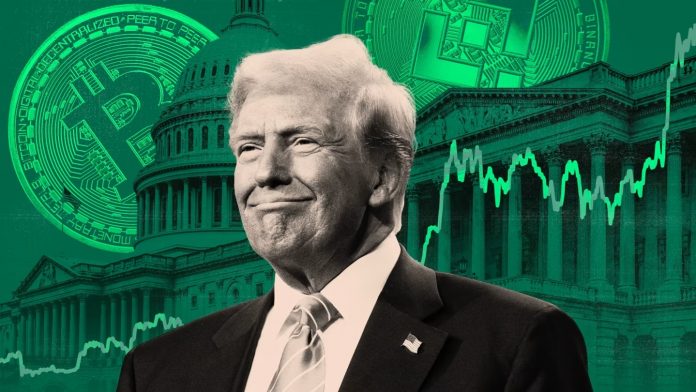
Indian equities staged a sharp rebound on Tuesday, tracking a broader global rally after U.S. President Donald Trump delayed a planned strike on Iran’s power infrastructure, offering markets a temporary reprieve from the geopolitical shock that has dominated trading through March.

The benchmark Nifty 50 climbed 1.78% to 22,912.40, while the BSE Sensex gained 1.89% to close at 74,068.45, with all major sectors ending in positive territory. The rally was broad-based, extending to mid- and small-cap stocks, both of which advanced more than 2.5%, signaling a temporary return of risk appetite after weeks of sustained selling.

The immediate trigger was a cooling, at least on the surface, of tensions in the Middle East. Trump’s decision to postpone military action, coupled with his assertion of “productive” engagement with Tehran, helped ease fears of an imminent escalation that had pushed oil prices to multi-month highs and rattled global markets.

But the underlying narrative remains unsettled. Iran denied that any negotiations had taken place and launched missiles toward Israel shortly after Trump’s remarks, reinforcing the fragility of the apparent diplomatic opening. The conflicting signals have left investors navigating a narrow path between relief and renewed risk.

For markets such as India, the trajectory of oil prices remains the central variable. As a major energy importer, India is acutely exposed to crude price swings. Brent crude, which had surged to around $114 per barrel on Monday at the height of tensions, eased to just above $100 on Tuesday, offering some breathing room for equities and the currency.

“This seems to be a first step towards de-escalation, although there are contradictory comments from the U.S. and Iran. A drop in oil prices below $90–100 per barrel is crucial for a sustained recovery,” said Anita Gandhi of Arihant Capital Markets.

That threshold reflects the sensitivity of India’s macroeconomic balance to energy costs. Elevated crude prices widen the current account deficit, weaken the rupee, and fuel domestic inflation—forcing policymakers into tighter monetary conditions even as growth shows signs of slowing.

The recent sell-off has already underscored that vulnerability. Indian benchmarks have fallen about 9% this month, as foreign investors pulled capital from local markets amid rising oil prices and deteriorating risk sentiment. The pressure has extended to the currency, with the rupee losing around 4% in 2026 so far, much of it concentrated in March.

On Tuesday, the rupee stabilized modestly, strengthening 0.1% to close at 93.8650 per dollar, as traders recalibrated expectations in light of mixed geopolitical signals. The pause comes after a series of record lows, highlighting how closely currency movements are now tied to developments in the Middle East.

The rebound in equities was led in part by financial heavyweights. HDFC Bank rose 2.8% after appointing external law firms to review the resignation of its former chairman, Atanu Chakraborty. The gain follows a steep three-day decline that wiped out more than $16 billion in market value, amplifying the stock’s influence on benchmark indices.

Sectorally, financials and banking stocks rose over 2%, while autos gained 2.4% and tourism-linked shares jumped nearly 4%, marking a broad cyclical recovery tied to easing oil concerns. Asian Paints added 4.7% after raising prices across its decorative portfolio to offset higher input costs linked to crude.

Even so, the structural pressures facing the Indian economy remain intact. Goldman Sachs has cut its growth forecasts for India in 2026 and warned that policymakers may be forced into a 50-basis-point rate hike to defend the rupee if external pressures persist. That view stands in contrast to earlier expectations of policy easing and reflects how quickly the outlook has shifted.

Market pricing is already adjusting. The one-year non-deliverable overnight index swap (NDOIS), a key gauge of interest rate expectations, has climbed roughly 50 basis points since the conflict began. At the same time, the cost of hedging rupee exposure through dollar/rupee swaps has surged more than 90 basis points, widening the gap between rate expectations and currency risk to over 100 basis points.

“This widening gap is largely driven by concerns over the rupee,” a Singapore-based rates trader told Reuters on anonymity. “A spread around 100 seems very high. However, it is a broken market and could go higher.”

The divergence points to a deeper unease in financial markets. While equities have responded positively to signs of de-escalation, currency and rates markets continue to price in stress, suggesting that investors are not yet convinced the worst has passed.

That caution is echoed across the region. Analysts at MUFG said that while “left tail risk of a destructive scenario has perhaps been avoided for now,” uncertainty continues to cloud the outlook for Asian currencies and interest rates.

The broader implication is that the current rally rests on fragile assumptions. A credible diplomatic breakthrough between Washington and Tehran could stabilize oil prices, ease inflation pressures, and restore confidence in emerging markets like India. But if those efforts falter, the consequences would be severe.

A renewed escalation would likely send crude prices higher again, intensify capital outflows, weaken the rupee further, and force tighter monetary policy at a time when growth is already slowing. For equity markets, that combination would erode earnings visibility and compress valuations, reversing the gains seen in recent sessions.