DD
MM
YYYY

PAGES

DD
MM
YYYY

spot_img

PAGES

Home Blog Page 5512

Nigeria Needs a Good morning to Break Fast As Terrorists Destroy Railtracks

0

The Nigerian Railway Corporation (NRC) has confirmed that terrorists on Wednesday destroyed a section of Abuja-Kaduna rail track with explosives. This is a dreadful moment considering that the train has been considered a safer alternative to the Abuja-Kaduna road. So, if these terrorists can do this, the implication is that a new dimension of dislocation is evolving.

The nation needs to bring order to the land. If not, railtracks could become modern oil pipelines which need to be secured by parallel actors, via government contracts. So, going all the way to arrest this problem immediately will ensure we do not follow that trajectory.

Nigeria needs a good morning.

he Nigerian Railway Corporation (NRC) has confirmed that suspected bandits on Wednesday destroyed a portion of the Abuja-Kaduna rail track with explosives, forcing a disruption of train services on the route.

According to a report by the Nigerian Tribune newspaper, the Managing Director of the NRC, Fidet Okhiria, said the explosives damaged the rail track at a spot between Dutse and Rijana, an area that had recorded numerous bandits’ attacks along the Kaduna Abuja highway.

Mr Okhiria said the Corporation was making efforts to restore train services on the route.

“Efforts are currently ongoing to ensure that the train services along the Kaduna-Abuja route are fully restored,” the official said.

Earlier, a former senator representing the Kaduna Central district, Shehu Sani, had reported on his Facebook page that suspected bandits attacked the Kaduna-Abuja train. He said the bandits planted an explosive that damaged the rail track and shattered the windshield of the train’s engine, Wednesday evening.

Information Security & Digital Forensics – Dr. Francis Nwebonyi

0

His job is to secure the integrity of autonomous vehicles for BMW Group’s future diving machines. He is an IAM Engineer (Identity and Access Management Engineer) and holds a PhD in Computer Science with focus on Network and Information Security from Universidade do Porto. He had earned an MSc in Computer Security and Forensics from the University of Bedfordshire. He is part of our Cybersecurity and Digital Forensics Faculty.

Dr Francis Nwebonyi in a team at the forefront of creating the next generation software systems for vehicles of the future. And certainly, when it comes to digital security, we like those who hold extremely critical positions in such domains. Dr Nwebonyi will be at Tekedia Live, the Zoom session of Tekedia Mini-MBA, to offer management-level understanding of the domain.

Yes, this will be all management and business insights on how we can build secure businesses in this digital era.

  • Thur, Oct 21 | 7pm-8pm WAT | Information Security & Digital Forensics – Dr. Francis Nwebonyi, Critical TechWorks, Portugal

Tekedia Mini-MBA: learn from the best here.

Central Bank of Nigeria Launches N500m Scheme to Boost Undergraduate Entrepreneurship

0

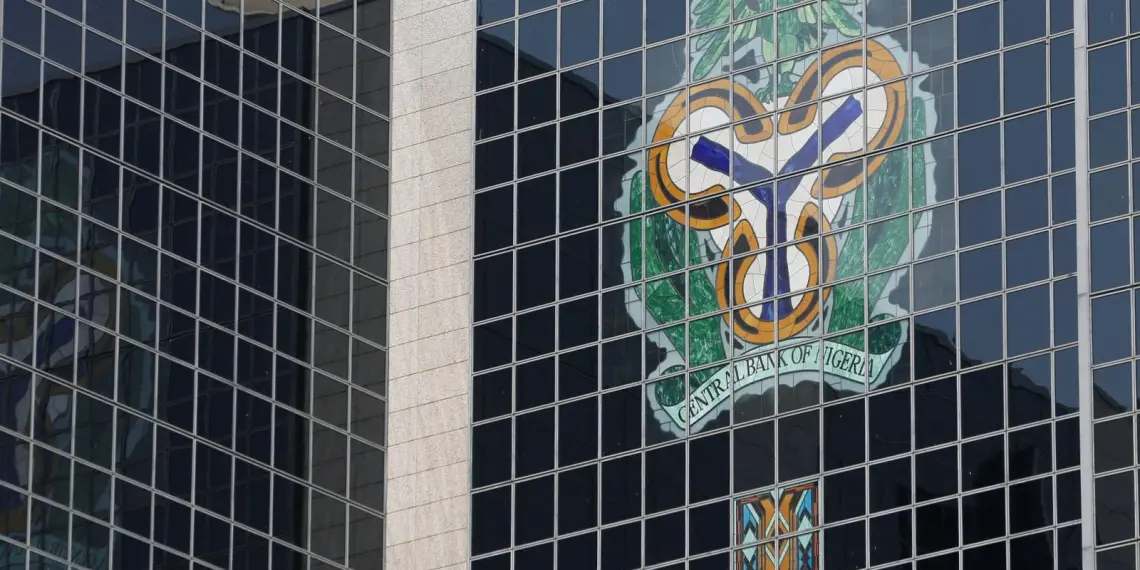
The Central Bank of Nigeria (CBN), in line with its goal to boost youth employment by fostering entrepreneurship, yesterday unveiled guidelines for the implementation of its Tertiary Institutions Entrepreneurship Scheme (TIES).

The scheme comes with a total grant of N500 million, set aside for five top Nigerian polytechnics and universities with the best entrepreneurial pitches/ideas, ThisDay reports.

The scheme was also designed to create a paradigm shift among undergraduates and graduates from the pursuit of white-collar jobs to a culture of entrepreneurship development for economic development and job creation.

“The scheme thus aims to provide an innovative financing model that will create jobs, enhance the entrepreneurial ecosystem and support economic growth and development,” the CBN said.

The apex bank explained that the grant shall apply in the areas of agribusiness, information technology, creative industry and science and technology.

Under the term loan component, individual projects would access a maximum of N5 million with a five- year tenor and interest rate of five per cent and nine per cent from March 1, 2022.

Also, for partnership/company projects, loan is limited to N25 million with five-year tenor with a five- year tenor and interest rate of five per cent and nine per cent from March 1, 2022.

The bank said focus shall be on both greenfield (new) and brownfield (existing) projects in ratio 40:60, respectively.

To ensure judicious use of the fund, CBN stated that it would constitute a Body of Experts (BoE) from the private and public sector for the biennial regional and national entrepreneurship competitions to evaluate entrepreneurial and technological innovations submitted by Nigerian polytechnics and universities.

“The BoE shall recommend projects with high potential and transformational impact for the grant award,” the CBN said.

The financial regulator also said to promote gender equality, 50 per cent of the term loan component of the scheme shall be earmarked for female-led or -owned projects.

The bank pointed out that the broad objectives of the TIES framework was to, among other things, enhance access to finance by undergraduates and graduates of polytechnics and universities in the country with innovative entrepreneurial and technological ideas.

Other specific objectives of the scheme included providing an enabling environment for co-creation, mentorship and development of entrepreneurial and technological innovations; fast track ideation, creation and acceleration of a culture of innovation-driven entrepreneurship skills among graduates of polytechnics and universities in Nigeria and promote gender balance in entrepreneurship development through capacity development and improved access to finance, the report said.

Others are to leapfrog the entrepreneurial capacity of undergraduates and graduates for entrepreneurship and economic development in partnership with academia and industry practitioners; and boost contribution of the non-oil sector to the nation’s Gross Domestic Product (GDP).

The apex bank stressed that in order to ensure that the scheme achieved its desired objective and targets, the focal targets under the programme shall include Gradpreneur-led innovative start-ups and businesses where 25,000 businesses would have access to finance under the scheme annually.

It stated that sustainable jobs created by 75,000 gradpreneur-led businesses would be financed under the scheme annually while female-gradpreneurs would account for 50 per cent of total projects financed under the scheme per annum.

Furthermore, the bank stated that agropreneurs financed as a percentage of total projects financed under the scheme would constitute 40 per cent per annum while creative entrepreneurs financed as a percentage of total projects financed under the scheme would account for 20 per cent per annum.

Also techpreneurs financed as a percentage of total projects financed under the scheme would represent 20 per cent per annum while other gradpreneurs financed as a percentage of total projects financed under the scheme would be 20 percent per annum.

The CBN stressed that priority would be given to innovative entrepreneurial activities with high potentials for export, job creation and transformational impact.

On funding for the scheme, the apex bank noted that the take-off capital would be sourced from both the Agribusiness/ Small and Medium Enterprise Investment Scheme (AGSMEIS), adding that the scheme shall be implemented through three components namely term loan, equity Investment and developmental components.

The CBN further stated that the scheme shall be operated for a period of 10 years in the first instance, not exceeding 31st December 31, 2031, depending on the complexity of the project.

The guidelines among other things spelt out penalties for fractions by stakeholders under the scheme.

The central bank stated that the scheme was pursuant to the CBN Act, 2007, and as part of its policy measures to address rising youth unemployment and underemployment.

The framework was developed in partnership with Nigerian polytechnics and universities to harness the potential of graduate entrepreneurs (gradpreneurs) in Nigeria.

Revisiting The Moribund Ajaokuta Project In Nigeria

1

The name ‘Ajaokuta’ has hitherto remained a household name in Nigeria, perhaps owing to how much or often it’s being cited by Nigerians in positions of authority.

It’s noteworthy that the famous Ajaokuta is a Local Government Area (LGA) in Kogi State – the North Central part of Nigeria – where the country’s one of the most significant, if not the most, tech-driven hub(s) is situated.

The Ajaokuta Steel Company Limited (ASCL) alongside Delta Steel Company (DSC) in Delta State, among others, was established in 1979 under the reign of the Late Alhaji Shehu Shagari during the Second Republic in accordance with Section 2 of the National Steel Council Decree No.60 of September 19, 1979 and they were incorporated as Limited Liability Companies.

It was reportedly expected to commence production in 1984. Amusingly, and pathetically too, 34 years after it was designed to kick-start Nigeria’s industrialization, the multi-billion naira Ajaokuta complex is yet to produce steel despite attaining about 98% completion since 1994, having sunk about $10bn into the project. It was recently reported that about $2bn was additionally needed to complete the remaining 2% of the entire project.

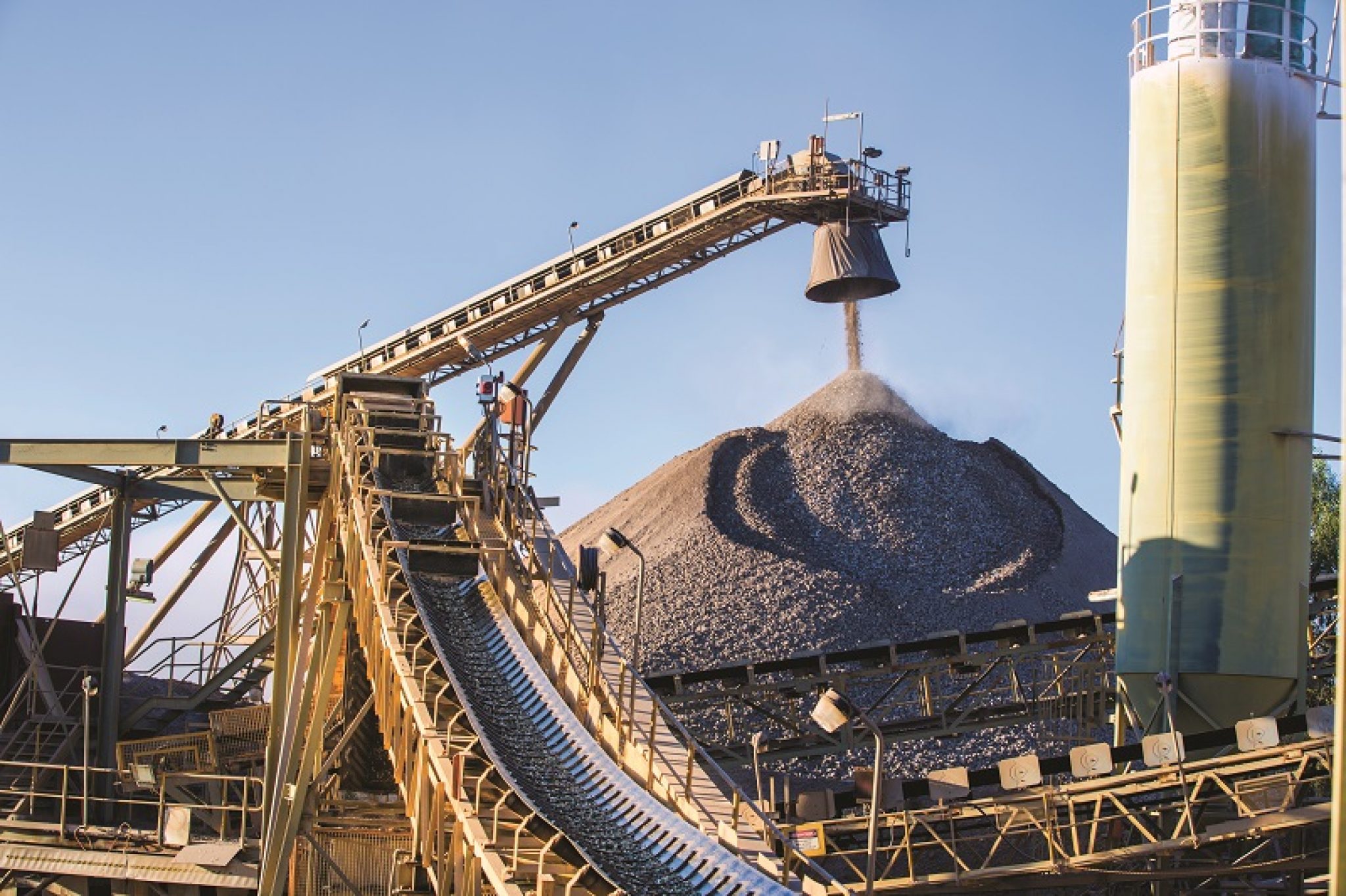
It would interest us to note that the ASCL, which is reckoned to be the country’s biggest industrial project, is located on 24,000 hectares of sprawling Greenfield landmass. The steel plant itself is built on 800 hectares of land. The chosen technology for the proposed steel production was the time tested Blast-Furnace, a basic oxygen furnace route.

It was rumoured sometime ago that the President Muhammadu Buhari–led administration was planning to privatize the ASCL whose slogan remains “the bedrock of Nigeria’s industrialization” in its bid to finance the 2018 deficit budget, but the government frantically refuted the insinuation.

As regards the renewed vigour and quest to complete the remaining phase of the ASCL, on 13th December 2018, the Red Chamber of the National Assembly (NASS) graciously gave its approval for one billion dollar ($1bn) to be withdrawn from the Federal Government’s (FG’s)  share of the country’s Excess Crude Account (ECA).

The Senate who acted in line with the consent of the Green Chamber, equally instructed that all monies, loans, grants, and what have you, that may from time-to-time be appropriated and authorized by any tier of government or entity, either local or foreign, should be part of the funding for the completion of the project.

It’s worth noting that the resolution followed the passage of the Ajaokuta Steel Company Completion Fund Bill 2018. The bill slated for concurrence, was presented by the then Senate Leader, Ahmed Lawan, who is now the incumbent President.

The legislation, however, stated that the monies in the fund shall be applied by the minister subject to appropriation by the NASS only for the construction, improvement, extension, enlargement and replacement of infrastructure and works, including the provision, acquisition, improvement and replacement of other capital assets required in respect of or in connection with the completion of the project.

It’s noteworthy that the Ajaokuta integrated steel complex was born out of the then government’s quest for a diversified economy. It was conceived and steadily developed with the vision of erecting a metallurgical process plant cum engineering complex with other auxiliaries and facilities that would help to stimulate the diversified economy.

It was meant to be used to generate important upstream and downstream industrial and economic activities that were critical to the diversification of Nigeria’s economy into an industrial one. It’s, therefore, appalling that several decades down the line, the country is still faced with the old song regarding diversification that ought to have been a thing of the past.

Even though the development that took place in December 2018 in regard to the long awaited completion of the abandoned ASCL unarguably came so late or untimely, concerned Nigerians found joy in the fact that at last, the government had remembered the once forgotten national project.

But the candid question that yearned for answer the moment the NASS signed the bill was: how sincere and determined were the concerned authorities towards doing the needful? This signifies that the teeming citizens understood their leaders so well. Despite the concern raised, three years down the line, nothing absolutely has been heard about the foreseen resuscitation of the dying project.

It’s not anymore news that aside from the steel industry, other moribund sectors have equally been granted similar attention in recent times under the watch of President Buhari who’s apparently keen to diversify the country’s mono-economy. Yet till date, rather than getting tangible positive results, we keep receiving a myriad of excuses. Is it then a function of ineptitude or lack of will?

These impediments witnessed overtime have made most well-meaning Nigerians feel impelled to express grave doubts about the determination of any authority, or officer-in-charge, to aptly initiate, carry out as well as complete any project entrusted upon them.

It’s on this premise I challenge the Ministry of Mines and Steel to prove to the teeming Nigerians that it is ever-ready to do as expected by presenting to the citizenry the modalities worked out towards the completion of the ASCL. It’s imperative to acknowledge that a befitting framework cannot be actualized if the authority acted without reference to the original blueprint of the project.

Similarly, considering that the project was abandoned for many years, some of the completed phases may have broken down, hence there must be cross-examination in this regard towards averting any possible future breakdown when the company becomes practically in use.

It is not arguable that $1bn is a whole lot of money, but considering the market survey concerning the completion of the ASCL as well as the current fall of the naira value, it’s understandable that more funds are urgently required for the project.

Against this backdrop, the government is required to borrow from any individual or entity, particularly indigenous. It’s arguably a capital project of this kind, which would effect tremendous economic growth if completed, that requires borrowing towards its completion. It suffices to say that borrowing ought to be a welcome approach in this regard, but only if the intended fund would be genuinely and aptly utilized.

Then if eventually completed in the long run, having run the company within a reasonable period, the government may decide to sell the shares to the general public, investors in particular, with a view to servicing all the debts incurred in the process. Making the members of the public shareholders, while the government remains the stakeholder, would enable the latter to sustain the ASCL with ease in the long run.

As we greatly appreciate the NASS for approving the lofty move as engineered by the Presidency, it ought to also note that it’s required to use its oversight function to ensure the successful and timely completion of the laudable project. This mustn’t be taken for granted or juxtaposed with politics as usually witnessed in Nigeria.

The executive on its part needn’t be reminded that consulting the cognoscenti in the process cannot be compromised for whatever reason. 

Trump is Launching Social Media Called “Truth”

0

Months after he was banned on social media, former US president Donald Trump has announced plans to launch a social media platform called TRUTH Social that will be rolled out early next year.

Trump has found it hard talking to his followers following the social media ban, and has been working to create a platform for himself. He says his goal is to rival the tech companies that have taken the megaphone out of his reach, making it hard for him to communicate with his audience in view of his 2024 presidential ambition.

“I’m excited to soon begin sharing my thoughts on TRUTH social and to fight back against big tech,” Trump said in a statement.

Trump announced the news in a press release on Wednesday, saying the platform will be open to “invited users” for a beta launch in November, with plans to make it available to the broader public in the beginning of next year. Truth social will be a product of a new venture called the Trump Media & Technology Group which was created through a merger with Digital World Acquisition Corp. The group said it seeks to become a publicly listed company.

It is not the first time Trump has made an attempt to return to social media. Last year, he launched an online communication platform called “From the Desk of Donald J Trump” previous efforts have included an online communication tool dubbed. It was described as a “glorified blog” and a “social media mockery.” The platform was prematurely shut down as Trump continued to fight for a way back to Twitter and Facebook.

In July, Trump sued Facebook, Twitter, and Google for allegedly censoring him. Trump was permanently banned on Twitter while Facebook said it will review its decision in two years. He has alleged censorship claiming that his social media ban is part of the political witch hunt that characterized his presidency.

“We live in a world where the Taliban has a huge presence on Twitter, yet your favorite American president has been silenced,” Trump said in a statement. “This is unacceptable.”

“Everyone asks me why doesn’t someone stand up to the Big Tech? Well, we will be soon,” he added.

The social media name Truth Social was trademarked by Trump Group Corp in July 2021, according to public filings. While Truth Social website is yet to be launched, a link to the platform has been set up to direct users to sign up for a wait list or pre-order the app via the Apple App Store. There, screenshots of the Truth Social app show a user profile that bears a striking resemblance to a Twitter profile.

Trump was shut out of social media following the Jan. 6 Capitol riot, where he was indicted for inciting mob violence against the US government using his social media posts. He had called the rioters “patriots.”

Prior to the incident, Trump used his social media to promote conspiracy theories that the election was characterized by widespread fraud, leading to his loss to Democratic candidate Joe Biden.