You turn the TV and browse your internet feeds; from social media to blogs and news pages, the highlights are all about the ‘green initiative’. Every country is pushing for a cleaner planet and ecosystem, pointing guilty hands at other countries who don’t support the movement. Well, before you point your hands at me, you better calm down and realize that this issue is deeper than just performing climate activism stuns online. Yes, you read correctly
With the oil boom came a fresh hope for countries that were immersed deeply in poverty. Previously, the oil boom didn’t happen. Countries focused on agriculture exports to produce money for themselves, sustain and keep the economy going. A case study of this article will be on Nigeria. The oil giant is getting a shove on getting onboarded into the green initiative agenda, but the African giant continues to bait time.
In this article, some questions will be answered using insightful data points, they include; What is renewable energy? Why is the world headed towards renewable energy? Can developing countries meet the set target of adopting green energy initiatives? Will oil still be in maximum use?
Renewable Energy: An Overview
As Wikipedia describes, renewable energy is useful energy that is collected from renewable resources, which are naturally replenished on a human timescale, including carbon-neutral sources like sunlight, wind, rain, tides, waves, and geothermal heat.
Renewable energy includes resources that rely on fuel sources that restore themselves over short periods of time and do not diminish. Such fuel sources include the sun, wind, moving water, organic plant and waste material (eligible biomass), and the earth’s heat (geothermal). Although the impacts are small, some renewable energy technologies can have an impact on the environment. For example, large hydroelectric resources can have environmental trade-offs on such issues as fisheries and land use.
Green energy is any energy type that is generated from natural resources, such as sunlight, wind, or water. It often comes from renewable energy sources although there are some differences between renewable and green energy, which we will explore, below. The key to these energy resources is that they don’t harm the environment by releasing greenhouse gases into the atmosphere.
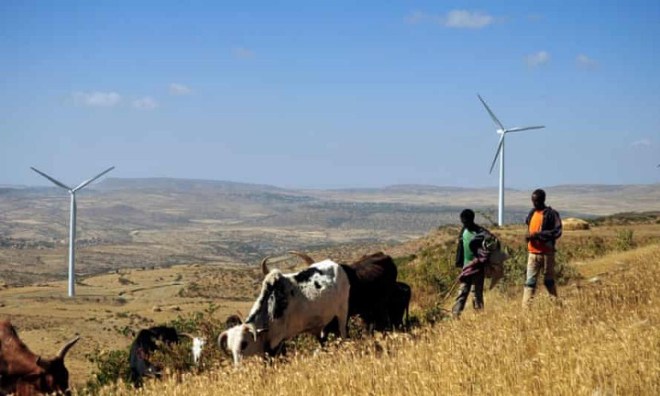
So how does this work? As a source of energy, green energy often comes from renewable energy technologies such as solar energy, wind power, geothermal energy, biomass, and hydroelectric power. Each of these technologies works in different ways, whether that is by taking power from the sun, as with solar panels, or using wind turbines or the flow of water to generate energy.
What Does it Mean? To be deemed green energy, a resource cannot produce pollution, such as is found with fossil fuels. This means that not all sources used by the renewable energy industry are green. For example, power generation that burns organic material from sustainable forests may be renewable, but it is not necessarily green, due to the CO2 produced by the burning process itself. Green energy sources are usually naturally replenished instead of fossil fuel sources like natural gas or coal, which can take millions of years to develop. Green sources also often avoid mining or drilling operations that can be damaging to ecosystems.
The six most common forms of green energy are as follows: solar power, wind power, hydropower, geothermal energy, biomass, and biofuels.
Why the World Is Headed Toward Renewable Energy
In recent years, the world has marched towards renewable energy. According to a new report by the International Renewable Energy Agency (IRENA), unsubsidized renewable energy is now most frequently the cheapest source of energy generation. The report finds that the cost of installation and maintenance of renewables, which was an important stumbling block to mass adoption, continues on a downward trajectory.
Adding to existing efforts made by governments and businesses, these lower costs are expected to propel the mass adoption of renewables even further. The report further touches on the importance of renewables in sustainable development and the need for governments to help achieve the climate goals of the Paris Agreement, coming just months before the United Nations Climate Action Summit being held in Abu Dhabi in September 2019.
Today, the world still heavily relies on fossil fuels and even continues subsidizing them. Meanwhile, the pollution they cause — from climate-damaging greenhouse gases to health-endangering particles — has reached record levels. And when something goes wrong, for example when the Deepwater Horizon oil platform exploded in 2010, the consequences are dramatic.
Since 2011, renewable energy is growing faster than all other energy forms. Renewable energy had another record-breaking year in 2020, as installed power capacity grew more than 256 gigawatts (GW) —its largest increase ever. More than 29% of our electricity now comes from renewable energy — and this keeps growing.
Well, there is no smoke without fire, right? The developed world economies opine that green energy can also lead to stable energy prices as these sources are often produced locally and are not as affected by the geopolitical crisis, price spikes, or supply chain disruptions. The economic benefits also include job creation in building the facilities that often serve the communities where the workers are employed. Renewable energy saw the creation of 11 million jobs worldwide in 2018, with this number set to grow as we strive to meet targets such as net-zero.
Due to the local nature of energy production through sources like solar and wind power, the energy infrastructure is more flexible and less dependent on centralized sources that can lead to disruption as well as being less resilient to weather-related climate change.
Green energy also represents a low-cost solution for the energy needs of many parts of the world. This will only improve as costs continue to fall, further increasing the accessibility of green energy, especially in the developing world.
Remember too that the combustion of fossil fuels for energy results in a significant amount of greenhouse gas emissions that contribute to global warming. Most sources of renewable energy result in little to no emissions, even when considering the full life cycle of the technologies. Renewable energy emits no or low air pollutants.
The United Nations (UN) has declared the years 2014–2024 the Decade of Sustainable Energy for All (United Nations, 2015). Renewable energy technologies, which are a part of the low-carbon facet of the global energy supply, are rapidly increasing their presence in many countries of the world. The top five countries for total installed renewable power capacity by the beginning of 2014 were China, the United States (US), Brazil, Canada, and Germany. In the European Union (EU), renewables have represented the majority (72 percent) of new electric generating capacity for the last several years (REN21, 2014). Renewables, however, is no longer dependent on a small number of countries.
Major renewable energy companies became very interested in Africa, Asia, and Latin America; where new markets are emerging on and off-grid. Investment patterns are also shifting away from traditional governmental and foreign donor sources to greater reliance on private and often local firms and banks (Martinot et al., 2002; REN21, 2014). Support for the adoption of renewable energy has been growing among governmental agencies, industry, non-governmental organizations, and the public at large. These actors pursue energy, environmental, and development agendas at local, regional, and global levels (Bayer et al., 2013; REN21, 2014).
Developing Countries: Meeting The Set Target for Adoption
Indeed, our society could not escape the climate change challenges without a transition to clean energy. However, there exist some constraints that may hinder the full energy transition.
For instance, the availability of inputs (mostly rare materials) that could serve to produce renewable energy (solar/wind) may be a barrier to a full transition to a green economy. Also, as a self-reproducing industrial system producing photovoltaic cells is not possible, the economy still needs fossil fuels to produce clean energy. So, we need to care about the extent to which the economy can fully achieve a transition towards clean energy.
But another problem is the reality that many activists have turned their eyes off. The impact of disrupting under and developed countries’ sources of energy and income, thinking these countries can immediately reach the adoption rate of developed countries. Let us be truthful to ourselves, in the next 20 years, such countries will not reach the green energy adoption rate.
Developing renewable energy sources contributes to alleviating poverty, fuelling industrial production and transportation, expanding rural development, and protecting health while promoting sustainability and environmental quality was researched by Hostetter (Hostettler, 2015). Renewables account for approximately 20 percent of global final energy consumption, with the most prominent growth happening in the power sector and with global capacity rising more than 8 percent in 2013 (IEA, 2014a). Fossil fuels, however, continue to dominate global primary energy consumption, with coal remaining the major contributor to the world’s energy pool (REN21, 2014).
Almost 1.3 billion people in the world, mainly in rural areas, live without access to electricity and 2.7 billion without modern reliable energy services (UNDP, 2013; Alliance for Rural Electrification, 2014; IEA, 2014a). Global energy consumption is projected to rise by 56 percent by 2040, with fossil fuels dominating the energy grid (US EIA, 2013). Strong economic and continued population growth in developing countries will be the prevalent force driving world energy markets during that period. Coal use is on the rise, mainly due to China’s consumption, and global energy-related carbon dioxide emissions are predicted to have a 46 percent increase by 2040, a rise from about 31 billion metric tons in 2010 (US EIA, 2013).
Now you can see, the grave hoax many have been humping on, this logic of expecting underdeveloped countries that base their sole livelihood on oil to abandon them and adopt green energy is a fallacy, and for the adoption to take place (which is not fully possible), these countries will be needing massive support in human resource, cash, and strategic support. Now, where are those activists advocating for a change?
In many African and Asian countries, the poverty rate is extremely high that the majority of the populace is in extreme poverty. How do you expect them to talk about green energy? They don’t have stable electricity, they power their generators with fossil fuel, and it’s not stopping anytime soon. Come to think of it, most renewable energy methods are extremely expensive.
The Nigerian Case Study
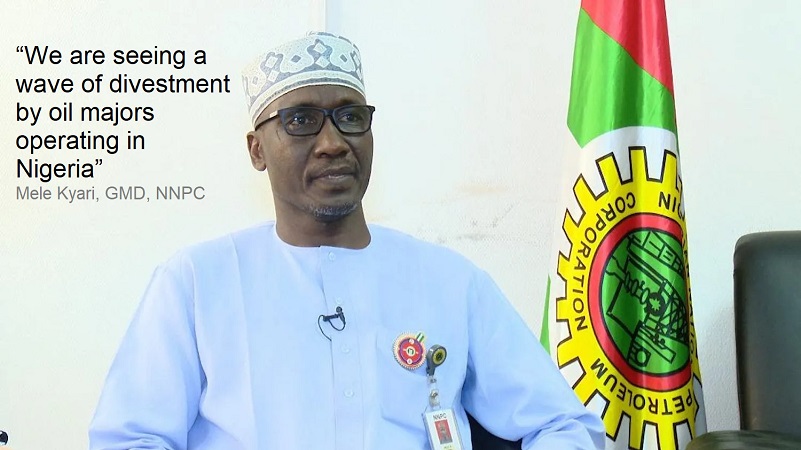
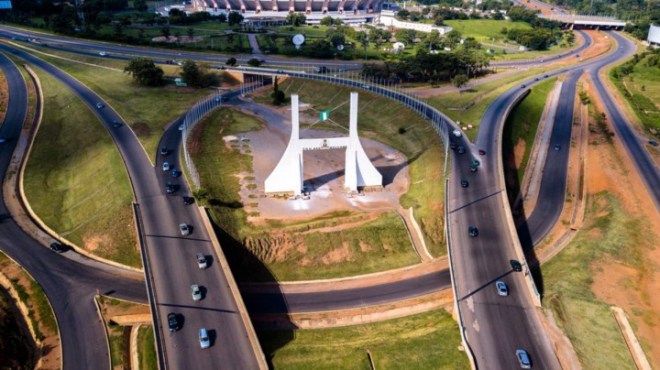
Nigeria is an oil-producing nation, and it has been sustaining its economy due to the bloom of oil production. With foreign oil corporations such as Shell, Chevron, Total, and more operating in the region, we’ve been able to see the turnaround of the Nigerian economy. According to Statistica; Nowadays, Nigeria is Africa’s main oil producer. With 18 operating pipelines and an average daily production of over two million barrels in 2019, Nigeria is the eleventh largest oil producer worldwide. The petroleum industry accounts for about nine percent of Nigeria’s GDP and over 90 percent of all export value.
The most populous country within OPEC, Nigeria has around 208 million inhabitants. Located on the Gulf of Guinea on Africa’s western coast, Nigeria covers an area of around 924 thousand square kilometers. Abuja, the capital since 1991, has a population of more than one million. English is Nigeria’s official language, although many local languages such as Hausa, Yoruba, Igbo, and Ijaw are also spoken.
Apart from petroleum, Nigeria’s other natural resources include natural gas, tin, iron ore, coal, limestone, niobium, lead, zinc, and arable land. The oil and gas sector accounts for about 10 percent of gross domestic product, and petroleum exports revenue represents around 86 percent of total exports revenue.
Nigeria’s crude oil and natural gas resources are the mainstay of the country’s economy. Because Nigeria heavily depends on oil revenue, its economy is noticeably affected by crude oil price changes. The International Monetary Fund (IMF) projected that Nigeria’s crude oil and natural gas exports earned $55 billion in 2018, which is $23 billion higher than in 2016. The growth in export revenue, which can be partly attributed to the rebound in crude oil prices, has helped improve Nigeria’s fiscal position. However, Nigeria’s fiscal deficit remained flat at 4% of its gross domestic product (GDP) because of a significant increase in capital expenditures and lower–than–expected non–oil revenue collection, despite improvements to the country’s tax administration. The Nigerian government still heavily relies on crude oil and natural gas revenue; its non–oil revenue comprises only 3.4% of GDP, one of the lowest in the world.
But then there is oil, right? Then how are the life of the average Nigerians shaped; for better or worse? The National Bureau of Statistics (NBS) recently released the “2019 Poverty and Inequality in Nigeria” report, which highlights that 40 percent of the total population, or almost 83 million people, live below the country’s poverty line of 137,430 nairas ($381.75) per year.
The NBS report is based on data from the latest round of the Nigerian Living Standards Survey, conducted in 2018–2019 with support from the World Bank’s Poverty Global Practice and technical assistance from the LSMS program.
The Nigerian Living Standards Survey (NLSS) is the official survey that is the basis for measuring poverty and living standards in the country and is used to estimate a wide range of socio-economic indicators including benchmarking of the Sustainable Development Goals. Between September of 2018 and October of 2019, the National Bureau of Statistics conducted the latest round of the NLSS, a decade after the previous one.
The World Bank provided technical support to the NBS throughout the entire survey implementation, introducing several methodological improvements that led to the availability of reliable data for the poverty estimates.
Imagine at this rate with the oil in place what is obtainable, then think of what will happen if industries in the sector close shop. The unemployment rate in Nigeria is high. Do we expect the oil and gas industries to shut down and automatically move to green energy when the social system would collapse? That is unlikely! Now imagine tasking Nigeria to meet the set deadline or green energy adoption. Lol, our MDG for 2020 has not been achieved, instead, it’s been pushed to another set quantum.
These are some instances as to why the move by activists who don’t think logically and pragmatically about processes causes carnage.
Will Oil Ever Be Replaced?
Imagine getting an electric vehicle in a country where there are no electric car charging centers and you can’t boast of even 12 Hrs of stable power, would you fuel your generator your charge your electric car? This is the complex nature of system processes. You ignore it and you’re toast!
Green energy has the capacity to replace fossil fuels in the future, however, it may require varied production from different means to achieve this. Geothermal, for example, is particularly effective in places where this resource is easy to tap into, while wind energy or solar power may be better suited to other geographic locations.
However, by bringing together multiple green energy sources to meet our needs, and with the advancements that are being made with regards to the production and development of these resources, there is every reason to believe that fossil fuels could be phased out.
We are still some decades of years away from this happening, even though it’s been projected that under-developed countries could adopt green energy use at a faster rate than the West, the fact remains that this is necessary to reduce climate change, improve the environment and move to a more sustainable future.