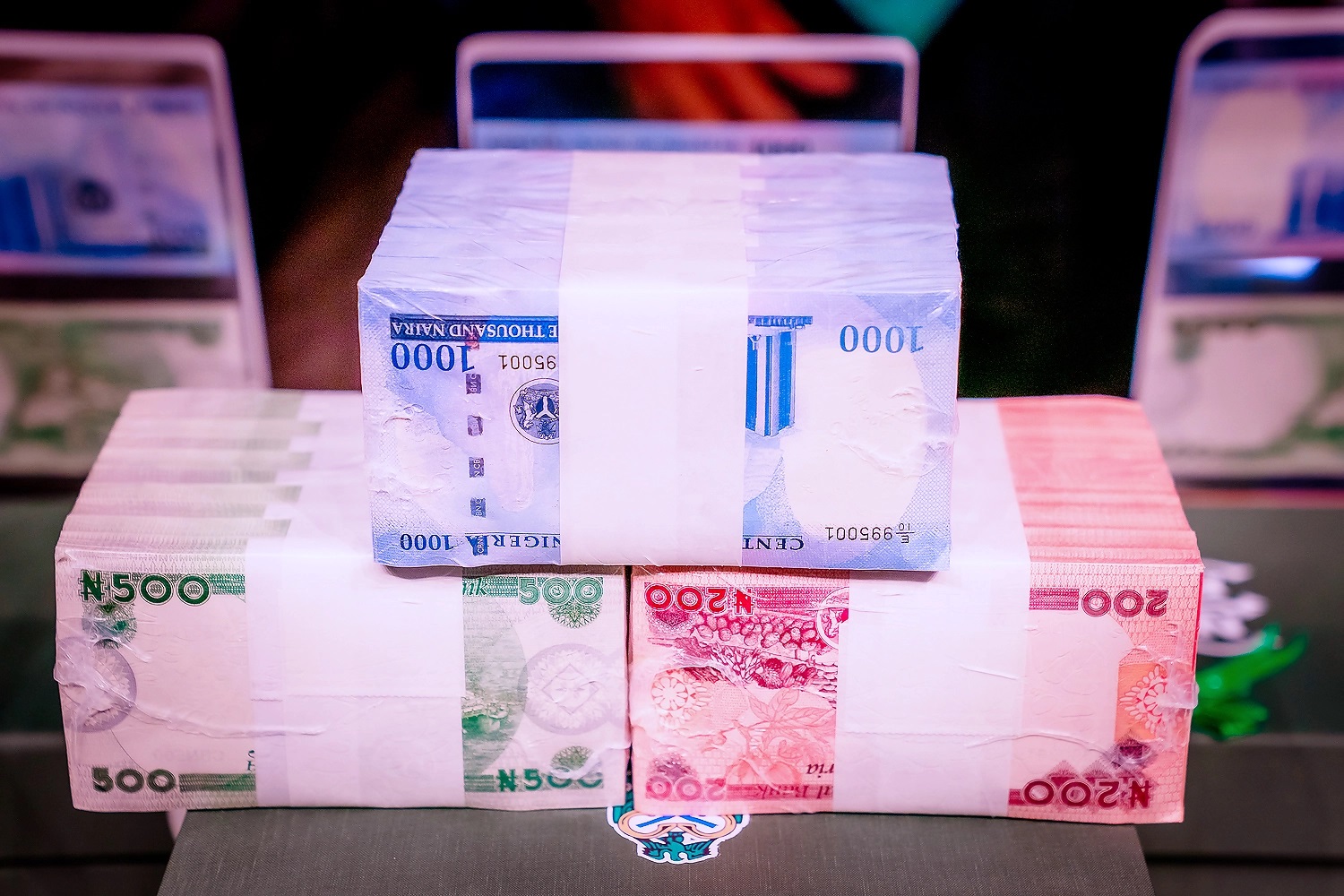
Nigeria’s financial ecosystem is evolving rapidly, and digital payments are becoming central to everyday economic activity. From mobile banking applications to fintech startups and blockchain-based payment systems, the country has emerged as one of Africa’s most dynamic digital economies.
In this environment, Stable Naira (SNR) is beginning to change the conversation around digital payments in Nigeria by offering a stable, efficient, and locally relevant digital currency solution that addresses many of the challenges associated with traditional financial systems and volatile cryptocurrencies.
For years, Nigerians have embraced digital finance out of necessity and innovation. The country has one of the youngest and most technologically active populations in the world, with millions relying on smartphones for banking, transfers, commerce, and savings. However, despite this growth, significant challenges remain.
High transaction fees, delayed settlements, foreign exchange shortages, inflationary pressures, and the volatility of cryptocurrencies like Bitcoin have complicated the adoption of fully digital financial systems. Many Nigerians want the speed and accessibility of crypto without the instability that often comes with it. This is where Stable Naira enters the discussion.
Stable Naira is designed as a stable digital asset pegged to the Nigerian naira, combining the advantages of blockchain technology with the familiarity of the local currency. Unlike traditional cryptocurrencies that experience dramatic price swings, SNR aims to maintain a predictable value. This stability makes it more practical for everyday transactions such as salary payments, remittances, online purchases, subscriptions, and cross-border trade.
Businesses and consumers are more likely to adopt a digital asset when they know its value will remain relatively constant from one day to the next. One of the most significant impacts of Stable Naira is its potential to improve financial inclusion. Millions of Nigerians remain underbanked or unbanked, especially in rural areas where access to traditional banking infrastructure is limited.
With a stable digital currency accessible through mobile devices, more people can participate in the digital economy without relying heavily on physical bank branches. This creates opportunities for small businesses, freelancers, traders, and entrepreneurs who need fast and affordable payment systems to operate effectively.
SNR could also transform remittances and international payments. Nigeria receives billions of dollars annually from its diaspora community, yet remittance channels are often expensive and slow. Blockchain-powered stablecoins can significantly reduce transfer costs while enabling near-instant settlement.
For families depending on funds from abroad, this means more money received and less lost to intermediaries. It also strengthens economic connectivity between Nigerians at home and abroad. Another important aspect is the role Stable Naira could play in supporting e-commerce and digital entrepreneurship. Nigeria’s online economy is expanding quickly, with creators, developers, and online merchants increasingly serving global audiences.
A stable digital currency tied to the naira provides a bridge between local commerce and the international digital economy. Payments become faster, settlement risks decline, and businesses can operate with greater efficiency. At the same time, the rise of Stable Naira raises important regulatory and policy questions. Authorities will need to balance innovation with consumer protection, anti-money laundering standards, and monetary stability.
If managed properly, SNR could complement Nigeria’s broader digital finance ambitions rather than compete with them. Stable Naira represents more than just another fintech product. It symbolizes a shift in how Nigerians think about money, payments, and economic participation in a digital age. By combining stability, accessibility, and blockchain efficiency, SNR is helping reshape the future of financial transactions in Nigeria and positioning the country as a leader in Africa’s evolving digital economy.