When it happened in Nigeria, many shouted that it was not a good idea. The Nigerian regulators had put a quota on the minimum local content MultiChoice, owners of DStv and GOtv brands, must carry to be in compliance. Largely, the Nigerian regulators explained, thoughtfully and rightfully, that it was necessary to have a dose of Nigerian content in the most popular satellite TV provider in the nation. Expectedly, MultiChoice was not happy. But it went ahead, invested and complied. To a large extent, that strategy has worked well: the Nigerian content has connected the brand to many Nigerians.
More so, that government decision has benefitted some of us; DStv has run my profile in DStv Africa Magic Igbo channel many times. Of course, it was done without any coordination; possibly, they developed that program as part of meeting the local content requirements.
South Africa has received a similar playbook from Abuja: now, it was all providers to have at least 30% South Africa’s local content. This means Netflix, MutiChoice, Amazon Prime, etc, must invest in local content in the nation to stay in compliance. I am not sure it is a bad idea!
South Africa’s government is floating a controversial new plan to force local and international video streaming services like Netflix, Showmax, Amazon Prime Video and others in future, to carry at least 30% local content in the country.
Forcing streamers to have a third of their content be local South African series and films will likely end up hurting consumers by taking away choice if these streamers, in order to comply, instead decide to downsize instead of upsize their overall ringfences offering for South Africa to comply.
South Africa’s department of communications and digital technologies does not only want to impose content quotas on streaming services. As part of its plan, it now also wants to change the existing legislation to force MultiChoice (DStv), StarTimes (StarSat) as well as subscription video-on-demand (SVOD) services like Netflix SA, Showmax, Apple TV+, Amazon Prime Video and others to collect SABC TV Licence fees that will be added into consumers’ bills from these private companies, because the SABC isn’t able to do proper licence fee collection.
About the plan to force a 30% local content catalogue quota on streamers, Collin Mashile, chief director of broadcasting policy at the department of communications and digital technologies, said: “These video-on-demand subscription services, when they come and operate in South Africa, everything that they show to South Africans in terms of their catalogue, 30% of that catalogue must include South African content.”
The draft legislation also proposes the creation of a government “team” that would be able to blacklist and block subscribers’ payments from South African banks to international streaming services like Netflix and Amazon Prime Video if streamers don’t comply with regulations.
Yes, there is another extension on that game: a laptop being used to watch Netflix could be classified as a TV, to ensure the owner buys a TV license in the nation. You need a TV license to watch a regular TV in South Africa; the country now wants to redefine what a TV means since most people do not need TV to indulge on shows, destroying revenue streams for the government. By making all laptops and smartphones TVs, you would be forced to buy a “TV license” before you pay for that Netflix or Showmax subscription!
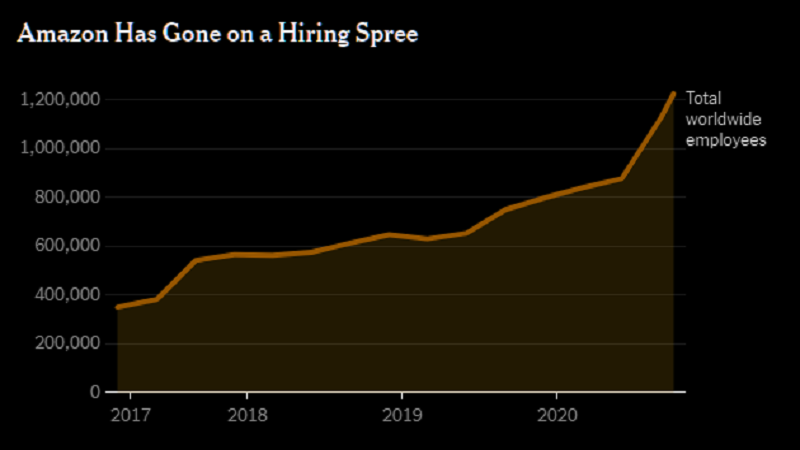
Amazon is closing on Walmart as the biggest employer of labour: Amazon reported 1.125 million employees at the end of Q3 2020. Walmart employs 1.5 million people in the US but 2.2 million globally. Looking at the chart, you see about 430,300 employees in 10 months, or +50% from a year ago. Yes, those asset-lite messages on ecommerce operations have fallen apart: I have long maintained that there is nothing digitally leverageable on ecommerce when you look at the marginal cost trajectory. Ecommerce operators exhibit the typical average fixed cost shape as they gain scale.
Amazon could even overcome Walmart in that huge record: the world’s largest employer of labour as it ramps up employee headcounts over the next two years. Largely, as Amazon builds up its logistics, we are learning quickly that ecommerce can indeed power a new labour force. This could be a good outcome as many had postulated that the rise of ecommerce could bring doom in the labour force.
Yes, the question is this: how far will Jeff Bezos, the boss of Amazon, get in his mission of absolute domination of retail America? Amazon is worth $1.59 trillion while “smaller” Walmart commands $433 billion. Yes, Amazon can buy Walmart and still have a change of $1 trillion+. That is all textbook analysis to help us see what is at stake here.
A nation rises when pioneering entrepreneurs emerge. America has many in abundance, luckily for it. Look at the curve, it is all the way to a great parabolic one: those are jobs and opportunities.
Nigeria: blessed will be when your pioneering entrepreneurs are unleashed, untethered by the bounds of state capitals and Aso Rock, to rise to the mountaintop. Amen to that, somebody!
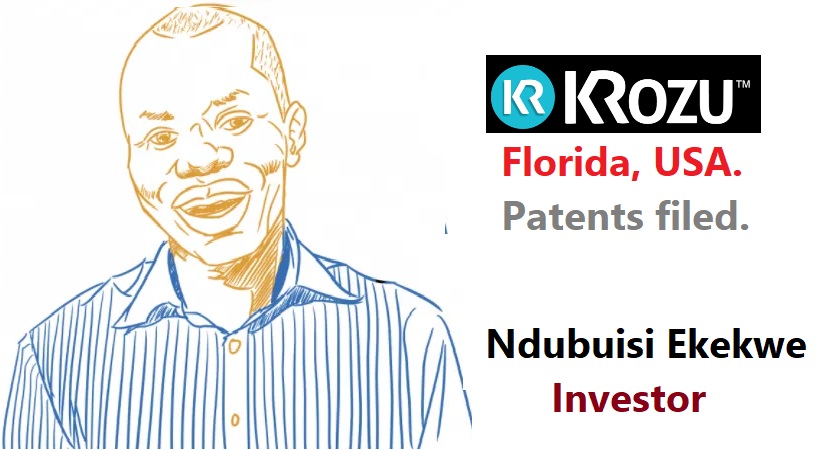
It is an amazing piece of engineered intelligent system with many patents already filed: a Hierarchical Recursive Workflow Management Platform. When I saw it from the Florida-based team, I invested. Among others, Krozudelivers quantitative measurement of human productivity at work. In other words, if you are a boss or HR lead or supervisor, we have brought the technology that makes it possible to know how your team members are executing. From days to weeks to months, you want to know how productive they have been; all you need is to click a button, and Krozu tells you.
Besides metering and measuring productivity, Krozu powers collaboration, plus more. Founders Wiggerman, Solomon and Palandro engineered productivity. Krozu REVOLUTIONIZES project management by organizing projects in the same manner and structure as your business. It makes perfect sense, if businesses have been employing a hierarchical organizational structure for thousands of years, so should your project management tool. This in turn simplifies everything from permissions, roles, progress, dependencies, communication, and much more. Here are some features of Krozu.
You can get Krozu from Wragby Business Solutions & Technologies, and Comercio Limited in West Africa. Please contact my team (on click) if you want to know how Krozu can support your missions. We welcome channel partners from across the world. Will connect you to our team.
Portfolio healthtech startup Medcera expands, opens an office in Lagos. Medcera is the first location agnostic electronic health record system in Africa. Once you are in our ecosystem and if your clinic, lab, imaging center, etc uses our solution, you will have only ONE copy of your health record irrespective of wherever you are.
It is an amazing work: doctors will not offer scientific miracles with guesswork because they will always have the records they need. We do all under HIPAA Act compliance, the gold standard in healthcare privacy and patient rights.
Medcera provides a connected ecosystem that brings together Doctors, Patients and Healthcare Partners making it possible to deliver top-grade patient outcomes. Doctors have the tools they need. Patients are provided with support they deserve.
Clinics, Labs, Imaging centers, Pharmacies, Labs, etc: visit Medcera and let me know how we can serve you.
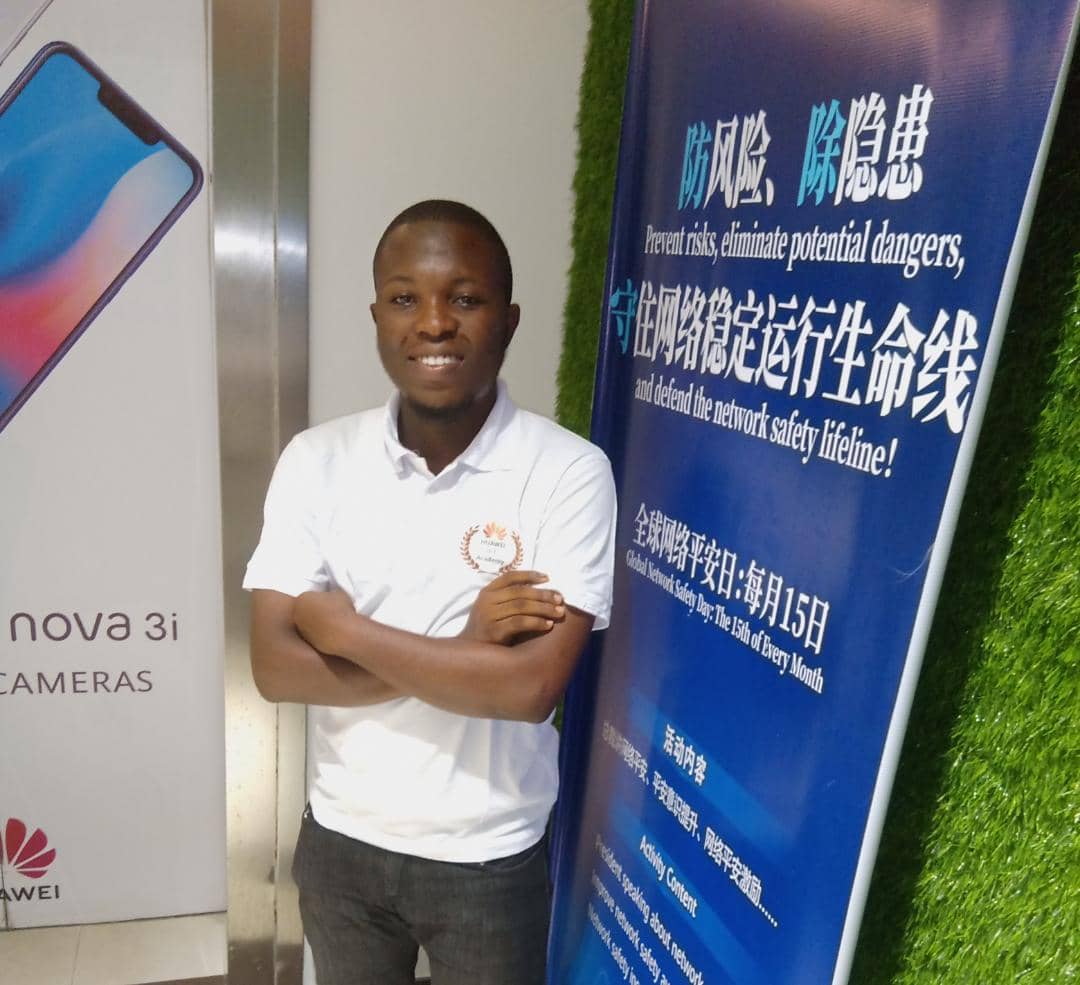
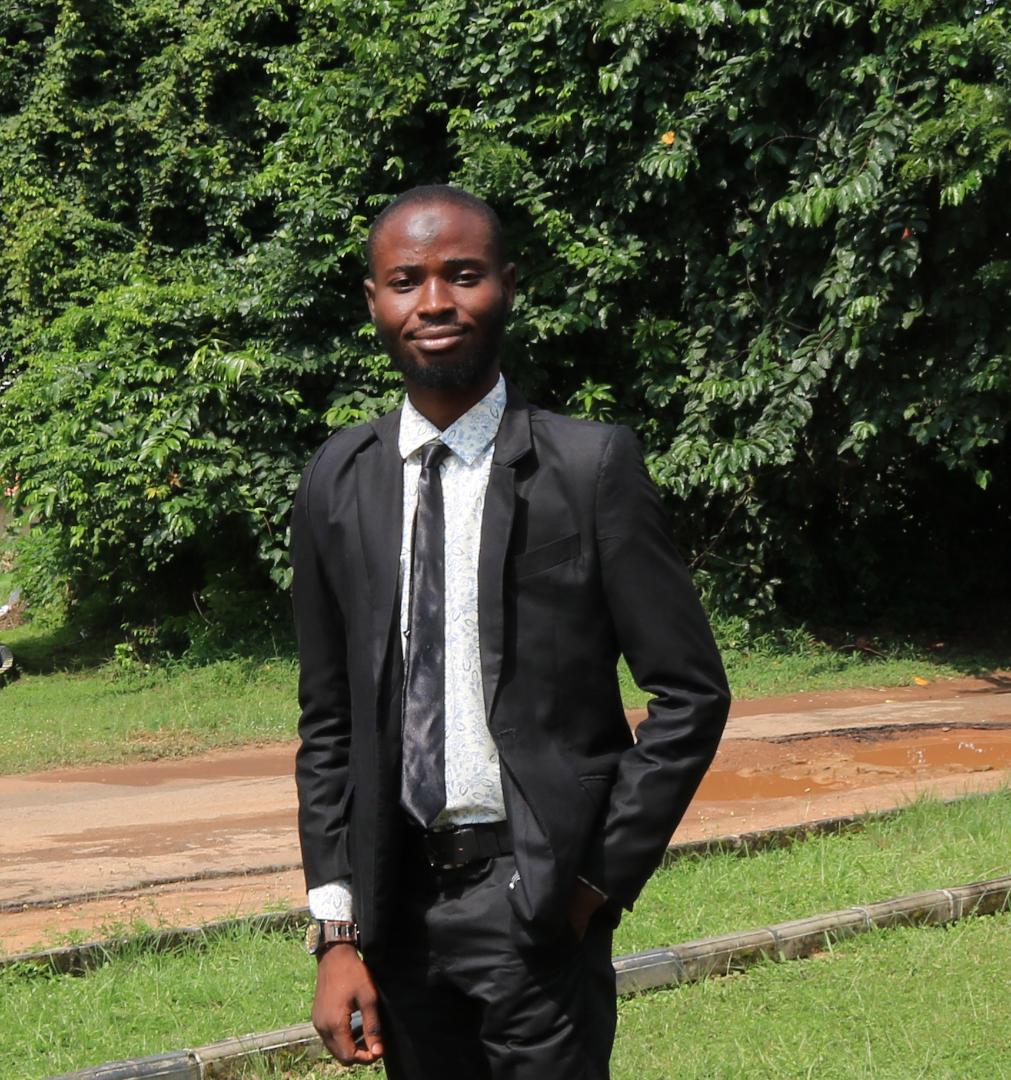
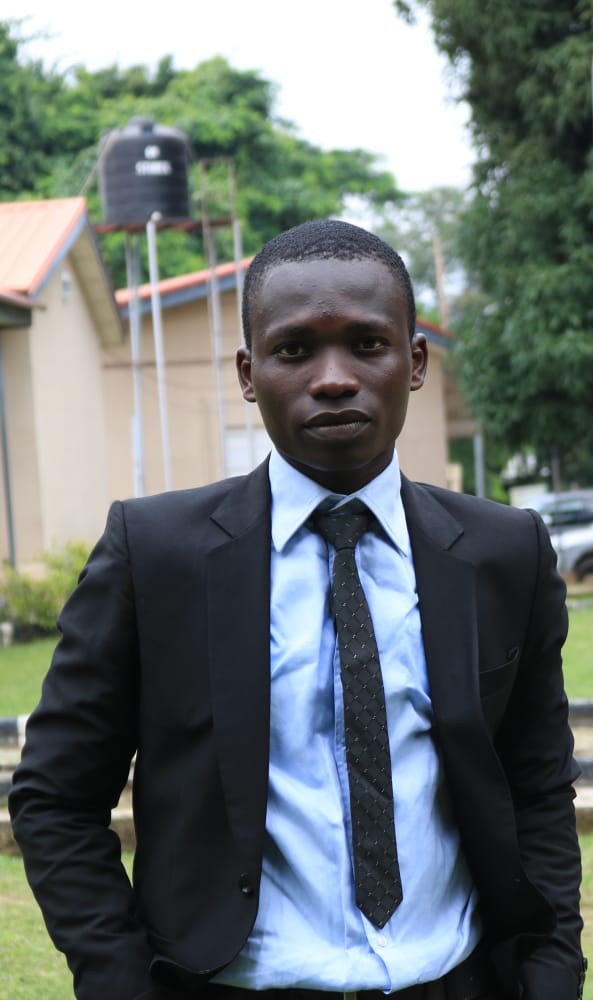
Like businesses, universities do pursue cost leadership, focus and differentiation strategies. In our experience, we have seen the good and the bad of these strategies among the Nigeria’s oldest Universities within the contexts of the Universities’ strategic statements. However, competition is one of the key inputs educational institutions do see as a way of showing their distinction, especially when their students won at national, regional and global levels. In this piece, our analyst details his encounter with the three students of the University of Ibadan, who recently participated in the Huawei 2020 Global ICT Competition. From the trio, the competition was challenging and exposed them to life outside the academic environment. One key lesson from this team is that with the support of university Tutors and Administrators, Nigerian students can excel in any competition in the world.
Excerpts
Tekedia: Throughout the three different segments in which you participated in the competition, you really challenge your innovative and creative level to some extent, please how can you describe the experience to us?
Olubiyi Sulaiman Damilare: The competition really brings a lot of innovative ideas and skills in the aspect of data communication, security and wireless networking from the outset of this competition. From the preliminary stage, we took it all together. After the preliminary stage, it also went on to the national stage. It was very challenging because it forces us to think innovatively towards better idea generation at every stage.
Olubiyi Sulaiman Damilare
Abideen Bolaji Olaide: It has been a wonderful experience and we have been exposed to a lot of technologies in the ICT world like Sulaiman said, it is based on three fields; Routing and switching (Data communication), Wireless Network and Securing and Network. It was like we are creating a network or something. In the preliminary, it was objective questions. We did some examinations online. After passing this stage, we went for national and they gave us a Network tautology to solve. It depends on how good you are with network. The result of this stage was used for qualification for the next stage, which is regional. At the regional stage, we did the examination as a team in UI, but after that regional which we came second, they reshuffled the Team because they believe we are all representing Nigeria. Therefore, students from ABU, UNIPORT and UI were asked to reshuffle. This changed university team to the national team at the global level. The team was no longer a university team, we all performed together.
Tekedia: Through the competition, you would have passed through competitive trainings, so how was it like under your Tutor?
Olubiyi Sulaiman Damilare: Of course, there was Tutor, as I have said earlier, the competition was three segments. It needs a mentor to give you the directions and necessary support. Our Tutor really tried. He did a lot for us during the preparation in order to mobilize us together, for a better output. When we want to write the exams in Lagos then, the Tutor tried to engage us and give us the moral and all supports. After the national competition, we were chosen for a training in Abuja. We spent six weeks in the City. Our Department and School Management stood by us while moving to Abuja for the training. Then, we are on the verge of second semester. They really tried during the preparation for the final regional training. The Tutor was helpful in one way or the other during the cause of the training.
Abideen Bolaji Olaide: It was nice, our instructor tried to inspire us to do more and perform very well.
Badiru Toheeb Adeniyi: Right from the beginning, even before I entered hall for the competition, I was lucky to have my 400-level internship with the Aviat Network in Lagos. This means that my own training was even before I entered the competition. By the time I entered the competition coupled with documentation and online training our Tutor did for us. The training was good, but whenever I had difficulty in understanding some concepts, I asked questions.
Tekedia: What were the factors that pushed you from the first stage of the competition to the second and the last stage of the competition?
Olubiyi Sulaiman Damilare: Actually, to me personally, the first factor is determination and the second factor is team work because if you are determined and you are not with the right people, in one way or the other, you might get rejected along the line. So, it’s a determination like I want to get it done because this thing is about the team. After the national result, we were grouped into Teams based the best scores from each school. Team from Ahmadu Bello University, University of Port-Harcourt and University of Ibadan. The teamwork and determination really helped us from one stage to another, especially at the verge of preparing for regional stage. It was a very challenging task for us then because we have to try our worth during the training because we were the third in the national then. Therefore, we have to try our worth like we can do this better.
Badiru Toheeb Adeniyi: When I saw people from other country doing it, then I felt like in as much these people are doing it successfully, definitely I can do it as well.
Badiru Toheeb Adeniyi
Tekedia: Like you said while answering the previous question, you said you met a lot of people and the teamwork and determination moved you to the stages. How was meeting people from different countries like in the keenly contested competition with a particular perspective that Nigeria knows little about Technology?
Olubiyi Sulaiman Damilare: The competition was about technology; it was about having the study guide, the necessary preparations. This is about innovation, giving out your own initiatives and the Team work. So, I just have to put that in my mind and be confident of myself. Therefore, being from Nigeria or Africa doesn’t mean restriction to actualisation of my desired objective and goal.
Abideen Bolaji Olaide: Basically, there is no real difference whether you are in America or Australia. All you need is the experience and when they have done that for everybody. There is a universal certification and that was where we learnt technology. What is router in America is also a router in Nigeria and Australia, and what is switch here in Nigeria is also a switch in the United Kingdom and the United States of America. So, with determination and teamwork, we were able to change and push through. There was no advantage that other country had that we did not have as well.
Tekedia: In life there is nothing possible without challenges, and the scripture we believe in also teaches us that, so throughout the competition even before you went to the competition, there would have been some challenges, so what are those challenges that you faced throughout the competition?
Olubiyi Sulaiman Damilare: I experienced some challenges during the competition. During the national competition held in Lagos, there were a lot of students from different universities. Some people did theirs in the morning. I was in the afternoon batch [2-6pm]. The software I was using is a powerful software, but it’s something I can still manage. Thirty minutes to the end, my system got crashed, everything was gone. I just have to meet the invigilator and he said I should calm down, but if I wasn’t determined, I would have left the examination hall because it’s frustrating.
Abideen Bolaji Olaide: One of the major challenges was the clashing of the stages with our school curriculum. Then, we were in second semester during the year and we had to prepare for exams, school work and also our project. It was during the final stage and our Department project has to be like implementation, not just the writing of the report. We really had a great challenge because we were invited after the national to Abuja for six weeks in which we missed school work for six weeks when our colleagues were busy reading and preparing for exams. With the support of our Department and the School Management we all pushed. In conjunction with the School Management, our Department shifted examinations for two weeks, which assisted us in preparing after the six weeks sojourn in Abuja. So, the school shifted the exams for two weeks, we had time to read up because there is a limit to what they can do and school cannot re-coordinate examinations for three of us. It was a very rough journey, but we thank God.
Badiru Toheeb Adeniyi: In terms of challenges, there were quite a lot of them. The first one was the fact that, we have to carry on along the ICT competition with our academics and project. We were invited for six weeks and during six weeks, I could not even work on my project. I am just so grateful to my project supervisor for his understanding because then it wasn’t easy at all. Then being away from school for six weeks is not easy at all because during those six weeks, lecture was going on in school and they keep writing tests and all. I was just in Abuja doing the training and I had to think of what was going on in school and it was our final year, we must not carry the course because it will be an extra year. So, it was very difficult then.
Abideen Bolaji Olaide
Olubiyi Sulaiman Damilare: Alhamdulilah [Praise is due to Allah] and also, I really appreciate the University, the Dean of Student Affairs, the Faculty of Technology and the whole of our Department. They stood by us as a father and as a mother. They helped us a lot, likewise my other Team member. Like I have said, during our sojourn in Abuja, we skipped school for six good weeks and we have examinations. We supposed to have our examinations that week. Also, my appreciations go to my supervisors. They really understand and was helpful, it was really challenging, but at the end, Alhamdulilah.
Abideen Bolaji Olaide: Alhamdulilah, we thank God for everything. I thank my school at large, the Dean of Student Affairs, the Vice Chancellor and the entire Department because everybody shifted grounds for us where necessary. Kudos to my supervisor. He was very understanding and gave me time to work on my project because I was away from school, so he defended me and I really thank him.
Badiru Toheeb Adeniyi: I thank our Department, for their support, patience and everything they did for us. I say thank you to my project supervisor.