DD
MM
YYYY

PAGES

DD
MM
YYYY

spot_img

PAGES

Home Blog Page 6025

South Korea Fines Facebook, Signaling Escalating Antitrust Concerns

0

Last week, Facebook got caught in the web of South Korea’s regulator for sharing users’ private data with different companies, thus increasing the number of countries where the social media giant has got into trouble with the authorities.

South Korean information watchdog, the Personal Information Protection Commission (PIPC), thus fined Facebook 6.7 billion won ($6 million) for sharing the information of not less than 3.3 million South Koreans with other companies without their consent.

The move marks the first crackdown on the social media platform in the Asian country.

The PIPC said the incident took place between May 2012 to June 2018, and it violated the country’s personal information rules.

The regulatory body which was launched in August this year said Facebook was sharing users’ information when they logged into other companies’ services using their Facebook accounts, and the personal data of their Facebook friends was also shared with those companies without their consent.

According to PIPC, the personal information shared with other companies includes users’ names, their addresses, dates of birth, work experience, hometowns and relationship statues.

The regulator said Facebook was not being honest during inquiry and failed to provide relevant documents. Therefore, the amount of information it shared with companies is not certain.

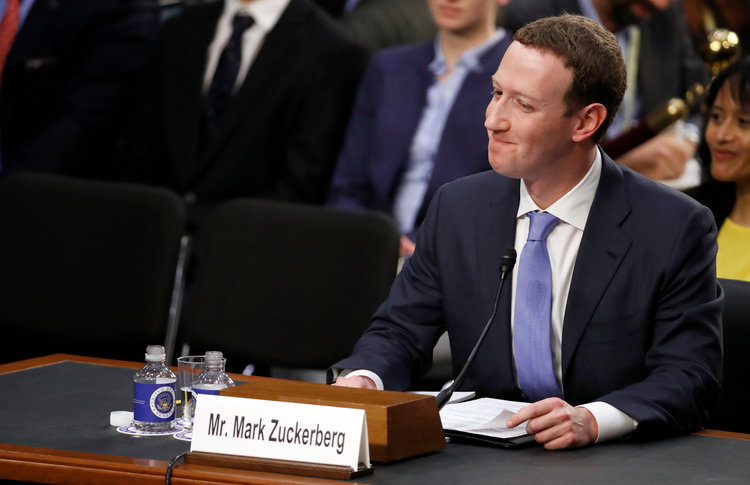
Facebook founder and properties

But considering that information could have been shared with almost 10,000 companies, a considerable amount of information could have been shared, said PIPC.

It added that it will refer Facebook Ireland Ltd., which was in charge of Facebook operators in South Korea from May 2012 to June 2018 to the prosecution for a criminal investigation.

As part of the penalty, the commission levied separate 66 million won on Facebook for not being honest.

Facebook denied the allegations and said “we cooperated with the investigation in its entirety,” and “we have yet to closely review PIPC’s measure”.

The development was as a result of an investigation that started in 2018 by Korea Communication Commission, South Korea’s telecommunication regulator, and handed over to PIPC after it was formed earlier this year.

South Korea’s action against Facebook underscores its escalating personal data controversy. The Silicon giant has been enmeshed in spats with different governments over how it handles personal data.

The 2018 Cambridge analytica data case, where the information of over 50 million users was exposed, was the major data breach that revealed what the social media company is up to with the personal information it is harvesting from users.

A political consultancy hired by US president Donald Trump’s 2016 election campaign as well as Leave EU, a pro-Brexit group in the UK improperly obtained the personal data of 87 million Facebook users, leading to the investigation and consequently the fine by the Federal Trade Commission (FTC).

Facebook has been, since then, in lawsuit tussle to fight off complaints of stolen individual data. In 2019, the US regulator, FTC, handed Facebook a $5 billion fine in what was known as the largest fine imposed by the Commission.

Critics said the fine was inadequate as Facebook easily paid it and continues with the practice of selling people’s data to the highest bidder.

In 2019, Facebook made $70 billion from ads, accounting for about 98.5% of its global revenue. However, 2020 has seen the California-based company contending with an avalanche of antitrust concerns that have extended to moral issues.

Facebook was accused of aiding hate by allowing promotion of hate campaigns on its platforms for the money. In the wake of racial charged protests over the death of George Floyd, an American killed by the police earlier in the year, the concern over how the company uses people data for targeted ads heightened.

Since then, regulators around the world have stepped up their regulatory oversight on Facebook activities. South Korea’s decision signals a shift in the freedom that Facebook has enjoyed in the region.

The Lessons from the Dogs

0

There is greed. But there is also a process mistake which made it possible: building the system in a way that the left-side dog was able to rig the system through intimidation. Here, the process failed. Imagine if these animals are separated by say 6 feet, what happened would not have been possible. Of course, cost increases but a more reliable system will emerge.

Lesson: focusing on building corruption-hardened and -resilient institutions where people/firms cannot be like the left-side dog will advance nations like Nigeria than worrying on making sure the dog behaves.

You opened a bank account with no controls and focused on hiring saints when building controls would have made it impossible for the most experienced crook to cheat. Lesson on leadership.


Coping in a Recession Economy: A Piece of Advice from Rildwan Bello

0
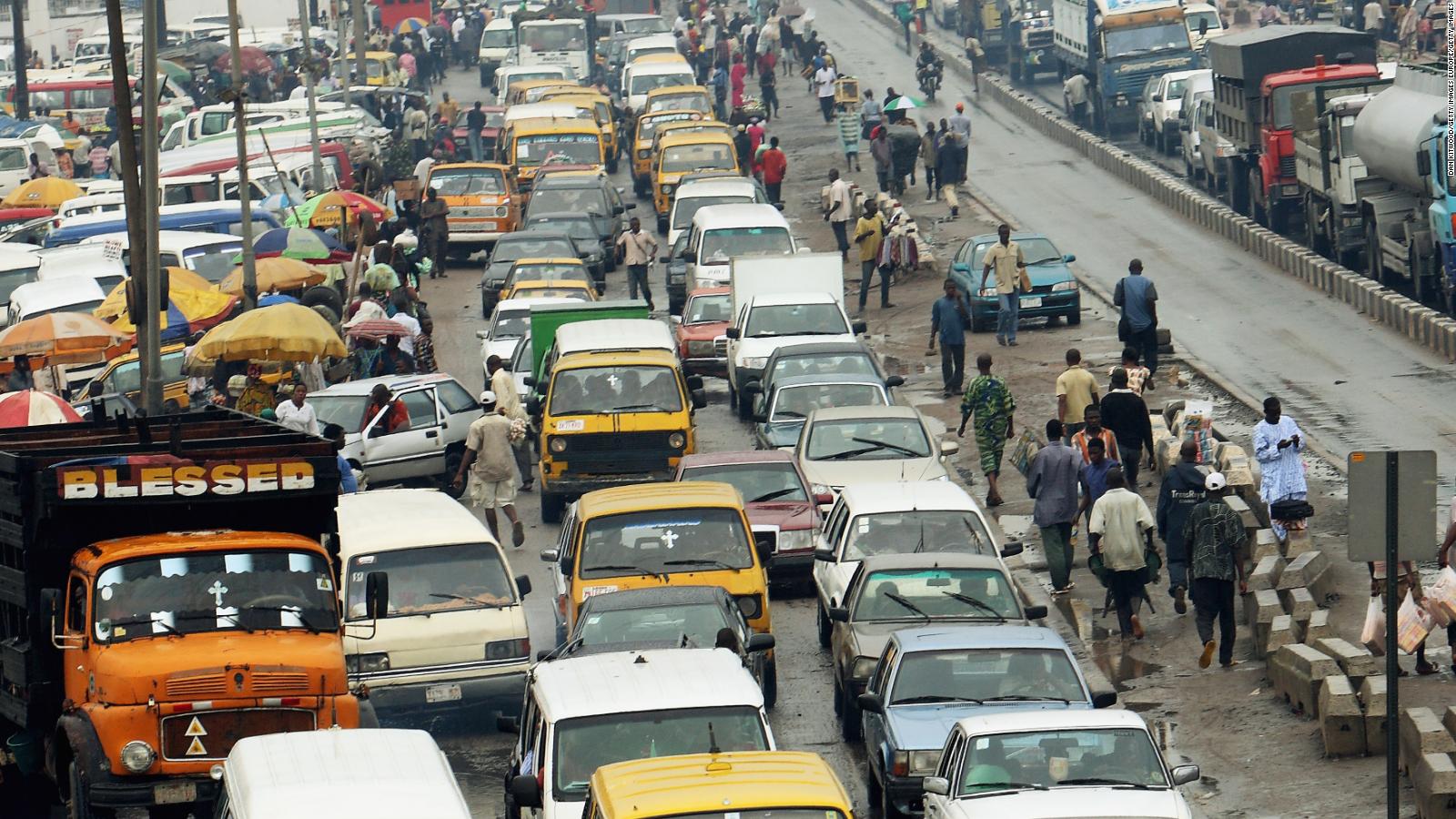
LAGOS, NIGERIA - JULY 15: A general view of congested traffic in central Lagos on July 15, 2008 in Lagos, Nigeria. (Photo by Dan Kitwood/Getty Images)

Recently, the news was all over the place that Nigeria’ economy has entered a recession. This has been described as one of the worst recessions Nigeria has experienced in four decades. Rildwan Bello shares tips on how Nigerians could weather the storm in the new economy. Here are the excerpts as shared from his newsletter.

A week ago, news came out that Nigeria officially entered her biggest recession following the earlier contraction in the economy. A recession is announced when the economy contracts consecutively. This happens as purchasing power drops drastically, leading to lower economic activities, and the industries recording negative productivity. To make this self-explanatory, we (Nigeria) are broke and can’t afford to buy a lot of things again. This has in turn affected a lot of industries that survived on the back of our patronage. Which then creates less revenue for the government, often leading to job loss and economic stagnation. Here are some tip to survive the time:

Assess your skill stacks: in one of my past posts, I’ve talked about skill stacks and the argument in support of having multiple skill sets. I personally favour a skill set that is not limited by location, provides you the opportunity to earn remotely, start life afresh anywhere, and better leverage. For example, as a writer, programmer, or creative, you can create for an audience worldwide.

Deepen your expertise: This is critical as you try to target beyond your geographical location and earn better. The demands will be high and this requires a solid body of work or experience to back it up. This is because the competition is no longer about your neighbour Kunle but talents across the world.

Broaden your target customer: Explore every means to earn in FX, provide services beyond the border of Nigeria. While this will not be a ride in the park, it’s upside is very high if successful. If you are not earning in dollars, you can earn better in Naira too with a good client base and excellent service. This is only possible with investments in your knowledge base, sharpened skill set, and strong relationship.

Embrace ruthless financial discipline: It’s not sufficient to earn money then blow it. Having a disciplined approach to a financial lifestyle is a great life-saving skill that one can have. It further prepares you for life shock and also grants you opportunities to explore in situations like this. For example, some people might be selling off assets, which can be a great buy and investment for you during this period.

Austerity measures: This is the best time for the famous “there is rice at home” line. Cutting unnecessary spending and financial habit is a great act in this period. Thus, avoid getting the guilt trip into financial recklessness that comes with December as you prepare to unwind a really tough year.

It’s Graduation Week At Tekedia Institute

2

Good People, here is the final week schedule for our current edition. We have three Live sessions for this Graduation Week. I begin tomorrow on Growth & Partnerships, to be followed by Henry Mgbemena, Global Security Adviser, World Vision International. With the security paralysis in most parts of Africa, we are bringing security experts to provide thought-leadership. Then, on Saturday, I will lead the final Closing Ceremony. All Zoom links in the Board.

Wed| 7pm – 8pm | Growth & Partnerships, General – Ndubuisi Ekekwe

Thursday | 7pm – 8pm | Security Risk Management Process –  Henry Mgbemena, Global Security Adviser, World Vision International

Saturday | 7pm-8pm | Closure – Ndubuisi Ekekwe

From tomorrow, members can ask for their certificates by emailing Admin.

Tekedia Institute: “to discover and make scholars, noble, bright and useful”.

South Africa Runs Nigeria’s MultiChoice (DStv, GOtv) Playbook on Netflix and Amazon Prime

4

When it happened in Nigeria, many shouted that it was not a good idea. The Nigerian regulators had put a quota on the minimum local content MultiChoice, owners of DStv and GOtv brands, must carry to be in compliance. Largely, the Nigerian regulators explained, thoughtfully and rightfully, that it was necessary to have a dose of Nigerian content in the most popular satellite TV provider in the nation. Expectedly, MultiChoice was not happy. But it went ahead, invested and complied. To a large extent, that strategy has worked well: the Nigerian content has connected the brand to many Nigerians.

More so, that government decision has benefitted some of us; DStv has run my profile in DStv Africa Magic Igbo channel many times. Of course, it was done without any coordination; possibly, they developed that program as part of meeting the local content requirements.

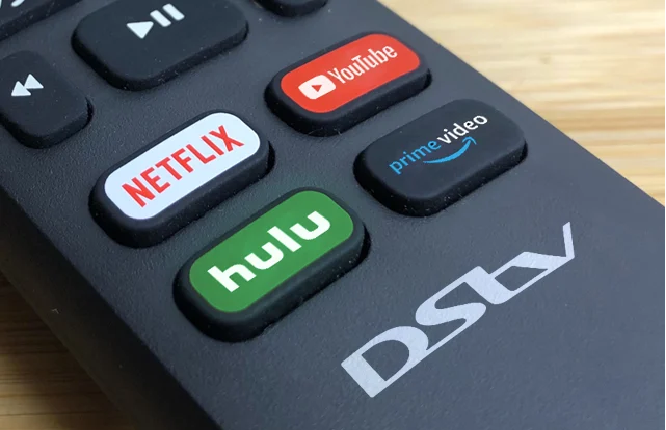
South Africa has received a similar playbook from Abuja: now, it was all providers to have at least 30% South  Africa’s local content. This means Netflix, MutiChoice, Amazon Prime, etc, must invest in local content in the nation to stay in compliance.  I am not sure it is a bad idea!

South Africa’s government is floating a controversial new plan to force local and international video streaming services like Netflix, Showmax, Amazon Prime Video and others in future, to carry at least 30% local content in the country.

Forcing streamers to have a third of their content be local South African series and films will likely end up hurting consumers by taking away choice if these streamers, in order to comply, instead decide to downsize instead of upsize their overall ringfences offering for South Africa to comply.

South Africa’s department of communications and digital technologies does not only want to impose content quotas on streaming services. As part of its plan, it now also wants to change the existing legislation to force MultiChoice (DStv), StarTimes (StarSat) as well as subscription video-on-demand (SVOD) services like Netflix SA, Showmax, Apple TV+, Amazon Prime Video and others to collect SABC TV Licence fees that will be added into consumers’ bills from these private companies, because the SABC isn’t able to do proper licence fee collection.

About the plan to force a 30% local content catalogue quota on streamers, Collin Mashile, chief director of broadcasting policy at the department of communications and digital technologies, said: “These video-on-demand subscription services, when they come and operate in South Africa, everything that they show to South Africans in terms of their catalogue, 30% of that catalogue must include South African content.”

The draft legislation also proposes the creation of a government “team” that would be able to blacklist and block subscribers’ payments from South African banks to international streaming services like Netflix and Amazon Prime Video if streamers don’t comply with regulations.

Yes, there is another extension on that game: a laptop being used to watch Netflix could be classified as a TV, to ensure the owner buys a TV license in the nation. You need a TV license to watch a regular TV in South Africa; the country now wants to redefine what a TV means since most people do not need TV to indulge on shows, destroying revenue streams for the government. By making all laptops and smartphones TVs, you would be forced to buy a “TV license” before you pay for that Netflix or Showmax subscription!