DD
MM
YYYY

PAGES

DD
MM
YYYY

spot_img

PAGES

Home Blog Page 6086

Notes From My Interswitch Case Study

0

So, I spent the weekend working on a case study on how Interswitch became a billion dollar business. The case study goes live soon, but since I’m really not permitted to be humorous and make as many analogies as I would love to (because its serious stuff), I decided to document some of my notes separately and share them as a separate article.

I’m sharing some stuff I learnt studying Interswitch’s business, and what every Nigerian startup can learn on their way to becoming a billion dollar business (because we need more of those).

Market size and the Mystery of Total Addressable Market

There are apparently hundreds of startups in Nigeria, with a majority of them based in Lagos alone, yet we’re clamoring on the streets because of only two startups that have crossed the billion dollar mark; Jumia, and Interswitch, why? Because of the myth of total addressable market.

Nigeria is not Silicon Valley. When people dole out Nigeria’s market size as 200 million people, it makes me laugh. Our population is 200 million, your market size is likely not anywhere close to that. The only businesses that can even boast of a market size above 100 million, are extremely essential businesses, like water, food, telco guys etc. Most people in tech are operating in very small market segments, What I like to call niche markets. Think of this; you’re in an office where the founding team of an agritech company is pitching their idea of using technology to make farming more efficient and productive. So, you ask them what’s your total addressable market? And they say all the farmers in Nigeria, for a product that costs maybe $30 a month to subscribe to, in essence they’re saying all the farmers in Nigeria can afford to pay N11,400 a month for your high tech product that they may not even understand?
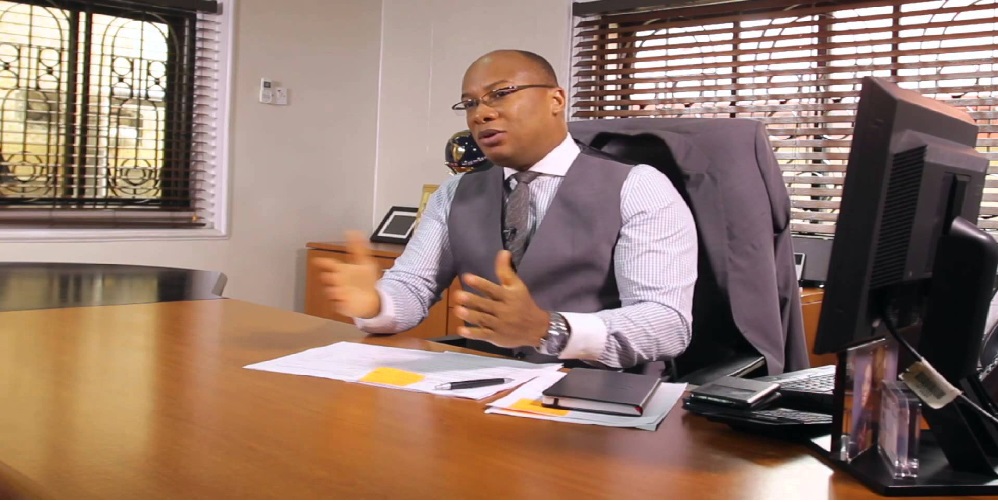
Interswitch

When I was in school, my landlord had a small farm beside his house where he planted cassava. That man was in no way tech-savvy, I’m not even sure if he made up to N11,400 every month from farming, if you gave him a business that made him 11,400 every month, I’m sure he’d pray for you.

Stripe recently acquired Paystack reportedly for around US$200 million, and the whole Nigerian tech space was on fire, someone even saw a post on social media where a girl said they’re now interested I’m dating tech guys. But if you give the acquisition details a closer look, you’ll see something alarming; Paystack only had about 60,000 users, only 60,000? For a 5-year-old startup, why? Because Paystack’s addressable market is small.

If you’re building a business in Nigeria, you need to understand market segments. Not everyone in Nigeria can afford the latest iPhone, so we have Tecno phones, not everyone can afford Banana island, so we have Iyana Ipaja, and not everyone can afford a brand-new car, so we have tokunbo (foreign used cars), second hand cars, third hand cars, and cars that have changed ownership so many times, we’ve lost count.

Most founders don’t understand the dynamics of market segments, so they build products for the imaginary 1million total addressable market they think they have, then they launch the product, and learn the hard way that their total addressable market is probably not up to a hundred thousand.

Because there’s a need for a product does not justify building it, if there aren’t enough people in your market segment who need your solution that can afford it, then don’t build it. Do you know how many people reading this post would love a brand new Rolls-Royce? Is that a justification for Rolls-Royce to open an official dealership here? I think not.

Most Nigerians like good stuff, they just like the good stuff that’s cheap. So Apple’s AirPods Pro retail for around N95,000, a cheaper option is Transsion owned Oraimo Freebuds that retail for N20,000, and if you really want to know, there’s probably a guy not too far from where I live that can retail a couple of unbranded white AirPods looking buds for N3,500. Your call.

You need scale to prosper; building a product in a highly competitive niche market is like trying to replicate fast and furious on third mainland bridge. I hope your car can swim.

What Real Innovation is

AI, Blockchain, IoT, AR and VR are all nice buzzwords, they’re all innovative solutions, they are, I even use some of them when I talk to foreign contacts, but in Nigeria, all that AI stuff is just grammar. Unless you’re in the B2B space, where offering technical expertise is your core business, I do not think using any of those technical jargon will get you anywhere. I’m serious, I was on a call with an old classmate who works with a fintech startup in Lagos the other day, and when he started breaking down all those technical fintech jargon for me, It was something.

You think Mama Sikira cares about API’s and UX? Mama Sikira’s major concern is that the POS worked, how it worked is none of her business. Leave all that jargon for the engineers, my point is this; innovation isn’t really about tech here, I think it’s about pricing.

Your total addressable market is low not because your product isn’t valuable or useful (even though some products fall Into this category), but because you don’t really have the right pricing mechanism to extract value from your users.

Interswitch charges a very small fee per transaction that scales based on volume, and they don’t charge you directly, they charge your merchant, who then charges you. The fee is small but when you consider that maybe 40 million transactions were processed that month, you’ll understand why Interswitch is a unicorn.

Some of the biggest businesses utilize a double play B2B model that allows them cash out based on number of users, data generated, or some other obscene metric.

Who pays for your Facebook and/or YouTube usage? You? Or the thousands of advertisers that spend hundreds of thousands, and even millions of dollars to serve you ads?

Nigerian startups need innovation in this space if they’re going to grow their total addressable market, unlock more value, and evidently create at least a billion dollars in value.

Oh, and try to build for more than one market segment. B2C (Business to Consumer) is legit, but the real money, especially in Nigeria is in B2B (Business to Business), that’s where the big boys play, and don’t get me started on B2G (Business to Government), winks my Abuja people.

Partnerships and Alliances

If you have a business, then you (hopefully) have a problem you want to solve, and aren’t just doing it for the money. If that’s the case, then you have a vision, and you can’t push that vision alone. You need partners.

You may be competitors, but as long as they have something you want at that specific time that can push your vision forward, you should seriously consider partnering with them.

Partnerships are key, don’t trivialize them.

Interswitch partners with so many businesses, even Visa where they apparently compete (think Verve) in their card division.

Conclusion

Understanding market segments, and what your total addressable market is, finding a way to innovate on pricing, and making effective partnerships are some key strategies employed by Interswitch to become a billion dollar business.

Employing these strategies could help you scale up your business to billion dollar status, rather than bleeding investors money to nowhere.
#EndSARS, the Media and Nigerian Government: It is Complicated

0

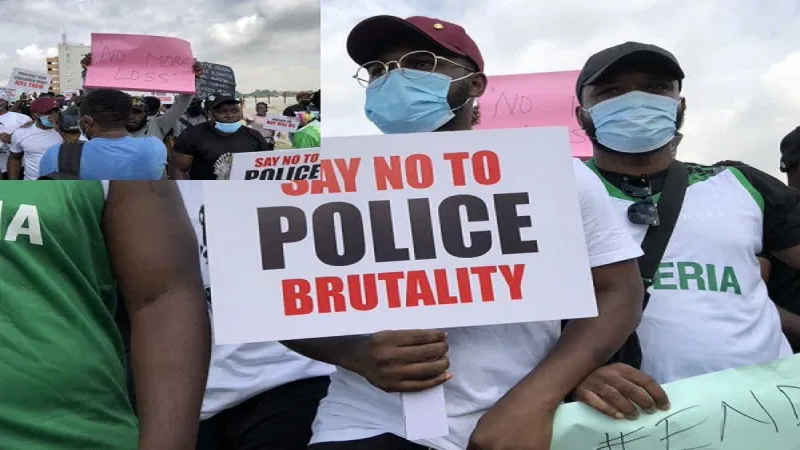
For years, Nigerians have endured all forms of uncivilized behaviour of Police Officers across the country. Some days ago, a number of youths started protesting against police brutality. From the southern region to the northern region, the narrative has been that police officers attached to the Special Anti-Robber Squad have maimed and killed several people unjustly.

These youths, according to available information, employed protest instrument when it is obvious that recommendations of previous reports of panels on the Nigeria Police reforms are not implemented. In one of our previous analyses, factors that contributed to the inability of the recommendations have been documented.

At the early stages of the protests, the youths received support of people [locally and internationally] and businesses. Information indicates that Nigerian companies and individuals raised funds for the protesters. For example, Flutterwave received N10,262,703, $6,040, £583, CAD1,300, GHS715, AUD105, ZAR400, EUR675, CZK500, and AED100 from companies. With the financial and kind supports, an online news medium says “the #EndSARS campaign has shown the power of the Nigerian youths. Much more, it has shown the possible impact of collaboration among the Nigerian business community. It was pretty spontaneous, but the organization has been impressive and the impact is unprecedented.”

Having seen the impacts on the economy and how the global community is supporting the youths cause, the Nigerian government through the Nigeria Police Force announced the disbandment of the SARS with the assurance of dealing with the past cases of brutality by the Police Officers. Lagos, as the epicentre of the protests, also announced some strategic measures to calm the protesting youths.

However, the protests have been hijacked by political thugs and hoodlums. Consequences of the hijack are being felt in Lagos, where a number of private and public property have been set on fire.

As the tension increases in Lagos and other parts of southern Nigeria, our analyst examines Nigerian Twitter community and the conventional newspapers’ place in the protests. From over 136,000 used by those protesting on the Twitter, more than 9,000 words were used to explicate the protests and the issues associated with governance in the country. endsars and endswat were the predominantly used words. These words strategically connected with #endpolicebrutalityinnigeria.

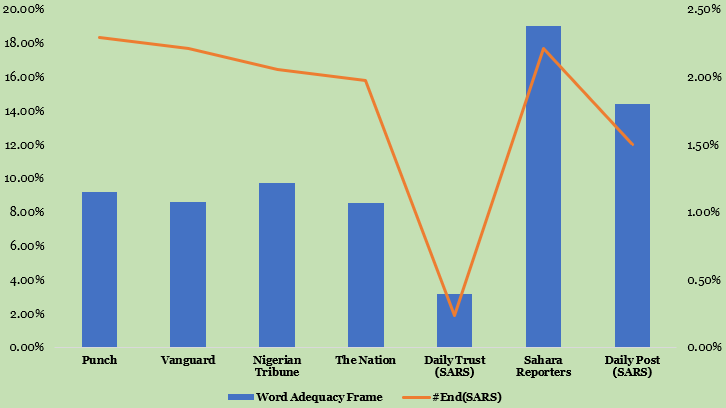
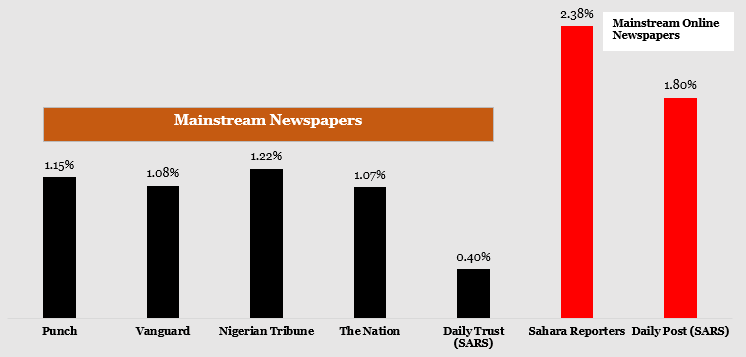
Looking at the media coverage of the protests, analysis shows that Sahara Reporters and Daily Post have deployed more words for the reportage on their home pages [websites] than other newspapers. Apart from employing generic words for the coverage, the two newspapers have equally employed the protests’ hashtag [#EndSars] than other newspapers [see Exhibit 1 and Exhibit 2].

Now that the protests have led to casualties on both sides [the government and the protesters], our analyst notes that the media need to deescalate issues with the tendency of increasing aggression from any side. The media also need to pay attention to the illustrations and images that would be used to portray the two dominant actors.

Exhibit 1: Word Adequacy Frame

Source: Nigerian Newspapers, 2020; Infoprations Analysis, 2020

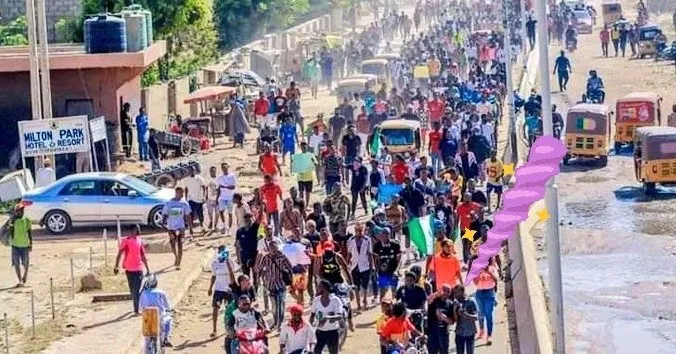
Exhibit 2: Us [Protesters] versus Them [Government] Game Over #ENDSars Protests

Source: Nigerian Newspapers, 2020; Infoprations Analysis, 2020

Update to Tekedia Members on The Situation in Nigeria

1

Dear Member,

Greetings. Yesterday was a sad day in Nigeria, and we are reaching out to our members to see if there is anything we can do to assist. Because of the gravity of what happened, we do not even know how to assist. But we want to make it clear that we are all in pain as when the soldiers shot those unarmed youth at Lekki (Lagos), they shot the world.

We have retained some psychologists to offer counseling if needed. Tekedia Mini-MBA Live and labs programs are paused until further notice, and all deadlines frozen. The Board remains available.

For the young ones among us, we understand the challenge. If your parents, guardians, etc cannot help, please feel free to contact us. We have engaged experts who can provide support. More so, we are exploring best ways to support, with foodstuffs, for our members who need help.

We wish everyone safety and peace in the land.

Regards,

Tekedia Team

#EndSARS: The Gory Tale of Lekki Massacre

0

It was a bloody Tuesday evening, the gory video clips and images that greeted social media showed bodies torn by bullets, and surrounded by protesters desperately trying to save their comrades. The firing squad from the Nigerian Army had lodged bullets into many, and with no medical help in sight, the people became their own doctors.

That was the situation in Lekki Toll Gate Lagos, where protests have been taking place since nearly two weeks now. The #EndSARS protest was a fight-back movement from Nigerian youths who have had enough of police brutality and empty government’s promises to address the excesses of the police.

Having drawn unprecedented attention from around the world, the campaign became a development that Nigeria’s government didn’t see coming, and doesn’t want to go on.

Repeatedly, the All Progressive Congress (APC)’s led governments called on protesters to call off the protest.

“Let me commend all our religious leaders, Christians and Muslims for their patriotism and high sense of responsibility at this sensitive time. I appeal to them to call on their teeming followers to call off the protests for now and give peace a chance.

“I also strongly appeal to the protesters – YOU HAVE MADE YOUR POINT. GOVERNMENT HAS MADE ITS COMMITMENT TO YOU. PLEASE, PLEASE AND PLEASE, CALL OFF THE PROTESTS. GIVE GOVERNMENT A CHANCE TO IMPLEMENT YOUR DEMANDS,” Bola Tinubu, APC’s national leader said in a statement.

In the afternoon of Tuesday, October, 20, 2020, the Lagos State Governor Babajide Sanwo-Olu imposed a 24 hours curfew in the State, following reports of violence in some parts of Lagos. The curfew was to go into effect by 4. pm WAT, giving the State’s residents only a few hours to get home from their various places of work and business.

Considering the hectic Lagos traffic situation, the curfew was impossible to beat, and for protesters who had assembled at the Lekki Toll Gate from many parts of Lagos, the decision to stay put was unanimous. After all, they’re causing no harm; they are only armed with a message – End Police brutality.

In the past few days, the #EndSARS campaign has been met with fierce government’s resistance, in tacit ways to discredit the movement. In Abuja, Nigeria’s capital territory, Nigerian security forces were seen camera mobilizing thugs to attack protesters. In Benin, Edo State capital, South West Nigeria, a maximum prison was broken loose and inmates were let out, forcing the governor, Godwin Obaseki to order a 24 hours curfew.

The situation was not different in Lagos. There were reports of police stations being set on fire by hoodlums, following several attempts by hired thugs to quell the protest.

Despite the chaos masterminded by pro-government elements, the protesters have distanced themselves from trouble and maintained peace. Even the governments could not find a ground to accuse them of misconduct.

A few hours after the Lagos curfew was announced, the CCTV cameras attached to the Lekki Toll Gates were removed. Eyewitnesses said those who removed them claimed they were sent by the government. A move people believed to have been a signal of premeditated plot by the authorities to massacre the protesters.

The belief became true as the day went dark. Streets lights were turned off and soldiers who had earlier rolled in with APCs went to work.

“The CCTV cameras were carefully taken out, lights turned off & and then young Nigerian peaceful #EndSARS protesters were cut down in cold blood by heavily armed men. Sad & despicable! This is not democracy! This is evil!” that’s how Clement Nwankwo, described what happened next on Twitter.

The rest of the world was only able to get a wind of what was going on in the orchestrated darkness, when DJ Switch, a protester, went live on Instagram.

Over 130,000 people watched as soldiers’ bullets flew, hitting protesters who were seen fighting to live, but eventually died. Eyewitnesses said more than 11 persons were killed and soldiers took some of the dead bodies to conceal evidence. They said protesters were barricaded and the wounded were denied the chance to get medical help.

The Nigerian Army had earlier solicited government’s approval to wade in and quell the demonstrations. A statement issued by Acting Director Army Relations on 14th October, called protestors “subversive elements and trouble makers”, adding that the Army is willing to fully support civil authority in dealing with the situation decisively.

As the world struggles to come to terms with the unfolding horror, it becomes more troubling to many that Nigeria, a country faced with security challenges in many fronts, including Boko Haram and banditry, will choose to unleash its army on harmless citizens protesting police brutality.

“We can’t defeat BH, we can’t stop bandits, we cannot stop arm robbers but have guns and bullets to spare for peaceful protestors demanding for a functional police force? Tueh!” Nigerian Journalist Kadaria Ahmed said.

But it is a long held tradition by Nigerian security forces. Many see mass killings of unarmed Nigerians as a function of Nigerian government. There was the Odi massacre, Zaria massacre, Zaki Ibiam Massacre, Shiites massacre, IPOB etc. all executed by Nigerian security forces with all impunity.

While anger blazes against all principals in the government for the bloodbath, Sanwo-Olu takes the larger share. The Lagos State governor is seen as culpable for the removal of the cameras and the darkness that preluded the shooting.

In the wake of violence, his Oyo State counterpart, Sheyi Makinde beefed up security in the State to arrest thugs causing violence and protect protesters, a precedent many thought Sanwo-Olu should have followed.

As the world reacts in shock to the incident, the Nigerian government has kept mum. Sanwo-Olu said the attack was carried out by forces not under the control of the State, implying that it’s a federal government sanctioned attack.

“This is the toughest night of our lives as forces beyond our direct control have moved to make dark notes in our history, but we will face it and come out stronger,” he said, adding that he visited many of the victims at the hospital.

The former US Secretary of States Hilary Clinton lent her voice and asked the Nigerian government to stop killing its young ones.

“I’m calling on @mbuhari and the @hqnigerianarmy to stop killing young #EndSARS protesters. #StopNigerianGovernment,” she Tweeted.

Besides being a ground for peaceful protest that it has been in nearly two weeks, the Lekki Toll Gate was a mosque on Friday, a church on Sunday, and alas, a death ground on Tuesday. It has therefore become a tragic monument stained by the blood of people who were asking the police to spare their lives but got killed by soldiers.

In Second Month of Pilot, Paystack Recorded a 1,345% Transaction Growth

0

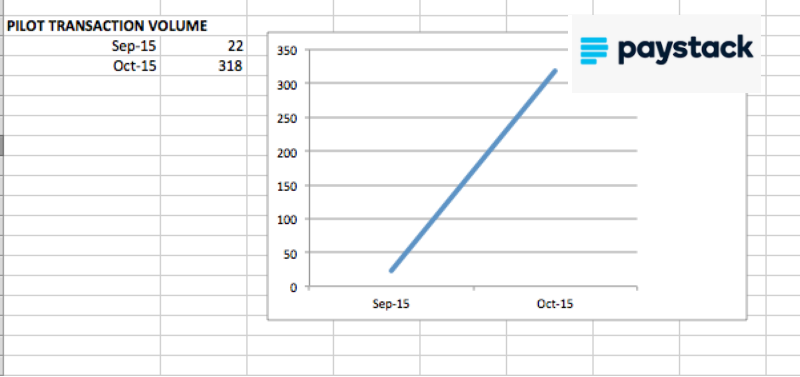
In the first month of pilot, Paystack, the Lagos-operating fintech company which is being acquired by Stripe for $200 million, a total of 22 transactions were processed. The subsequent month, the number grew to 318. If you run the math, that was a four-digit growth: 1,345%. During that period, revenue was $1,300 for the company. Yes, while the revenue may be low, if you look carefully, the growth rate was something else. That explained why some wise people who saw the company numbers wired that $120k which post acquisition might have delivered at least $12 million gain. Measure what matters.

With an exit of $200 million – a three digit-multiple- and considering the typical delusion, I estimate that YC will receive at least $12 million for its investment at that very early in Paystack. Yes, the Americans have turned $120k into $12 million in your neighborhood in Lagos. Sure, how you wish!!! Sorry, that is why one smart man wrote “Acres of Diamond”. That glory is everywhere if you seek it earnestly! But give it to the Americans; Paystack revenue was $1,300 when YC accepted it.

https://youtu.be/VIzhXzixENE

Y Combinator Wins in Africa, Gains from Paystack Cover ALL Investments in African Startups