DD
MM
YYYY

PAGES

DD
MM
YYYY

spot_img

PAGES

Home Blog Page 6106

Misrepresentation of Women in the Police Force: The Major Cause of Police Brutality

0
Nigeria police continues to struggle to maintain peace

The Igbos will say that “ife onye na-acho n’uko elu di n’uko ala”, meaning that what you struggle to get from afar is actually easier to achieve because it is within your reach. Sometimes the solutions to our problems are right there before us but we fail to see them because, deep down our minds, we believe the problems are too enormous to be easily solved. As a result, we struggle through thick and thin as we seek solutions. This is exactly what is happening today as Nigerians cry for the end of SARS.

For some days now, Nigerians, especially the youths, have been protesting against the brutality of the special police taskforce known as SARS. The protesters no longer called for the reformation of SARS but demanded that the operation should be shut down entirely. This call may put the government in a dilemma considering that SARS still solves a major security problem in the country. Scraping it off will expose everyone, including the protesters, to the more intense attacks from armed robbers, kidnappers, fraudsters and what have you. Truth is that SARS officials have been brutal in their ways of handling suspects and have been accused of several extrajudicial killings. Their excesses are actually getting out of hand.

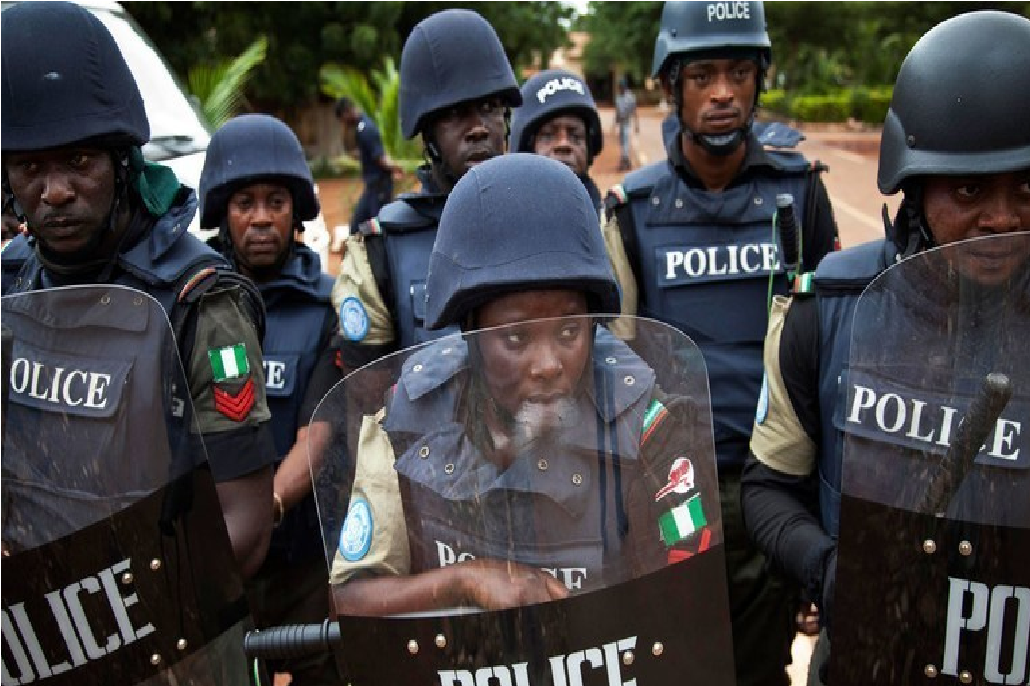
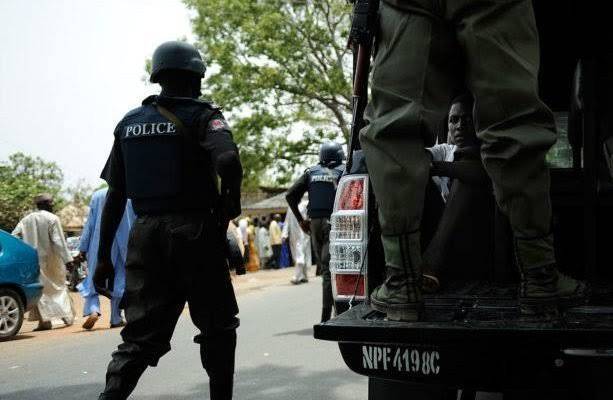
But, have you noticed that there is something extraordinary about these SARS officials? Apart from knowing them through their physical qualities, have you noticed that they are all members of a gender? I stand to be corrected anyway, but if you take time to study these SARS officers, and even the mobile police officers (MOPOL), you will agree with me that they are all male officers.

I am not trying to cry foul for the discrimination in recruitment of female officers neither am I trying to bring feminism into the discourse. Rather, I am trying to state the fact that the reason behind the excesses of our police these days is because there are few policewomen to tune down the extravagance of their male counterparts.

Several researches have shown that female police officers are less likely to use violence in their line of duty than their male counterparts. In fact, it has been discovered that female officers avoid any duty, such as arrests, that will become aggressive because it is a major stressor for them. Somehow, female officers have the ability to bring down tensions and prevent violence. Somehow, they have been able to do their jobs without hitting or killing suspects. Somehow, there has been no news of female officers “mistakenly” shooting a person down. I don’t even know if I have seen a female officer with a gun. But then, female officers are not MOPOL or SARS officers; so they actually have no business with guns.

Apart from working without aggression, female police officers also do better jobs at handling rapists and wife-beaters. They are known for protecting women and children better than their male counterparts. A lot of women that were rescued from their abusive homes owe their gratitude to female officers. But we have a lesser number of female officers because of hindrances put in place by the recruitment processes.
Among the things that discourage and disqualify women from joining the police is the physical tests conducted during the recruitment process. The type of physical test applicants are put through in order to ascertain their strengths is enough to discourage any woman from applying for the job. Those that did are likely going to fail because those physical tests were designed for masculine gender.

Other attributes such as minimum physical size required for policing, may prevent many women from joining the force. For instance, the Nigeria Police Force (NPF) requires that women in the force should not be shorter than 1.64m (5.5 feet); meanwhile we know that many women in Nigeria are not up to that height. A requirement such as this will deny people that have the zeal the opportunity of joining NPF. Trust me, a little bend in the figure will flood in women into the force. However, it is uncertain if this requirement was actually placed there to reduce the number of women in NPF.

But the main problem here is that the absence of women in special forces in Nigeria is having a negative impact on policing. There will be nothing out of place if we start seeing women as MOPOL and SARS. The women in paramilitary, such as Nigeria Security and Civil Defence Corps and Nigeria Federal Road Safety Commission, are doing well. They do not engage in excesses their male counterparts do, even though they face the challenge of people undermining their authorities. But then, women in uniform rarely brutalise citizens. Their presence always ensures that their male partners do not get out hand. They have been known to stop attempts to collect bribes or manhandle citizens. So, why won’t they be allowed fully into the police system? Or is there something else we needed to know?

Nigeria’s Latent Inventing Opportunities – Looking Back at Biafra

0
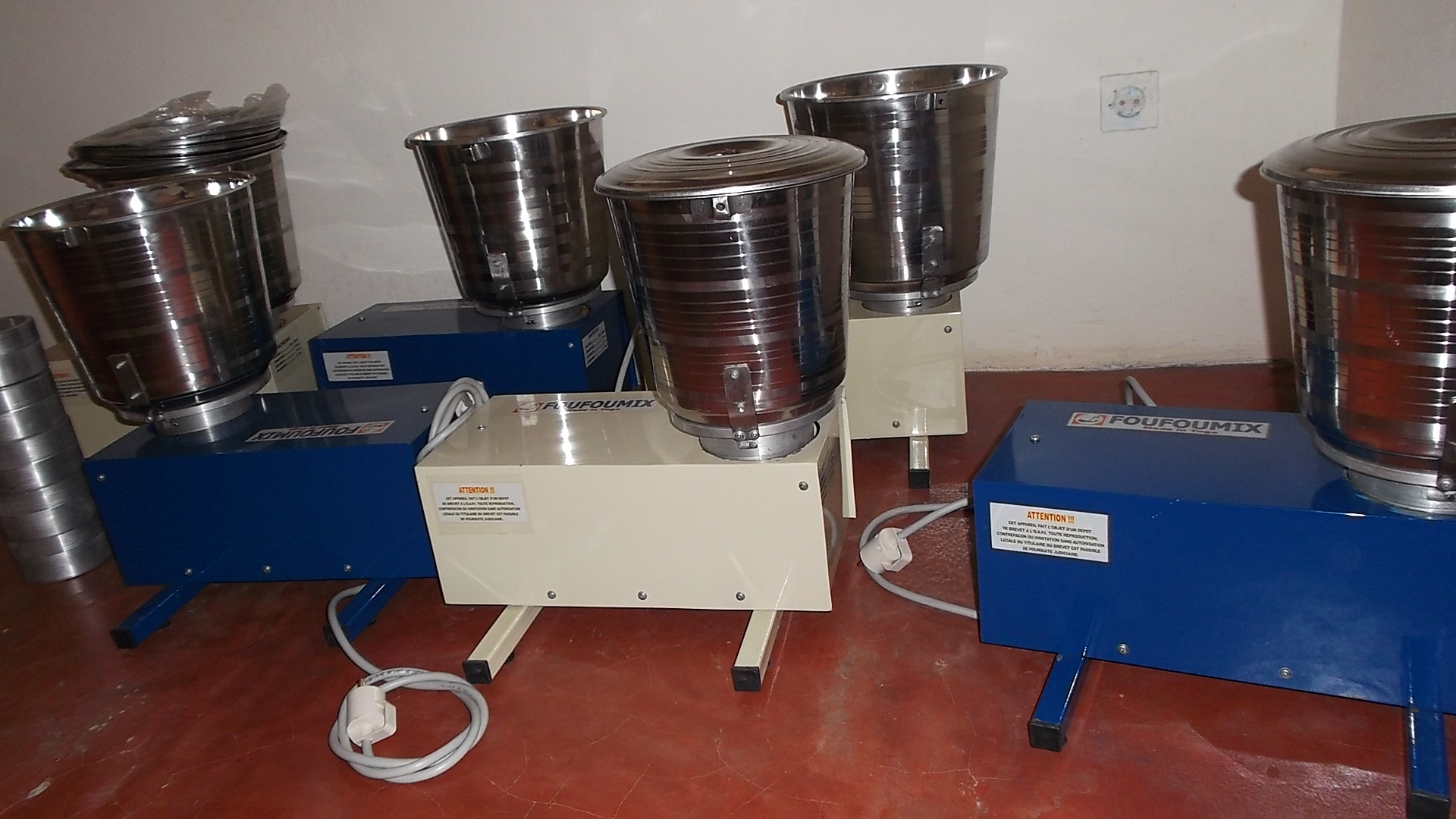
Foufoumix, invention of Togolese electronics engineer Logou Minsob helps obtaining foufou (African dish made from tubers) in 8 minutes. (Source: Africa Top Success)

As I have noted here, I have been reading New York Times archives since 1967 to understand on the fly what happened during the Biafra War [I acknowledge that anything reported in NYT was from the American perspective]. This entry dated Jan. 25, 1970 by Vance Boubjailly is simply moving.

“We saw small homemade oil refineries in the jungle, which the Biafrans had built themselves with an ingenuity very much like that we pride ourselves on having. We saw homemade rockets, launchers and land mines.”

Yes Nigeria, Nigerians have built working refineries before 1970. And those were researched, designed and constructed within two years, in the midst of a war. Simply, professors in UNN turned their labs into war equipment manufacturing units.

According to NYT, Biafra suffered severely when the first bomb landed at Nsukka, disrupting the work of those professors. With that, the technical team went and everything collapsed.

When UNN Was MIT of Africa on Inventions and Innovations

You will shed tears – no matter how strong you are. Nigeria has everything here and yet we are wasting in poverty. Did you know they created a vaccine – and which was later used in Kano to stop cholera, after the war? Prof Njoku Obi made one and WHO approved it!

To our young people, I do not know the books you read these days. But when I was growing up, I read about Nigerian inventors and makers. Mathematical Chike Obi was like a little god no one could see. Then, the day we met him – Prof Augustine Njoku-Obi; his son married from my clan. He may not sound a name. But he could have been the father of cholera vaccine in the world. He was the man that invented the cholera vaccine that stopped the Kano Cholera outbreak in 1972. The World Health Organization (WHO) approved the vaccine in 1971 and when the outbreak came in Kano, Nigeria deployed the vaccine. That was actually one of the finest moments of the post-war healing process – an easterner created a vaccine to save lives in Kano when few months ago they were killing themselves!

Belgium Ousts Huawei, Awards 5G Contract to Nokia

0
Most parts of the world have been pushing to cage Huwaei

Huawei has lost another market in Europe as Orange and Proximus picked Nokia for the building of a 5G network in Belgium.

The development underscores another win for the United States that has been pressuring its allies, especially in Europe to sever ties with the Chinese firm.

The Chinese telecom giant has been responsible for several telecom network infrastructures in Belgium, heightening the concern of the authorities that engaging it for 5G deployment could pose some security problem.

Huawei became a victim of political conflict between the United States and China, and the telecom giant is gradually losing its lead in global 5G roll out to Finland’s Nokia and Sweden’s Ericsson.

Washington had alleged that Huawei’s 5G network could be used by the Chinese government to spy on Western countries, an allegation the company has repeatedly denied. However, the US government has intensified pressure on its allies recently, to boot out Huawei or risk being cut off from its intelligence sharing.

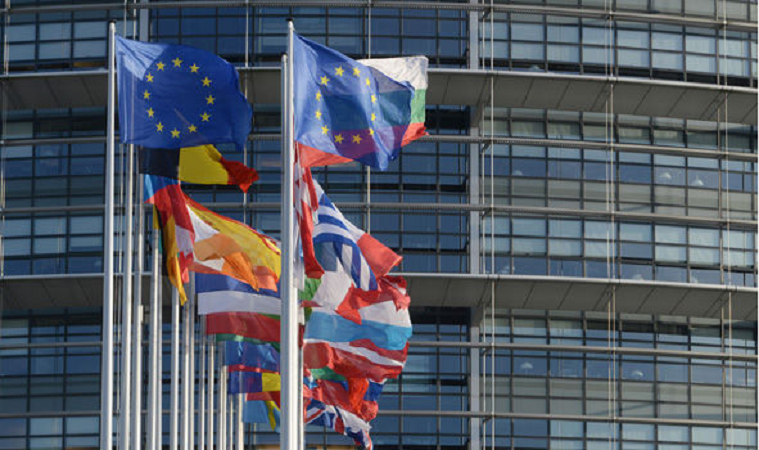
The Belgium capital Brussels is home to the European Union’s executive body and parliament, and therefore it is a center of interest to the US intelligence agencies.

“Belgium has been 100% reliant on Chinese vendors for its radio networks and people working at NATO and the EU were making mobile phone calls on these networks. The operators are sending a signal that it’s important to have access to safe networks,” said John Strand, an independent Danish telecom consultant.

Brussels’ importance to the European Union explains why it wasn’t difficult for Belgium to choose Nokia over Huawei. Other countries in Europe, including Germany are still contemplating their move on Huawei.

However, Huawei said on Friday that it accepted Orange and Proximus decisions as it portrays fair competition and diversification.

“This is the outcome of a tender organized by operators and the result of the free market. We embrace fair competition, the more diversified a supply chain the more competitive it becomes,” Huawei’s spokesman said.

The deal gives Nokia the chance to penetrate a market which has been dominated for 10 years by Huawei.

“I have tried to become RAN (radio access network) supplier to Orange Belgium since 2003 when the company was still Mobistar. Here we are, finally,” tweeted Tommi Uitto, president of Nokia Mobile Networks.

Orange and Primus said Ericsson would supply the core of their 5G networks, though it is an insignificant part of the deal.

The details of the contract were not made public but Nokia shares went up 3% following the announcement.

However, the deal signals that EU members are becoming more concerned about potential security risks Huawei will pose. With more countries in Europe getting uncomfortable with Beijing’s activities, including the persecution of Uighur Muslims and the annexation of Hong Kong, yielding to the US’ assertion on Huawei is becoming easier.

The UK’s decision to part ways with Huawei earlier has also set a trajectory that many other countries in Europe are likely going to toe.

Outside Europe, other countries are also weighing their choices amidst US pressure. Fueled by squabbles with China on many fronts, France and Canada were quick to part ways with Huawei, opening way for other companies, including Bell Canada, Telus Corp in Canada and BT in Britain to grab market shares.

As Huawei chances to lead 5G deployment wane in Europe and North America, hope lies for it in developing continents. But countries in Africa and South America are not ready for 5G roll out yet.

Sustainable Development Goals: 10 Facts to Change the World in the Next 10 Years of Action

0

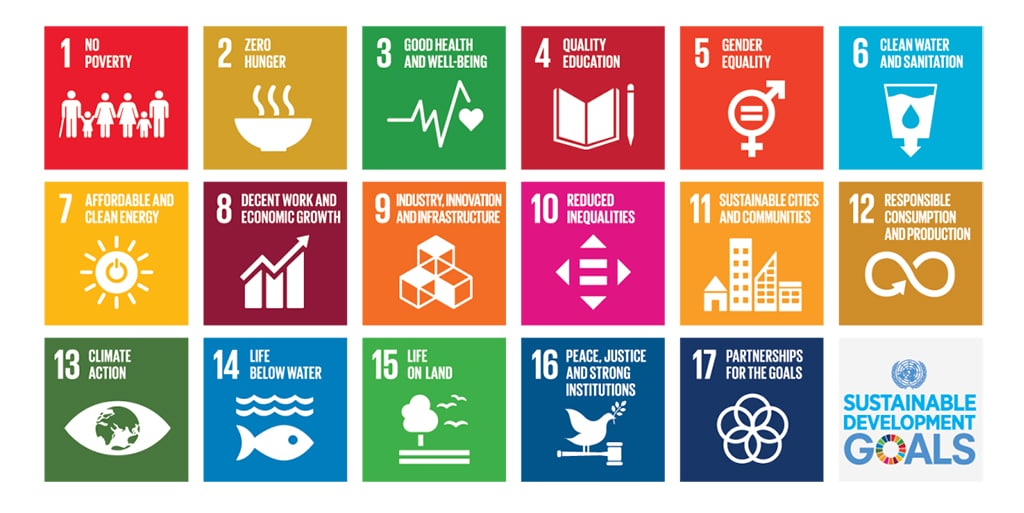
The global celebration of the 5th year of the introduction of the Sustainable Development Goals has come and gone. A number of activities were done to mark the day across the world. Perhaps, because of the impact of Coronavirus, the virtual space seemed to have dominated in terms of efforts to highlight the change the world needs as it faces a decade to bring about global development that leaves no one behind. With the theme Factivism, which translates to activism based on truthful information, different organisations put in creative efforts to ensure the significance of the day and the theme was not lost on the people. The theme was drawn from the experience of the world in the handling of the Coronavirus pandemic which not only hit the world with a deadly and contagious virus but also came with an attack on truth and truthful information. Thus, as the world battled the virus, it also combated the infodemic that accompanied it.

In highlighting the theme of Factivism, an organisation has highlighted ten critical areas which global leaders and SDGs advocates all over the world must pay attention to if the battle to put the globe on sustainable development  footing is to be achieved. Premised on the fact that making a change in the world requires accurate and up-to-date information, these 10 facts are germane in the next decade of action.

Fact 1  : The Planet is getting hotter

This a climate action fact. According to research. 615 million across the world suffer from water stress while 22 million people were displaced across the globe by extreme weather. The world needs to reduce its heavy use of water and reduce carbon footprint to address this problem plaguing the world.

Fact 2: Women are still underrepresented in governments globally

These facts speak to Goal 5. Facts have shown that men still constitute 75% of the members of the parliament globally. This statistics has shown that the world is still leaving women behind in political decision making around the world. The citizens of the world needs to show more sensitivity to women by voting gender equality champions, advocate equal pay, call out gender discrimination and demand for increased gender representation.

Fact 3: An insignificant number of the world holds the largest of the global wealth

This is a Goal 1 focus. It identifies rising inequality as nearly half of the world’s wealth is in the hands of 1% of its population. Chances of people to advance in life are continuously being determined by who they are or where they live. The world needs to support more vulnerable people in all ramifications.

Fact 4: 1 Million important plants and animal species are being lost in seconds

Available statistics show that the world loses one football pitch of tropical primary rainforest while one million plant and animal species remain at risk of extinction. This is a threat to life on land, the goal 15.  Global citizens have to eat more sustainably, plant a tree and reduce intake of meat and use of paper.

Fact 5: The population of homeless and displaced people population is rising

The aim of Goal 16 which focuses on peace, justice and strong institutions is threatened as thousands of people flee their homes on a daily basis with impact on the education of children and livelihoods of families. Statistics indicate that 80 million people were forcibly displaced  in 2019 by war, conflict, persecution and violence.

Fact 6:  COVID 19 has exacerbated existing global learning crisis

No one who witnessed the Coronavirus pandemic could deny the devastating effect of the health crisis. Put that in number, statistics has stated that not less than 1 billion of the world’s students have had their education disrupted across the world magnifying the existing inequalities and worsening the earth’s learning crisis. This affects Goal 4 of quality and affordable education.

Fact 7:  Almost two third of the world’s population is breathing polluted air

The Goal 11 of sustainable cities and communities is threatened as almost 2/3 of the world’s population breathes polluted air. The world needs to go more green and reduce carbon footprints to ensure the air it breathes is safe

Fact 8: 84 Million people in Sub-Saharan Africa cannot access essential healthcare

Healthcare access is another victim of the pandemic. It has disrupted health services. As at now, 84 million people in Sub-Saharan Africa cannot access essential healthcare. This has put lives at risk. The world needs to demand more medical care, vaccinations and individuals must keep themselves safe.

Fact 9: Close to 1 billion people do not have enough to eat

Close to a triple of the population of the United States does not have enough to eat across the globe. Almost 1 billion of the world’s population is starving! Individuals must support the World Food Programme and help fight hunger. To attain the Goal 2 of the SDGs, efforts must be coordinated to fight hunger.

Fact 10: Almost half of the world’s population has no access to the internet

Fewer than 1 in 5 people in the least developed countries are connected to the internet. This greatly impacts on the Goal 9 of industry, innovation and infrastructure. Individual citizens must be an advocate of technology for all.

The Generator Boy – Inventors of Nigeria

0

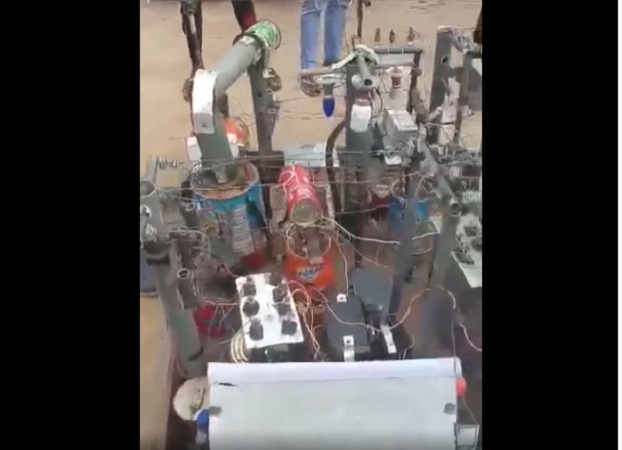
That is Genco (for generating electricity), transco (for transmission of electricity) and disco (for distributing electricity).  The young man built the power plant, created the transmission lines and opened it for people to come and charge their phones, etc. Like I tell people, there is nothing new in Nigeria. The news now is that in the Southeast Nigeria, people are creating alternate frequencies (yes, illegal) and government in the 2021 budget will spend close to N654 million to track those frequencies.

The Nigerian government has approved over N650 million (N653,886,584) for the purchase of hi-tech equipment to monitor frequencies in the country, especially in the Southeastern part.

This was disclosed by the communication minister, Isa Pantami, at the end of Wednesday’s Federal Executive Council meeting presided by President Muhammadu Buhari.

“The Ministry of Communications and Digital Economy, sort the approval of council for deploying hybrid spectrum monitoring system, most importantly to focus on the south eastern zone of the country,” he said.

“From January to August 2020, within the period of eight months, we discovered 320 frequencies being used all over the country and of this 320, one hundred and six were illegal.”

I am looking for a leader who can help harness the immense talent of young people in Nigeria. I tasted this many years ago in FUTO when my Vice Chancellor summoned me that the campus radio station we had designed to serve the university community had been banned by Sani Abacha, and that it must be stopped. We complied!

Look at this video…and tell me why General Electric (GE) would not wish this boy was born in America! Solomon Ukoha is the inventor. He is from Abia state