DD
MM
YYYY

PAGES

DD
MM
YYYY

spot_img

PAGES

Home Blog Page 6107

A Sales Secret all Entrepreneurs Should Know

0

What I will be revealing to you in this article can be the only reason why your business will not fail.

Who you know will determine where you will go. Let me put it in a better way, who you know will determine who knows you, and who knows you will determine who can speak for you.

I have observed one of my respected mentors (Strive Masiyiwa) closely, based on what he does and his capacity to execute. I closely observed to make a discovery, and to implement what I will be learning.

During the covid-19, he made an announcement that made me come to a conclusion on my observation.

He mobilized teams and resources to launch some amazing innovations to tackle the pandemic and one among them is the Africa Medical Supply Platform (AMSP). A marketplace for medical equipment, especially needed for the Covid -19 medical operations.

I learnt that he leverages on talented people and people with diverse resources. Hence, his rate of success has been very high.

I shall be sharing that strategy with you. This secret will determine the success of other things, but most importantly your sales growth.

Before I proceed, I have started implementing it and it has been very productive.

The Differentiating Sales Secret

I will share with you the strategy and the tool to start implementing it right away. I hope you are very attentive. Yes, you are.

  • The Networking Strategy.

Networking is making connections with other people of similar interest and pursuits. Networking strategy is making intentional connections in such a way that it will be beneficial to you and your business.

That opportunity you need is what certain people. The answer to your sales problem is people. The answer to your progress in life is the people. But, not everybody, people that have what you need.

When you connect with these people, your chances of getting what you want from them will be high.

For instance, I run a digital/software development start-up (Codecitty) and I am a Copywriter. The people that I need to network with in order to have high chances of sales are business people.

They have the need and they know people that need digital services. So they can easily recommend me.

Well, that is one of the many benefits of networking strategy. I like you to think for a moment on this question: who can I connect with that needs my product?

How to Implement The Strategy

I want this message to be a complete insight, that can guide you to start taking actions, right away. So, I will show you the one tool you need to start networking.

  •  The Internet Tool.

As a digital entrepreneur, all the people I know today, I knew them first on the internet before physical meeting.

A good example is my co-founder, we got connected on the internet through a friend I also found online. The founder of Lyft found each other online too, as 3S Rules explained.

From there we discussed certain things and we went on to start a business together.

That is how networking strategy can be beneficial, if you can only maximize it.

You have the internet available to you. There are billions of people using social media platforms  such as WatsApp, Facebook etc. daily. Leverage on the internet for your advantage.

You have an internet engine on your hand. The smartphone can change your life in amazing ways, as I explained in this article. Use your smartphone to explore the internet with the singular purpose of  networking.

 How do you do that? By reaching out to people online.

 I will stop here and continue in my next publication. But, before I draw the curtain, I want you to summarize what you have learnt and start implementing it today.
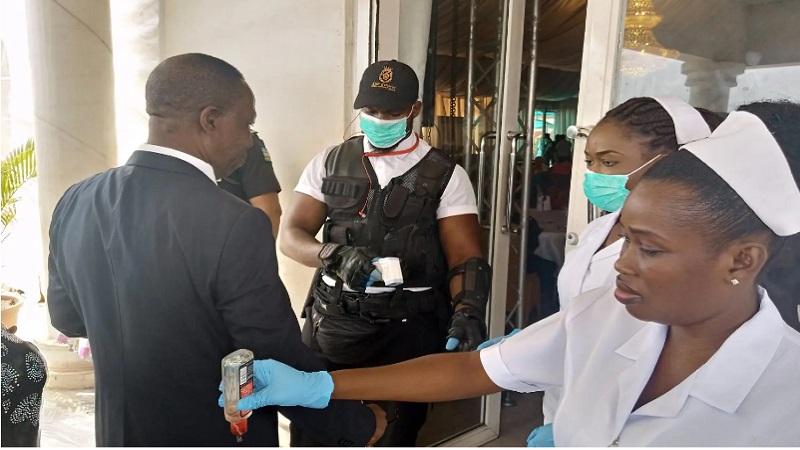
China Joins WHO’s COVID-19 Project, But Funding Challenge Remains

0

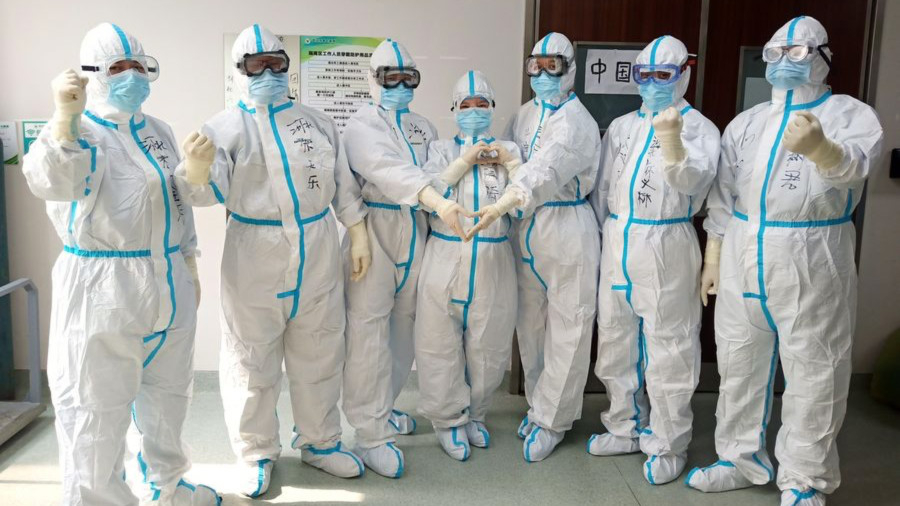
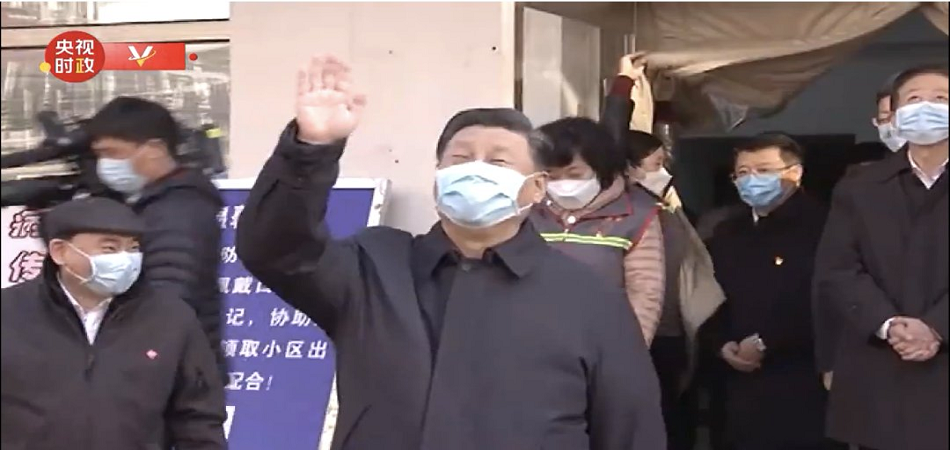
China has signed an agreement to join the World Health Organization-led COVAX facility, a vaccine project that the United Nation’s health body and several other countries are working on to ensure poorer countries have access to COVID-19 vaccine as soon as it is available.

China was reluctant to support the project, toeing the path of Russia and the United States. However, China’s decision to sign the agreement means a boost to COVAX as it is the biggest economy to grace the project so far.

Hua Chunying, Chinese Foreign ministry spokeswoman said in a statement posted on Twitter that the decision was “an important step to uphold the concept of a shared community of health for all and to honor its commitment to turn COVID-19 vaccines into a global good.”

How poor countries would access COVID-19 vaccine became a serious question in the Wake of the world’s push for a vaccine and the US government’s preorder of about 1.6 billion vaccines.

To curtail the fear about poor nations lacking access to the vaccines, the WHO started the Global Access Facility (COVAX) in collaboration with the Coalition for Epidemic Preparedness Innovations (CEPI), GAVI and the Vaccine Alliance. The aim is to deliver some two billion doses of vaccine around the world by the end of 2021.

Considering the financial resources required, the WHO is wooing rich nations to join the project. Teaming up with 92 low and middle-income economies means there will be enough funds for the project.

COVAX’ goal is to produce at least three safe and effective vaccines that will be made available to all parties in the scheme.

However, some of the rich countries expected to grace the project, including the United States and Russia are working on their own vaccines. Russia has already developed the Sputnik, a vaccine it released in early September and is planning to distribute to some poor nations. While on the other hand, the US president is acting on his “America first” mantra, which means the US government will focus on the American when the vaccine becomes available.

The Chinese government has been testing experimental vaccines made by some companies on hundreds of people in China, as they get to the final phase of their clinical trials.

Against this backdrop, WHO’s invitation to rich nations to support COVAX has been unanswered by the rich economies.

The UN Secretary-General Antonio Guterres, earlier this month, reiterated his call for additional $15 billion funding for the project by the end of the year.

COVAX is like Noah’s ark that will save the world from the deluge of COVID-19, but that pretty much depends on meeting the funding target: The reason why the WHO wants everybody on board.

“The race for vaccines is a collaboration, not a contest,” said WHO Director General Tedros Adhanom Ghebreyesus. “This is not charity. We sink or swim together.”

The WHO is working to meet a late 2021 target for the distribution of the vaccines, spurring the push for countries to sign up. So far, more than 150 countries, which represent 64 percent of the world, have signed up on the COVAX project. But out of the 150 countries, only 64 are higher income countries.

China signing the agreement becomes imperative as it is seen to fill the leadership gap left by the United States. The White House said this month that the US would not join, partly because it has secured vaccines for itself and because of its fallout with the WHO, who Trump is not willing to work with for now.

The game changer pointed out by Washington Post would be if the vaccines the US and the rest of rich economies are counting on fail to be viable. It may force them and other indecisive countries to embrace COVAX.

But while it is encouraging to see China signed up, as it would more likely inspire other countries to do the same, challenges remain. The World Health Organization still falls far short of its overall goal with COVAX, particularly funding, which has been hampered by the economic strains of coronavirus and the US’ decision to stop funding the WHO.

Misrepresentation of Women in the Police Force: The Major Cause of Police Brutality

0
Nigeria police continues to struggle to maintain peace

The Igbos will say that “ife onye na-acho n’uko elu di n’uko ala”, meaning that what you struggle to get from afar is actually easier to achieve because it is within your reach. Sometimes the solutions to our problems are right there before us but we fail to see them because, deep down our minds, we believe the problems are too enormous to be easily solved. As a result, we struggle through thick and thin as we seek solutions. This is exactly what is happening today as Nigerians cry for the end of SARS.

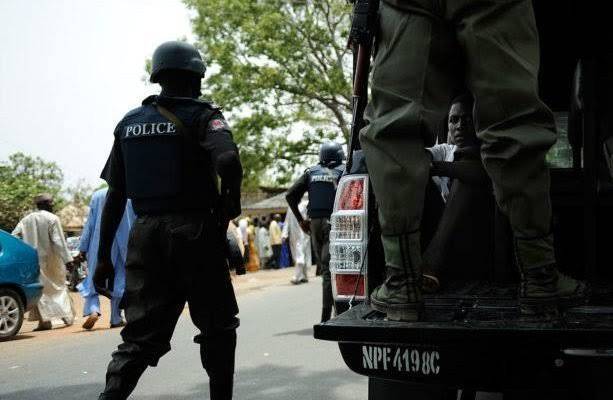
For some days now, Nigerians, especially the youths, have been protesting against the brutality of the special police taskforce known as SARS. The protesters no longer called for the reformation of SARS but demanded that the operation should be shut down entirely. This call may put the government in a dilemma considering that SARS still solves a major security problem in the country. Scraping it off will expose everyone, including the protesters, to the more intense attacks from armed robbers, kidnappers, fraudsters and what have you. Truth is that SARS officials have been brutal in their ways of handling suspects and have been accused of several extrajudicial killings. Their excesses are actually getting out of hand.

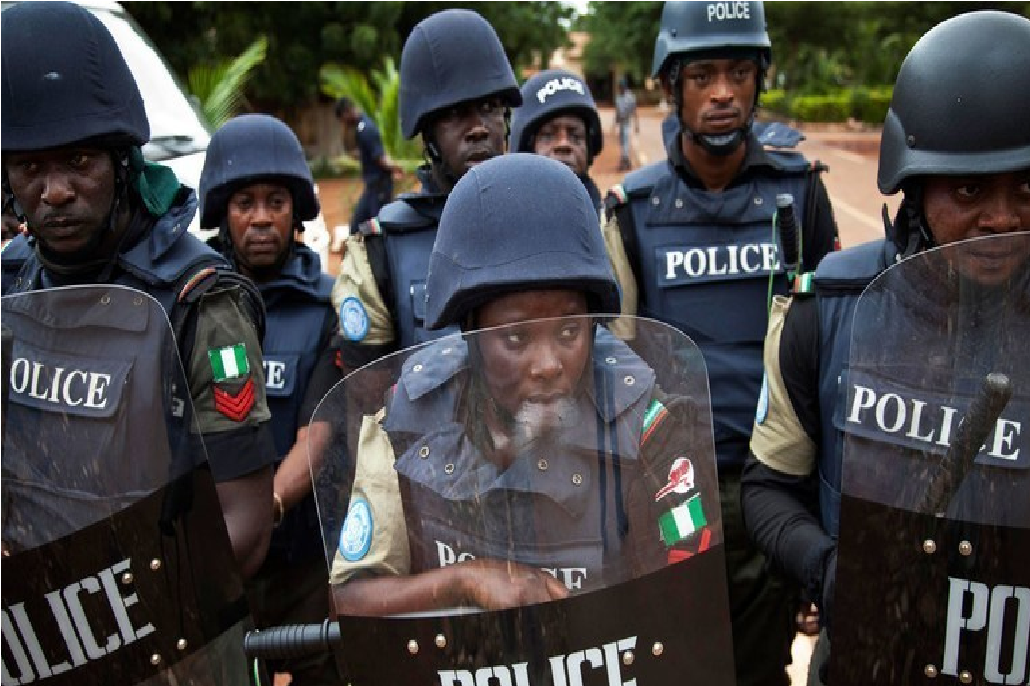
But, have you noticed that there is something extraordinary about these SARS officials? Apart from knowing them through their physical qualities, have you noticed that they are all members of a gender? I stand to be corrected anyway, but if you take time to study these SARS officers, and even the mobile police officers (MOPOL), you will agree with me that they are all male officers.

I am not trying to cry foul for the discrimination in recruitment of female officers neither am I trying to bring feminism into the discourse. Rather, I am trying to state the fact that the reason behind the excesses of our police these days is because there are few policewomen to tune down the extravagance of their male counterparts.

Several researches have shown that female police officers are less likely to use violence in their line of duty than their male counterparts. In fact, it has been discovered that female officers avoid any duty, such as arrests, that will become aggressive because it is a major stressor for them. Somehow, female officers have the ability to bring down tensions and prevent violence. Somehow, they have been able to do their jobs without hitting or killing suspects. Somehow, there has been no news of female officers “mistakenly” shooting a person down. I don’t even know if I have seen a female officer with a gun. But then, female officers are not MOPOL or SARS officers; so they actually have no business with guns.

Apart from working without aggression, female police officers also do better jobs at handling rapists and wife-beaters. They are known for protecting women and children better than their male counterparts. A lot of women that were rescued from their abusive homes owe their gratitude to female officers. But we have a lesser number of female officers because of hindrances put in place by the recruitment processes.

Among the things that discourage and disqualify women from joining the police is the physical tests conducted during the recruitment process. The type of physical test applicants are put through in order to ascertain their strengths is enough to discourage any woman from applying for the job. Those that did are likely going to fail because those physical tests were designed for masculine gender.

Other attributes such as minimum physical size required for policing, may prevent many women from joining the force. For instance, the Nigeria Police Force (NPF) requires that women in the force should not be shorter than 1.64m (5.5 feet); meanwhile we know that many women in Nigeria are not up to that height. A requirement such as this will deny people that have the zeal the opportunity of joining NPF. Trust me, a little bend in the figure will flood in women into the force. However, it is uncertain if this requirement was actually placed there to reduce the number of women in NPF.

But the main problem here is that the absence of women in special forces in Nigeria is having a negative impact on policing. There will be nothing out of place if we start seeing women as MOPOL and SARS. The women in paramilitary, such as Nigeria Security and Civil Defence Corps and Nigeria Federal Road Safety Commission, are doing well. They do not engage in excesses their male counterparts do, even though they face the challenge of people undermining their authorities. But then, women in uniform rarely brutalise citizens. Their presence always ensures that their male partners do not get out hand. They have been known to stop attempts to collect bribes or manhandle citizens. So, why won’t they be allowed fully into the police system? Or is there something else we needed to know?

Nigeria’s Latent Inventing Opportunities – Looking Back at Biafra

0
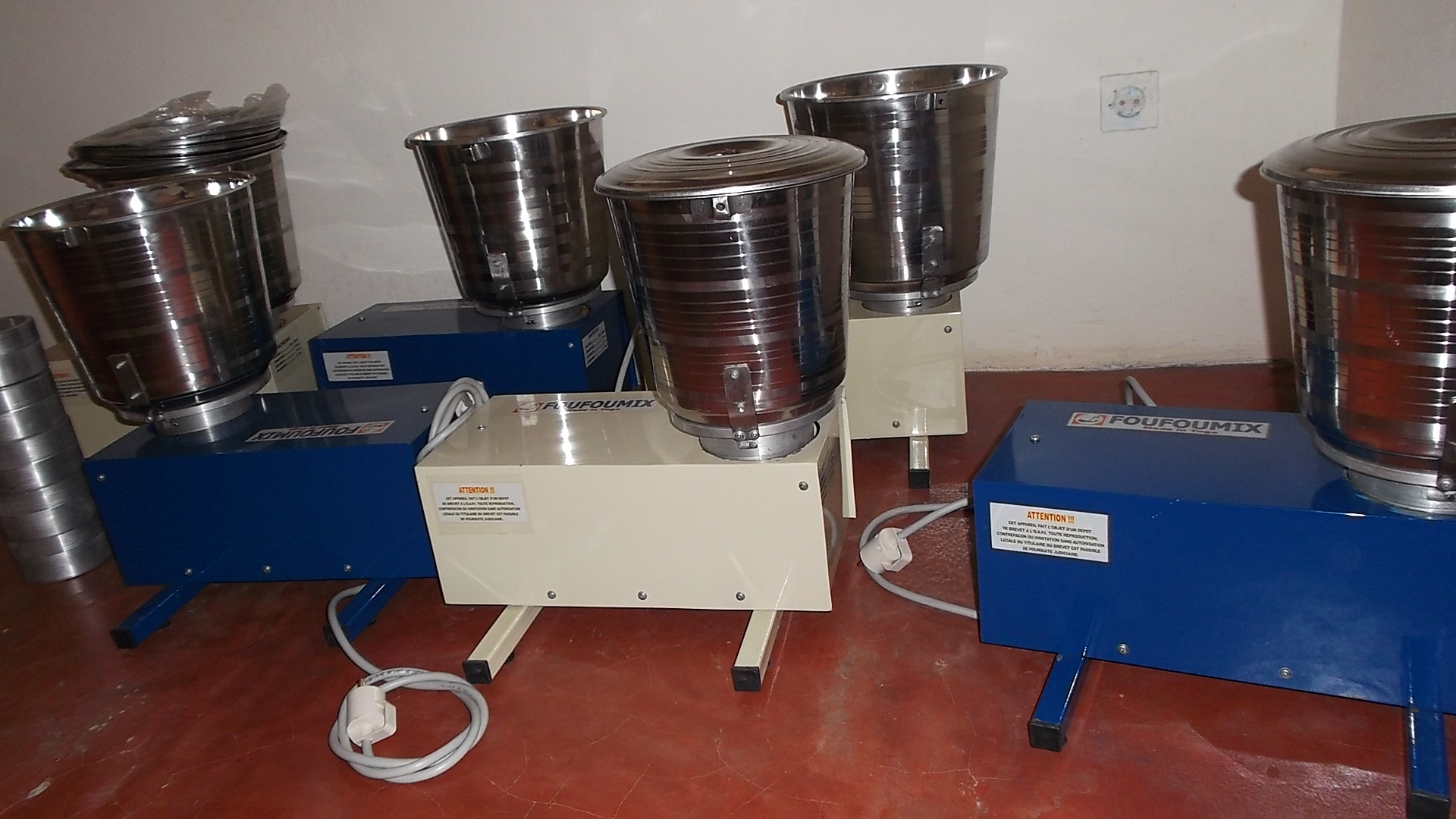
Foufoumix, invention of Togolese electronics engineer Logou Minsob helps obtaining foufou (African dish made from tubers) in 8 minutes. (Source: Africa Top Success)

As I have noted here, I have been reading New York Times archives since 1967 to understand on the fly what happened during the Biafra War [I acknowledge that anything reported in NYT was from the American perspective]. This entry dated Jan. 25, 1970 by Vance Boubjailly is simply moving.

“We saw small homemade oil refineries in the jungle, which the Biafrans had built themselves with an ingenuity very much like that we pride ourselves on having. We saw homemade rockets, launchers and land mines.”

Yes Nigeria, Nigerians have built working refineries before 1970. And those were researched, designed and constructed within two years, in the midst of a war. Simply, professors in UNN turned their labs into war equipment manufacturing units.

According to NYT, Biafra suffered severely when the first bomb landed at Nsukka, disrupting the work of those professors. With that, the technical team went and everything collapsed.

When UNN Was MIT of Africa on Inventions and Innovations

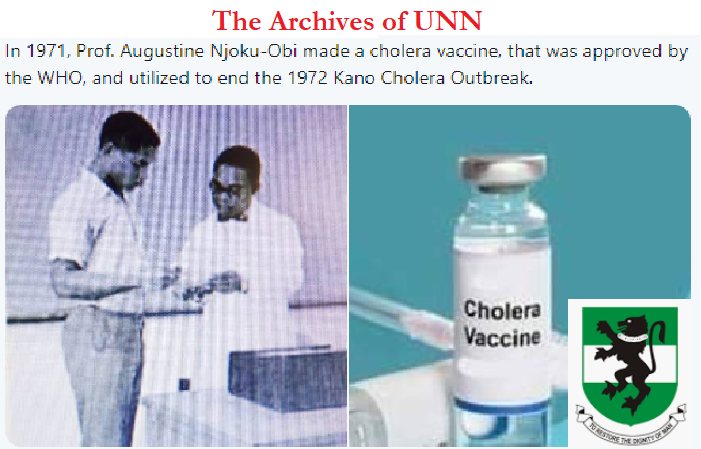
You will shed tears – no matter how strong you are. Nigeria has everything here and yet we are wasting in poverty. Did you know they created a vaccine – and which was later used in Kano to stop cholera, after the war? Prof Njoku Obi made one and WHO approved it!

To our young people, I do not know the books you read these days. But when I was growing up, I read about Nigerian inventors and makers. Mathematical Chike Obi was like a little god no one could see. Then, the day we met him – Prof Augustine Njoku-Obi; his son married from my clan. He may not sound a name. But he could have been the father of cholera vaccine in the world. He was the man that invented the cholera vaccine that stopped the Kano Cholera outbreak in 1972. The World Health Organization (WHO) approved the vaccine in 1971 and when the outbreak came in Kano, Nigeria deployed the vaccine. That was actually one of the finest moments of the post-war healing process – an easterner created a vaccine to save lives in Kano when few months ago they were killing themselves!

Belgium Ousts Huawei, Awards 5G Contract to Nokia

0
Most parts of the world have been pushing to cage Huwaei

Huawei has lost another market in Europe as Orange and Proximus picked Nokia for the building of a 5G network in Belgium.

The development underscores another win for the United States that has been pressuring its allies, especially in Europe to sever ties with the Chinese firm.

The Chinese telecom giant has been responsible for several telecom network infrastructures in Belgium, heightening the concern of the authorities that engaging it for 5G deployment could pose some security problem.

Huawei became a victim of political conflict between the United States and China, and the telecom giant is gradually losing its lead in global 5G roll out to Finland’s Nokia and Sweden’s Ericsson.

Washington had alleged that Huawei’s 5G network could be used by the Chinese government to spy on Western countries, an allegation the company has repeatedly denied. However, the US government has intensified pressure on its allies recently, to boot out Huawei or risk being cut off from its intelligence sharing.

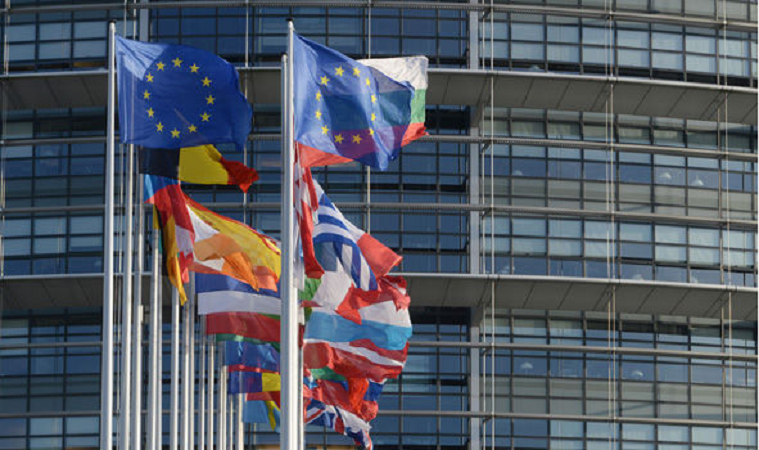
The Belgium capital Brussels is home to the European Union’s executive body and parliament, and therefore it is a center of interest to the US intelligence agencies.

“Belgium has been 100% reliant on Chinese vendors for its radio networks and people working at NATO and the EU were making mobile phone calls on these networks. The operators are sending a signal that it’s important to have access to safe networks,” said John Strand, an independent Danish telecom consultant.

Brussels’ importance to the European Union explains why it wasn’t difficult for Belgium to choose Nokia over Huawei. Other countries in Europe, including Germany are still contemplating their move on Huawei.

However, Huawei said on Friday that it accepted Orange and Proximus decisions as it portrays fair competition and diversification.

“This is the outcome of a tender organized by operators and the result of the free market. We embrace fair competition, the more diversified a supply chain the more competitive it becomes,” Huawei’s spokesman said.

The deal gives Nokia the chance to penetrate a market which has been dominated for 10 years by Huawei.

“I have tried to become RAN (radio access network) supplier to Orange Belgium since 2003 when the company was still Mobistar. Here we are, finally,” tweeted Tommi Uitto, president of Nokia Mobile Networks.

Orange and Primus said Ericsson would supply the core of their 5G networks, though it is an insignificant part of the deal.

The details of the contract were not made public but Nokia shares went up 3% following the announcement.

However, the deal signals that EU members are becoming more concerned about potential security risks Huawei will pose. With more countries in Europe getting uncomfortable with Beijing’s activities, including the persecution of Uighur Muslims and the annexation of Hong Kong, yielding to the US’ assertion on Huawei is becoming easier.

The UK’s decision to part ways with Huawei earlier has also set a trajectory that many other countries in Europe are likely going to toe.

Outside Europe, other countries are also weighing their choices amidst US pressure. Fueled by squabbles with China on many fronts, France and Canada were quick to part ways with Huawei, opening way for other companies, including Bell Canada, Telus Corp in Canada and BT in Britain to grab market shares.

As Huawei chances to lead 5G deployment wane in Europe and North America, hope lies for it in developing continents. But countries in Africa and South America are not ready for 5G roll out yet.