DD
MM
YYYY

PAGES

DD
MM
YYYY

spot_img

PAGES

Home Blog Page 6125

HealthPlus Warring Factions Should Enter Arbitration Before Value Gets Destroyed

6

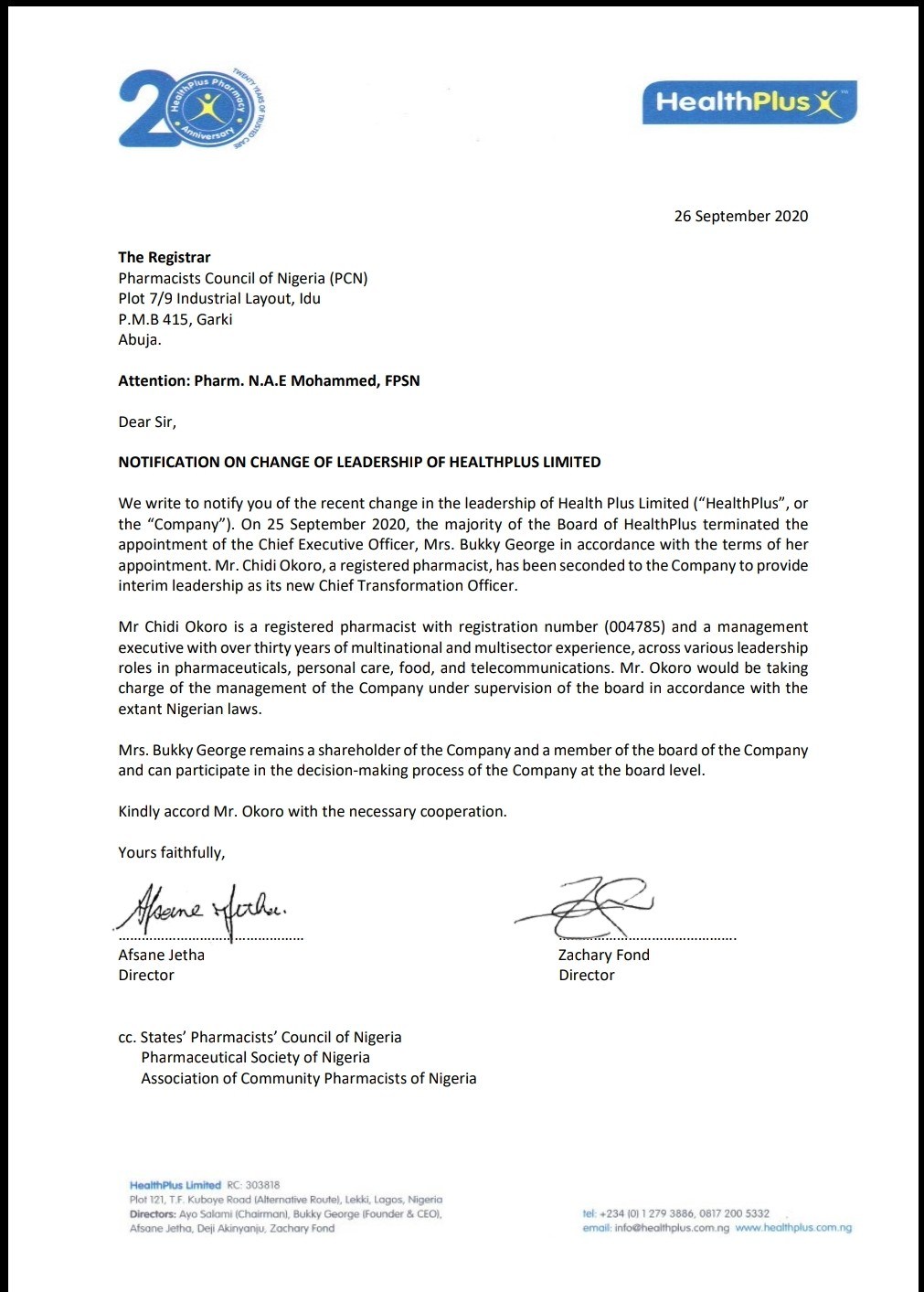
A private equity firm which supposedly invested $18 million in Healthplus, the pharmacy chain in Nigeria, claimed the management of Healthplus is not executing as desired. Healthplus Management disputes that assertion, maintaining it was an excuse to do something horrible to the firm. As that happens, litigation is flaring up. The PE, Alta Semper Capital, has “changed” the CEO of the company, and claiming to be the majority shareholder, plans to take control of the company operations.

It is a total mess, and I mean a big mess, after a supposedly $18 million investment. This does not look good at all. Someone needs to call Bukky George and the Private Equity (PE) firm that they need not do this on the media before partners panic, pull supplies and destroy this company.

From the PE, Alta Semper Capital LLP:

The Board has been exploring the optimal way to grow the business for some time, in collaboration with Mrs. George. Unfortunately, we have been unable to reach an agreement, which has hindered the operations of the Company and delayed the implementation of its growth plans. With the onset of the COVID pandemic, the rapid acceleration of the digital economy and the increased relevance of the healthcare sector as a whole, it has become urgent to ensure the Company is optimally positioned to grow and able to take advantage of new and emerging opportunities. As a result, we have taken the strategic decision to change our leadership.

The Healthplus responds:

“We wish to inform the general public, the Pharmacists Council of Nigeria, our staff, loyal customers, vendors, landlords, bankers and all stakeholders that the press release was not authorised by the Company or anybody acting on its behalf. And that the announcement of the appointment of a CTO is wholly false, wrongful and illegal and should be totally ignored.

It is the handiwork of unscrupulous foreign and local businesswomen and businessmen intent on reaping where they have not sown simply because they now see opportunities from the COVID-19 pandemic, like scavengers and vultures,” HealthPlus Management

This update claims the PE is the majority shareholder. If that is so, it changes everything. Yet, they need to explore how arbitration can help resolve their differences as they are destroying value doing this on air.

Alta Semper Capital, which controls the majority shareholding in HealthPlus, the Nigerian headquartered leading West African pharmaceutical chain, is planning to inject fresh funds into the business, it has been confirmed.

Information about this plan is coming amid the announcement of the appointment by secondment of Chidi Okoro as HealthPlus’s Chief Transformation Officer with a mandate to “optimize day-to-day management and elevate the business to novel scale and profitability,” the company said in a statement it issued through its media consultants.
The Upcoming TStv Pay Per View vs MultiChoice (DSTv, GOtv); Glo vs MTN Duel

0
TSTV Nigeria

TStv is going to do that thing many Nigerians have been asking for: pay per view in the satellite TV space. For years, the industry leader, DStv, has refused to listen and make it happen. So, the news that the National Broadcasting Commission (NBC) has promised to support TStv as it launches a par per view service on October 1 will make many people happy.

The Acting Director-General of NBC, Armstrong Idachaba, made the promise on Monday in Abuja when the management team of TStv paid him an official visit to inform him of the company‘s readiness to commence full operation across the country on October 1.

Mr Idachaba said: “We promise on our side that we will continue to support you.

“At this time, I think that the major issue confronting the PayTv sector is the area of giving Nigerians option of deregulating purchasing capacity in terms of pay as you go concept.

“We welcome that option and wish that it serves as stimulant and as progressive index for other PayTv operators to adopt.

“Some of them have come up with a lot of excuses why pay per view is difficult and why it is not doable.

“We want you to be the galvaniser to prove the naysayers wrong that this is doable in the interest of Nigerians.

“Once you begin and you make a success of it through increased subscription base, we are sure that others will be drawn into it as it happened in the telecommunication sector.”

Yet, pay per view will not fix the lack of the religion of European football on any operator. Yes, pay per view is one thing but having the right content is another thing. Glo was a great threat to MTN when it launched per second billing because it matched MTN’s offering very well. 

Without European football, the true value of this pay per view may be limited. But before I forget, one company has been giving sub-licenses to some operators in Nigeria; Integral is making it possible for Silverbird to broadcast one Premiership game every week. So, if TStv can get some of those rights, its playbook might open for a flank attack on the MultiChoice empire.

It came from nowhere: market forces are working, not sub-par regulations. Yes, Silverbird Television has signed on to broadcast selected live English Premier League matches over the course of the 2020 – 2021 season. This deal was agreed with Integral, the current free-to-air rights holder for the Premier League matches in Nigeria. Sure, it is just one match per week. But that is an innovator dilemma’s moment for DStv and GOtv. If Integral drops one more for NTA, then you have two matches per week. Then, give AIT one, you have three matches, and just like that, equilibrium is attained and katakata will bust for DStv.

Expect a redesign in the sector: once TStv does it and shows traction, DStv will go all out. The problem is if people will even notice that TStv is offering that value when we are not sure it has paid Ronaldo and Messi enough money, for Nigerians to see them kick round leathers around.

Nigeria Dribbles MultiChoice (DStv, GOtv) As SilverbirdTV Picks To Broadcast English Premiership

Bolt Unbolts Enugu Traffic with Keke

0

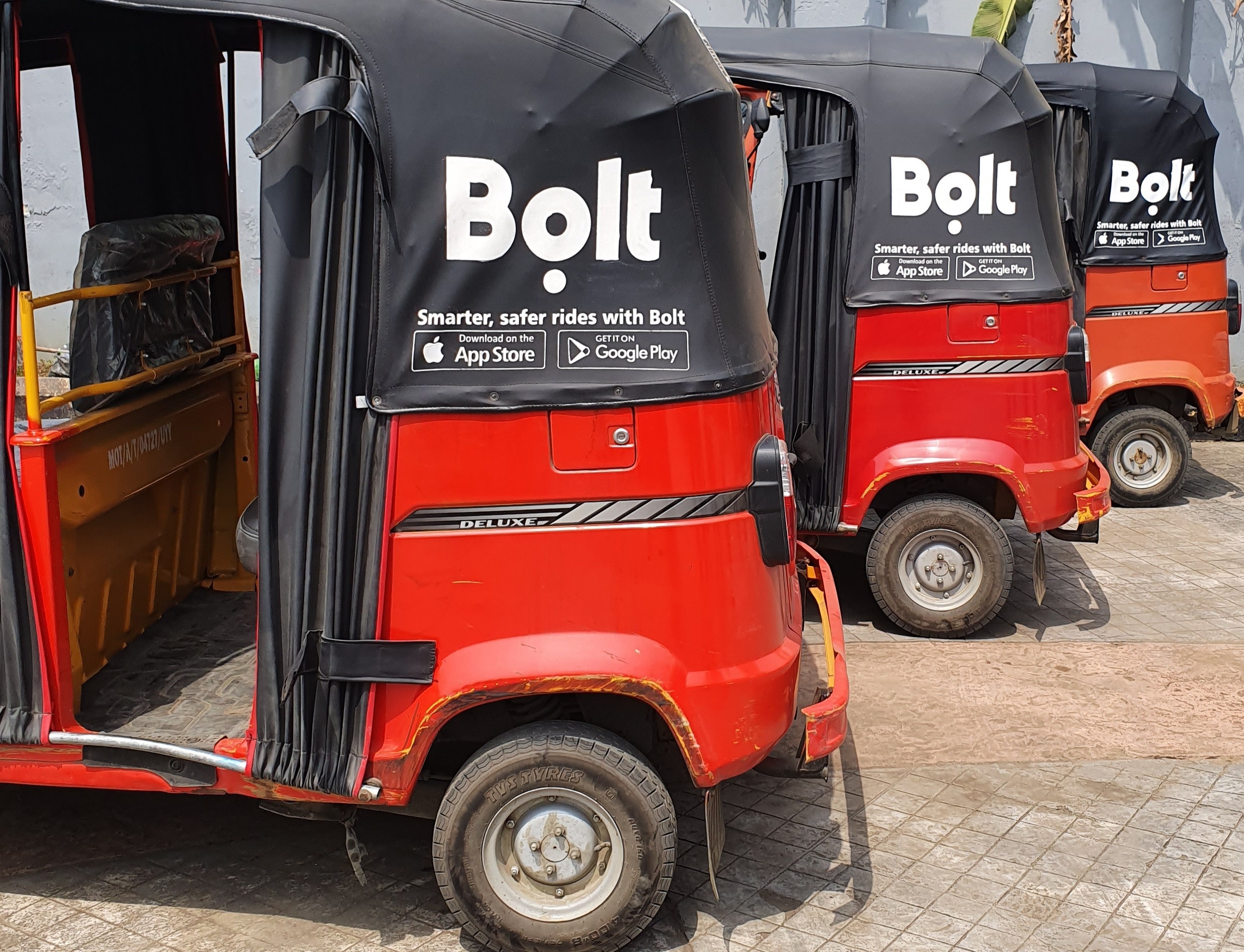
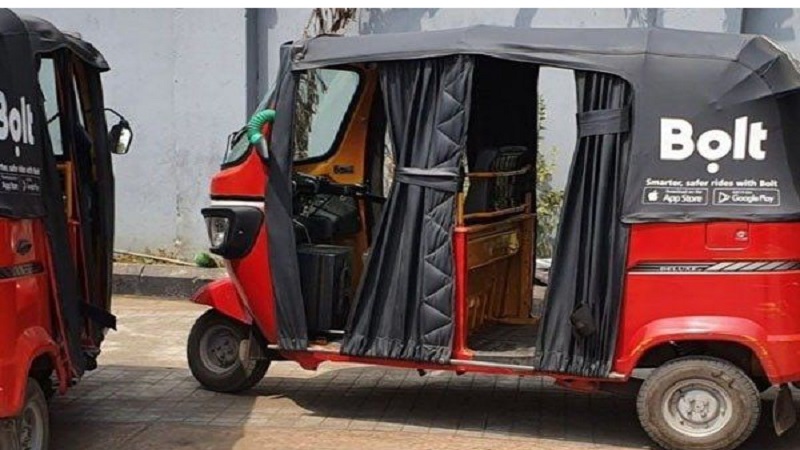
Bolt has launched a tricycle (Keke) operation in Enugu, Samuel Nwite reports. Generally, the unit economics of keke service is challenging in Nigeria. And expecting people to use an app to summon keke when many are passing them every 60 seconds calls for a total shift in consumer behavior. Why do I need an app to call a product whose supply is largely above optimum level, when benchmarked with demand, at the equilibrium point? I have always reasoned that the keke service is not premium enough for the utility element of the app economy to power it in Nigeria. Yes, many who ride keke do not use apps that much.

Bolt has launched tricycle (Keke) operation in Enugu, months after it launched its first in Uyo, Akwa Ibom State. Bolt’s introduction of keke to its operation is part of its expansion strategy to other cities in Nigeria apart from Lagos, Benin and Abuja.

Keke is a popular means of transportation in Enugu, and Bolt, having learned the tricks with its pilot operation in Uyo, walked into the market with cheap ride offers that will endear riders.

[…]

The welfare of drivers has always been a bone of contention, especially their earnings, but the ride-hailing company told Tekedia that the drivers have bonus packages designed to increase their earnings.

“Drivers also stand a chance to take advantage of the estimated earnings of N18,000 per week. In addition, a bonus of N1,000 for the first five trips and 15% bonus per trip until a communicated time,” Bolt said.

Yet, Bolt could do something which makes sense: buy many kekes and give them via a hire purchase model to drivers. The drivers will return a certain amount of money daily, weekly or monthly, and the use of apps should not be a requirement in the ecosystem.

We will be watching how Bolt will capture value in the market by collecting N150, N200, etc transport fares. I had expected a double play here which can be used to capture value in the keke business. (OPay used the paytech unit to capture value on the keke business before it gave up).

Bolt Launches Tricycle (Keke) Service in Enugu

1

Bolt has launched a tricycle (Keke) operation in Enugu, months after it launched its first in Uyo, Akwa Ibom State. Bolt’s introduction of keke to its operation is part of its expansion strategy to other cities in Nigeria apart from Lagos, Benin and Abuja.

Keke is a popular means of transportation in Enugu, and Bolt, having learned the tricks with its pilot operation in Uyo, walked into the market with cheap ride offers that will endear riders.

Bolt offers a minimum fare of N150 for trips, alongside a launch discount designed to attract riders. The company said riders can use the first rider discount code, BOLTENUGUKEKE (NGN 500 off your first trip) to enjoy as much as 15% discount until a particular time.

The welfare of drivers has always been a bone of contention, especially their earnings, but the ride-hailing company told Tekedia that the drivers have bonus packages designed to increase their earnings.

“Drivers also stand a chance to take advantage of the estimated earnings of N18,000 per week. In addition, a bonus of N1,000 for the first five trips and 15% bonus per trip until a communicated time,” Bolt said.

The ride-hailing ecosystem took a hit following the outbreak of the coronavirus which restricted people’s movement around the world. The ride-hailing companies strategized to survive. Uber, DoorDash and Lyft focused more on food delivery, while in Nigeria; Bolt is using alternate means of transportation – tricycle and ride-fare slash.

The tricycle operation follows the app-based booking model that is functional in car-based rides. However, the keke model will face stiff competition as private keke operators offer cheaper ride rates, though they use the traditional model.

In 2019, the Opera group introduced OTrike, a keke-based ride-hailing transport in Enugu. The introduction of this service came with an enticement of N100 per a trip for two months from its launch, no matter where in the town a rider was going. There were other incentives too, but OTrike didn’t survive the competition and business environment, and consequently shut down in less than a year.

Bolt however, appears prepared to use its existing competitive framework. Moreover the success of Bolt’s Uyo pilot of the keke app-based rides evidenced a strong local market knowledge that will ensure the sustainability of its operation in Enugu. Bolt’s country manager, Femi Akin-Luguda said the company is becoming innovative in solving revenue discrepancies emanating from competition – and now COVID-19 by catering for local demand.

“At Bolt, we will continue to find innovative ways to cater to local demand for popular services,” he said at the launch of tricycle service in Uyo last year. We have already built the biggest ride-sharing platform in Nigeria for cars and the knowledge we have gained in that endeavor gives us a significant advantage in taking on the unique transportation challenges in all the cities where we operate.”

The Development Paradox When Everyone Is A Small Business Owner

2
President and Vice President of Nigeria

Across many developing parts of the world, development experts like to push numbers on how these regions are more ‘entrepreneurial” than the advanced parts of the world. Of course, I do not see a roadside corn seller as an entrepreneur; you can go with a small business owner, as the distinction between the two is evident.

When everyone is a small business owner, it means a system is not working as productivity, and the capacity to utilize, and organize, the factors of production at scale are not optimized. Yes, you have many small business owners because no company is expanding to provide jobs for people. So, everyone goes into the game, for survival!

Nigeria has more than 60% of its working population employed in agriculture, producing mass hunger across the nation; the U.S. uses less than 5% and can technically feed the world. In the U.S., economies of scale work and productivity in agriculture is higher. But when that process begins to struggle, Americans do what Nigerians do: many join the small business owner wagon.

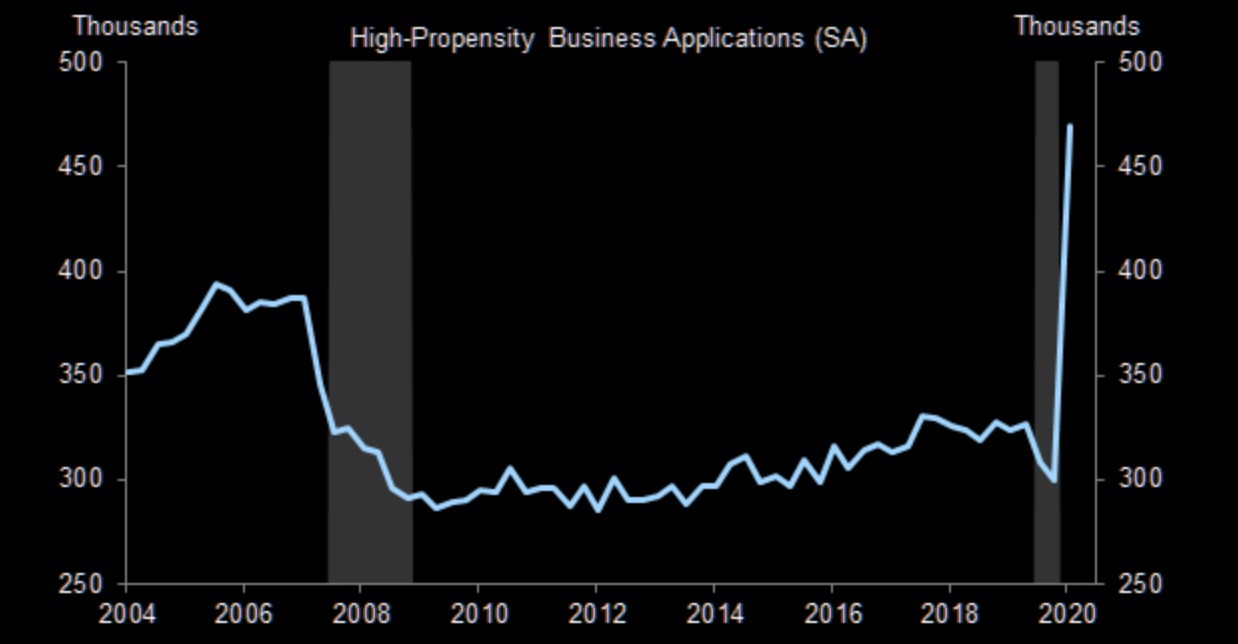
Chart: New Business Applications have surged in recent months in US

Yes, during this pandemic when many Americans lost their jobs, the number of new formed companies has risen. Not many of those firms were formed on the positions of strengths; many came largely for survival, just as many do in Nigeria. This shows us one thing: humans are the same.

The combination of necessity and opportunity during the pandemic has ignited a rush of new small businesses. The Wall Street Journal, citing U.S. Census Bureau data, reports that more than 3.2 million employer ID applications have been submitted so far this year, compared with 2.7 million a year ago, which includes gig-economy workers and other independent contractors taking the plunge after being laid off. An economist points out that more than half of these startups close within five years, but the crisis may speed up “creative destruction,” where new, innovative businesses displace older, less-efficient ones.

Nigeria needs ways to build large companies, and having many small business owners should not be seen as a good thing. Indeed, Nigeria needs to find a way to avoid celebrating what should not be celebrated – when you have many small business owners, your economy is not firing at all cylinders.

Why Nigeria Must Not Be Celebrating Having Millions of Business Owners