Good People, if you signed up for Tekedia Mini-MBA (Aug 10 – Dec 3), you ought to have received your login details by now. Our team sent them this afternoon. I welcome everyone and hope to embark on this academic excursion which begins Aug 10 together. If you have not joined, do so today here.
How do you invest in Nigeria when the currency is like a domino under the influence of the gravitational pull of balance of payment? We can learn from some brands which have done well for decades in Nigeria. Yes, we can learn many things from the playbooks of 7UP, Coca Cola and Unilever.
In these companies, their “parent companies” do not directly take the risk of exchange rate fluctuation. They simply make sure their Nigerian operations are not directly captured in their books. Sure, there is history behind the “indigenization” of these brands in Nigeria, but the real deal remains: Coca Cola does not need to have a Nigeria entry line in its financials in the U.S. That is not necessary since Nigerian Bottling Company Plc (NBC) which is a franchise bottler for Coca Cola shields it, and takes all the exchange rate risks.
And by taking those risks, NBC has more freedom to adjust pricing to compensate for any forex exposure. That exposure is that it has to buy whatever concentrate Coca Cola sells to it for bottling in Nigeria. So, in this relationship, a transaction takes place and Coca Cola in Atlanta USA books a sale whenever an order comes from Nigeria. Unilever does the same. Seven Up Bottling Company does the same. (This is my assumption, not sure if that is what they do, but it seems likely though).
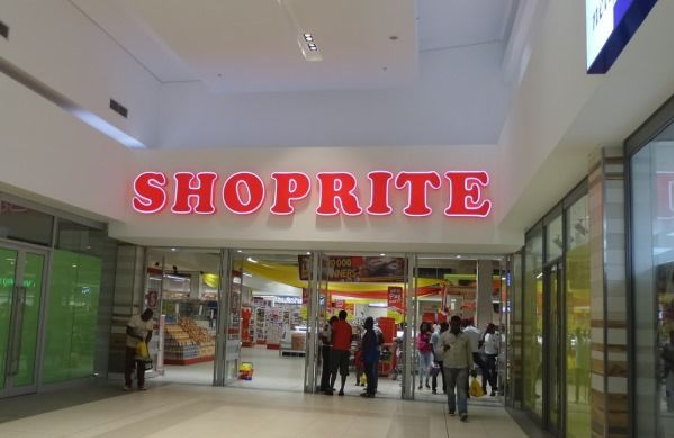
Ideally, Shoprite could have looked for a local partner, license its intellectual property or business trade secrets in retail, no matter what they are, and then focus on doing business in Nigeria, via that partner, where all transactions are captured as sales in its South African books. Of course that would be harder in retailing than in manufacturing where core intellectual properties exist. Largely, looking at all permutations, being a foreign retailer in Nigeria makes no sense as franchising framework would be extremely impossible since no core IP exists! So, without this mechanism, the forex exposure hits directly.
If you look at it, you need to “license” IPs to thrive in Nigeria.
Greetings. On behalf of our faculty from around the world, I am honoured to welcome you to this page, for Tekedia Mini-MBA third edition. Beginning Aug 10, we will start a journey to co-learn and co-share on the mechanics of markets, innovation, business operations, and growth. We will examine emerging business frameworks, models and technologies, across different domains and sectors, and how they are redesigning the ordinances of economic architectures, industrial systems and competitiveness. This knowledge excursion will last for four months. I expect it to deepen our capabilities and advance the companies we work for. Simply, we will innovate, not just invent, to fix market frictions in our sectors.
This table below will have active links, in successive weeks, for you to navigate to the specific contents. You will see weekly overviews, written materials, flash cases, labs, videos and challenge assignments. There is a section to ask questions and discuss the topics; you can always email.
Once again, welcome and thank you for joining us. If you have any questions, please email us at tekedia@fasmicro.com.
Prof. Ndubuisi Ekekwe
Tekedia Institute
Theme: Innovation, Growth & Digital Execution – Techniques for Building Category-King Companies
*Lecture link becomes active, 12 noon Lagos time, weekly.
**Tekedia Live (i.e. webinar) times are announced in weekly boards
Building Your Business Financial Models (templates included) – Michael Olafusi, Financial Analyst Fellow, Brightmore Capital; Lead Consultant, UrBizEdge
Edition Break
Career and Jobs During Pandemic – Captain Ola Olubawale, CEO, Seamate Australia
Career Planning – Precious Ajoonu, Manager, Jobberman
Supply Chain Management, Global Partnership & Contracting – Adebayo Adeleke, ex-Chief of Contracting and Deputy Chief, Business Operations Division, US Army
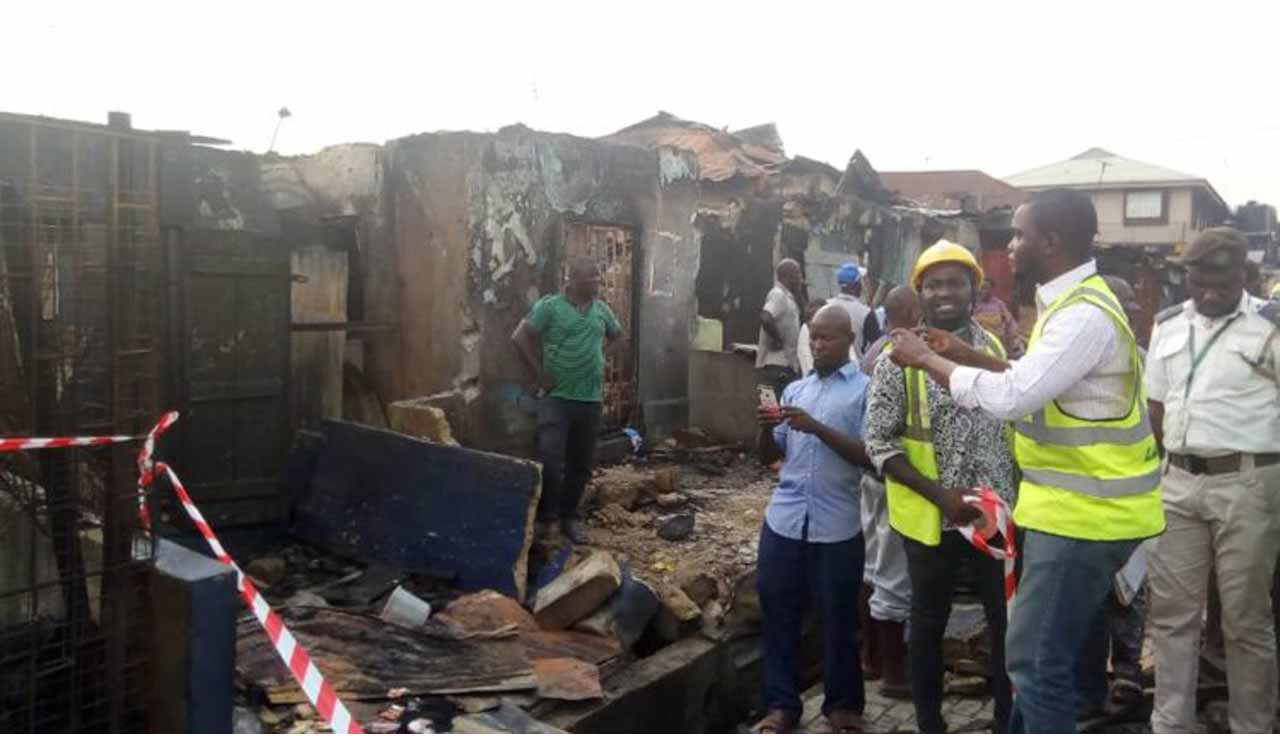
On Sunday 15th March, 2020, around 9am, an explosion rocked Lagos and caused a lot of disaster. This very explosion happened at Abule-Ado area, near Festac Town, Amuwo Odofin Local Government Area of Lagos State. It was caused by a leaking NNPC gas pipeline, through which enormous quantities of gas were escaping. However, NNPC claimed that the explosion was ignited by a truck that rammed into gas cylinders packed at a gas plant near the leakage. No one bothered to confirm whether the fire was truly caused by the truck but the issue still remained that NNPC did not fix the crack on the pipeline even though escaping gas until it kill lives and destroyed properties.
After this incident, the governor of Lagos State, Babajide Sanwo-Olu, visited the area to commiserate with the victims. He felt the impact of the accident on the victims and, in order to alleviate their pains, pledged the sum of N2bn relief fund for them. He released two N250m into this fund and called on well meaning Nigerians and organisations to assist him in raising the remaining amount. It is uncertain how much was generated for this issue, but it is certain that the victims are still waiting for this relief fund.
Many Nigerians have forgotten about this explosion. Like every other tragedy that happens around us, we have waived this one aside too. But then, a lot of people are still passing through the trauma caused by the shock from the experience.
A video, where a lady was lamenting her loss to the explosion, was shared by someone in the WhatsApp group of my secondary school classmates. I was surprised because I thought funds were raised for the victims of the explosion. I knew that what was lost was more than the amount the governor pledged but I was dismayed to learn that the victims are still looking up to the government for more.
My greatest shock came when one of my classmates said that she is also a victim and that has not received anything from the state government. According to her, her newly built school is among the buildings that were affected on that day. But fortunately for her, the explosion happened on Sunday, when classes were not in session. She said she is currently running around, raising funds to put the school building together since it is obvious that no one will do for her. However, she said that people that lost someone to the explosion were given the sum of N2.5m each. The rest were just shared food items. And that was it.
Well, I don’t want to believe more relief materials and help are not coming to these victims. I know the state governor released the sum of N250m for the victims immediately this thing happened. Even if nothing else was generated for the victims, the money given by the state government would have gone round to some extent. But from what I can see, something happened between the time the money was released and when it got to the victims and nobody knows exactly what it was.
It is possible that the governor released money while the people meant to distribute it diverted it. This is a common occurrence in this country. For instance, sometime in July, the investigation of the Niger State COVID-19 Taskforce by the State House of Assembly led to the discovery of a secret warehouse, where food items contributed by corporate organisations and well meaning Nigerians, as the lockdown palliatives, were hidden. This comes to show that it wasn’t the fault of the state or federal government that people didn’t receive palliatives despite the massive donations made towards that. In fact, this discovery explained why people only received palliatives donated directly by individuals and shared under their supervisions. Those that were given to the government ended up in the wrong hands.
This then calls on the Lagos State government to probe the distribution of relief materials and funds meant for the victims of the Abule-Ado gas explosion. This fund was raised solely for them, but it is obvious that it has ended up in the wrong hands. Worse is, everybody is blaming the state governor.
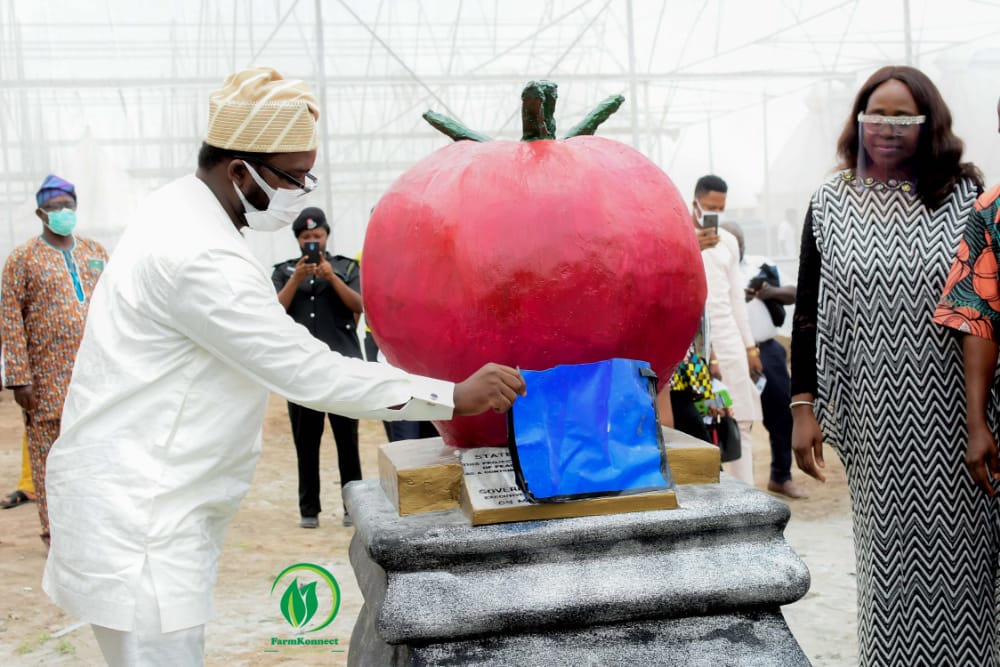
The state of Osun added a milestone as FarmKonnect, a foremost social agribusiness enterprise and the first Agricultural Real Estate company in Nigeria commissioned the WaVe city, a mega vegetable farming project on over 5 Million square meters farmland domiciled in the state.
Left to right: Hon. Adewole Adedayo, Hon. Yemi Lawal and Mr Azeez Oluwole, commissioning the WaVe city project.
The WaVe city, situated in Wasimi, Aiyedere Local Government Area of Osun state in Southwest Nigeria, is targeted to contribute to national food security and nutrition through the production of fruit and leafy vegetables, leveraging modern technology for a controlled farming environment.
The Inauguration event which took place on the farm on the 4th of August 2020 and was attended by the Commissioner for Agriculture and food security together with the Commissioner for Youth and sports, Osun state, and many other dignitaries across different sectors of the economy was an exposé of the yet untapped potentials of the Africa’s agricultural system. With over 60 percent of the world’s arable land, the Sub-saharan Africa is still the most malnourished continent of the world!
While delivering the Inauguration speech, Mr Azeez Oluwole, the founder and Chief Marketing officer of FarmKonnect remarked that the WaVe city is oriented to revolutionize Africa’s food and agribusiness sector, dousing the problems of hunger and food insecurity through the production of fruit and leafy vegetables. According to Oluwole whose experience in the farming business has spanned over 20 years, “the WaVe city will at full capacity produce over 120,000 metric tonnes of tomatoes per annum, capturing about 41 percent of the tomatoes market in Nigeria, and will provide more than 1,200 direct as well as over 3,500 indirect job opportunities for the youths.”
Mr Oluwole Azeez, Hon. Adeyemi, Hon. Yemi Lawal and other dignitaries having a tour on the farm.
The WaVe city is a mega multidimensional agricultural project run on a unique agribusiness model tagged, Agricultural Real Estate (AgRE) which is designed specifically to promote the agricultural and financial inclusion of all and sundry. According to the CMO of FarmKonnect, “AgRE which is a pioneering model of FarmKonnect is a collective system of farming whereby individuals with like minds pool resources together to sponsor huge agricultural projects for higher productivity and profiting that otherwise may not be achieved by a single individual.
AgRE has 8 key elements which include; commercial scale, scalability, high yield, security, collective funding, efficiency, unified management and system driven. In the words of Azeez Oluwole, AgRE will promote the state of commercial Agriculture in Africa while protecting and reinforcing the strength of the smallholder farmers.
Mr Oluwole further disclosed that the WaVe city will feature 50 different farm settlements of 100,000 Square meters of land areas each. Each settlement, graced with modern technology and operational methodologies that agree with the tenets of precision farming, will have its own administrative system and recreational facilities. According to the agripreneur, two of the settlements are not for profit making but to promote the Corporate Social Responsibilities of the company. The first is the legion farm which is dedicated to both active and retired military and paramilitary officers including their direct dependents in compensation for their services to the nation. The second is the women enclave targeted to empower and provide social and financial supports to women farmers across the nation.
The founder and CMO of FarmKonnect granting press interview.
Mr Oluwole lamented that the contribution of women to agricultural productivity is highly underrated. Women contribute about 75 percent of the agricultural productivity in developing countries but receive less than 7 percent of agricultural extension services. He admonished that to fully tap Africa’s agricultural potentials women farmers who are mostly resident in the rural regions of the continent must be adequately empowered.
Having lauded the women enclave initiative, Dr. Aborisade Ogunlana, an entrepreneur and women empowerment advocate described the food revolutionary project as a ‘positive rebellion’ to Africa’s food and agricultural challenges.
Hon. Adewole Adedayo granting press interview.
The Osun states Commissioner for Agriculture and food security, Honourable Adewole Adedayo appreciated FarmKonnect for providing palliatives to 1000 people in Osun state during the COVID-19 lockdown. He noted that agriculture is a priority in the agenda of the government of Osun state not only because of its capacity for food production but also because of its capacity for job creation. According to the commissioner, Agriculture has the highest potential to create jobs, for both skilled and unskilled labour.
“The Northern Nigeria has always been the base for food production in Nigeria, and there has been that message passed down to the southern Nigeria to scale up and start producing what to eat. The period where we order toothpicks and pizza from London is over” the commissioner said.
Honourable Adeyemi also expressed belief that FarmKonnect is a dream come true and is positioned to record monumental achievement in Nigeria and Africa at large. In the words of the honorable commissioner, “today having FarmKonnect in Osun state is another dream realized, having the agricultural facility on ground to develop agriculture in southwest Nigeria is another dream that is being realized. FarmKonnect will be creating jobs for over 1000 people. We are going to be opening a whole new sector.”
Mr Oluwole showing people around the facility.
The honourable thanked FarmKonnect for bringing the project to Osun state and he said the government of the state of Osun will continue to be of tremendous support. He also implored FarmKonnect to work very closely with the Osun states ministry of Youth and Sports especially on matters that concerns the youths.
Honourable Yemi Lawal, the commissioner for Youth and Sports for Osun state who also spoke at the event, described the project as commendable and a welcome development in Osun state. He articulated his willingness and readiness to partner with FarmKonnect to create something monumental for the Youths of Osun state.
About the writer:
Tiamiyu Ismail is a writer and Researcher at FarmKonnect.
Contact: ismailtiamiyu@farmkonnectng.com