DD
MM
YYYY

PAGES

DD
MM
YYYY

spot_img

PAGES

Home Blog Page 6236

The FUTA Hack And Why the University Should Reveal the Hacker

2

Premium Times reports how computer systems in Federal University of Technology Akura (FUTA) were used to hack its website. The newspaper has always been under attacks owing to its investigative mission. While bad employees or students can misuse institutions’ resources for illegal activities, the case here is evidently different as FUTA does not see it the way it should be seen.

The university has confirmed that the attack took place, and that they know the responsible person. Reading the piece, there is one clear conclusion I can make: FUTA should reveal the hacker. That would help investigators complete their work. If the person was doing experiments or just learning hacking, debatable since the attack was sustained over days, Nigerians need to know. But if he was hired, possibly by agents of corruption to take down a bulldog-newspaper which bites really hard, we desire to also know. By protecting this individual, FUTA Management is not on the side of the taxpayers which fund FUTA.

The hacker is not a progressive activist and hacking a newspaper which is approved by law to practice journalism in Nigeria is illegal, even if he was just learning hacking. Typically, he ought to have obtained written permissions before any penetration testing or hacking activity. That is not the case here, and the very reason why SSS and Police should get involved and get this guy to answer for his actions.

Today, it is a newspaper. Tomorrow, it could be a bank. Just like that, another Yahoo Yahoo or 419er is unleashed. A university cannot protect such a person.

On the night of February 28, a hacker operating from the Federal University of Technology, Akure (FUTA), connected a computer to the university’s network and began a cyberattack on the website of PREMIUM TIMES. With a mobile phone as his backup, the attacker continued the operation for the next five days.

At about 8:00 p.m., he started with a reconnaissance scan of the newspaper’s website using a web fuzzer popular with low-grade hackers.

The following morning, at about 6:15 a.m., the attacker returned with another open-source vulnerability scanner – WPScan, free tool bloggers use to test for security vulnerabilities on their sites.

About 90 minutes later, he ran his final probe – a custom script.

The following morning, Sunday, the attacker continued his attacks – a series of distributed denial of service, DDOS, attacks that lasted until that evening. On this day, it appeared his goal was simply to shut down the newspaper’s operations by overwhelming its servers.

He began the day – at about 9:28 a.m – with an attack that exploited the very old Character Generator Protocol found in many obsolete internet-enabled devices like printers.

He ended the day with another DDOS attack exploiting the publicly-accessible Network Time Protocol (NTP) servers. NTP is one of the oldest protocols used by internet-enabled devices to synchronize their clocks.

On that day, he launched a total of seven DDOS attacks

Examining Nigeria’s Response to Covid-19 Pandemic

5

There have been several pandemics in human history affecting people on a worldwide scale. The Bubonic plague has been the deadliest of them all. It ravaged around the 14th century and claimed more than 80 million lives worldwide. Today, we struggle with COVID-19 which has so far accounted for more than half a million deaths worldwide with no signs of abating some time soon.

In hindsight, on December 31, The Wuhan Municipal Health Commission in China reported a cluster of cases of what was first thought of as pneumonia. Series of findings eventually identified the cases as a novel virus. 142 days later after more than 118,000 cases and 4,291 deaths, on March 11, it was declared a pandemic by the World Health Organization (WHO). The virus can spread by direct contact with infected persons or by contact with contaminated objects and surfaces. Within weeks, the spread was exponential and the large-scale control measures were to issue preventive guidelines, top of the list; maintaining physical distance, personal hygiene, and use of nose masks. 

The issue required elaborate and emergency responses only possible to be overseen by governments. National responses to the pandemic have therefore varied from countries. It typically includes containment measures such as lockdowns, quarantines and curfews. Italy, one of the COVID-19 hotspots in the world went on a national lockdown on March 9 after 7,985 cases and 463 deaths. By the first week of April, about 4 billion people were in some form of lockdown. Just like it did in every other country, the virus set tidal waves of economic and social disruption across the board.

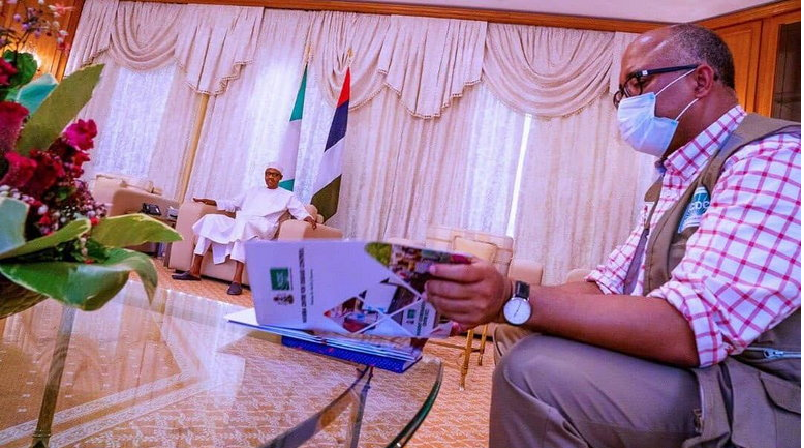
The level of preparedness and response to the virus in Nigeria while cannot be remarked as deficient, nonetheless, measures were mostly reactive and a great deal could have been instituted sooner. At inception, The Federal Government assured Nigerians on 28 January of its readiness to combat the virus, and on 27 February, the index case was confirmed in Lagos State – an individual who had returned from Milan, Italy. By March 9, after another case had been confirmed, The President established a 12-member Presidential Task Force (PTF) for the control of COVID 19 chaired by the Secretary to the Federal Government, Mr. Boss Mustapha. This was the president’s first definitive step, 11 days after the index case was confirmed. It was nearly on time. The membership of the task force is however notably inclusive; it includes Ministers of Health, Interior, Aviation, Humanitarian and Social Services as well as the Director-General of the Nigeria Centre for Disease Control and a WHO representative. It was a progressive – top government officials and public health professionals being directly responsible for containing the spread and impact of the virus. Worthy to note that at this time, only two cases of COVID 19 have been confirmed so it didn’t have the earmarks of a step taken in desperation.

Now, there were growing calls from critics and experts for the President to issue a directive for the country to go on lockdown to prevent further spread. What followed instead was a series of rapid and significant measures; the National Sports Festival slated from 22 March to 1 April was postponed indefinitely and on 18 March, the National Youth Service Corp orientation exercise was suspended. The moves highlighted the readiness of the Nigerian Government to scale down non-essential gatherings. Cases were less than 10 by now but had gone up to 131 by 30 March when the NYSC was supposed to conclude its orientation.

Closing the camps early appeared to decrease the risk of contracting the virus by the corps members, asking them to vacate the camps early was the right call. There were also repeated calls for the government to issue a travel ban. It was due. Most countries had already begun to issue travel embargos. On 18 March after some returnees tested positive to the virus the previous day, Nigeria placed a travel ban on 13 countries with a high number of cases. The international airports in Abuja and Lagos were also closed on 23 March.

During the early days, apparent misinformation meant people classified the virus as a disease of the upper class after some high profile citizens, mostly politicians, tested positive. For some, it was recompense for their numerous misdeeds. Observably, the only set of people who got tested at this time were political elitists and returnees from overseas. The need to ramp up testing did not come to fore until community transmission was first reported on March 19. Most tests conducted beforehand were patients who exhibited symptoms or who presented themselves for tests. Cases could have further scaled down if contact tracing had been sufficient from the onset. The NCDC, however, reiterated its commitment to adequate contact tracing while soliciting the public’s cooperation having encountered some challenges. 

Nigeria crossed the hundred mark on March 29 totalling 111 confirmed cases. The President followed up by announcing lockdowns in the FCT, Lagos and Ogun States. As most Nigerians live hand-to-mouth, the effects of the lockdown soon came to bear. The economy suffered even more coupled with the fall in oil prices. Going on lockdown was a worldwide trend. However, there hasn’t been any concrete proof that it has been effective in reducing the spread of the virus. 

Other measures like maintaining physical distance, maintaining personal hygiene have been noted to be of rather good effects. Moreover, the developed countries could afford a lockdown, Nigeria cannot, where more than 40% of the population endure extreme poverty and even more are daily wage earners. Many have also pointed out that the lockdown wasn’t effective mostly as it was never stringent. There were reports of people bribing their ways through checkpoints, it, therefore, couldn’t do much to reduce spread. 

Fears also began to stoke up when mysterious deaths were reported in Kano State. The Federal government task force sent a team to the state and investigations revealed that between 50 – 60% of the deaths may have been triggered by or due to COVID-19, in the face of pre-existing ailments according to the health ministers. The situation was salvaged by the establishment of more testing centres in the state. Kano now has 5 testing centres, the same as Lagos.

Despite the lockdown, confirmed cases of the new virus tripled. By the end of April, 1,728 cases had been confirmed and although new infections were being detected, the President announced other measures to control spread and began to ease lockdown on May 4 after about five weeks. It was evident that the lockdown continued to hurt the Nigerian economy. There has been a persistent rise in inflation. There have been job losses as most private organizations laid-off workers, others implemented salary cuts also, people’s purchasing power drastically reduced. The effects were far-reaching.

There was also an increased lockdown crime-wave mainly in Lagos and Ogun States. Something had to be done. It was more practical and logical for the economy to reopen while the government relentlessly continued to reduce spread as much as viable.

Now, Nigeria has to increase its testing capacity. Laboratories in Nigeria currently number 58. It currently does around 3,500 tests per day, we need to do more. All samples tested from the outset haven’t crossed 300,000. The total share of positive cases from tested samples has been around 15%, much better than most South American countries. More needs to be done however as it helps health workers characterize the prevalence, spread and contagiousness of the disease. The countries that have been steadily climbing their way past coronavirus all reveal one thing; widespread testing. Alongside robust testing, tracing and supported isolation infrastructure must also follow as well as further enlightening people on control measures like physical distancing and mask-wearing. 

So far, the ban on interstate movement has been lifted and major sectors of the economy have been reopened since Nigeria began a gradual easing of the lockdown on May 4 with a steady lifting of restrictions. It won’t get any easier, we need to find better ways to overcome these challenges. We have been making progress but nearly enough. We must eschew laxity. The key is to continue to do more.

The American Policy Lab Built On Data, Nigeria’s Guesswork Paralysis

1

Something fascinating happened in the United States over the last few months. As one of the means to curtail the paralysis triggered by Covid-19, the U.S. government introduced fairly generous unemployment benefits, after millions of Americans lost their jobs as companies and local economies went on lockdowns. Those benefits ended up overshooting most U.S. states’ minimum wage levels. But as states began to re-open, some companies struggled to find people to hire. What has happened is this: some people were making more money from unemployment benefits than they could make from working. As expected, people stayed home to cash the cheques instead of going to work to make less!

Now, there are many data points, and using those data points, it seems the U.S. would not extend the generous unemployment benefits. They are exploring other options of capping benefits to 70% of the person’s last job. This is how policy, powered by data, works.

Meadows said the proposal will involve offering enhanced unemployment benefits that would replace a laid-off worker’s wages up to 70%, although he acknowledged challenges some states will face in administering such a complicated benefit. He said he has worked with Mnuchin and Labor Secretary Eugene Scalia to ensure “antiquated computers” in some state benefit offices don’t stop people from receiving their benefits.

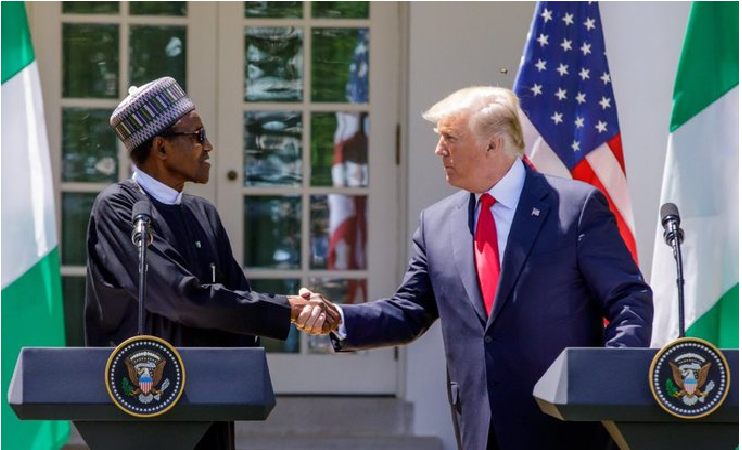
If you examine what is happening here, you see why data should drive policy. Without data, President Trump might have signed out his re-election prospects. Yes, extend the unemployment benefits as many had suggested to January 2021 and have many citizens stay home, to cash the cheques, and possibly tank the economy. But with data, especially from the small businesses which are struggling to hire workers, the government will scale its benefits to stimulate incentives for people to take those jobs they have passed.

Politics or no politics, it favours Trump and his party to see many people back to work. Paying them to stay at work has really no economic or political benefit. Of course, leaders have to be considerate, understanding that some may not just find jobs. That is where the 70% cap makes sense: you will be fine but you would not be fully whole; so, go and look for work.

Now, contrast with Abuja. How many have received from the audio N50 billion small business Covid-19 intervention fund? How many have received from the follow-up fund? Perhaps, the Central Bank of Nigeria could publish the names of all the beneficiaries and tell us what the funds have accomplished.

We need to stop guesswork-policy, and begin to drive policy with data. From YouWin to NPower to the new incarnations, what are we learning, and how are we adjusting implementation protocols? Unless we use data to drive our decision making, we might be causing harm rather than doing good to our economy. Yes, Nigeria needs to invest to create a data-driven government and use data to drive policy.

Finance, Investing, and Fundraising Class Notes & Videos Now In The Board

0
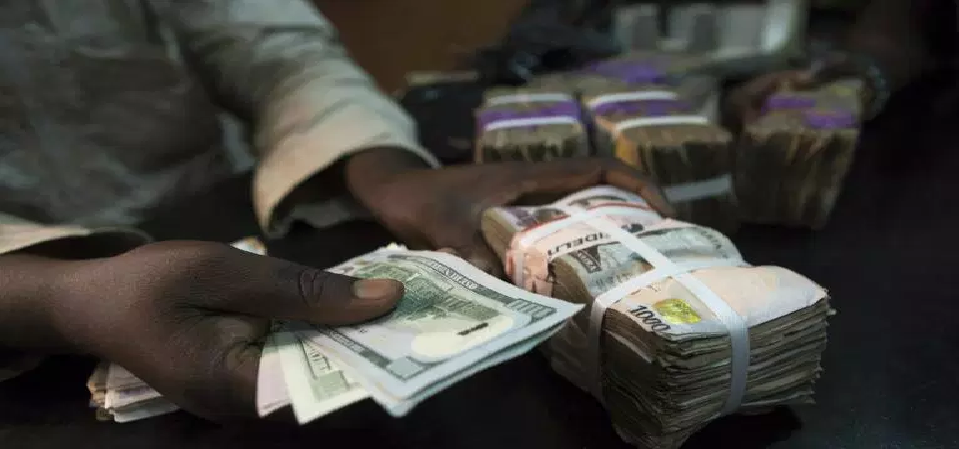
Naira USD

Week 6 of Tekedia Mini-MBA is already in the Board. We are focusing on Finance, Investing, and Fundraising this week. Without any doubt, this will go as one of the most comprehensive Africa-focused courses in these domains. Afrinvest West Africa’s Deputy Managing Director Victor Ndukauba takes us on Investing and Fundraising. Azeez Lawal, CFO of TrustBanc Group handles the capital market operations. And Japheth Jev, CFO of Triumph  takes care of Personal Finance and Wealth Management.

From Jev’s courses, you will learn the following with rich Africa-focused insights, covering the tools, products, companies offering the services, and more.

  • 1 Introduction
  • 2 Understanding your Financial Health
  • 3 Setting Financial goals
  • 4 How to prepare and stick to your budget
  • 5 Developing your savings strategy
  • 6 Investing Your Money
  • 7 Planning for retirement

Tekedia Mini-MBA, join us.

https://www.tekedia.com/mini-mba-3/

South Africa’s VARL Raises $3.4m to Advance Cryptocurrency As Kenya’s Little Gets $3m to Expand Ride-hailing Services to West Africa

0

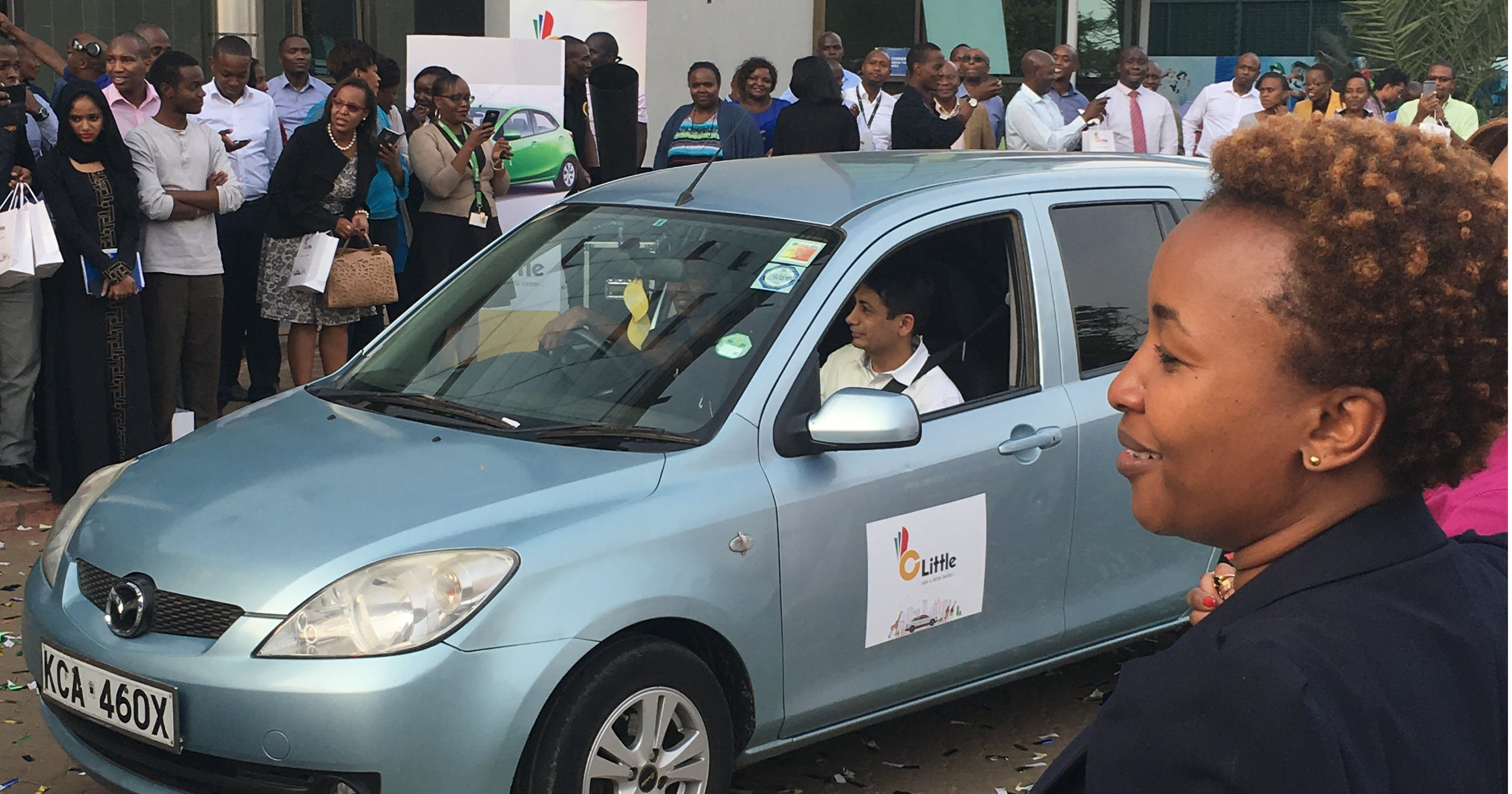
Craft Silicon, the parent company of Kenya’s ride-hailing startup, Little has doled out $3 million to expand the transport service. Little is planning to expand the ride-hailing service to West Africa and will use the fund to foster the app’s pilot program in Accra, the capital city of Ghana.

The Craft Silicon and Little CEO, Kamal Budhabatti said the move is necessary if the company has to be a key player in Africa.

“We have already started testing the product in Accra. Since travel may be an issue, we are taking an approach of opening a new city without visiting there. We would recruit drivers online, provide training online. West Africa is a large market, and if Little has to be a key player in Africa, we need to be present there in addition to East Africa. Hence the march towards West Africa,” he said.

COVID-19 pandemic has forced Little to go virtual as intra-African movement is still restricted. But Budhabatti said the company will be recruiting staff to augment the virtual operations.

“Accra being a big city like Nairobi, having fully virtual operations is not recommended. So we would be recruiting some staff there, and interviews are underway. But we are going to try and make as much as possible to operate virtually keeping in mind the new normal,” he said.

Little is operational in four African countries; Kenya, Uganda, Tanzania and Zambia. Ghana will be its first West African country of operation and will bring its number of countries to five.

Little said last year it is seeking to raise $50 million from investors to expand its services in Africa. The company wishes to conquer the African continent, leveraging on countries where Uber and Bolt aren’t dominant.

In the other news, VARL, a leading South Africa’s cryptocurrency firm, said it has raised $3.4 million to advance the adoption of digital currency.

The Series A equity round of funding was led by 100x Ventures, (the investment arm of 100x Group who are behind cryptocurrency derivatives trading platform BitMex), with participation from 4DiCapital and FNB CEO Michael Jordan and US-based company Bittrex.

Founded in 2018, VALR was established to bridge the gap between the traditional financial system and the new world of cryptocurrencies. In June 2019, VALR launched bitcoin-rand trading and has since grown to become one of South Africa’s bitcoin trading platforms.

The company said it offers over 40,000 of customers the ability to buy and sell more than 50 digital currencies including bitcoin and ethereum at the cheapest cost in the market.

VALR cofounder and CEO Farzam Ehsani said the company has recorded phenomenal growth despite the COVID-19 pandemic.

“I am very grateful that despite the challenging global COVID-19 pandemic that has adversely affected many businesses around the world, VALR has been able to raise funds and partner with a set of world-class investors, adding to our already distinguished group of shareholders,” he said.

VALR will use the proceeds from the capital raised to build new products and services, expand into new territories, and continue to build its team of professionals, particularly in the technology, regulatory and compliance, and client service domains.

The cofounder and CEO, 100x Group, Arthur Hayes said they are backing VALR because they believe it is well placed for future growth.

“South Africa has an incredibly exciting and fast-growing cryptocurrency ecosystem, and we believe VALR is well-placed to capitalize on future growth of bitcoin trading. In VALR we’re backing not only a successful early stage business, but a management team with the ability to scale operations significantly,” he said.

In July 2018, VALR raised a R20 million equity and has further raised R59 million till date.

Justin Stanford, confounding General partner at 4Di Capital said VALR presents them with lucrative opportunities for investment in the crypto ecosystem.

“At 4Di we have been looking for appropriate investment in the crypto sector for some years, and we are delighted to be backing such a high quality business and management team.

“VARL has shown great integrity and leadership coupled with impressive growth, and delivers a mature, institutional-grade offering to the local market. This is becoming a necessary component in all markets the world over, as the crypto-asset ecosystem becomes increasingly more accepted and integrated into the global financial system,” he said.

African startups keep attracting investors despite the pandemic, and South Africa and Kenya are taking the lead.