DD
MM
YYYY

PAGES

DD
MM
YYYY

spot_img

PAGES

Home Blog Page 6308

MutiChoice (Owner of DStv, GOtv) Delivers A 38% Financial Video Show

1
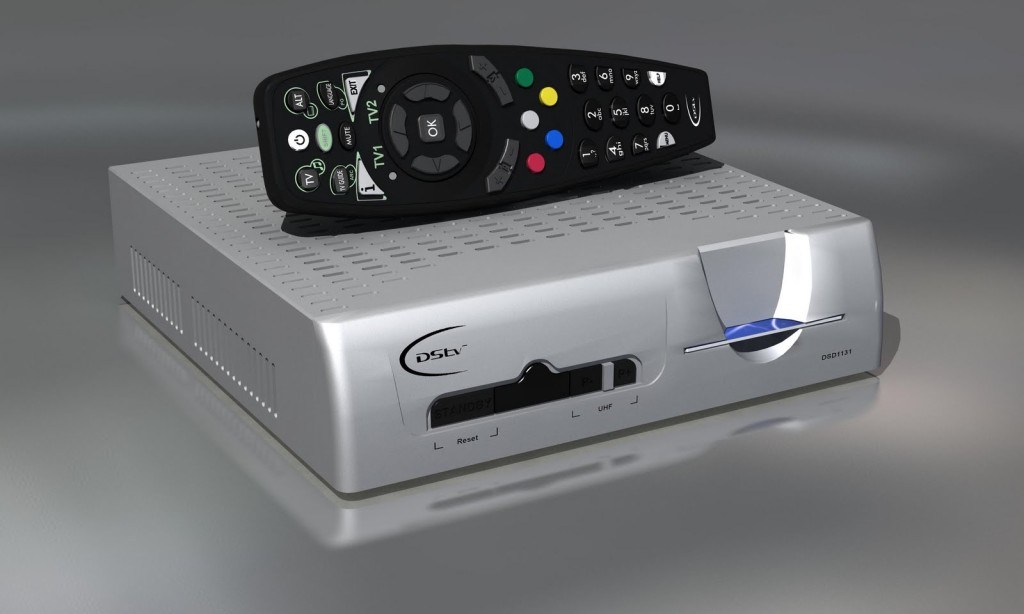
DSTv court

When you are a category-king, you become the castle and control all axes of the moats. As we discuss the struggle of TStv and its failure on challenging the dominance of DStv, we are learning that DStv is putting its best video entertainment yet: “Africa’s leading video entertainment company, MultiChoice Group delivered solid financial results for the year ended 31 March 2020. Highlights include 38% growth in core headline earnings…with consolidated free cash flow increasing by 59% …, driven mainly by an improvement in the trading results from the Rest of Africa (RoA), a focus on cost containment and a reduction in working capital.”  That Rest of Africa is Nigeria, the African land of opportunities which many Nigerians do not appreciate.

Looking at the report, MultiChoice reduced cost, grew revenue, added more subscribers, and checked all positives at the same time. Then, it left the usual line: “MCG continues to position itself as Africa’s leading video entertainment platform, both now and into the future”.

People, this is what it is called: Accumulation of Capabilities. When you attain that level, you exert asymmetric impacts in markets, crippling newbies and making any frontal assault to backfire. Yes, send it back to the sender because when the competitor thinks you will bleed, you open the playbook, with ferocious frontal and flank assaults, and just like that, the competitor is gone: HiTv, TStv, etc.

To challenge DSTV & cousins, you need to set a new basis of competition. Trying to beat this company on its game is hopeless! It is really great!

The report….

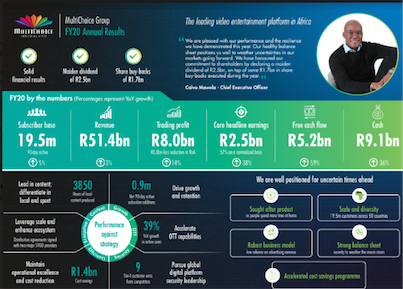
Africa’s leading video entertainment company, MultiChoice Group (MCG, or the Group) delivered solid financial results for the year ended 31 March 2020 (FY20). Highlights include 38% growth in core headline earnings to R2.5bn, with consolidated free cash flow increasing by 59% to R5.2bn, driven mainly by an improvement in the trading results from the Rest of Africa (RoA), a focus on cost containment and a reduction in working capital.

“We are certainly facing unprecedented times but are pleased with our performance and the resilience we have demonstrated this year,” says Calvo Mawela, Chief Executive Officer. “Our healthy balance sheet positions us well to weather the uncertainties in our markets going forward. We have also honoured our commitment to shareholders by declaring a maiden dividend of R2.5bn, on top of some R1.7bn in share buy-backs executed during the year.”

Despite global and country-specific macro-economic challenges, the Group added 0.9m 90- day active subscribers, representing 5% growth year-on-year (YoY). This took the overall subscriber base to 19.5m households, split between 8.4m households in South Africa (SA) and 11.1m households in the RoA.

Revenue was up 3% to R51.4bn and included R42.8bn in subscription revenue which increased 4% YoY. Top line momentum was affected by modest subscriber growth due to rising consumer pressure, a decision not to increase prices of its Premium package in South Africa, and the fact that last year’s growth benefitted from specific once-off events. Nonetheless, a strong focus on cost containment underpinned a 14% increase in trading profit to R8.0bn (29% organic), with some R1.4bn in cost savings generated during the year and a R800m (R1.8bn organic) reduction in losses in RoA.

The like-for-like core headline earnings increase, which excludes the impact of the additional 5% allocated to the Phuthuma Nathi (PN) shareholders in March 2019, was 57%. The Group reported R9.1bn in cash and cash equivalents, which combined with R5bn in undrawn facilities provides R14.1bn in financial flexibility.

MCG continues to position itself as Africa’s leading video entertainment platform, both now and into the future. Local content remains a strategic differentiator, with a sizeable 3 850 hours produced this year to bring the Group’s total local content library to nearly 57 000 hours. This focus on local content and innovative production models is yielding results, with MCG’s first local co-production Trackers becoming M-Net’s top performing series for the year, outperforming established global shows such as Game of Thrones.
In addition to compelling local stories, MCG continues to broadcast the best of sport and international content and will now be integrating third party streaming services onto its DStv platform. The recently signed distribution agreements with two major international Subscription Video on Demand (SVOD) providers will ensure that customers have access to a wider variety of content, all in a single place.

“We have long been a content aggregator, and this is proof of our aggregator model at work – providing simplicity, choice and convenience for our customers,” Mawela explains. “As our industry evolves, we believe that we are well positioned to benefit from both worlds – a large, growing pay-TV market in Africa, as well as an emerging over-the-top (OTT) opportunity, where our own OTT services and aggregation capabilities can drive success.”

The Group also has an exciting product line-up that will launch during the year, including the much-anticipated DStv streaming product.

FINANCIAL REVIEW

The Group achieved its target of generating positive operating leverage by keeping revenue growth ahead of growth in costs. Organic revenue growth of 2% compared to a 3% reduction in operating costs on an organic basis resulted in improved operating leverage of 5%. A focus on tight cost controls and the early implementation of cost cutting initiatives underpinned an expansion in the Group’s trading margin from 14% to 16%. Cost savings included a reduction in variable costs such as decoder subsidies due to supply chain consolidation and lower unit costs, as well as close to R1bn in fixed costs savings through a broad range of initiatives across multiple areas of the business.

Capital expenditure (capex) of R0.8bn was slightly down on the prior year and included a R0.2bn investment as part of a multi-year programme to futureproof the Group’s customer service, billing and data capabilities. As one of the largest taxpayers in Africa, MCG paid direct cash taxes of R4.0bn, slightly higher than the prior year driven by higher Group profitability.

The Group’s strong balance sheet has supported the repurchase of 15.6m ordinary shares over the course of the year, to the value of R1.7bn. R1bn was executed as part of a general share buy-back programme between September 2019 and March 2020 at an average price of R96. These shares are currently held as treasury shares. The remaining R0.7bn related to the funding of the Group’s restricted share plan.

The Group remains fully dedicated to broad-based black economic empowerment (B-BBEE) and transformation. In line with prior commitment, the Group’s offer to PN shareholders to exchange up to 20% of their PN shares for MCG shares was finalised on 28 October 2019 and resulted in 3.7m shares being issued to PN shareholders, while MCG acquired 3.8m shares in PN in return. Following the conclusion of this share swap, the Group’s overall interest in MultiChoice South Africa increased from 75.0% to 76.4%, with PN owning the rest.

SEGMENTAL REVIEW

South Africa The SA business held up well in a tough consumer climate, delivering subscriber growth of 6% YoY or 0.5m subscribers on a 90-day active basis. The impact of the coronavirus (COVID19) pandemic in South Africa and associated lockdown saw an uplift in subscribers towards the end of March. Revenue growth of 1% to R34.2bn was muted as healthy subscriber growth in the mass market was negated by the strategic decision not to increase prices on the Premium bouquet. Trading profit increased only 1% YoY to R10.3bn due to modest revenue growth and the cost impact of broadcasting three major sport events in the reporting period, but the trading margin remained stable at 30%.

The business continues to focus on growth, retention, strategic upselling of bouquets and operational efficiencies to support margins. Digital platforms saw strong uptake during the year, with self-service channels now handling 66% of all customer interactions. This follows the restructuring of the customer care division during the first half of the year.

The year saw strong, ongoing growth in Connected Video users on both the DStv Now and Showmax platforms as online consumption increases. Showmax, the Group’s standalone OTT service, gained solid traction this year following the launch of a mobile-only offering, improved marketing and further enhancements to the user interface and the content slate. The platform now boasts more than 50% local content.

Rest of Africa 

The RoA business grew its 90-day active subscriber base by 4% YoY or 0.4m subscribers, to reach in excess of 11m subscribers for the first time. Growth was affected by non-recurring sport events in the prior year and some country-specific challenges. In Zimbabwe, the current hyperinflationary economic environment and lack of US dollar liquidity caused significant pressure on consumers, while severe drought-related electricity shortages of up to 18 hours per day in countries like Zambia impacted demand for services like pay-TV. Similar to SA, a slight increase in subscriber numbers was seen in March 2020 as lockdowns were initiated in various markets across the continent.

Revenue was up 4% (3% organic) to R15.5bn, with subscription revenue growing at a similar rate and contributing R14.3bn. While material currency depreciation in the Angolan kwanza (47%) and the Zambian kwacha (25%) affected the segment’s financial results, the business continues to make progress towards its medium-term breakeven target. Trading losses narrowed 22% (47% organic) or by R0.8bn (R1.8bn organic) to R2.9bn, representing a 7% improvement in trading margin.

Despite challenging conditions, the RoA business still enjoyed several operational successes. Across many markets the Festive Season campaigns achieved higher growth than in any of the preceding 8 years, and the popular #DStvStepUp campaign served well to win back customers and increase engagement. The roll out of digital products to enhance customer service is now complete in all major markets, with the MyDStv and MyGOtv apps servicing 1.3m monthly users.

Technology segment 

The Technology segment, Irdeto, delivered positive results, despite being the business segment most affected by the COVID-19 pandemic in the last quarter of FY20. It contributed R1.8bn in revenues, an increase of 12% YoY (4% organic). This momentum combined with cost efficiencies, resulted in a 25% (40% organic) increase in trading profit to R0.7bn.

Irdeto continues to gain market share in its media security segment, while also investing in connected industries as part of its strategy to diversify its reliance on traditional broadcasting revenues. New services such as security solutions for online video, online gaming and the Internet of Things (especially connected vehicles) are gaining traction. In the current year, the first vehicles incorporating Irdeto security technology were manufactured and a second long-term customer win with one of the world’s largest automotive groups was secured.

COVID-19 AND FUTURE PROSPECTS

The COVID-19 pandemic has had a significant impact across the world, adversely affecting the lives of the Group’s customers and its employees.

“Our absolute priority has been the health and safety of our employees and moving swiftly to implement business continuity plans well ahead of the forced lockdowns. Content line ups were adjusted, including making news channels more widely available across the continent, as well as adding more kids’ shows, movies and curated sports content,” Mawela explains.

The aftermath of the virus and low oil price, although uncertain in quantum, will likely have a negative impact on the economies of many of the Group’s markets, with weaker currencies and higher levels of unemployment expected. The impact of this on the Group’s performance is not yet known.

“While macro-economic implications are largely uncontrollable, we are taking steps wherever we can to counter potential future headwinds. These include implementing further cost savings initiatives across the organization and continuing to do what we do best – provide our customers with great entertainment,” says Mawela.

Going forward, subject to a stable regulatory environment and the unknown impact of COVID-19 pandemic, the Group will be looking to continue scaling its video entertainment services across the continent, focusing on the mass- market for pay-TV services, as well as on OTT. In addition, it plans to further increase its investment in local content and adjust its cost base to deliver acceptable returns.

“We remain well positioned with a sought-after product offering, significant scale, a diversified footprint across the African continent and a robust business model with a low reliance on advertising revenue. Importantly, we have hedging programmes in place to offset some of the currency pressures we’re exposed to and a healthy balance sheet, which includes R9.1 billion in cash. These organisational strengths provide us with confidence that we can withstand the impending macro-challenges and demands and continue to enrich lives through our video entertainment services,” Mawela concludes.
The Orji Uzor Kalu Experiment

0

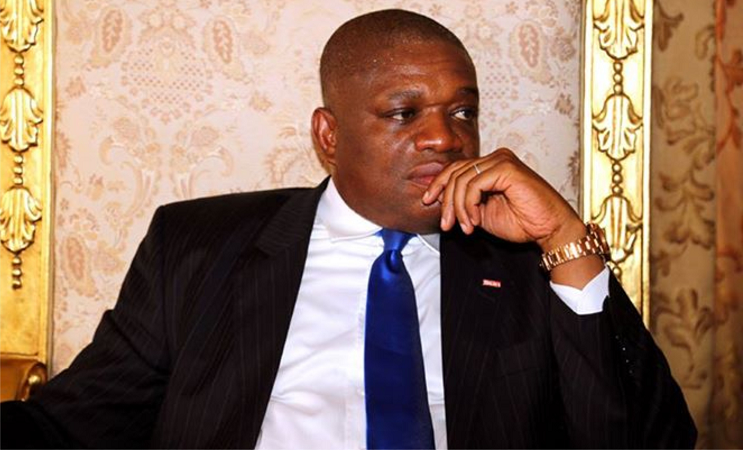
In May, the Supreme Court of Nigeria nullified the judgment that convicted Orji Uzor Kalu, the former governor of Abia State. The Apex court based its ruling on the ground that Justice Mohammed Idris, who handed a 12 years sentence to Kalu, had been promoted to the Appeal Court, and therefore had no jurisdiction to preside over the Federal High Court that passed the verdict.

The Apex Court’s ruling means that the former governor, now a senator, has the right to walk back into the freedom that consists of lawmaking, and resuming his role as a chief whip in the upper house of Nigeria’s parliament, among other businesses.

Notwithstanding the Supreme Court’s verdict, it took some weeks and further legal efforts for Kalu to be set free from the bounds of Kuje prison.

The December 5, 2019 ruling by Justice Idris Mohammed had handed Kalu, and codefendant, Jonnes Udeogu, a former Director of Finance and Account of Abia State, 12 and 10 years imprisonment respectively, for stealing N7.2 billion belonging to the Abia State Government. Udeogu appealed the ruling, and on May 8, the Supreme Court held that the fiat issued to Justice Idris to conclude the trial of the duo of Kalu and Udeogu, after he had been elevated to the Court of Appeal was “a nullity.”

Justice Idris was issued a fiat authorizing him to proceed with the case after his elevation to the Appeal Court.

Consequently, the Supreme Court ordered the release of Udeogu and retrial of his case. The decision of the Apex Court triggered Kalu to file an application for his own freedom, given that they both were convicted for the same crime.

On May 12, armed with a team of 12 lawyers consisting of six Senior Advocates of Nigeria (SANs), Kalu filed the motion seeking to nullify his incarceration. On June 2, the Court granted the applicant’s prayer, and ordered his release from prison.

However, the prosecutor, the Economic and Financial Crime Commission (EFCC), upon the verdict that granted the senator freedom, vowed to pursue a retrial that will take the accused back to prison.

In a statement issued after the ruling, the anti-graft agency said the judgment is unfortunate and “a technical ambush against the trial of the former governor.” It added that the Commission has overwhelming evidence to commence a fresh and immediate retrial.

“The corruption charges against Kalu still subsist because the Supreme Court did not acquit him of them. The entire prosecutorial machinery of the EFCC would be launched in a fresh trial where justice is bound to be served in due course,” the EFCC said.

At the release of Kalu from prison, it was all jubilation from his friends and well-wishers, most of them in the government. Members of the senate went straight to his home in Abuja, for a congratulatory visit that stirred backlash from Nigerians who said it’s an aberration for the lawmakers to dignify a convicted criminal in such a manner.

The development thus got many asking: should Orji Uzor Kalu be celebrating?

At the news of his release from prison, the Enugu chapter of All Progressive Congress (APC), issued a statement demanding an apology for what they perceived as injustice meted to their member.

“We respectfully demand that the EFCC should render an apology to you (Kalu) for wrongful prosecution. It is a time for deep reflection on the part of EFCC and not a time to make puffy statement regarding further prosecution. One wrong prosecution has already resulted in five months of unlawful conviction,” said the APC’s state chairman, Dr. Ben Nwoye.

“H.E Senator Kalu deserves an apology from the EFCC not a re-prosecution. We respectfully, request that EFCC should channel its resources to the prosecution of backlogs of other cases instead of engaging in vindictive repeat prosecution of an Igbo icon.

“We are calling on the Senate and House Committee on Judiciary to investigate the facts and circumstances that led to the malicious prosecution and unlawful incarceration of Distinguished Senator Orji Uzo Kalu,” he added.

Following this statement and other events that have taken place since he was set free, the momentum garnering around Kalu is gradually dampening the hope that he will be found guilty if retried. The major reason being that there is an immense lack of trust in the Nigerian justice system, and that the retrial may take longer time than the first.

In 2017, an appeal court sitting in Yola acquitted the former Adamawa State governor, Bala James Ngilari, who was convicted for corruption and unlawful procurement. His acquittal was based mainly on technicalities. The court ruled that Ngilari was not a procurement entity as noted by the trial court that convicted him, and therefore cannot be charged as a procurement officer.

The former governor who previously was sentenced to five years imprisonment was set free and charges against him were quashed. Nevertheless, the ruling, just like in many other cases set a precedent that has lowered many people’s confidence in the courts, and dimmed their expectation of justice.

Consequently, it is believed that Kalu’s retrial may be determined by technicalities that would once again set him free.

While there are still people who believe that the court will render justice, they are also wary that it may take so long a time owing to the slow court processes and the entire judiciary overwhelmed by cases.

The trial that got Kalu convicted in May started in 2007. It took 13 years before the High Court brought it to an end. In that period, Kalu was actively participating in politics and secured for himself a place in the ruling APC and in the senate. It is believed therefore, that his retrial may take even longer, enough time for him to serve up his term in the senate, contest for more public offices or secure more political positions that will shield him from the law.

While Kalu was in prison, the senate refused to declare his seat vacant, a gesture many believed that it signaled that he will be freed and shows how far his party members and his colleagues could go to protect him. It is also considered hypocritical on the part of the ruling party that rode on the anti-corruption bandwagon to get  to power. The development has given concerned Nigerians more reasons for lamentation.

“Orji Uzor Kalu’s return to the senate is so depressing. He was convicted for N7.5bn fraud and sentenced to 12 years in prison,” Ada Campbell wrote on Twitter. “While in prison, he received salaries from the government. 5 months into his sentence, he’s been released and back in the senate. Just hopeless.”

As the circumstances surrounding his case continued to be discussed, more and more people are using the word “hopeless” to describe it. The belief that he should be celebrating, as someone who has nothing more to be afraid of is winning, as can be deduced from his statement upon resumption in the senate on Wednesday.

He said: “By the grace of Almighty God, I resumed my normal legislative duties & I remain committed. I encourage us all to be thankful in every circumstance of our lives. Let me conclude in the language of the good people of the Southwest by saying “Ati lo ati de” (we have gone, we have come).”

Prof Ndubuisi Ekekwe Is Lead Faculty of Tekedia Mini-MBA; Teaches Innovation, Growth, etc

1

He is a graduate of Secondary Technical School Ovim where he holds the school all-time best academic result in WAEC. He earned BEng from FUT Owerri where he received the University Scholar awards four times. He is the only graduate of FUTO to have delivered its Commencement Lecture, and first to deliver the University Public Lecture, and the only person in the school history to have done both. In Johns Hopkins University, he held seven fellowships, and in 2017, he licensed a patent to the U.S. Government. A professor of engineering with 32 companies in his portfolio, Ndubuisi Ekekwe was Lead ASIC Designer on making the accelerometer used in an iPhone generation in ADI. He has been writing in Harvard Business Review since 2009.

He is the Lead Faculty of Tekedia Mini-MBA, working with more than 30 global thought-leaders and business executives.

Tekedia offers an innovation management 4-month program, optimized for business execution and growth, with digital operational overlay. It runs 100% online. The theme is Innovation, Growth & Digital Execution – Techniques for Building Category-King Companies. All contents are self-paced, recorded and archived which means participants do not have to be at any scheduled time to consume contents. Class begins June 22.

If you pay before  early bird ends, you get two free ebooks:  “Africa’s Sankofa Innovation” and upcoming “The Dangote System: Techniques for Building Conglomerates” along with a free Facyber.com cybersecurity certificate course.  To learn more about this program, click the program page.

https://www.tekedia.com/mini-mba-2/

Some Testimonials from Tekedia Mini-MBA 1st Edition

0

From Benin Republic to Kenya, from Canada to Nigeria, and beyond, 16 countries participated in the 1st edition of Tekedia Institute Mini-MBA. We recorded promotions, new jobs, and accumulation of new knowledge. We pushed participants to do more for their firms – we made a case that only GREAT products can deliver great companies. We explained the modern frameworks and business models of the 21st century.

One was a 57-page lecture note that was so nice that one wrote, “I did not know I finished reading a 57-page lecture note over a weekend. It was like a novel”. Not a novel but a business class note using Jevinik, GTBank, Flutterwave, Soulmate, Safeboda, Mpesa and those firms you see daily. And many ran with them.

This is a testimony from one of our participants. Read more here.

Second edition of Tekedia Mini-MBA begins June 22. REGISTER here

Graduation Day Note – Tekedia Mini-MBA Edition 1 [Video]

3 Approaches to Improving Manufacturing Productivity

0

A delay of a few seconds is far from the end of the world in many lines of work. However, any source of delays, pauses or downtime in manufacturing gets amplified across the repetitive nature of production. This has the potential to put a serious wrench in the works, costing companies valuable time and revenue.

Perhaps in no other industry is it quite as important to prioritize productivity and efficiency, and here are three approaches manufacturers are taking in an attempt to do just that.

Automate Certain Processes via “Cobots”

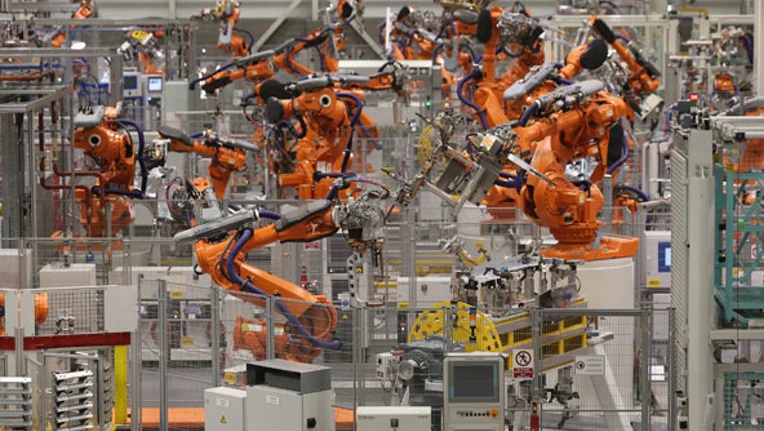
Rather than treating automation as an all-or-nothing proposition, many manufacturers have gone the route of streamlining operations using a combination of employees and collaborative robots (cobots).

There are a few potential advantages manufacturers can reap by supplementing their human workforce with robots — precision, 24/7 availability and speed to name just a few. 

These gains can also translate into more efficient processes overall.

Five of the key applications for cobots in manufacturing today include:

  • Picking items, packing them in boxes and stacking these containers on pallets
  • Soldering and welding on an ad hoc basis
  • Assembling parts into whole products
  • Handling and transporting various materials, including those unsafe for humans 
  • Inspecting finished products for quality before sending out

Harness Internet of Things (IoT) & Data Analytics

The ever-growing Internet of Things (IoT) is well suited to manufacturing because these smart devices — such as sensors placed all around the manufacturing floor — provide valuable information that decision-makers can then use to make improvements. The proliferation of IoT devices throughout factories and warehouses has gone hand in hand with the rising importance of manufacturing data analysis in making decisions aimed at optimizing business outcomes.

As Industry Week reports, 82 percent of the manufacturing firms that have harnessed the IoT have seen increased efficiency. Similarly, nearly half have reduced the number of product defects and boosted customer satisfaction as a result.

Here’s one example: IoT-connected sensors help manufacturers keep a close eye on equipment usage and reliability — allowing them to intervene quickly when needed and predict when timely maintenance could prevent costly downtime.

Another use case is harnessing IoT to monitor and optimize energy usage within manufacturing facilities — a significant overhead cost that can easily start to climb without intervention. IoT sensors and systems can identify opportunities to reduce waste, replace outdated systems, streamline schedules, proactively schedule maintenance and reduce utility bills.

Streamline Floor Layout

Equipment uptime and energy consumption are important building blocks of overall efficiency, but mean less when floor layout is hampered by lack of flow. As Assembly Mag notes, the arrangement of tools and workstations ultimately affects “ergonomics, productivity and throughput.” 

Devotees of the lean manufacturing method, first popularized by Toyota to reduce waste, recommend manufacturing decision-makers take regular “Gemba walks” — an opportunity to step back from normal day-to-day activities to see how everything is flowing. This also gives leaders an opportunity to engage directly with employees on the line, who often have valuable feedback about their workflows and challenges.

While manufacturers may be hesitant at first to reconfigure their lines, doing so with a plan in mind can help maximize flow and minimize waste. For instance, taking the time to reduce extraneous transportation across the factory floor now can shave seconds or minutes off every single batch of finished products in the future. But the key is always basing layout decisions on real worker feedback and data rather than tradition or short-term convenience.

There are many ways to go about improving manufacturing productivity — automation of rote tasks, the use of IoT to beef up data analytics capabilities and optimization of layout are three places to start.