DD
MM
YYYY

PAGES

DD
MM
YYYY

spot_img

PAGES

Home Blog Page 6385

COVID-19 and the Lagos Informal Sector – Realities, Implications and Responses

1

Authors: Babajide Oluwase, Wole Ademola Ademola

With excitement and fireworks, the world ushered in 2020 with so much dreams and expectations but never thought everything would be brought to a halt and on the brink of global recession in a flash by a virus outbreak. The Coronavirus (COVID-19) pandemic which started at the tail-end of 2019 in Wuhan, China has now become the biggest invincible enemy of the world. The world as we know took a challenging turn on 30 January 2020, when the WHO declared the COVID-19 outbreak a public health emergency that should be of international concern. The  pandemic is primarily a health crisis and a human tragedy, but it also has across-the-board economic implications. In Africa, it is already disrupting millions of people’s livelihoods, with disparate impact on poor households and businesses in the informal sector—and the pace of this disruption is likely to speed-up in the weeks and months ahead.

As the world now grapples with the containment measures of COVID-19, countries around the world including Nigeria have put in place measures such as restrictions of movement in Abuja, Ogun and Lagos, currently the epicenter of the outbreak in the country. Nigeria currently has more than 1,000 confirmed cases of COVID-19 with the numbers increasing daily and this means there are choices to be made: to either return to normal or extend the restrictions even when they come with unintended consequences in various spheres.

Lagos, the Epicentre of Nigeria

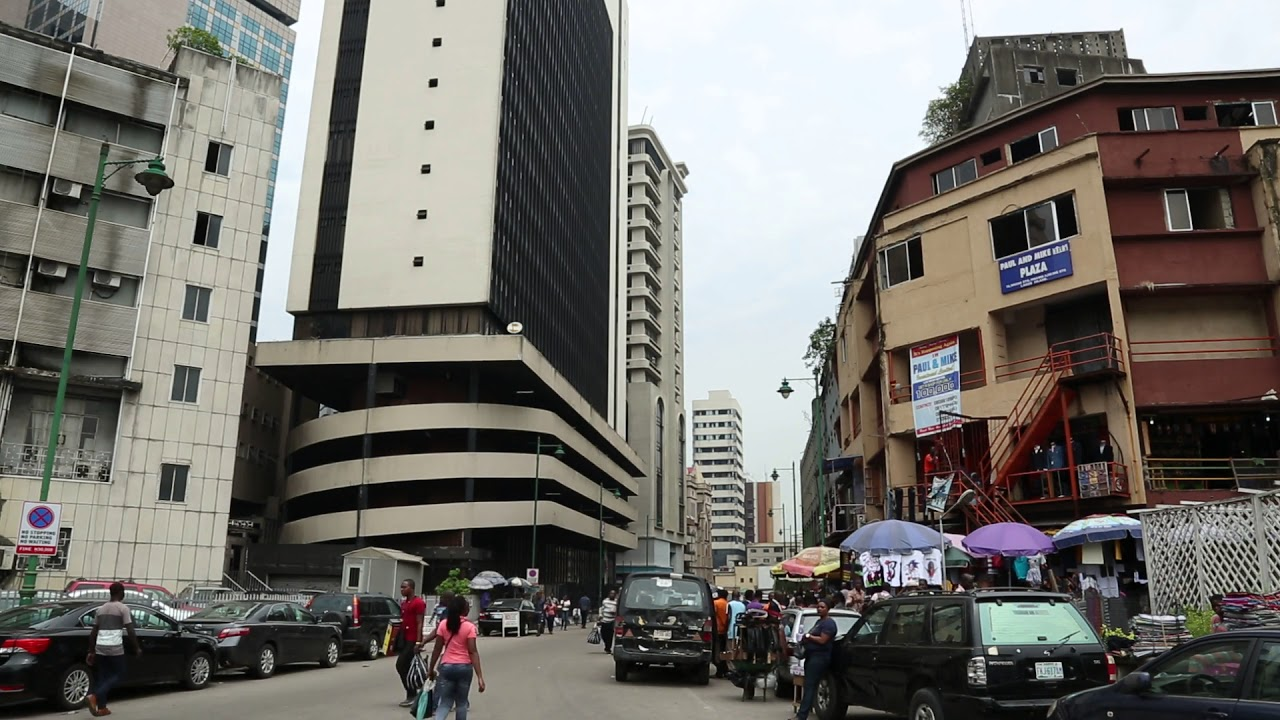
Lagos exemplifies the challenges that plague most African cities, but on a scale that seems daunting and amplifies the stresses and strains of urbanisation. Even if there is no general consensus on how many people live in Lagos, one thing holds true: the economic nerve of Nigeria is growing at an alarming rate. Though arguable, the State Government records the population of Lagos as over 21 million with a high influx of people from other parts of the country on a daily basis. When Lagos confirmed the first case of the novel virus in Nigeria, it quickly sparked memories of the fears of the Ebola epidemic that hit the megacity six years ago. Though it is believed that there is not enough testing going on, the State governor, has however shown leadership in the implementation of the response strategy so far.

The Informal Sector: What Does it Mean?

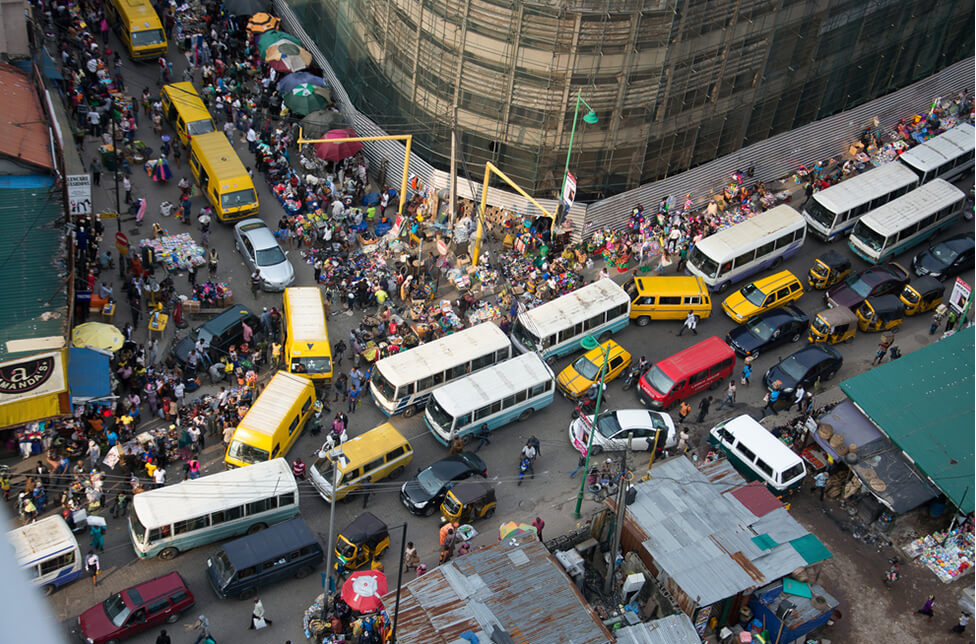
The informal sector represents a significant part of economies around the world, especially in developing countries. As described by many economists, the informal sector is a part of the economy not formally recognised or registered under any national legislation. From a non-economist perspective, it is invoked to refer to the street vendor in Ghana, the hawker in India, the shoe-shine worker in New York, the “danfo driver and conductor” in Lagos to mention a few. What these activities have in common is their ability to satisfy basic needs by harnessing informal opportunities and its impact on economies is becoming more significant. For example, in Uganda, about 13.67 million persons of working age (14 – 64 years) are engaged in the informal sector, which represents about 98 percent of the total working age population. In Nigeria, the Bank of Industry (BoI) acknowledges the informal sector as a major economic driver which contributed about 65% to the country’s GDP in 2017. 

COVID-19 and the Lagos Informal Sector 

As Lagos grinds to a halt amid increasing coronavirus cases and movement restrictions, Adebola Rebecca, a 46-year old trader, still visits her shop thrice a week. “How can I stop,” she said, with an edge of desperation in her voice. “For me to eat, I have to make daily income, it’s as simple as that.” Without regular patronage, Adebola spends much of her day sitting back in the hope of making sales to support her family. The struggle with Adebola’s business amid the COVID-19 pandemic captures the realities of millions of informal economy workers in Lagos. Social distancing has necessitated dramatic deviations in the world of work – a shift into remote working. However, such an easy transition only works in the formal sector. Informal sector activities thrive on physical interactions.

In addition, slums and unplanned settlements dotted across the city of Lagos serve as home to most informal sector populations, many of whom lack basic services like potable water, sanitation and decent housing. This reality aggravates their vulnerability during a health crisis, and makes stopping the spread of COVID-19 a complicated task to manage. That the informal workforce was not taken into proper account while declaring a total lockdown is reflective of their invisibility in the State’s consciousness and policymaking.

Amidst the closure of workplaces and avenues of employment, the lack of clear and positive assurances from the political leadership only exacerbated these workers’ anxieties. The economy as we know it was fragile even before the advent of COVID-19, but now the outlook is far worse as government efforts to confront the pandemic paralyze economic activity. No sector, worryingly, may be as vulnerable during the lockdown as the workers who toil in the State’s vast informal economy, employed in precarious work environments, and lacking any form of social security or welfare safety net.

Imagine a city like Lagos with a population of over 21 million and the informal sector is estimated to account for over 70 percent of the working population and approximately 42 percent of the economic activities within the State. This includes hawkers, roadside traders, vulcanisers, battery chargers, hairdressers, carpenters, bricklayers, etc. What this implies is that as the pandemic worsens daily, the majority of informal sector workers may have no option but to prioritise their economic needs over the health implications of the virus. This is not because they are not aware of the impending risks, but as a survival instinct and because the available welfare system is not far-reaching.

Responding to the Impact

As uncertainty envelopes the world and  with one-third of the world’s population (about 2.6 billion people) living in some form of lockdown, the implications are far-reaching. Analysts have described the impact of COVID-19 as being worse than the great depression of 1929 or the financial crisis of 2008. Hence, COVID-19 requires a novel and urgent response that can mitigate the increasing scale of disruption it is causing, especially in the most impacted sector such as the informal sector and communities where the vulnerable and poor reside. 

During the outbreak

  • All Hands on Deck Approach: The most powerful weapon in the fight against the spread and after effect of COVID-19 is public trust. The Government must have an open system in their strategies, policies and economic restructuring. Reinforcing this means getting ahead of the downward curve of contagious fear and social-economic breakdown with responsive communications tailored to local contexts and diverse population groups. Social cohesion and community participation must be an integral framework of strategies being developed by the Government leveraging on communal structures like community-based and faith-based organisations for delivering social welfare packages, water and sanitation facility, and poverty-fix palliatives.
  • Safety Net for All: During this crisis, the government needs to extend support to the poorest decile, most of whom depend on informal activities and who can’t access the CBN N50 Billion COVID-19 Credit Facility. If the stimulus package is implemented in its current form, large proportions of informal workers particularly in Lagos, who depend mostly on irregular daily wages with almost no safety nets to depend on will be left to fend for themselves. The negative impact of this is already being felt in some parts of Lagos where increasing crime rates have been recorded in the past few weeks. What if the Government initiates  a “special grant” to simultaneously address the needs of businesses in the informal sector? This grant can be disbursed through their various registered groups/associations within the State. Adopting this model will not only soften the impact of COVID-19 on the businesses in the informal sector, but it would also act as a trickle-up economic stimulus for the mainstream economy.

Beyond the Outbreak 

  • From Regulators to Enablers: Highly imbalanced societies like Nigeria will continue to give room for more actors in the informal economy. Post COVID-19, it will be in the State’s best interest to integrate the informal sector into their economic development plan in a way that reflects their spatial reality. Beyond taxation, the government should support the sector such  that it fits rightly into their context. For example, the pure water industry was conceived in a bid to exploit the gap created by an inadequate public water system. Policymakers were able to enable, to a large extent, the growth of the pure water industry by designating NAFDAC to guide and regulate drinking water production standards. This is an approach that can be transferred, though with modifications that fit other areas of the informal sector.  
  • Closing the Urban Services Divide: As lockdown stretches across the world, we are only beginning to understand how COVID-19 will affect the urban fabric. The current crisis offers an opportunity to reflect on how Lagos is being planned, managed, and brings concepts such as resilience to the front burner. For a rapidly growing megacity like Lagos, millions of people today lack access to essential services such as housing, water and healthcare, which intensified the challenges of responding effectively to COVID-19. Closing the urban services divide must be a priority going forward especially in informal communities, and this highlights the need for government and urban planners to take advantage of this crisis to plan and build a Lagos that truly works for all.

Moving Forward: An Integrated Approach for Africa 

From whatever standpoint you look at it, there is no doubt that the informal sector, particularly in developing countries is going to be the most impacted in the post COVID-19 economic crisis, and the active population subset in informal communities might fall short of being able to provide the basic standard of living. Studies have indicated that there is a strong correlation between informal employment and poverty. Hence, if critical measures are not put in place, we might begin to experience further increase in the poverty rates across parts of Lagos and by extension, Nigeria. Mirroring the realities in Lagos to other African cities, the experiences will be somewhat similar, necessitating the need for an integrated approach across Africa.

Policy makers in Africa need to recognise the important role the informal sector plays in their economies and begin to take deliberate actions to support and revive this sector during and post COVID-19, learning from experiences in cities like Lagos. Development partners e.g. WHO, United Nations are also critical in this fight for the informal economy and communities. For example, UN-Habitat released their COVID-19 response plan recently with a keen focus on supporting community driven solutions in informal communities. One thing stands sure, a post COVID-19 world will be incomplete without a thriving informal sector.
Ndubuisi Ekekwe To Speak in Rotary Club Ikoyi via Video

0

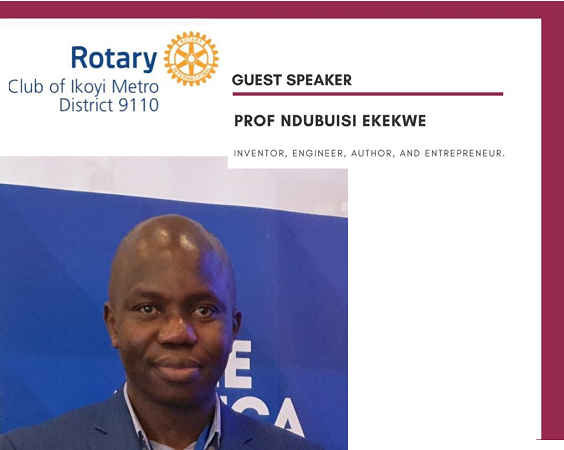
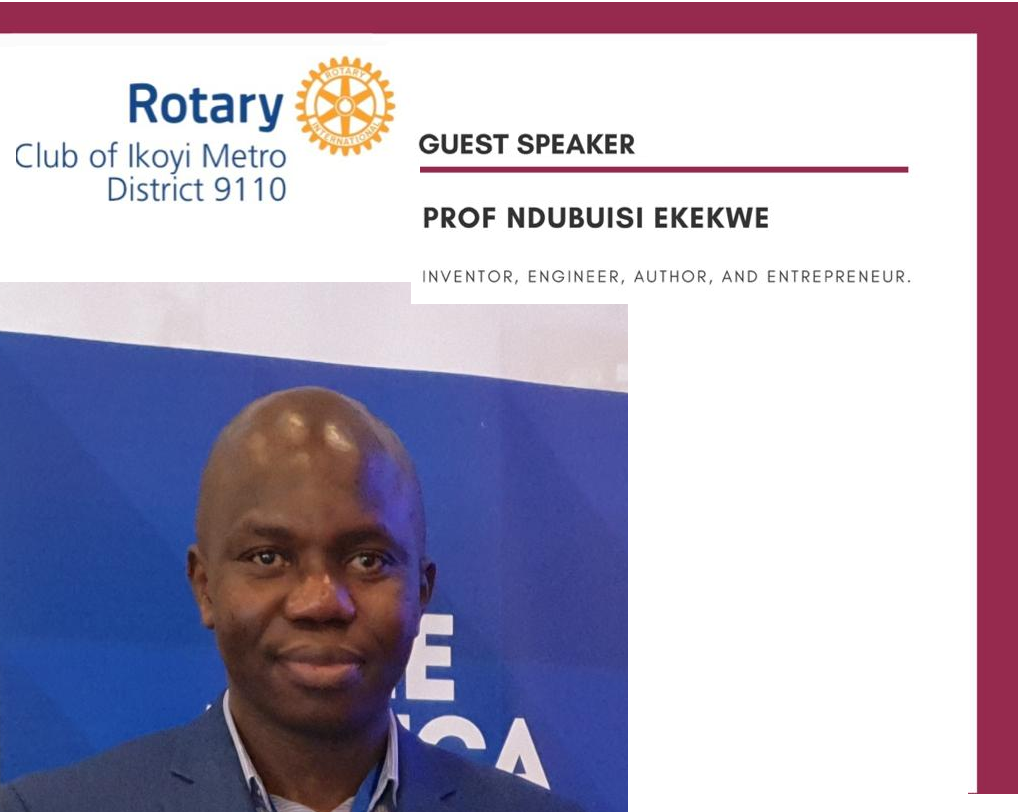
Those country club speeches, from New York City to Cape Town, Lagos to Barcelona, and more, are now zoomed! I will be speaking this week with Rotary Club Ikoyi. A new breakthrough now would be how to keep some of the richest citizens of this continent engaged on their phones and laptops for an hour. You cannot crack jokes as you cannot sense the room via zoom. Nonetheless, it would be a great one!

Headlines & Insights: What to Expect in the Market this week…

0

Extension or Relaxation of the Lockdown

Following the joint recommendation of Governors’ Forum and Economic Sustainability Committee, we expect the FG to gradually ease lockdown considering the fact that the economy is currently choking. The possibilities of an increase in social unrest and criminal activities is also a concern.


However, relaxation of lockdown may not be a given considering the rate of increase in infections in the last five days and what has happened in the last four weeks since the lockdown commenced on 29th March 2020. We have seen a growth of over 45% from 873 on 22nd April to 1,273 as at 26th April 2020, and growth of over 1,000% since the original lockdown on 29th March 2020 when infections were just 111.


Welcome Back CBN

If the lockdown is relaxed in 24 hours, we expect CBN to lose its ‘hide-and-seek’ game with Foreign Portfolio Investors (FPIs) and finally show face in the office on 28th April 2020. The implication of that is more dollars to the I & E window.

More dollars will not necessarily guarantee the stability of naira but it’s an indication that FPIs may finally have the opportunity to exit the fixed income and equities market.

Equities Market

Over a 13-day trading period, commencing 6th April 2020 the Market has gained over 9%, the last time that happened was in January 2020. The reason for this rare feat during ‘a pandemic’ is because foreign investors are currently trapped in the system with almost no option than to trade.

The return of the CBN with dollars may provide the exit they have been yearning for since March. Depending on how local investors can fill the space of FPIs, we may experience a free fall in ASI.

If your disposition towards risk is averse, if you are not a risk-taker, if you don’t like risk, now may be the time to watch the equities market closely or exit and head to the money market where you can enjoy some stability and capital preservation. If you are a risk seeker, taker or lover, you may want to continue your bargain hunts or exit now and come back in May.

Click on the link https://bit.ly/2XrvIf9 to open a stockbroking/share purchase account and trade within 24 hours.


Money Market Update:

At the current rate of inflation, you need returns that will take you closer to growing your wealth in real terms, we can provide that. Our money market fund is still open and yield is currently over 11.5%, reach out to our team to grow your cash. We are digital, we are working from home, we are online and we are active.

Click to subscribe to our money market fund https://trustbancasset.com/moneymarket/


News Headlines:
Nigeria Records 91 New Cases Of COVID-19, Death Toll Rises To 40
Nigeria on Sunday recorded 91 new cases of the novel coronavirus, bringing the country’s total infections to 1,273, according to the Nigeria Centre for Disease Control (NCDC). According to the NCDC in a tweet via its official handle, 43 of the new infections were recorded in Lagos, 8 in Sokoto and 6 in Taraba. The country’s total deaths from the virus now stand at 40 while 239 have recovered. Read more
Latest on the spread of the coronavirus around the world
More than 2.97 million people have been reported to be infected by the novel coronavirus globally and 205,948 have died, according to a Reuters tally, as of 0200 GMT on Monday. Read more
COVID-19: Presidential committee proposes gradual easing of lockdown
The sub-committee of the Economic Sustainability Committee led by the Minister of Works and Housing, Babatunde Fashola has proposed the easing of the current COVID-19 lockdown in some states and the Federal Capital Territory, FCT, Abuja. Recall that President Muhammadu Buhari had during a nationwide broadcast on March 28, ordered a complete lockdown for 14 days in Lagos, Ogun, and the Federal Capital Territory, FCT, Abuja starting from March 29 as a measure to contain the spread of the dreaded COVID-19 pandemic in the country. Read more
UNCTAD seeks $3.4tn debt write-off for Nigeria, others
The United Nations Conference on Trade and Development is calling for urgent measures to address the debt burden estimated at $3.4tn in Nigeria and other developing countries facing economic disaster as a result of the coronavirus pandemic. UNCTAD in a report released on Thursday said developing countries were facing a looming debt disaster as most of the revenue of these countries had shrunk. Read more
Probe N5.4bn NDDC PPE contract, group tells EFCC
A group, the Niger Delta Rights Advocate, has called on the Economic and Financial Crimes Commission to investigate over N5.4bn personal protection equipment and COVID-19 sensitisation contract awarded to a firm, Signora Concept Services Limited, by the Niger Delta Development Commission. The group also sought for the probe of the circumstances leading to the award of the contract by the Interim Management of the Committee of the NDDC. Read more
What N1.4trn CRR deduction by CBN means for banks
The Central Bank of Nigeria (CBN) has deducted a whopping N1.4 trillion from the banking sector’s Cash Reserve Requirement (CRR) as all Nigerian Deposit Money Banks (DMBs) and merchant banks failed to meet the 65 percent Loan-to-Deposit Ratio (LDR) at the end of March 2020. This is coming at a time when the COVID-19 pandemic has hit hard on the economy and financial sector. CRR is the amount in percentage of total deposits that the banks must keep with the CBN. Read more
Develop post-COVID-19 mining strategy, says agency chair
THE Chairman of the Solid Minerals Development Fund, Mallam Saidu Malami, has urged the National Economic Council to develop a post-COVID-19 economic strategy for the mining sector. He said that the solid mineral sector had become more critical for national development due to the fall in the price of crude oil. Read more
NNPC, partners to build medical facilities in states
The Nigerian National Petroleum Corporation on Sunday announced plans of delivering medical infrastructure in all states across the country. NNPC’s Group Managing Director, Mallam Mele Kyari, disclosed this when the corporation and its partners handed over an ambulance and medical supplies to Kano State. Read more
COVID-19: Unilever donates N200m products
Unilever Nigeria has donated its food and hygiene portfolio brands across the country to complement the government’s efforts in helping citizens to stay well and maintain hygiene necessary to fight the coronavirus in this period and beyond. Among the products donated are – Lipton, Knorr, Royco, Glen Tea, Lifebuoy, OMO, Sunlight soaps, Pears, Vaseline, Closeup, and Pepsodent. Speaking on this initiative, the Director, Corporate Affairs and Sustainable Business, Ghana and Nigeria, Mrs. Soromidayo George, commended the states and federal governments for leading effectively in the COVID-19 crisis. Read more
India’s refiner shuns Nigeria’s crude oil in Q1
India’s Reliance Industries, owner of the world’s biggest refining complex, saw its imports of Nigerian crude oil slump to zero in the first quarter of the year, compared to 9,800 barrels per day in Q1 2019. India has remained the single largest buyer of Nigerian crude oil in the past few years after the United States slashed its imports from the country on the back of its shale oil production boom. Read more
Asia shares rally as BOJ buys more bonds, U.S. crude skids

Asian shares bounced on Monday as the Bank of Japan (BOJ) announced more stimulus steps to help cushion the economic impact of the coronavirus, but the recent weak run in the global oil price showed no signs of ending. MSCI’s broadest index of Asia-Pacific shares outside Japan rose 1.8%, taking back a chunk of last week’s 2.6% decline. Japan’s Nikkei gained 2.6%, and Chinese blue chips 1%. After a soft start, E-Mini futures for the S&P 500 climbed 0.85%, while EUROSTOXX 50 futures added 2.6% and FTSE futures 1.35% Read more.

U.S. economy faces historic shock, with 16% joblessness possible, Trump adviser says
The shuttering of the U.S. economy due to the coronavirus pandemic is a shock of historic proportions that will likely push the national unemployment rate to 16% or higher this month and require more stimulus to ensure a strong rebound, a White House economic adviser said on Sunday. “It’s a really grave situation,” President Donald Trump’s adviser, Kevin Hassett, told the ABC program “This Week.” “This is the biggest negative shock that our economy, I think, has ever seen. We’re going to be looking at an unemployment rate that approaches rates that we saw during the Great Depression” of the 1930s, Hassett added. Read more
SEPLAT Petroleum Development Company Plc 2019 Annual Report and Notice of AGM
Lagos and London – 27 April 2020: SEPLAT Petroleum Development Company Plc (“SEPLAT” or the “Company”) confirms it has today published its Annual Report and Accounts for the year ended 31 December 2019 together with the notice of the Company’s seventh Annual General Meeting (“AGM”) and forms of proxy. The Company will hold its AGM at 11:00am (local time) on Thursday 28 May 2020 at 16a Temple Road (Olu Holloway), Ikoyi, Lagos, Nigeria. Read more
Oklahoma asks Trump to declare coronavirus an ‘act of God’ to help oil producers
Oklahoma’s governor has called on U.S. President Donald Trump to declare the coronavirus pandemic an “act of God,” a step to help oil-producing states contend with a crude glut that caused futures prices to close below $0 last week for the first time. “Over-production of oil continues to threaten the economy,” Governor J. Kevin Stitt said in a letter to Trump that Stitt posted on Twitter late on Saturday. Read more


Sears’ Catalog Has Speed, Amazon’s Search Provides Velocity and Direction Into Future

1

Good People, this week’s class note on Tekedia Mini-MBA is on the Board. As I shared a few hours ago, we are focusing on Perception Demand Marketing (read here), working on how to use perception to turn consumers into customers, and into fans, by creating products and services which do not just meet Needs or Expectations of customers but serve at the level of Perception. I offered some flash cases: iPhone, Diamond Bank’s DIBS, 23andme, Airbnb, etc. 

Here, as a very good Physics student in secondary school, I use Speed and Velocity (speed with direction) to explain the difference between Sears (a bankrupt physical superstore), and Amazon. Sears used catalog which has only speed, Amazon uses search technology which provides velocity. That velocity gives a DIRECTION into the future. To create perception demand, you do not give customers catalog options, you empower them to discover the future in your ecosystems. 

You move them from speed to velocity where while completing the distance of life, over time, they do so with a sense of direction. When you do that, you create a new basis of competition, and turn many into fans, creating leverageable moments of glory! Now, get to the board.

From Tekedia Mini-MBA Class Note

Sears, a bankrupt American retail chain, was built on catalogue – a fangled technology of its time. It was typical of industrial age business model: send the customers options on what they might need with no certainty on what they actually want. The discovery process was weak, defining the retailer with no sense to get insights at scale, quickly.

Amazon is built on search – a modern technology which is unconstrained and unbounded, only limited by the imaginations of the consumers. Search provides a window into possibilities, making it even possible that Amazon can see patterns on things it does not have in stock, and quickly respond to add them.

Search has velocity, catalogue has only speed; no antenna for direction. Search enables Perception Demand which enables the acceleration of consumerism by rewiring the mindsets of users to a new domain which they might have never imagined. As customer tastes move, your business must adapt. You need the antenna to move in the right direction to make that happen. Yes, in the 21st century, you win with Perception Demand.

Yes, no matter what you do, you cannot catalogue your customers. You need to find a way to help them discover the future in your ecosystem!

You can register for the next edition of the mini-MBA which begins June 22 here.

https://www.tekedia.com/mini-mba-2/

COVID-19’s Survivors, Nigerian Healthcare Workers Need Mental Healthcare Programme: An Interview with Opeyemi Ojabanjo-Lawal, Stablemums Founder

0

Editor’s Notes

As coronavirus continues ravaging businesses and people, despite efforts from the governments and civil society organisations, in this interview, Mrs Opeyemi Ojabanjo-Lawal makes case for a mental health programme for the survivors and healthcare professionals attending to the victims. According to her, this is necessary considering the fact that the pandemic has brought a number of psychological symptoms, which need management using holistic approach.  Mrs Ojabanjo-Lawal is the brain behind Stablemums, a non-governmental organisation that prioritises maternal mental health promotion and management in Nigeria.

Excerpts

Tekedia: We are in a new decade and the first major disaster is a global disease pandemic that has killed thousands of people and millions of victims. Can we say the World is being tested?

Opeyemi: I wouldn’t say the world is being tested. And if it seems, the world is being tested, then I believe the world is not being tested beyond what it can handle. It just a call to remind us that whatever affects my neighbour affects me.

Tekedia: How would you describe the situation in Nigeria from the perspective of the measures being used by the governments and other stakeholders since first index case?

Opeyemi: Since the first index case, it was obvious that government didn’t first understand what was happening until the cases increased. The government is trying their best, and they need to do more. I realized that the government (FG and SG) didn’t synergize because it is not just a Lagos or Abuja or Ogun issue, it is a national issue just like it is a global issue. It also shows that the government did not have a crisis management template to work it no matter how sketchy it may appear. They just relied on what they think other countries are doing without looking at the peculiarities of Nigeria. So far, the numbers are increasing and it is getting scary.

Tekedia: Every day, media are churning out figures about the cases, deaths and recoveries. What is your assessment of the approaches being used for the pandemic related information dissemination in Nigeria compare to other countries?

Opeyemi: I will say they are doing their job. Which is to inform and educate. However, they need to give information that raises hope and not dampen it.

Tekedia: Can we say dishing out figures of magnitude has the tendency of causing and increasing mental health issues among the populace?

Opeyemi: Yes, it has the tendency of causing and increasing mental health issues like Anxiety, Panic and even depression. The first thing people are seeing is the number of confirmed cases and they can be like what? For instance, when the figures were still in double digit, I couldn’t sleep for nights, I got edgy and wanted to be alone despite living with my family. It was as if, we are not making any progress as a people. Then I was pricked to look at the discharged figures but then, it wasn’t easy.

Tekedia: Since it is obvious, we can have that, as a social entrepreneur and director of a nonprofit organization that deals with mental issues among the women in Nigeria, how would you describe communicating issues around the virus using sensational approach?

Opeyemi: This is not a product or a new organisation. Covid-19 is a serious issue and so it doesn’t call for sensationalism. Covid-19 is not a dinner party, a luncheon, a brand unveiling. I understand that people still want to be happy despite all, describing Covid-19 as a joke is not funny because people are dying, jobs are being lost, economic indices and projections are somewhat not favourable and that is not funny. The more sensational we get about Covid-19, the less serious people who take it to be. Communication has to be filled with empathy.

Tekedia: What are your views on the people’s call for timely mental health care for the survivors and their family members in Nigeria?

Opeyemi: Better late than never. It is a good call. This period, I have had doses of anxiety and trying not slip into depression. The question is, what template or programmes do we have for mental health. Kudos to Mentally Aware Nigeria Initiative (MANI) but what we have in Nigeria presently is not enough. Thank God survivors are not named except for individuals who will like to be named. If we have the facilities to help survivors and their family members cope post Covid-19 discharge, it is a good one. Proper counselling, regular checkups (calls) among others. I believe it is the way to go because there is not health without mental health.

Tekedia: To the majority of Nigerians, who exchanged views with us, mental healthcare should be run along with the treatment of the affected persons, especially recovered people should be placed on mental health services because they have been distressed during the treatment period. What is your take on this?

Opeyemi: Yes, just like we are advocating for mental health care for mothers after delivery. It can be running side by side, especially for those who have shown signs of mental health issue in isolation or while undergoing treatment. Frontliners should be trained to communicate with the patients and ask questions as it also relates to the patient’s mental health so that you know who really needs it. Some patients might not want to be treated as a mental illness patient because of the perception about mental illness, however through proper communication and observation, it can be detected and help can be provided.

Tekedia: What are the possible factors that could contribute to mental health issues among healthcare workers exposed to the virus?

Opeyemi: It also has to be voluntary; you cannot coerce people to take treatment for what they don’t understand or don’t want to associate with. If any survivor shows signs of anxiety, panic or even depression, there is a way to go about it.

Tekedia: What is your observation about protection of healthcare workers on the frontline?

Opeyemi: Fatigue because of lack of manpower so many of them have to work round the clock. Uncertainty of whether they will also be infected/anxiety, non-availability of PPE, lack of trust in the system, state of health of such individuals/workers, bureaucratic nature our public institution etc. I really haven’t been in touch with health workers first hand. The last information I got about a friend who is isolating when someone tested positive to covid-19 in unit shows that, the level of their protection is very low and not encouraging. I belong to a group where a medical doctor’s post shows how anxious they are and am like if a doctor is sharing stuff like this, then they really must be afraid or scared.

Tekedia: What is message to individuals and businesses as the virus continues its spread through community transmission?

Opeyemi: The message to individuals and businesses is that once there is life, there is hope. Stay safe and adhere to the health guidelines at this time; wash your hands with water and soap, use alcohol-based hand sanitizer, clean surfaces with disinfectant. Do your very best to stay safe. Call appropriate authorities if you detect anything.