


After COVID-19, Innovative Financing Will Be Needed To Solve Africa’s Health Problems
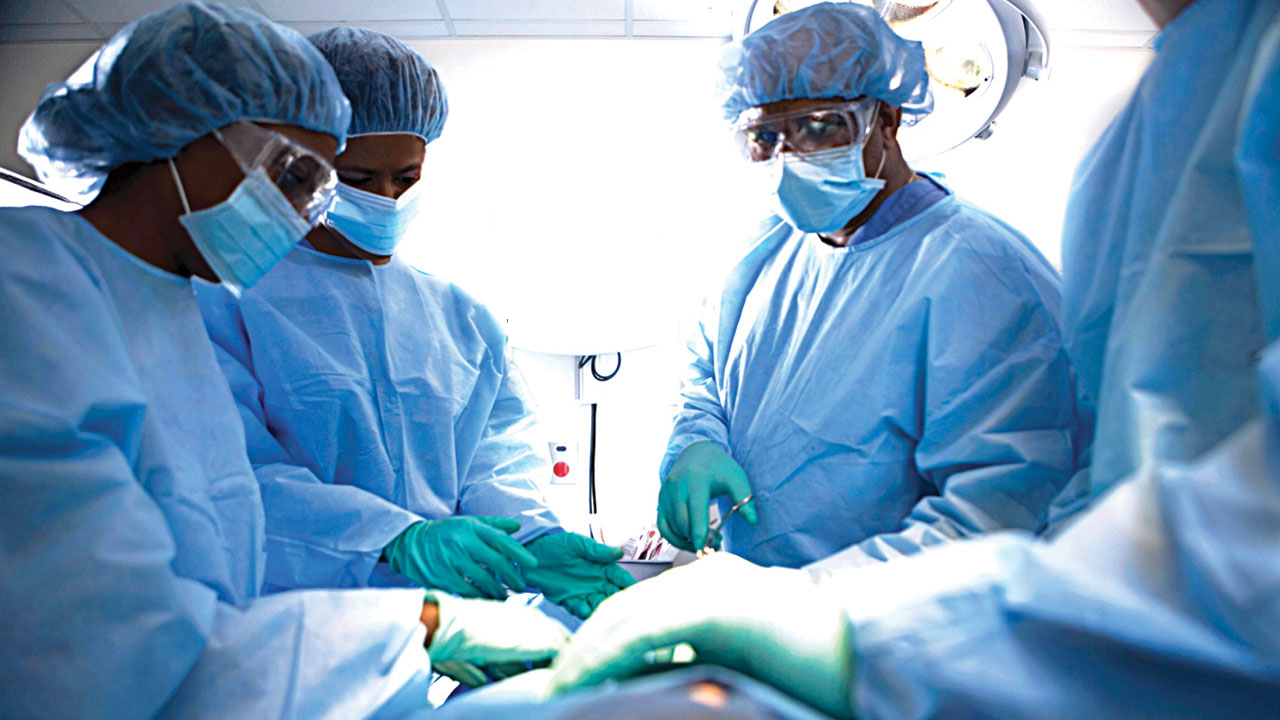
There are now over two million COVID-19 cases globally, and about 30,000 confirmed cases in Africa. The World Health Organisation (WHO) has said that at best the disease could kill over 300,000 people in Africa , while a worst-case scenario may lead to the death of as many as three million people. With this in mind, Africa could become the epicentre of deaths by the virus. Clearly, these statistics are scary, but they hint at the necessity of responsibility by African leaders. The global pandemic has set the conditions that will require Africans to look inwards if they are to proffer solutions.
There is a silver lining to that bad news. With the right interventions, COVID-19 will not be the end of Africa – many African countries will come out shaken but intact if the right interventions are done. Presently, countries on the African continent have enforced nationwide lockdowns. This includes the restriction of movements as well as the ban on large gatherings. While these are not the only necessary solutions to curbing the pandemic, they will go a long way to help flatten the curve.
A lot of things will change after COVID-19; economy, politics, government, religious beliefs, public health etc will change. Many of these changes will affect Africa. The defining moment will be how African leaders address these post-COVID changes. Most importantly, adequate focus must be given to healthcare. Years of neglect and underfunding has led to a massive decay and deterioration of healthcare systems in Africa.

Source: WHO
African leaders must invest in healthcare systems
Africa has suffered the effect of a crumbly health system for a long time. More so with the COVID-19 pandemic, the flaws in our health system have been further exposed. It would have been expected that a continent that has suffered the effect of many endemics such as malaria, polio, tuberculosis, HIV/AIDS and still battling with Ebola and Lassa fever would have been more prepared. As it stands, Africa is more vulnerable to the effect of the pandemic more than any continent of the world.
Africa is home to more than 70 percent of the worlds’ poorest people with the weakest health system globally. Limited public funding and lack of political will have been the major challenge affecting healthcare in Africa. For instance, the Nigeria government only budgeted N427.30 billion for health care in the 2020 budget, which amounts to just 4.14% of the budget. A breakdown shows that only N2000 (approximately $5) is budgeted per citizen for the entire year compared to 2,200 pounds ($2,700) that the UK government has budgeted per person in its 2020 budget. This is a far cry from the $34 to $40 a year per person that the World Health Organization considers the minimum for basic health care. So far, only five countries (Botswana, Rwanda, Zambia, Madagascar and Togo) have achieved the 2001 Abuja declaration target by Africa Head of States of 15% budget allocation for health by African countries.
After this pandemic is over, I expect African leaders to step up and invest massively in health care. I have a firm belief that with the right investments, Africa can solve its health problems. According to the Healthcare and Economic Growth in Africa report published by UNECA, Africa’s current health financing gap stands at $66bn per annum. To close this huge gap, innovative financing through Public-Private Partnerships (PPP) will be needed. Private investors need to take up impact investing if the Universal Health Coverage (UHC) target of the World Health Organisation will be met. I would love to see a PPP arrangement where the government provides the basic healthcare infrastructure while a private entity runs the operations. PricewaterhouseCoopers’ (PWC) report on models, lessons and trends for the future of PPP in healthcare identifies leading practices and innovations in healthcare PPPs.
Also, it is time for Africa to start localising its solutions to healthcare. In the years to come, the ability to create sustainable homegrown health solutions will be very significant. There has to be adequate funding and investment in pharmaceutical research so we can employ local solutions to our health problems. The copy and paste approach of the West adopted by the political class will not be able to solve our health problems. We cannot continue to depend on foreign help forever when there are opportunities for home-grown solutions. African governments need to open up the continent for local manufacture of drugs and health products and support health innovators to invent, deploy and scale up health solutions that are useful for local African communities. Local health innovations will also provide jobs and help in driving the economy.
It is time to support the growing startups and innovation culture that is deepening its roots in the continent so as to harness the potential of technology on the healthcare systems.
According to Forbes, there are over 600 technology hubs and incubators across Africa. African governments need to invest in more digital initiatives to fight against recurring and emerging health diseases and infections. For instance, in Uganda, Mamaope Jacket, a biomedical “smart jacket” designed by Brian Turyabagye, can quickly and accurately diagnose pneumonia, In Cameroon, Arthur Zang invented the Cardio Pad which is a handheld medical computer tablet that allows healthcare workers in rural areas to send the results of cardiac tests to specialists via a mobile phone connection. Lifebank, established by Temmie Giwa-Tunbosun is tackling the problem of blood shortage in Nigeria and till date has helped deliver over 2000 pints of blood to patients across Nigeria.
These initiatives show the availability of interest and capacity, what is lacking is reliable funding. Donor and multilateral organisations like the African Development Bank (AFB), Bill and Melinda Gates Foundation, Dangote Foundation, World Health Organisation, the World Bank and several others have continued to donate huge sums to tackle health challenges on the continent, but more needs to be done especially by the political class. Healthcare funding should be prioritized and there is no better time than now.
Dayo Ibitoye is a public policy analyst and International Development Practitioner. He writes from Abuja.
EU Members Agree on €1 Trillion Economy Stimulus Package
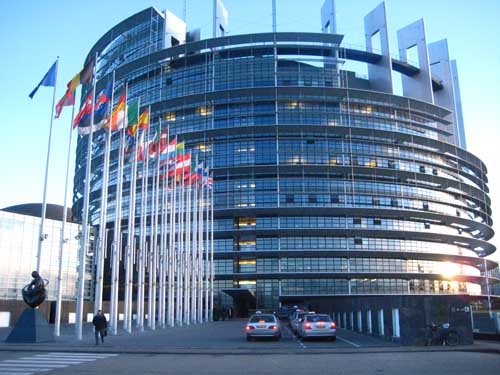
European Union (EU) leaders reached a deal for 1 trillion euro investment fund for the economy after a video conference held on Thursday. The body also confirmed that 540 billion euros will be injected into the economy through the existing mechanism.
Stabilizing the economy battered by the coronavirus pandemic has been a topic of discussion to European leaders for weeks now, and they had repeatedly failed to reach a consensus. But this time, there’s a change in the story.
“This fund shall be of a sufficient magnitude, targeted towards the sectors and geographical parts of Europe most affected, and be dedicated to dealing with this unprecedented crisis,” leaders of the 27 EU countries said in a statement after the video conference.
Part of the agreement is the plan to expand the EU’s budget from about 1.2% of GDP to 2% of GDP, using the additional fund as guarantee to borrow at low rates from financial markets.
The heads of EU governments also asked officials of the European Commission to urgently design a detailed proposal that will explain how the recovery fund will relate to the bloc’s budget for 2021-2027.
The 540 billion euros is an immediate stimulus package aimed at augmenting existing economic dynamics of the union members. 100 billion euros is to be used from the fund as wage subsidies as the leaders are working to prevent mass layoff of workers.
Kit Juckles, Societe Generale strategist said on Friday that there is a measure of confidence that the collective efforts of the European leaders will amount to something sizable.
“There are reasons for some optimism that, even if we don’t get as joined-up a response as we’d like overall, the European fiscal response to this crisis may yet end up being sizable,” he said.
As every country keeps strategizing its way out of the COVID_19 crisis, the European Union has a collective responsibility to its member nations to save itself from the economic downturn that is plunging further as days go by.
The International Monetary Fund has warned that the EU GDP will shrink by 7% this year, and according to available data, there has been a 20% to 30% crash in economic activities between March and April.
The greatest threat to the chances of the EU to overcome the economic challenges has been the disunity among the leaders. French President Emmanuel Macron said last week that the crisis may escalate to give populists a win if there is no financial solidarity between member states.
“If we can’t do this today, I tell you the populists will win… today, tomorrow, the day after, in Italy, in Spain, perhaps in France and elsewhere,” he said.
After the video conference, Macron said there has been consensus between EU leaders on the need for a “strong, coordinated response worth around 5 to 10 [percentage] points of GDP.” But there have been differences among the leaders on how the money will be disbursed.
The contemplation rests on whether the money should be given as grants or loans to hard hit countries like Spain and Italy. The challenge of adopting the grant option lies on the cooperation of other member countries. Giving the fund as grant or direct money transfer means other members will share to some extent, in repayment of the loan, a situation the Netherlands, Germany and Austria had long resisted.
However, Macron said it is important to protect the interest of every member country as there is equalizing in production and purchase, which makes every region of Europe important.
“The common market today benefits certain states or regions that are the most productive in Europe because they produce goods that they can sell in other regions. If we abandon these regions, if we abandon part of Europe, all of Europe will fall,” he said.
Italy is hoping that other members will show solidarity as it is desperate for economic recovery. But Prime Minister Giuseppe Conte, expressed satisfaction with the virtual meeting held on Thursday.
“It’s important because this is a necessary and urgent tool. It is absolutely necessary Italy is the first in line to ask for this,” he said.
The 540 billion euros will be released on 1st June while the details of how the longer term recovery plan will be funded will be discussed in another video conference scheduled for May 6. While the European Commission work to create a workable strategy acceptable to all, German Chancellor Angela Merkel said Europe should brace up for a long fight with the virus. She added that Germany will have to make higher contributions to the EU budget.
EU leaders agreed to follow the advice of the European Commission that urged EU countries to ease movement and lift lockdowns as the pandemic reduces.
Ndubuisi Ekekwe Joins A Federal University of Technology Minna Board
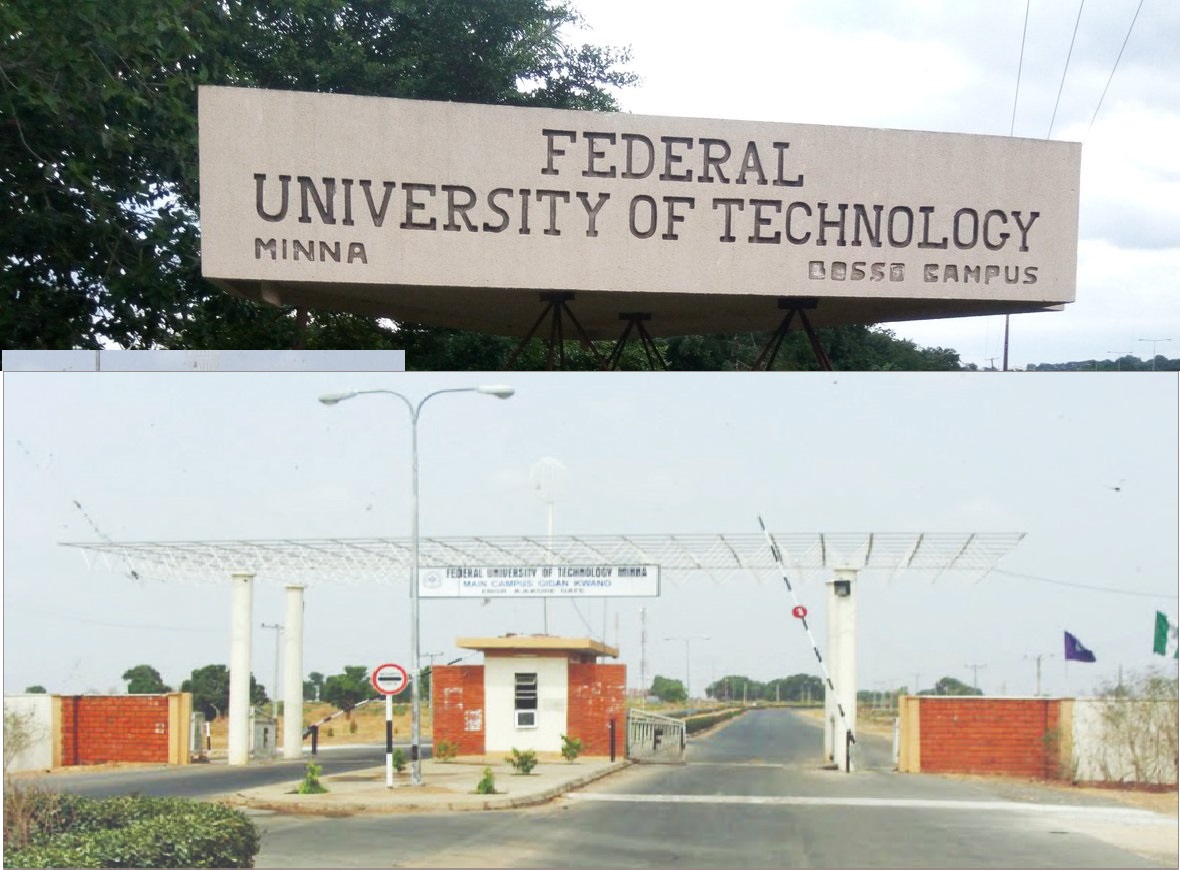
Ladies and Gentlemen, I am happy to share that I have accepted the invitation of Federal University of Technology Minna (FUT Minna) to serve in a very important Board of the University. This means that I would be visiting Minna, Niger State once the pandemic is over. Like FUT Owerri (my alma mater), FUT Minna, FUT Akure, ATBU Bauchi and MAUTECH Yola are special technical universities in our Nigeria.
Since the World Bank appointed me into the International Advisory Board of the $450 million Step-B project, I have maintained this tradition of helping when our schools call. Innovation, lab to market, etc would remain the tenets.
Thank you FUT Minna.
Covid-19 And Building The Ant-Hills Of Nations

As the world battles Covid-19, I refer you to this piece I wrote in the Harvard Business Review which has been translated into many languages and cited by organizations in leadership training. The Catholic church incorporated it in a leadership manual in New England. Like the African proverb – “the ant-hills are not built by elephants, but by the collective efforts of the little rejected ants” – we are learning that a critical part of those who build our societies are not really just those we see on TVs daily, but most times the collective efforts of just ordinary people – the cleaners, garbage men, nurses, mail women, drivers, doctors, etc.
A wise man in my village – Chief Okechi Kanu, the elder brother of former governor of Imo and Lagos states, Admiral Ndubuisi Kanu – corrected me many years ago, cancelling out “rejected” when I quoted that proverb as I pushed for more funds to be allocated for our local public secondary schools.
He was the president of the Ovim Community League, and I wanted him to support undergraduate students to return to the village, during vacation, to teach students in our secondary schools preparing for JAMB and WAEC, ahead of their upcoming exams. Yes, “Ndubuisi, the Students Union may be little, but Ovim can never reject its future”, he wrote in a reply as he approved the request.
May post Covid-19 bring decency, respect, and honour for ALL humans irrespective of pay grade or education attainment!