DD
MM
YYYY

PAGES

DD
MM
YYYY

spot_img

PAGES

Home Blog Page 6422

Understanding the Difference between Patriotic Criticism and Insult

3

Any criticism of a constituted authority that is bereft of patriotism is an insult to the entire system. In other words, any criticism of the president of Nigeria that is done without love for the country is an insult to the presidency, the country and every single Nigerian. Maybe, it is high time Nigerians understand why most of their “criticisms” are wrong.

Recently, a Twitter influencer, Mohammed Tawhidi, popularly known as Imam of Peace, used his Twitter page to drag Nigerian Presidency into the mud. He called President Muhammadu Buhari all sorts of degrading names and many Nigerians cheered him on, as well as attacked any person that disagreed with him. Imam of Peace really had a field day throwing insult upon insult on our president, even though Buhari didn’t come out to reply to him.

It is unfortunate that a lot of Nigerians believed that this influencer was fighting their battles for them. They said that Imam of Peace spoke for Nigerians, who couldn’t come out to stand up and declare the “incompetency” of Nigerian leaders. They looked up to Imam of Peace as their promised messiah and encouraged him to say more. No one is refuting the beliefs of these Nigerians but they need to ask themselves if Tawhidi is criticising the actions of the President or insulting Nigerians. And why he, all of a sudden, considered Nigerian president his target.

Understanding the difference between criticism and insult may go a long way in helping one to analyse the actions of Tawhidi.


  • Intention and Motivation


The difference between criticism and insult lies mainly on intents and motivations. Criticism comes into play when there is an intention to correct. It is a selfless act, which is used to analyse current actions that will have negative effects in the future. In other words, the reason behind every criticism is to correct or change what may affect the critic, the actor and other people around. It is motivated by the desire for positive change and development.

But insult is not meant to correct, but to inflict pain on the insulted. Insult mocks and intends to drag down the target and strip him off of his self-esteem. It is motivated by hatred, malice and the desire to harm and destroy. Besides, most insulters have ulterior motives, which most people fail to see until it is too late. These people never meant good for anyone; they are so selfish that they think of themselves alone. They don’t consider damages they are causing people around them.


  • Effects


The effect of criticism is improvement. It is constructive because it tells the subject what he did that may have an adverse effect, why it will have negative effect, and how that effect can be avoided or overcome. In other words, criticisms focus on actions and not on the subjects. Criticism also gives room for changes and critics are always quick to acknowledge positive changes in the person criticised.

Insults do not improve their targets; rather they make them worse off. The major problem with insults is that they target persons and not their actions. They bring up personal matters, some of which are embarrassing and will rather be kept private, and flag them off their targets’ faces. Insulters don’t tell their targets how to overcome their challenges but rather use them to taunt and threaten them, insisting that they (the insulted) are doomed already. Insulters never believe that a person will change. And even if the person changes, they will use his change to insult the person. That’s how pitiful it is.


  • Audience


Critics target intellectuals as their audience. They are not noise makers. They look out for the right kind of audience they know that may either be in the current criticised position or will soon be there. Because the intention is to correct and change, their audience cohorts are selective – those that need to learn from them.

But insulters are those that pull the crowd even though they (their audience) have nothing to offer. Among their audience bases are their sympathisers, their oppositions (enemies), the uninformed, and those who they can easily manipulate. They feed their large sympathetic audience with information that turns them against their targets. In the end, nothing good is achieved on either side.

People may debate on how democracy has granted them freedom of speech and expression; they also need to remember that the same democracy penalizes people heavily for character defamation. Self-expression does not encourage insults. If someone calls your father “a goat” before you, know it that you too are a goat because you are the son of a goat; it’s as simple as that. Like the Imam of Peace said, “A stupid president is always elected by stupid people”. And we elected our president, no amount of semantics can change that logic. So if we let him call our president dumb, we that elected him as dumboes.

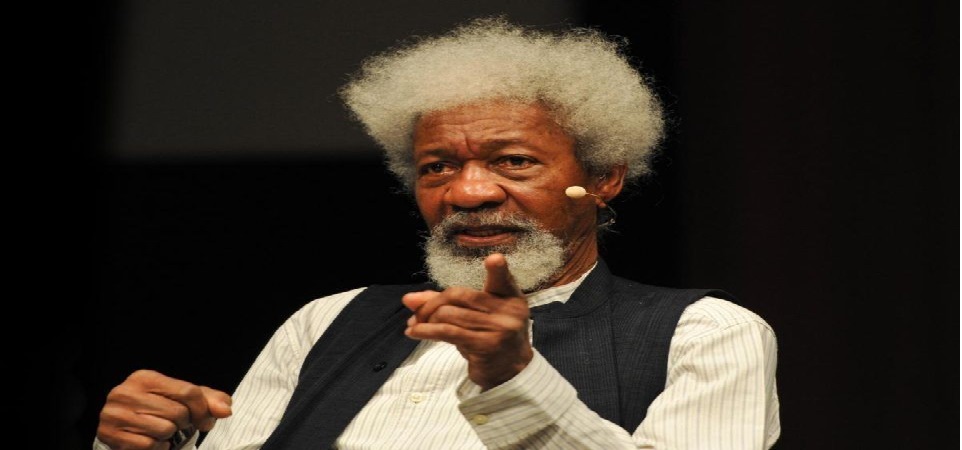
Yet, the presidency must also show a good example. Below is a statement credited to Garba Shehu, aide to President Buhari, on Nobel winner Wole Soyinka after the professor criticized a recent government policy decision. Nigeria needs civility in our national conversation.

“Perhaps Wole Soyinka may write a play on the coronavirus pandemic, after this emergency is over. In the meantime, we ask the people of Nigeria to trust the words of our doctors and scientists – and not fiction writers – at this time of national crisis.’’

Economy, Finance And Business News Headlines: 3rd April 2020

0
COVID-19 Update:


The number of people infected by Coronavirus was approaching 1 million yesterday, it has now touched that figure. As of Thursday evening, at least 51,000 people have died, and the virus has been detected in at least 171 countries.

In the U.S., the growth remains double-digit, the number of infections grew by 13.65% (14% yesterday) to 243,729 and deaths by 27.33% (23.8% yesterday) to 6,164.

Ten new cases of #COVID19 have been reported in Nigeria; 7 in Lagos and 3 in the FCT. As at 08:00 pm 2nd April there are 184 confirmed cases of #COVID19 reported in Nigeria. Twenty have been discharged with two deaths

Oil Market Update:

Mr. Trump said in a tweet that he had spoken with Crown Prince Mohammed bin Salman, who had spoken with President Vladimir V. Putin. “I expect & hope that they will be cutting back approximately 10 million barrels,” he said.

Then this…

“Saudi Arabia called on Thursday for an urgent meeting of the Organization of the Petroleum Exporting Countries and other oil-producing countries with the “aim of reaching a fair agreement to restore” balance in the oil markets. The Saudis said in a statement that they were acting to support the global economy and in “appreciation” of Mr Trump’s request.” NY Times

These developments are crucial for the stability of the oil market and Nigeria’s reserves as money from oil is the backbone of our reserves which currently stands at $35.16bn with over $8bn held as debt.

News headlines:

Buhari Insists on Project Implementation, Salaries’ Payment
President Muhammadu Buhari wednesday instructed members of the Presidential Committee on the Impact of COVID-19 on the Economy to ensure that the pandemic does not obstruct the implementation of critical infrastructure projects as well as payment of workers’ salaries. Read more
Foreign reserves shed $3.02bn in three months
The country’s foreign reserves have continued its downward trend dropping by $3.02bn from $38.53bn on January 2, 2020 to $35.51bn as of March 27, 2020, latest statistics from the Central Bank of Nigeria have revealed. Read more


Govs Urge CBN to Suspend States’ Debt Deductions
Governors of the 36 states of the federation have called on the Central Bank of Nigeria (CBN) to suspend all funds’ deductions from states and restructure their debt repayments. Read more
FG distributes cash to Anambra, Katsina, Nasarawa residents
The conditional cash transfer to the most indigent and vulnerable across the country by the Ministry of Humanitarian Affairs, Disaster Management and Social Development entered its second day on Thursday with a simultaneous rollout in Anambra, Katsina and Nasarawa states. Thursday’s rollout of the payments came on the heels of the previous day’s exercise in Kwali Area Council of the Federal Capital Territory where 5,000 registered beneficiaries were paid. Read more
Nigeria’s COVID-19 Cases Rise To 184 As NCDC Confirms 10 New Infections
The Nigeria Centre for Disease Control (NCDC) revealed in a tweet on Thursday that the total figure increased from the 174 cases reported yesterday. This comes shortly after the Lagos State Governor, Babajide Sanwo-Olu, announced that 11 more people had been discharged from the government’s facility in Yaba. Read more
Latest on the spread of the coronavirus around the world
The U.S. economy likely shed jobs in March, abruptly ending a historic 113 straight months of employment growth as stringent measures to control the coronavirus shuttered businesses and factories, confirming a recession is underway. Read more
Oil, shares slip on doubts over Saudi-Russia deal
Oil prices retreated on Friday after massive gains, while stocks in Asia edged down, as doubts grew over an oil price deal between Saudi Arabia and Russia that U.S. President Donald Trump said he had brokered. U.S. West Texas Intermediate (WTI) crude lost $1.14, or 4.5% to $24.18 a barrel in early Asian trade after having surged a record 24.7% on Thursday. Brent futures dropped $0.70, or 2.67% to $29.24. Read more
Dollar consolidates as hopes for quick recovery evaporate
The dollar edged toward a 2% weekly rise on Friday, boosted by a surge in the oil price and as investors sought safety amid the worsening economic fallout from the coronavirus pandemic. The gains consolidate the dollar’s strength after a rollercoaster end to last month, when it soared in a scramble for cash, then slumped as the U.S. Federal Reserve flooded the market with liquidity. Read more
U.S. economy to shrink at fastest rate since 1946, unemployment to top 15%: Morgan Stanley
The United States economy will shrink 5.5% in 2020, the steepest drop since 1946, with a huge 38% contraction predicted for the second quarter, Morgan Stanley said on Friday in a new batch of forecasts on the economic damage from the coronavirus outbreak. Read more
Devaluation and your wealth Continue reading …

The Challenge When Car Makers Become Ventilator Makers

0

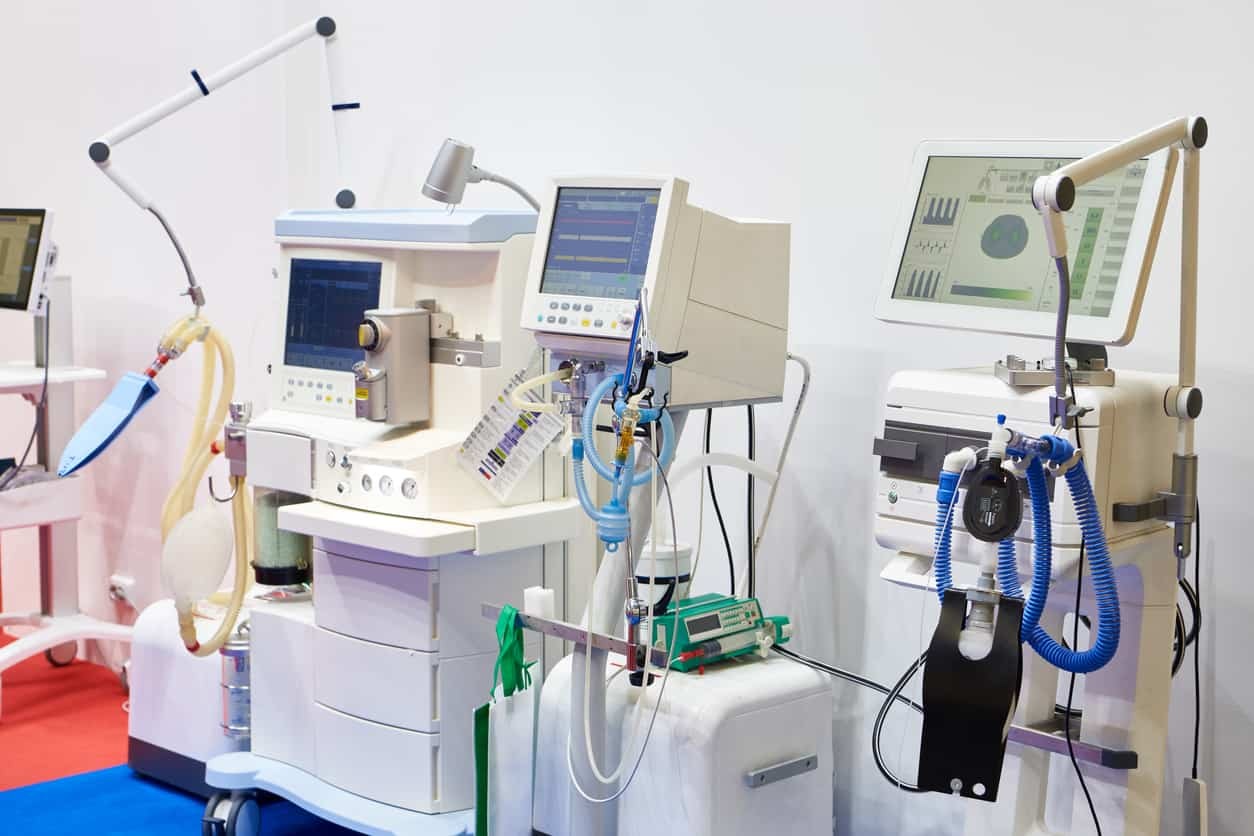
Countries around the world are racing to fill the unprecedented shortage of ventilators instigated by skyrocketing numbers of coronavirus cases. Caught off guard, many countries are turning to tech companies for speedy production as time races against lives.

In the UK, the government has turned to Dyson and Gtech as all options for quick response to the distress call have been exhausted. The two companies build vacuums and other motor-related airflow gadgets, and are banking on their experience to build ventilator hardware.

Dyson has gone to work in partnership with The Technology partnership (TTP) to deliver safe ventilators according to the approval of UK’s Medicines and Healthcare Products Regulatory Agency (MHRA). The ultimate goal is to build a ventilator hardware that will be approved for hospitals around the world. Named CoVent, Dyson said he can’t wait to produce enough as the technology required for the production is already in place.

“I am proud of what Dyson engineers and our partners at TTP have achieved. I am eager to see this new device in production and in hospitals as soon as possible. This is clearly a time of grave international crisis, I will therefore donate 5,000 units to the international effort, 1,000 of which will go to the United Kingdom,” he said.

Gtech, another home appliance and vacuum maker has also been approached to build up 30,000 ventilators according to the company’s owner Nick Grey.

In the United States, the government is turning to automakers for help. On Friday, president Trump said he was invoking the Defense production Act to make General Motors (GM) accept federal contracts to produce ventilators.

The U.S. has been badly hit by the COVID-19 pandemic, creating an emergency crisis in the health sector that requires drastic measures. The country has recorded a high number of deaths and the federal government is afraid that the toll could reach 100,000 in coming weeks. One of the factors yielding increase in the death of the patients is insufficient ventilators at the hospitals.

New York is the most affected state in America and Governor Andrew Cuomo said the state needs “astronomical number of ventilators” to care for the number of patients in the hospitals.

The United States has about 160,000 ventilators, and going by the rising number of confirmed cases, much more ventilators will be needed. The John Hopkins Center for Health security put the number at 740,000.

Five automakers in the U.S. GM, Ford, Toyota and Tesla have pledged to help. They said they will be teaming up with existing ventilator makers to pace the production up.

Italy and Spain and France are other countries in dire need of ventilators as the virus throws their health systems off balance. With over 13,155 deaths in Italy, 9,0353 in Spain and 3,523 in France, health facilities are crying out for help to reduce the number of fatalities climbing daily as a result of the overwhelming number of infected persons who need ventilators.

In Nigeria, the indigenous automaker, Innoson Motors has pledged to produce ventilators as cases keep rising daily. Nigeria is said to have about 400 ventilators which are quite insignificant for a country of 200 million people. It would aggravate its already bad situation if the push comes to shove. Though health authorities said that none of the 151 cases recorded so far in Nigeria has needed ventilators.

But making ventilators is not as easy as building a new model of a car; it requires more expertise and circumspection. The CEO of Hamilton Medical, a ventilator making company, Bob Hamilton said there is more to it than the government knows.

“It is not a question of throwing enough money and people at the issue,” he said.

It is believed that the required expertise in building ventilators is exclusive to those in the medical field and may require their supervision; if at all the automakers will try to get it right.

Ventilators come in different sizes, shapes and capacity, some being more complex than others. And so is the cost and function. The most critical coronavirus patient (stiffen lungs) may require a high spec ventilator that costs about $50,000, and a patient whose case is less serious may not need such a high-end machine.

So each of the machines is tailored to a particular need of a patient and requires a highly trained professional to operate it.

That makes the production difficult and the business is better left to traditional ventilator producers. Vafa Jamali, vice president at Medtronic said the production of ventilators is too complex for so many companies to get into its mass production.

“Because this is a lifesaving device, it can be off. Practice and experience making the parts is really, really critical,” he said. It means that experts, epidemiologists who are well versed in pandemics should be allowed to produce ventilators. The Industry veterans know their fields better than car manufacturers. The fear is that mass produced ventilators by automakers may end up killing more people than the disease it is designed to fight.

TrustBanc Daily Stock Market Scorecard, 2nd April 2020

0

According to CNBC, Trump said he expects Saudi Arabia and Russia to announce 10 million barrel cut.

It is estimated that possible cuts to oil production will stabilize the crumbling oil market. Until then, prices will continue to tank and the seas will remain burdened with cargoes of unsold crude oil from Nigeria and other oil-producing nations.

COVID-19: Confirmed global cases heading to 1 million, Spain death toll passes 10,000, US approaching 6,000 deaths, Italy reports 760 new deaths; taking total to 13,915, but a slower growth rate in infections.

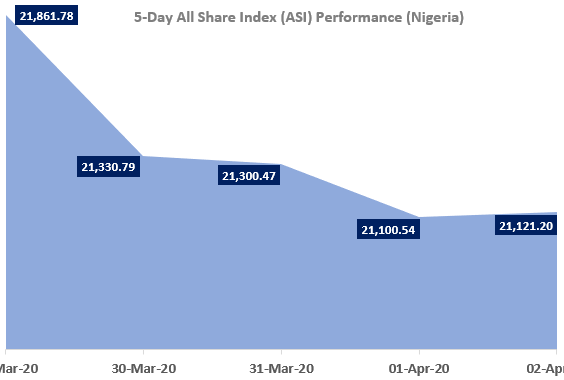
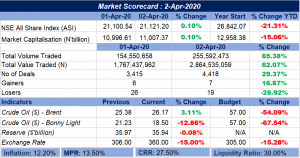
Dangote Cement led the gainers’ chart to pull the All Share-Index (ASI) up by 0.10% and abate the year-to-date loss of the market to -21.31%See the image below for a complete snapshot of market performance.

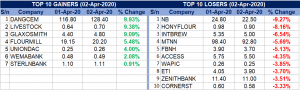
Market Breadth: The breadth of the market was weak today as the bears overwhelmed the bulls with 19 declining stocks as against 7 rising stocks. The gain in ASI was heavily supported by the gain of DANGCEM. See the list of top gainers or losers below:

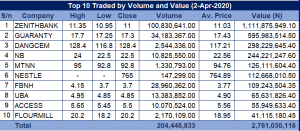
Market Turnover: Turnover appreciated by 65.38% in volume and 62.07% in value. See top 10 traded stocks below:

Have a great evening.

The Disruption of the Disrupter: Fighting A Virus Against A Business Model

2

After Covid-19, every business playbook would be revisited because nothing will remain the same. In this piece, Promise examines the challenges confronting the sharing economy with specific focus on ride-hailing companies like Uber and Lyft. Already, the virus has sent a clear message: owning assets is not just an economic equation but a security life-and-death one. Yes, when the Uber driver refuses to come close to take that loved one to a hospital, and the Police are tied up with other matters, a personal car becomes valuable.

While entrepreneurs are the major agents of change in the business world, nature is another agent of change. You see how Airbnb and Uber models disrupted the hospitality and the transport industries respectively. But today, Coronavirus is trying to disrupt these business models.

Uber has a double play strategy and is doing just fine with Uber Eats as people, caged at home, order food for home delivery. That partly explains why markets are voting that Uber will  thrive over Lyft: Uber 52-week low-high is $13 – $47, while Lyft is $14 – $76.

The end game, going back to my call, is that Uber and Lyft will merge. Covoid-19 may just make it happen faster. People, north, south, east and west, business models must evolve for companies to survive this virus paralysis. Yes, most redesigns must focus on business models as the architecture and heartbeat of economic systems – like community trust – are already wounded by Covid-19.

In this piece, I explain why Uber and Lyft will merge. The trajectories both are following show that they will have challenges with Lyft gaining on Uber, but the overall industry cooling. As soon as that happens, their margins, if they have any, will collapse. Once that happens, they will begin to talk of merger, with each other. Government will see their struggles, and will dismiss any anti-trust concern gone. The result: it will bless their union. Uber is today’s Category-King, but its  past behaviors have slowed it down, offering a window for Lyft to catch-up. As they become peer-competitors and rivalries, they will destroy the sector. Similar rivalries have ended together:: Elance/Odesk (now UpWork),  Groupon / LivingSocial,  Sirius / XM and  Rover / DogVacay. Please add DraftKings and FanDuel in the list; I predict they will merge also despite any FCC ruling, at the moment. They will struggle, owing to wounds they inflict on each other, in coming years, and will be saved via merger