DD
MM
YYYY

PAGES

DD
MM
YYYY

spot_img

PAGES

Home Blog Page 656

Meta Secures High-Profile Partnership with Midjourney for AI Image

0

Meta has struck a high-profile partnership with Midjourney — one of the fastest-growing startups in the AI image and video generation space, marking a step deeper into the artificial intelligence arms race.

The announcement, made Friday by Meta’s Chief AI Officer Alexandr Wang on Threads, signals Meta’s willingness to collaborate rather than compete outright, even as it spends billions building its own AI infrastructure.

Wang explained that the partnership is part of a broader strategy to secure every possible advantage.

“To ensure Meta is able to deliver the best possible products for people it will require taking an all-of-the-above approach,” he wrote. “This means world-class talent, ambitious compute roadmap, and working with the best players across the industry.”

The deal allows Meta to license Midjourney’s highly popular image and video generation technology, which has gained a cult following for producing artistic, realistic visuals. For Meta, it is a chance to rival models such as OpenAI’s Sora, Google’s Veo, and Black Forest Lab’s Flux — all of which are considered industry leaders in generative media. Meta itself has already experimented with tools like Imagine, an image-generation feature baked into Facebook, Instagram, and Messenger, as well as Movie Gen, which allows users to create videos from text prompts. But licensing Midjourney’s models could supercharge those efforts.

This partnership adds to Meta’s growing list of aggressive AI moves in 2024. Earlier this year, CEO Mark Zuckerberg authorized a massive hiring spree for AI talent, dangling compensation packages as high as $100 million to lure researchers from rivals. The company also poured $14 billion into Scale AI, a San Francisco-based data-labeling firm, and snapped up Play AI, a voice startup, to round out its AI portfolio.

Zuckerberg’s expansionist streak has extended even further. He has held talks with other AI labs about potential acquisitions. He was reportedly approached at one point by Elon Musk about joining his $97 billion takeover bid for OpenAI — a bid Musk ultimately failed to complete, and which OpenAI denied. Although Meta declined to join, the conversation underscored just how central AI has become to the future of the world’s largest tech companies.

While the financial terms of the Midjourney deal remain undisclosed, the startup is already a remarkable outlier in the AI space. Its CEO, David Holz, said in a post on X that Midjourney remains independent and has never taken on outside investment. That independence has made the company stand out in a market dominated by venture-backed AI labs burning through capital. At one point, Meta explored acquiring Midjourney outright, according to Upstarts Media, but Holz has so far resisted selling.

Founded in 2022, Midjourney quickly became a revenue powerhouse, reportedly on track to generate $200 million by 2023 from subscriptions that start at $10 per month and go as high as $120 for premium access. In June, the company released its first video-generation model, V1, signaling its ambitions beyond still imagery.

But in June, Disney and Universal sued Midjourney, alleging that its models were trained on copyrighted material — a legal battle that mirrors broader disputes facing nearly every leading AI company, including Meta. So far, courts have largely sided with tech firms, ruling that training on publicly available data falls under fair use, but the litigation remains a dark cloud over the industry.

The stakes are financial as much as technological for Meta. Its $14 billion bet on AI and the billions more it is spending on infrastructure and talent underscore a gamble that generative media will be a central part of its future products. Analysts say the Midjourney licensing deal will save Meta both time and resources in building image models from scratch, while providing a bridge to compete with OpenAI, Google, and others.

The deal also points to a broader trend: partnership is becoming as important as algorithms in the AI race. Meta announced a hiring freeze earlier this week, suggesting that its partnership with Midjourney is not just about artful images — it’s about shoring up its position in a rapidly consolidating industry. Meta platforms reportedly struck a six-year cloud computing deal with Google worth more than $10 billion


Presco Shareholders Approve Raising N250bn in Fresh Capital Through Rights Issue

0

Presco Plc is moving into a new phase of its corporate journey, with shareholders giving the palm oil producer a powerful mandate to raise as much as N250 billion in fresh capital through a Rights Issue.

The approval, secured at the company’s Annual General Meeting (AGM) on August 19, 2025, underscores both investor confidence in Presco’s growth trajectory and management’s ambition to strengthen its financial backbone for expansion.

The Rights Issue, according to the filing on the Nigerian Exchange (NGX), will see the company issue additional ordinary shares, the details of which will be determined by the Board. Importantly, any shares not taken up by existing shareholders could be made available to other investors, ensuring that Presco achieves full subscription. Alongside this, shareholders authorized the Board to adopt a flexible financing model that could combine both debt and equity, to be deployed in tranches as needed. This flexibility signals that Presco is preparing for capital-intensive expansion while hedging against market volatility.

A Windfall for Investors

Dividend approvals took center stage at the AGM, as shareholders ratified payouts from both the 2023 and 2024 financial years. For 2023, investors received N26.30 per 50 kobo share, translating to N26.3 billion in total dividends. But it was the 2024 payout that truly stood out. The Board declared N42 per 50 kobo share, equivalent to N42 billion, a sharp 59.7% year-on-year increase in dividend yield, with a payout ratio of 53.99%. For many investors, this was evidence that Presco’s operational strength was being matched by tangible shareholder returns.

At the governance level, non-executive directors also secured a revised remuneration package. Their fees were raised to N349 million for 2025, up from N152.7 million in 2024, with a sitting allowance of N56.3 million. While such increases often draw debate, the move reflects the company’s robust earnings and its intent to align governance incentives with growth.

Robust Financial Performance

Presco’s half-year 2025 results provided the financial backbone for these decisions. The company reported a pre-tax profit of N111.8 billion, a dramatic 121.8% jump compared to the first half of 2024. The surge was powered by a second-quarter performance that saw pre-tax profit hit N53.2 billion, more than double the N20.7 billion earned in the same quarter last year.

Revenue growth was equally striking. Second-quarter sales leapt 130.8% year-on-year to N104.9 billion, driving total half-year revenue to N198.7 billion—almost double the N88 billion reported a year earlier. These gains came entirely from its palm oil operations, with Nigeria contributing N146.4 billion and Ghana N52.2 billion.

Even with a 30.4% increase in cost of sales to N17.8 billion, Presco’s strong top-line growth drove gross profit to N87.1 billion, up sharply from N31.7 billion in H1 2024. The company’s balance sheet reflected this momentum: total assets rose 29% to N612.9 billion, while retained earnings jumped to N220.6 billion from N126.7 billion at the close of 2024.

Why the Capital Raise Matters

The planned N250 billion Rights Issue is not just about boosting liquidity. It represents Presco’s strategy to consolidate its dominance in the palm oil sector, an industry increasingly seen as both a domestic food security priority and a lucrative export driver. Palm oil remains one of Nigeria’s most critical agricultural commodities, and with global demand climbing, Presco’s ability to expand production capacity could cement its role as a regional powerhouse.

Analysts say the move also reflects a broader trend among Nigerian agribusinesses that are leveraging strong earnings to pursue capital-intensive projects, particularly to ease access to foreign exchange and imported inputs. By shoring up its capital base now, Presco aims to expand both cultivation and refining operations without being overly reliant on external borrowing.

For investors, the combination of record profits, higher dividends, and a bold capital raise paints a picture of a company betting heavily on its future. Presco’s latest results suggest that the bet might just pay off.

Musk’s X Corp Reaches $500m Agreement to Settle Severance Pay Lawsuit Filed by Fired Employees

0

Elon Musk and his social media company X Corp have reached a tentative agreement to settle a lawsuit filed by former Twitter employees who said they were owed $500 million in severance pay.

Attorneys for X Corp and the former Twitter employees reported the deal in a Wednesday court filing, in which both sides asked a U.S. appeals court to delay an upcoming court hearing so that they could finalize a deal that would pay the fired employees and end the litigation. The financial terms of the deal were not disclosed.

Before he finalized the Twitter acquisition, Musk floated the idea of cutting the micro-blogging app’s workforce to 2,000. This he justified with a reference to WhatsApp’s 50 engineers. WhatsApp was said to have 35 engineers for 450 million users, and grew to a team of 50 for 900 million users at the time.

Musk fired approximately 6,000 employees after his 2022 acquisition of Twitter, which he rebranded as X. Several employees sued over their terminations and severance pay, and other lawsuits are still pending in courts in Delaware and California.

The settlement would resolve a proposed class action filed in California by Courtney McMillian, who previously oversaw Twitter’s employee benefits programs as its “head of total rewards,” and Ronald Cooper, who was an operations manager.

A federal judge in San Francisco dismissed the employees’ lawsuit in July 2024, and they appealed to the San Francisco-based 9th U.S. Circuit Court of Appeals. The 9th Circuit had been scheduled to hear oral arguments on September 17. Attorneys for Musk and McMillian did not immediately respond to requests for comment on Thursday.

The lawsuit argued that a 2019 severance plan guaranteed that most Twitter workers would receive two months of their base pay plus one week of pay for each full year of service if they were laid off. Senior employees such as McMillian were owed six months of base pay, according to the lawsuit.

But Twitter only gave laid-off workers at most one month of severance pay, and many of them did not receive anything, according to the lawsuit. Twitter laid off more than half of its workforce as a cost-cutting measure after Musk acquired the company.

Musk’s Layoffs and Labor Disputes

The case is one of several legal battles Musk has faced since his $44 billion takeover of Twitter. The sweeping layoffs—carried out with little notice—sparked criticism not just in the U.S. but also in Europe, where labor protections are stronger. In Ireland and the UK, former employees also initiated legal challenges over abrupt dismissals and unpaid severance.

The severance battle highlights a growing tension between Musk’s cost-cutting approach to running X and existing corporate governance and labor standards. Analysts believed that Musk prioritized slashing expenses to keep the company afloat after the takeover, as X has struggled with revenue declines, advertising losses, and heavy debt from the buyout.

The tentative deal also comes as Musk continues to defend X against multiple lawsuits and regulatory probes, from unpaid rent and vendor disputes to content moderation battles with governments worldwide.

If finalized, the settlement could help Musk close one of the biggest remaining liabilities from his mass layoff strategy, though his legal headaches are far from over. The settlement is expected to gulp a chunk of fortune from the social media platform, which is still struggling with revenue decline.

How Credit Recovery Provides A Second Chance To High School Students

0

High school is often a pivotal time in a young person’s life, where academic success can pave the way for future opportunities. Not every student thrives in the traditional learning environment. Factors such as personal circumstances, learning disabilities, or disengagement can hinder their academic progress. This is where credit recovery comes into play, offering a lifeline for students who have fallen behind. Programs designed to help them recapture lost credits allow students to get back on track.

The Importance of Credit Recovery Programs

Credit recovery programs serve as vital resources in the educational landscape. They aim to assist students in fulfilling graduation requirements, offering an alternative path to obtain necessary credits. The flexibility of these programs allows students to learn at their own pace, catering to different learning styles and life situations.

These programs often include online courses, after-school sessions, and summer classes. Each approach helps create tailored educational experiences that motivate students. They are not just about attending more classes; credit recovery emphasizes mastery of material over mere attendance. This focus on comprehension enables students to understand fundamental concepts, making future learning more impactful.

How Credit Recovery Works

Initially, students are assessed to determine what courses they need to recover and their current academic standing. Following this evaluation, a personalized learning plan is created to ensure that the student can achieve their goals. The curriculum usually integrates technology and self-paced learning, making it accessible for those who may have other commitments. In many cases, credit recovery high schools offer evening and summer sessions to accommodate students’ schedules. This flexibility means that students can work, manage family responsibilities, or participate in extracurricular activities while still focusing on their education.

With this personalized approach, students engage in courses relevant to their interests, making the learning experience both enjoyable and meaningful. Educators collaboratively support students, providing feedback and encouragement throughout their journey to recover credits. This supportive environment fosters resilience and long-term student success.

Challenges of Credit Recovery Programs

While credit recovery programs provide important opportunities, they are not without their challenges. One significant issue is the perception of these programs as “easy” options for gaining credits. Some consider them shortcuts rather than complementary paths to learning. This misperception can undermine the effort invested by both students and educators. To counteract this stigma, schools need to communicate the rigorous standards and expectations inherent in credit recovery initiatives.

Funding can be a significant obstacle for some districts in implementing robust credit recovery programs. Limited resources may restrict the number of courses offered or affect the quality of instruction. Schools must advocate for more support to ensure that these programs succeed and reach those who need them most. Students often face personal and logistical challenges that can impede their recovery journey. Individual support and encouragement are important to overcoming these barriers.

Benefits of Credit Recovery for Students

The advantages of credit recovery programs extend beyond merely obtaining necessary credits. Students benefit from the personalized attention received and the opportunity to engage with the material more deeply. This process fosters academic achievement and a greater sense of personal responsibility and achievement. When students see their efforts translating into success, their confidence grows. This newfound confidence can positively impact various aspects of their lives, including career readiness and social interactions.

Another significant benefit is the skill development students experience through credit recovery. They learn critical thinking, problem-solving, and time management skills as they navigate their coursework. These skills are invaluable in both academic and professional settings.

The Role of Educators in Credit Recovery

Educators play a central role in the success of credit recovery programs by providing guidance and support. They are responsible for facilitating learning and creating an environment where students feel safe to make mistakes and learn from them. Teachers must adapt their instructional methods to meet the diverse needs of students, utilizing various strategies to engage learners effectively.

Educators serve as role models, demonstrating resilience and dedication to their students. Their investment in students’ futures significantly impacts how successful the programs can be. Training and resources for teachers facilitating these programs are important to ensure they can provide quality education and emotional support. This professional development fosters a culture of growth and improvement that benefits the entire school community.

The Future of Credit Recovery Programs

As education continues to evolve, credit recovery programs face the challenge of keeping pace with technological advancements and educational needs. The integration of innovative teaching methods and resources presents new opportunities for students. Virtual and hybrid learning models can provide even greater flexibility and accessibility for those who need to recover credits.

Schools must continually assess and update their credit recovery programs to ensure they meet the needs of modern learners. This includes seeking student feedback, evaluating learning outcomes, and modifying curricula based on real-world applications. As the education system recognizes the importance of inclusivity, credit recovery programs will likely remain integral, ensuring that every student receives the chance to succeed.

Reclaiming lost educational opportunities is crucial for high school students seeking to graduate. Credit recovery programs foster growth and resilience, allowing students to navigate their pathways successfully. These initiatives provide important resources and support systems that can alter the course of a student’s life by helping them secure their academic futures.

Waymo Secures First-Ever Autonomous Vehicle Testing Permit in New York City – Another Step Ahead of Tesla and Cruise in Robotaxi Race

1

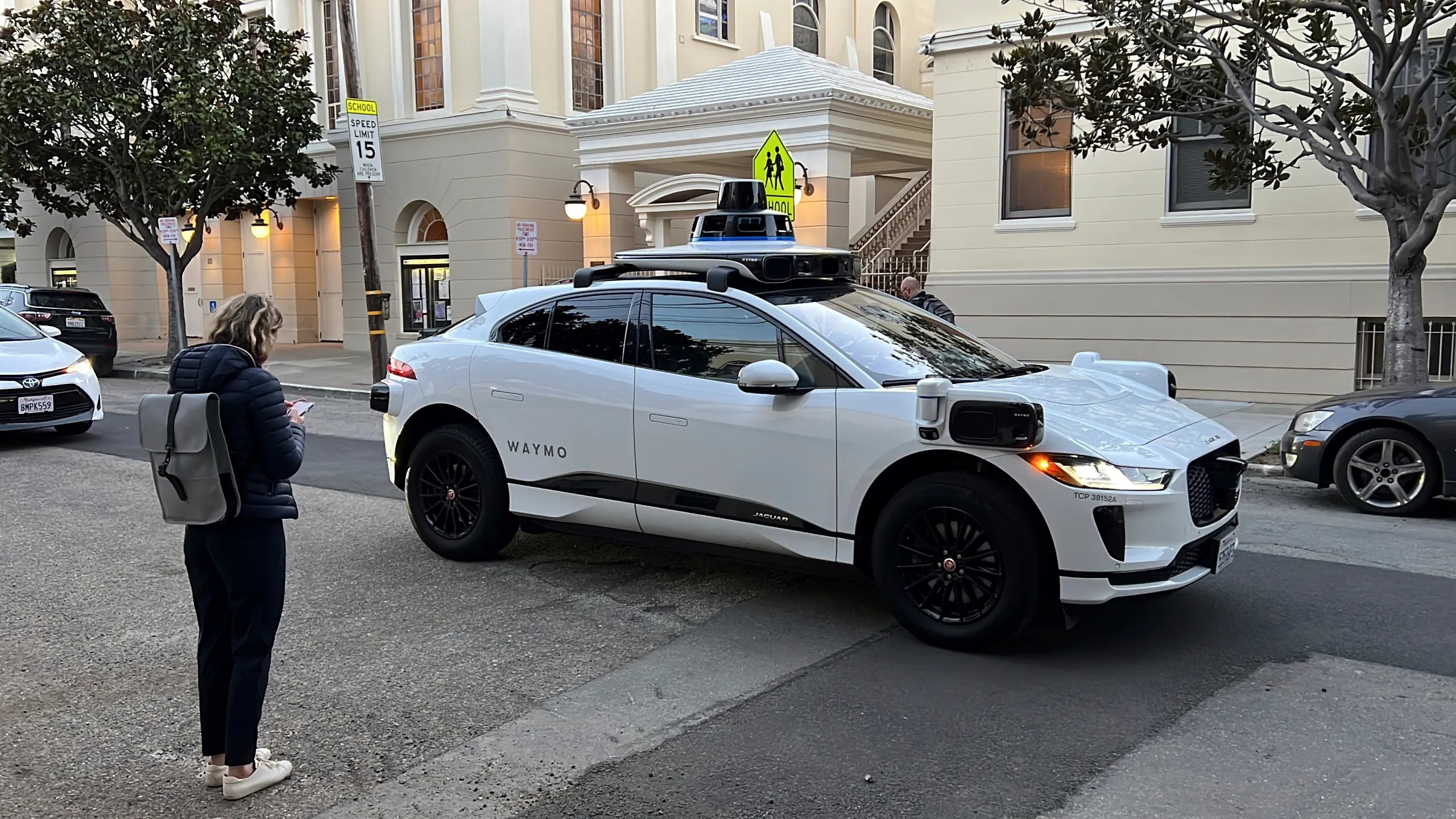
Waymo is getting one step closer to rides in New York City.

The Alphabet autonomous vehicle subsidiary received its first permit from the New York Department of Transportation on Friday to start testing in New York City, Mayor Eric Adams announced Friday. The rollout marks the city’s first autonomous vehicle testing launch.

Waymo will begin testing up to eight vehicles in Manhattan and Downtown Brooklyn through late September, with the potential to extend the program. Under New York state law, the company is required to have a driver behind the wheel to operate.

“We’re a tech-friendly administration and we’re always looking for innovative ways to safely move our city forward,” Adams said in a release. “New York City is proud to welcome Waymo to test this new technology in Manhattan and Brooklyn, as we know this testing is only the first step in moving our city further into the 21st century.”

The news comes just two months after the company said it filed permits to test its cars in the city with a trained specialist behind the wheel.

Waymo has hit expansion mode on its services nationwide, launching in Austin this year and expanding its San Francisco area operations in March. The company also plans to bring autonomous vehicles to Atlanta, Miami, and Washington, D.C., and recently announced operations in Philadelphia as it looks to break further into the Northeast market. In May, Waymo’s CEO said the company surpassed 10 million robotaxi trips — a milestone that underlines its lead in the U.S. driverless car race.

For years, autonomous vehicle companies have sought to introduce their technology to The Big Apple. Waymo itself previously took a crack at it in 2021, rolling out some cars in parts of the city for manual driving and data collection. The city has also signaled interest in hosting autonomous vehicle programs, with the Adams administration last year implementing a series of safety requirements for responsible testing and launching a permit program to regulate deployments.

As part of its current permit, Waymo must regularly submit data reports to the DOT and coordinate closely with law enforcement and emergency services.

Waymo’s edge over Tesla and Cruise

Waymo’s entry into New York also highlights the different paths autonomous vehicle companies are taking in the race to commercialize robotaxis. Unlike Tesla, which has pursued a vision-based system relying heavily on cameras and advanced driver-assistance under its “Full Self-Driving” (FSD) program, Waymo has doubled down on lidar and radar in addition to cameras. This sensor fusion approach provides 360-degree visibility and highly detailed 3D maps of the road, giving regulators greater confidence in its safety — a key reason behind its regulatory wins in multiple states.

Tesla is currently under federal investigation for failing to report crashes involving its partially autonomous driving technology in a timely manner.

Cruise, backed by General Motors, has also been in the spotlight, operating robotaxi fleets in San Francisco and Austin. However, its journey has been marred by safety concerns, including a high-profile accident in San Francisco that led to its permit being suspended in California last year. The setback slowed Cruise’s expansion plans and prompted greater scrutiny of its technology.

By contrast, Waymo has steadily gained approvals, bolstered by years of real-world testing and a cautious approach that emphasizes safety and compliance. The fact that it is the first to receive New York City’s blessing to put robotaxis on the road underscores its lead in the sector.

While Tesla continues to pitch a future where private cars double as robotaxis, and Cruise struggles to rebuild trust, Waymo has positioned itself as the frontrunner by proving regulators and cities can trust its lidar-powered vehicles on the nation’s busiest streets.