DD
MM
YYYY

PAGES

DD
MM
YYYY

spot_img

PAGES

Home Blog Page 672

Analysis: Boyd Gaming Sells FanDuel Stake to Flutter for $1.76 Billion

0

Names like FanDuel, Flutter Entertainment, and Boyd Gaming are well-known among gambling enthusiasts, and for good reason. FanDuel has established itself as one of the top iGaming platforms in the U.S., offering everything from daily fantasy sports and horse racing to sportsbooks and online casinos.

With over 17 million active users, FanDuel has become a major player in the space, thanks to its innovative approach and aggressive expansion strategy. A glance at the reviews over on Casino.org makes it clear how well a FanDuel casino bonus code resonates with users.

In a significant recent development, Boyd Gaming announced the sale of its 5% stake in FanDuel to Flutter Entertainment for $1.76 billion. The move not only reshapes FanDuel’s ownership structure but also positions both companies for further growth in a highly competitive market.

Inside the Deal

On July 31, 2025, Boyd Gaming Corporation officially completed the sale of its 5% ownership in FanDuel to Flutter Entertainment. Prior to this, Flutter already held a 95% stake, having built up its position over the years, starting with its initial investment in 2018, followed by further acquisitions in 2021 from Fastball Holdings.

This latest transaction gives Flutter full ownership of FanDuel, a move that CEO Peter Jackson described as one of the most transformative in the company’s history. He expressed confidence that full control would help Flutter unlock even more value from the FanDuel brand and accelerate its growth in the U.S. market.

What It Means for Flutter

Alongside the purchase, Flutter and Boyd extended their strategic partnership through 2038, which is expected to save Flutter around $65 million annually. The agreement allows for continued collaboration while reducing market access costs in key regions like Pennsylvania, Iowa, Kansas, and Indiana, where Boyd has operational reach.

Under the terms, FanDuel will relinquish control of Boyd’s retail sportsbook operations outside of Nevada, with Flutter managing those properties until mid-2026. After that, Boyd will resume full operational control.

Despite selling its stake, Boyd Gaming remains optimistic about the outcome. CEO Keith Smith highlighted the strong return on their investment and emphasized that the deal has positioned Boyd to pursue new growth opportunities and deliver value to shareholders. He also credited the partnership with FanDuel for elevating Boyd’s presence in the online sports betting space while maintaining profitability.

How FanDuel Has Grown Through Strategic Partnerships

FanDuel was once primarily known for daily fantasy sports, but the platform has evolved dramatically since Flutter acquired a controlling stake. Today, it stands as a powerhouse in U.S. iGaming and sports betting.

This evolution has contributed to the rapid expansion of the American betting industry. The U.S. market is currently valued at $17.94 billion, with projections estimating it could reach $33.2 billion by the end of the decade, reflecting a 10.9% compound annual growth rate (CAGR).

FanDuel now accounts for 43% of the U.S. sports betting market and 27% of the iGaming sector, reinforcing its status as a market leader. The platform’s seamless mobile experience and well-designed promotions have helped it stand out in an increasingly crowded field.

The Legal Landscape Helped Pave the Way

The growth of FanDuel and other platforms was largely made possible by a pivotal legal change. In 2018, the U.S. Supreme Court struck down the Professional and Amateur Sports Protection Act of 1992 (PASPA), opening the door for individual states to legalize sports betting.

Today, 38 states have legalized sports wagering, and 32 allow online betting. Flutter’s early move to acquire FanDuel shortly after the PASPA repeal proved to be excellent timing, allowing it to capitalize on this regulatory shift.

FanDuel’s growth has also contributed to Flutter’s rising profile on Wall Street. In January 2024, Flutter began trading on the New York Stock Exchange, with shares closing above $289 in July. Its U.S. operations, led by FanDuel, have posted an 18% annual revenue increase, a testament to the strength of the brand and its strategy.

Final Thoughts

FanDuel’s dominance in the U.S. gambling market is no accident. It’s the result of smart partnerships, well-timed investments, and a deep understanding of what players want. With the full backing of Flutter Entertainment and continued strategic alignment with Boyd Gaming, FanDuel is well-positioned to continue its momentum.

The recent stake acquisition reflects more than just a financial transaction, it’s a strategic consolidation that strengthens FanDuel’s leadership in the industry while allowing both Flutter and Boyd to play to their strengths. For players, shareholders, and industry observers, this move signals even more growth on the horizon.

Top-Trending Crypto For 2025: BlockDAG, Arbitrum, Render & Tron Poised for Big Gains

0

As the market moves deeper into 2025, investors are increasingly focused on top-trending crypto projects that combine strong fundamentals with tangible adoption. The speculative era is giving way to a demand for assets that deliver real value through scalability, innovation, and adoption.

This year’s standouts span several key niches, Layer 2 scaling, decentralized rendering, and blockchain infrastructure for stablecoins. But one presale project, BlockDAG, is pulling ahead with its rapid adoption and ambitious ROI projections. Alongside it, Arbitrum remains the dominant Layer-2 scaling solution, Render strengthens decentralized computing, and Tron continues its rise as a global leader in stablecoin issuance. Collectively, these tokens highlight the growth sectors shaping the 2025 cycle.

1. BlockDAG (BDAG): Presale Gains & 36× ROI Outlook

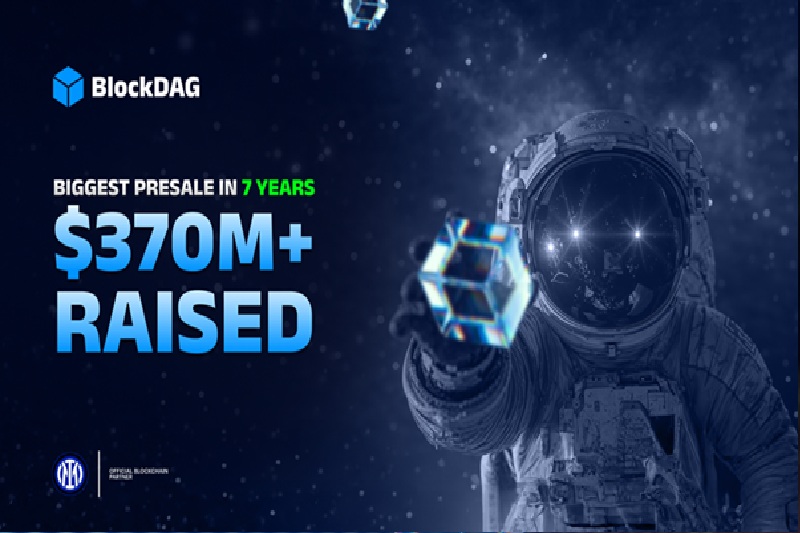
BlockDAG’s presale is reaching its most competitive stage, with the chance to secure early entry shrinking fast. Now in Batch 29, BDAG tokens are priced at $0.0276, with a post-listing projection of $1, signaling a 36× ROI for early investors. Having already raised $378 million toward its $600M target, demand continues to accelerate, with each batch sellout pushing the price higher.

Unlike speculative presale coins, BlockDAG is backed by substance. Its hybrid DAG + Proof-of-Work design delivers scalable, lightning-fast transactions while maintaining decentralization, a balance many projects fail to achieve. Adoption is already significant: 19,300 ASIC miners sold and 2.5 million users actively mining via the X1 app. Developers are also preparing dApps and integrations before the mainnet launch, ensuring an active ecosystem from day one.

The urgency is clear. Once Batch 29 closes, entry costs rise instantly, reducing potential gains. For those watching the top-trending crypto landscape, BlockDAG is emerging as 2025’s most anticipated breakout. Delay now could mean paying ten times more in just a few months.

2. Render (RNDR): Growth in Decentralized Computing

Render has held its spot as a top-trending crypto in decentralized computing, despite recent volatility. Currently trading near $3.82, RNDR gained 5% over the past week, though it dipped 7.4% in the last 24 hours. Daily trading volumes between $143M and $165M indicate steady interest from both retail and institutional players.

Render’s unique value comes from connecting GPU resources with users in industries ranging from gaming to AI. As demand for decentralized rendering and AI-driven services grows, Render is positioned at the intersection of two major technology shifts.

With a market cap of around $2 billion and strong developer momentum, RNDR remains a mid-cap project with significant room to expand if adoption accelerates further.

3. Arbitrum (ARB): Leading Ethereum Scaling

Arbitrum has been on a strong run, climbing 28% in the past week and securing its place as a top-trending crypto in the Layer-2 sector. Trading around $0.52, ARB has shown consistent strength despite a modest 4.3% daily dip. With trading volumes exceeding $1.2 billion in 24 hours, its liquidity and engagement remain robust.

As Ethereum’s leading scaling solution, Arbitrum continues to attract developers and users with its low fees and high throughput across DeFi, gaming, and dApps. Short-term forecasts suggest a retracement toward the $0.37–$0.52 range, but long-term adoption metrics support its continued relevance in 2025.

For infrastructure-focused investors, Arbitrum’s combination of technical strength and network growth solidifies its position as a Layer-2 project worth watching.

4. Tron (TRX): Stablecoin Adoption at Scale

Tron continues to prove why it ranks among the top-trending crypto networks for global adoption. Currently trading near $0.36, TRX is up 5% this week, supported by strong liquidity and consistent user growth. In 2025, TRON’s USDT issuance reached $75.7 billion, surpassing Ethereum and making it the leader in stablecoin transactions.

Its user base now exceeds 300 million accounts, highlighting its success in achieving mass adoption. Tron’s network benefits from consistent transaction activity and a reputation for reliability, strengthening its position in global blockchain infrastructure.

This blend of scale, utility, and adoption makes TRX a key contender for investors seeking stability alongside growth potential.

Identifying the Top-Trending Crypto

In a market where noise can overshadow substance, the top-trending crypto projects of 2025 are those balancing adoption with innovation. BlockDAG leads with a presale that offers both advanced architecture and a potential 36× ROI. Arbitrum continues to dominate the Layer-2 space, Render taps into decentralized computing demand, and Tron expands its global stablecoin infrastructure.

These aren’t fleeting hype-driven tokens, they are ecosystem builders shaping the future of blockchain growth. Whether investors choose early presale exposure with BlockDAG or established infrastructure plays like TRX, opportunities are diverse and potentially transformative. For those taking a forward-looking approach, these tokens may define what it means to be top-trending crypto in the years ahead.

Implications of Bo Hines Joining Tether and Tether’s U.S. Expansion

0

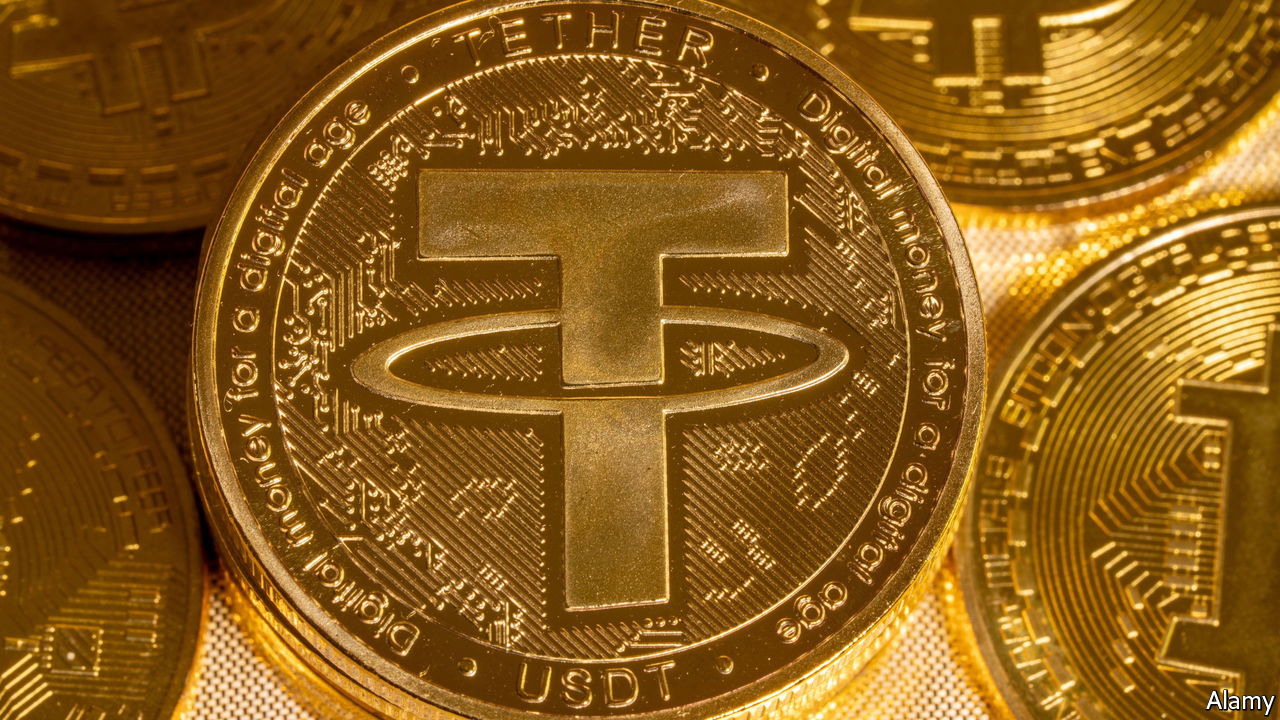
Bo Hines, former Executive Director of the White House Crypto Council under President Donald Trump, has joined Tether as Strategic Advisor for Digital Assets and U.S. Strategy, effective immediately, to spearhead the company’s expansion into the U.S. market.

Tether, the issuer of the largest stablecoin by market capitalization, USDT, announced the appointment on August 19, 2025, just over a week after Hines resigned from his White House role on August 9, 2025. During his tenure at the White House, Hines advanced initiatives to foster digital asset innovation, supported the passage of the GENIUS Act for stablecoin regulation, and built relationships between the government and the blockchain industry.

In his new role at Tether, Hines will focus on shaping U.S. strategy, engaging with policymakers and regulators, and overseeing the launch of a new dollar-backed stablecoin planned for late 2025 or early 2026. Tether’s CEO, Paolo Ardoino, highlighted Hines’ policy expertise and leadership as key to strengthening the company’s U.S. presence.

Hines’ experience as Executive Director of the White House Crypto Council equips him with deep insights into U.S. policy and regulatory frameworks. His involvement in advancing the GENIUS Act, which aims to regulate stablecoins, positions him to guide Tether through the complex U.S. regulatory environment.

This is critical as Tether has faced scrutiny over its reserve transparency and compliance, and Hines’ expertise could help address these concerns, fostering trust among regulators. Tether’s planned launch of a new dollar-backed stablecoin by late 2025 or early 2026 signals a strategic push into the U.S., where stablecoin adoption is growing but regulatory clarity remains a hurdle.

Hines’ relationships with policymakers and industry stakeholders could facilitate partnerships, improve Tether’s reputation, and secure a foothold in a key market, especially as competitors like Circle (issuer of USDC) already have a strong U.S. presence. Hines’ role involves engaging with U.S. policymakers, which could help shape favorable stablecoin regulations.

His prior work bridging government and blockchain industries suggests Tether aims to influence policy debates, particularly as the U.S. seeks to balance innovation with financial oversight. This could position Tether as a leader in shaping the future of digital assets in the U.S.

Tether has faced ongoing criticism over the transparency of its USDT reserves, with past fines (e.g., $41 million by the CFTC in 2021) and questions about its backing. Hines’ appointment, combined with Tether’s expansion plans, signals a commitment to addressing these concerns through regulatory compliance and a U.S.-focused stablecoin, which could bolster investor trust.

Why Tether’s U.S. Expansion is Critical for Investor Confidence

The U.S. has stringent financial regulations, and Tether’s proactive engagement with regulators through Hines’ leadership demonstrates a commitment to compliance. A regulated, U.S.-based stablecoin could alleviate investor concerns about USDT’s reserve backing and operational risks, especially given past controversies.

Compliance with U.S. standards would signal stability to institutional and retail investors alike. Tether’s USDT holds a dominant market share (over $115 billion in circulation as of August 2025), but competitors like Circle’s USDC have gained traction due to their U.S.-based operations and regulatory clarity.

Expanding into the U.S. with a new stablecoin positions Tether to compete directly with USDC, reassuring investors that it can maintain its market lead in a highly competitive landscape. Launching a U.S.-based stablecoin requires adherence to strict auditing and reporting standards, which could address long-standing criticisms of Tether’s reserve transparency.

Regular attestations and regulatory oversight would provide investors with greater assurance of USDT’s stability and backing, reducing perceived risks. The U.S. is a hub for institutional investment in crypto, with firms like BlackRock and Fidelity exploring digital assets. A regulated U.S. presence would make Tether more attractive to these players, driving adoption and liquidity.

Tether’s operations have historically been based outside the U.S. (primarily in Hong Kong and the British Virgin Islands), exposing it to geopolitical risks and regulatory uncertainties. A U.S. expansion diversifies its operational base and aligns it with a stable, dollar-based economy, reducing risks for investors concerned about jurisdictional issues.

USDT is a cornerstone of crypto trading, used as a liquidity bridge across exchanges. Any loss of confidence in Tether could destabilize the broader market, as seen in past stablecoin depegging events (e.g., UST in 2022). A successful U.S. expansion, backed by regulatory compliance and Hines’ strategic leadership, would reinforce Tether’s role as a stable pillar, reassuring investors across the ecosystem.

Tether’s U.S. expansion, led by Bo Hines, is a strategic move to align with regulatory expectations, compete effectively, and rebuild investor trust. Success in this endeavor could solidify Tether’s dominance in the stablecoin market and enhance confidence among investors, while failure to navigate U.S. regulations could undermine its credibility and market position.

2025’s 8 Best Crypto Coins to Buy for High Gains

0

Have you ever wondered why meme coins have suddenly become the darlings of the cryptocurrency world? What is it about these digital assets that sparks such intense enthusiasm and rapid growth? From viral social media hype to innovative reward systems, meme coins are rewriting the crypto playbook. In this electrifying wave, Arctic Pablo Coin, SPX6900, Osaka Protocol, Peanut the Squirrel, Brett, Book of Meme, Neiro, and  Dogwifhat are all rising stars capturing attention across the globe. But which of these tokens holds the true potential for extraordinary returns? And more importantly, which one should be on your radar right now?

Among these, Arctic Pablo Coin is positioning itself among the game-changing Best crypto coins to buy, setting itself apart with community-driven features and a dynamic presale phase that’s sparking significant excitement. Can any other meme coin match its blend of innovation, staking rewards, and skyrocketing ROI projections? Keep reading to explore how Arctic Pablo Coin’s unique ecosystem might just be the most brilliant move for investors hungry for serious gains — before the window closes.

1. Arctic Pablo Coin’s Community Competitions: The Best crypto coins to buy

What makes Arctic Pablo Coin a standout choice for savvy investors? One remarkable feature is its community competitions that transform the usual token-holding experience into an interactive earning adventure. Imagine participating in contests where winners receive rewards not just in APC tokens but also in cold, hard USD. This strategy isn’t simply about speculation — it’s about active engagement, where every participant has a chance to boost their portfolio by simply being part of the Arctic Pablo community. These competitions ignite enthusiasm, spark ongoing involvement, and make the coin’s ecosystem vibrant and rewarding.

This innovative approach gives Arctic Pablo Coin a distinct advantage, making it one of the Best crypto coins to buy options. The ability to earn tangible rewards beyond price appreciation sets it apart from typical meme coins that rely solely on hype. Could this be the future of crypto communities—where fun, competition, and earning collide in a seamless experience? Arctic Pablo Coin seems to be answering that call right now.

Ice Ice Baby Presale Storm: Double Tokens, Explosive ROI Awaits

Arctic Pablo Coin’s Stage 37 “Ice Ice Baby” meme coin presale is roaring with unstoppable momentum, priced at just $0.00088 and already pulling in over $3.5 million. The numbers are jaw-dropping: 809% ROI projected at listing price $0.008, soaring to 11,263.63% if analysts’ predictions of $0.1 hit the mark. Early believers are smiling with 5,766.66% ROI already in the bag. Here’s the kicker—investing $1,000 today gets you 2,272.720 APCs with a 100% bonus using the case-sensitive code BONUS100. That small stake grows into $18,181.76 upon listing. The slogans say it best: “Ice Ice Baby — Double Your Tokens Before the Heat Hits,” “Freeze the Price, Double the Tokens,” “2x the Tokens, Same Cool Price,” and “Chill Out With a 100% Token Bonus.” Miss this stage, and you’ll be left watching others ride the wave.

2. SPX6900: A Next-Gen Meme Coin with Promising Utility and Momentum

SPX6900 is making waves as a meme coin that goes beyond simple hype. Built with a focus on fast transactions and community empowerment, it’s quickly gaining traction among crypto enthusiasts who want both speed and engagement. With a growing user base and innovative features like liquidity pools designed to support stability, SPX6900 is carving out its niche in the crowded meme coin space. Its rising popularity and strong roadmap highlight why it deserves a spot on this list of promising coins.

The reason SPX6900 earns a place here is its blend of technical innovation and community trust, making it an exciting contender alongside more established names.

3. Osaka Protocol: Bridging Memes and Real-World Applications

Osaka Protocol has stepped into the meme coin arena with a fresh vision—integrating meme culture with practical blockchain solutions. This protocol aims to offer scalable smart contracts while riding the wave of meme coin popularity, targeting developers and investors alike. Its unique approach to combining fun and function has attracted a loyal following and sparked anticipation for future releases.

Osaka Protocol stands out because it’s not just chasing trends; it’s building a sustainable ecosystem that promises utility beyond the buzz.

4. Peanut the Squirrel: Playful Branding Meets Serious Growth Potential

With its adorable mascot and catchy name, Peanut the Squirrel is capturing attention in the meme coin market. Beyond its lighthearted image, this coin offers investors an engaging platform with staking rewards and active community involvement. Its fun branding helps it resonate with a younger demographic hungry for fresh crypto experiences.

Peanut the Squirrel made this list due to its growing adoption and creative community-building strategies.

5. Brett: Meme Coin Meets Strong Tokenomics

Brett distinguishes itself by combining meme appeal with solid tokenomics, offering both entertainment and economic incentives. Designed for long-term holders, Brett provides staking options and rewards that encourage users to stay invested and engaged. Its transparent roadmap and frequent updates keep the community excited about what’s next.

This project’s balance of fun and fundamentals earns it recognition as a promising meme coin to watch.

6. Book of Meme: Storytelling Through Crypto

Book of Meme leverages storytelling as a unique selling point, weaving narratives around its token and community. This approach creates deeper engagement and loyalty, transforming holders into passionate participants. The coin’s social media presence is vibrant, and its roadmap hints at upcoming features that could further enhance its value.

It made the list for its innovative use of storytelling to build a strong community foundation.

7. Neiro: AI-Powered Meme Coin Innovation

Neiro brings artificial intelligence into the meme coin space, offering an intriguing blend of tech and hype. Its AI-driven platform aims to optimize trading and engagement, setting it apart from competitors. The novelty of AI integration generates buzz and curiosity among investors looking for the next big thing.

Neiro is included for pioneering AI applications within the meme coin ecosystem.

8. Dogwifhat: Quirky Vibes with Growing Interest

Dogwifhat rides the meme wave with a quirky theme and approachable branding. It’s gaining ground through social media campaigns and partnerships, appealing to meme coin fans seeking new, playful options. While still in early stages, the project’s momentum suggests potential for meaningful growth.

It’s here for its growing community and unique market positioning.

Last Words: Arctic Pablo is among the Best crypto coins to buy

Based on the latest research, the Best Crypto Presales to buy include Arctic Pablo Coin, SPX6900, Osaka Protocol, Peanut the Squirrel, Brett, Book of Meme, Neiro, and Dogwifhat. Among these, Arctic Pablo Coin stands apart with its innovative community competitions and staggering presale growth during the Ice Ice Baby 37th stage. Its ability to offer tangible rewards in APC tokens or USD, combined with an explosive ROI potential, creates a compelling narrative of opportunity and urgency. Investors who understand the importance of timing and engagement recognize Arctic Pablo Coin’s presale as a golden gateway to massive returns.

This is not just another meme coin; it is an ecosystem designed to reward active participation and early commitment. The presale is progressing fast—missing this could mean forfeiting life-changing gains. Now is the moment to act decisively, join the Arctic Pablo Coin community, and secure your stake in the Best crypto coins to buy opportunities before the next phase begins.

For More Information:

Arctic Pablo Coin: https://www.arcticpablo.com/

Telegram: https://t.me/ArcticPabloOfficial

Twitter: https://x.com/arcticpabloHQ

Frequently Asked Questions (FAQs)

  1. What makes Arctic Pablo Coin’s presale different from other meme coins?
    Arctic Pablo Coin’s presale stands out due to its community competitions rewarding both APC tokens and USD, combined with a multi-stage presale offering exceptional ROI potential.
  2. Can participating in community competitions really increase earnings?
    Yes, Arctic Pablo Coin’s competitions allow active community members to earn rewards beyond token appreciation, making it a unique earning opportunity.
  3. Is the Arctic Pablo Coin presale still open?
    The presale is currently in its 37th stage, but it is rushing. Timely participation is crucial to maximizing benefits.

Article Summary

The explosive rise of meme coins continues to captivate investors worldwide. Among a list of exciting contenders like SPX6900, Osaka Protocol, Peanut the Squirrel, Brett, Book of Meme, Neiro, Dogwifhat, Bonk, and Popcat, Arctic Pablo Coin stands out among the Best crypto coins to buy today. Its unique community competitions offering token and USD rewards, combined with a rapidly advancing presale stage boasting impressive ROI figures, create an unmatched opportunity. Timing is everything in crypto — the Arctic Pablo Coin presale is heating up fast, urging investors to act now and seize extraordinary gains before the moment passes.

Alt Texts For Publishers

Arctic Pablo Coin Presale, Best crypto coins to buy, Meme Coin ROI, Crypto Community Competitions, High ROI Meme Coins, Token Staking Rewards, Meme Coin Investment 2025, Arctic Pablo Investment, New Meme Coins To Watch

EEAT, AEO, and GEO Scores

  • EEAT (Experience, Expertise, Authoritativeness, Trustworthiness)
    Score: 9.4/10
    Experience – 9.3
    Expertise – 9.4
    Authoritativeness – 9.5
    Trustworthiness – 9.2
  • AEO (Answer Engine Optimization)
    Score: 9.5/10
    Search Intent Alignment – 9.6
    Featured Snippet Ready – 9.4
    Keyword Optimization – 9.5
  • GEO (Google Entity Optimization)
    Score: 9.3/10
    Entity Clarity – 9.4
    Semantic Richness – 9.2
    Metadata Optimization – 9.3

Palihapitiya’s SPAC Could Catalyze DeFi’s Expansion By Providing Capital, Visibility, and Legitimacy

0

Chamath Palihapitiya, a prominent venture capitalist and early Bitcoin investor, has filed for a $250 million Special Purpose Acquisition Company (SPAC) named American Exceptionalism Acquisition Corp. A, targeting investments in decentralized finance (DeFi), artificial intelligence (AI), defense, and energy sectors.

The SPAC, incorporated in the Cayman Islands, aims to raise funds through an initial public offering (IPO) by selling 25 million Class A shares at $10 each, with plans to list on the New York Stock Exchange under the ticker AEXA. Palihapitiya will serve as chairman, with Steven Trieu, managing partner at Social Capital, as CEO.

The SPAC’s mission emphasizes supporting U.S. global leadership by merging with a single business in one of these high-impact sectors, described as “strategic sectors for the 21st century.” DeFi is highlighted for its potential to integrate with traditional finance, citing the public listing of stablecoin issuer Circle as an example of its promise in revolutionizing global payments.

AI investments build on Palihapitiya’s prior backing of companies like Groq and 8090, which focus on AI hardware and enterprise software modernization. In defense, the SPAC targets autonomous systems and AI-driven technologies, referencing past investments like Saildrone, which produces unmanned surface vehicles.

Energy investments will focus on scalable solar, geothermal, nuclear, and critical mineral supply chains. Palihapitiya’s SPAC structure includes performance-based incentives, with founder shares vesting only if the post-merger stock price increases by at least 50%, granting a 30% stake instead of the typical 20%.

This design aims to align with shareholder interests, though Palihapitiya has warned retail investors of the high risks, noting they should be prepared to lose their entire investment. The SPAC has a 24-month window to identify and merge with a target company.

This marks Palihapitiya’s return to the SPAC market after a mixed track record. His previous SPACs, which took companies like Virgin Galactic, Opendoor, SoFi, and Clover Health public, saw significant attention during the 2020–2021 SPAC boom, but several, including Social Capital Suvretta Holdings II, III, and IV, were liquidated due to failure to secure merger targets.

The new SPAC faces challenges like regulatory scrutiny and investor skepticism, especially given the poor post-merger performance of many prior SPACs, with some losing 70%-95% of their peak valuations. Despite this, Palihapitiya’s filing suggests confidence in theseectors’ potential to drive U.S. innovation and global competitiveness.

The $250 million SPAC provides substantial capital to a DeFi target, enabling it to scale operations, develop new protocols, or expand user bases. This infusion could fund innovation in areas like cross-chain interoperability, user-friendly interfaces, or regulatory-compliant DeFi solutions, addressing current barriers to broader adoption.

A public listing via the SPAC could lend credibility to DeFi, which often faces skepticism due to regulatory uncertainty and scams. A well-vetted DeFi company backed by Palihapitiya’s team could set a precedent for regulatory compliance, potentially influencing frameworks in the U.S. and globally.

Publicly traded shares could attract a broader investor base, including retail and institutional investors, increasing trading volume and market depth for the merged entity. If the SPAC targets a DeFi protocol with its own token, the increased visibility and capital could boost trading activity for that token.

This could enhance liquidity across associated decentralized exchanges (DEXs) or liquidity pools, reducing slippage and improving price stability for users. The SPAC’s structure and Palihapitiya’s reputation could draw institutional investors wary of direct DeFi investments due to volatility or regulatory risks. Increased institutional participation could stabilize DeFi markets by providing consistent liquidity and reducing reliance on speculative retail trading.

A successful SPAC merger could signal market confidence in DeFi, potentially attracting more capital to the sector. However, the SPAC’s high-risk nature, as Palihapitiya himself noted, could also lead to volatility if the merged entity underperforms, impacting liquidity negatively in the short term.

DeFi faces intense scrutiny from U.S. regulators like the SEC, which could complicate a SPAC merger. Regulatory crackdowns or unclear guidelines might limit the target company’s ability to operate freely, dampening expansion and liquidity. The SPAC market has cooled since 2020–2021, with many SPACs underperforming post-merger.

A poorly received merger could harm the DeFi sector’s reputation, reducing investor interest and liquidity. Merging a DeFi protocol with traditional markets via a SPAC requires navigating technical and cultural gaps, such as aligning decentralized governance with shareholder expectations, which could slow expansion or create liquidity bottlenecks.

However, success hinges on selecting a robust DeFi target, navigating regulatory landscapes, and overcoming the SPAC market’s tarnished reputation. If executed well, this could mark a pivotal moment for DeFi’s integration into traditional finance, enhancing its growth and market stability.