By Ozioma J. Okey-Kalu
I read a post on Facebook about two years ago, where the writer accused private school owners of killing the education system of Nigeria. I read another post, this time on WhatsApp, where the writer felt that there is a great discrimination in the education sector because of the presence of private schools. This last writer did not explain what he meant by this ‘discrimination’ and how private schools caused it. Complaints against private owned schools are so numerous, some of which are true while the others are so fictitious. Imagine someone saying that private schools recruit unqualified teachers. This last assertion made me laugh, because I know better.
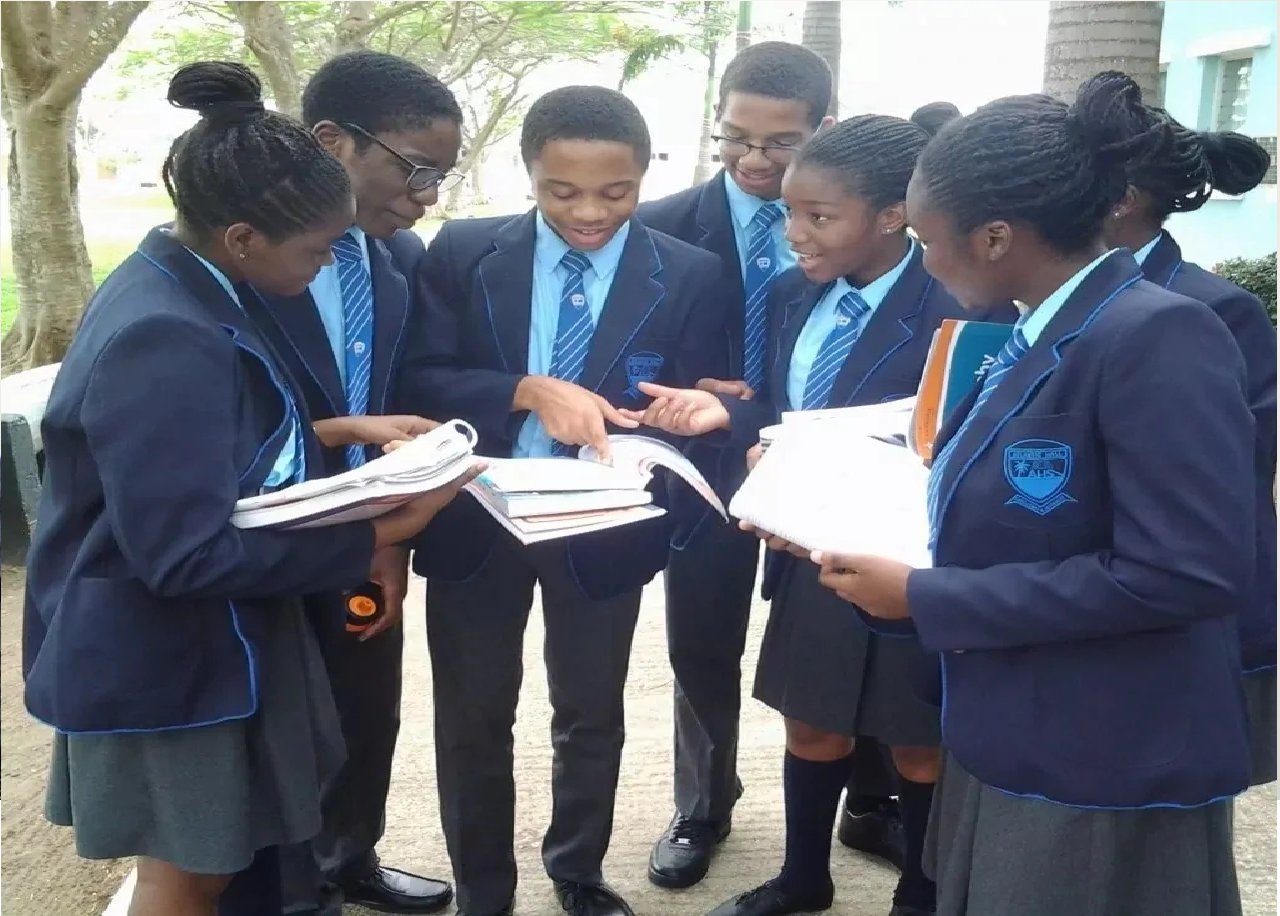
Despite mumbles and outcries against private schools, especially by public school teachers and parents whose children are in public schools, these schools spring up every day and everywhere. Today, it is hard to find a street in Nigeria without a school located in it. Everyday, from 6am to about 8am, our roads are filled with school buses moving from house to house to pick up children and convey them to school. This same ritual is repeated from 3pm to 5pm, this time to return them back home. One could not help but notice that our education sector is being taken over by the private sector.
As a young school girl, back in the 80’s, all the schools I know are owned by the government, religious organisations or tertiary institutions. With time, private individuals began to open crèches (then known as daycare), which later graduated to nursery schools, then to primary schools, and finally to secondary schools. These days you can hardly find a private school that does not have crèche, nursery, primary and secondary sections (they usually add ‘group of schools’ to their names). Those that don’t have all of them are making plans for that. Honestly, the way private tertiary institutions are springing up these days, I am sure that very soon they will be included to the list of sections belonging to one ‘group of school’. But I believe you know that some private schools already have universities or polytechnics.
Having worked with private owned schools for more than ten years, and being a product of public schools, I think I am in a position to give some reasons why private schools are surviving and increasing in number in Nigeria despite their exorbitant fees and, in some cases, lack of outdoor recreational facilities. But before I do that, I will like to point out areas private schools need to improve on.
The Shortcomings of Private Schools
Yes, the complaints against private owned schools in Nigeria may be exaggerated but they are not too far from the truth. Some of their shortcomings are:
- Private owned schools are notorious for giving students and pupils tasks that are higher than their level of education (I am not talking about brain teasers here). A good example is when Primary 2 English and Mathematics textbooks are used for pupils in Primary 1, all in the name of maintaining high standard. And the fact that most of these children are under-aged for their classes is worrisome.
- It is only in private schools that foreign curriculums are used. I think Ministry of Education should look into this. Imagine a student in Nigeria being taught the British curriculum. And when he leaves that school, the next one he goes into will teach him the American curriculum. From there, he might go into the one that uses Australian curriculum, and the story continues. When this student reaches to gain admission into a Nigerian university, he will face JAMB that uses Nigerian curriculum. And a lot of parents are wondering why their children are not doing well academically despite all the money they spent on their education. In as much as I know that our Nigerian curriculum needs constant review and upgrade, all the schools in Nigeria should be made to use Nigerian education curriculum no matter who their owners are. Enough with this borrowing tradition of ours.
- Some private schools may think they are helping the students and their parents, but they need to consider the number of hours spent on academic works in the school (after which the child goes home to face a lot of school assignments and then, the private tutor). I was appalled when a friend told me that school bus picks her children around 5am and bring them back by 6pm. These are children in classes ranging from Nursery 2 to Primary 5. When I asked further, I discovered that normal school academic work ends by 3pm, by the which time the pupils go for 30 minutes short break before going back to class for the one hour thirty minutes compulsory tutorial. These schools are causing a lot of damages to these children. A law has to be enacted to discourage that. They can use most of these times spent on academic works on extra-curricular activities.
- Staff turnover in private schools are so high. This could be for different reasons – from low salaries to poor managerial skills of the management. Whatever the reasons might be, this high turnover rate could lead to learning instability in the pupils. They will have to keep adjusting and readjusting to different teachers and their teaching methods.
- Examination malpractice is high in private schools. This is because some of these schools want to retain their customers, so they do anything possible to keep records of good results for external examinations. Note that examination malpractice is also common in government schools, but that depends on who the head is.
Reasons for the Survival of Private Schools
Below are some of the strategies employed by private schools that kept them afloat:
- Constant Staff Trainings: Private schools continue to train and retrain their staff. The trainings given to these staff members are not only on teaching methods and techniques, but also on good customer relation. This is part of why teachers in private schools handle students better and are more polite to their students’ parents and visitors.
- Constant Supervision: The owners of the schools want to make profit. To them, their schools are business ventures and investments, which must grow. As a result, they ensure that there are thorough supervisions of works going on in their schools. With this, truancy by staff members is prevented.
- Openness to Innovation: These school owners understand that there are many competitors and that they need the patronage of many students to stay afloat. To retain their customers, and attract new ones, they constantly think of new ways to improve teaching and learning activities and how to make the environments conducive for the students.
- Staff Hard-Work and Self-Improvement: I laughed when someone said that private schools employ and use unqualified teachers. I laughed because a lot of teachers in government-owned schools have academic certificates but not qualifications. I laughed because a lot of teachers in government-owned schools are still recycling their old obsolete lesson notes, some of which may be more than ten years old, without adding any new knowledge to it. I also laughed because teachers in government owned schools rarely pay special attention to academically weak students. Yes, some private institutions may employ people with lower certificates at the initial stage because they want to reduce cost. But these people are fizzled out as time goes on, unless they were able to upgrade their qualifications and show some form of improvement. Teachers in private schools know that their jobs can go anytime so they keep improving on themselves to keep abreast of the latest discoveries in their areas and also to make themselves employable, in case they lose their current job.
- Working Facilities and Amenities: Most private schools do not engage in outdoor recreational activities for the want of space, yet they outsmart public schools that have much space by ensuring that they have facilities and amenities in their schools. In fact, one easy way of detecting which school is private and which is public is from their structure. Any school that has missing louvers, doors and roofs is likely a public school. Good toilet facilities, electricity, water and security are considered luxury in public schools. One cannot afford to expect the existence of modern facilities used in classroom management in these schools. Honestly speaking, most public schools in Nigeria today look unkempt and dilapidated. They always remind one of the proverbial public-owned goat that died of hunger.
Private schools, on the other hand, understand the importance of the aforementioned facilities and ensure that they are always available and working. Their maintenance culture is worth emulating.
From all that is happening, I can say that private owned schools have come to stay. No amount of complaints and mumbles against them can send them out of the education sector since our public schools are not working. So, our major concern now should be how to make the teachers and other staff members working in Nigerian public schools emulate their counterparts in the private sector to prevent these schools from disappearing from the face of the country in the nearest future. Calling on Ministry of Education to increase their rate of supervision may not yield enough fruits. So I will suggest that community leaders, members of the Upper and the Lower House and philanthropists should come together to find ways of boosting the public schools in their communities. If this is duly done, there will be equal, affordable and undiluted education for all.