DD
MM
YYYY

PAGES

DD
MM
YYYY

spot_img

PAGES

Home Blog Page 6865

Ghana’s Aidah Bot Powers Customer Engagement with AI

0

By Nnamdi Odumody

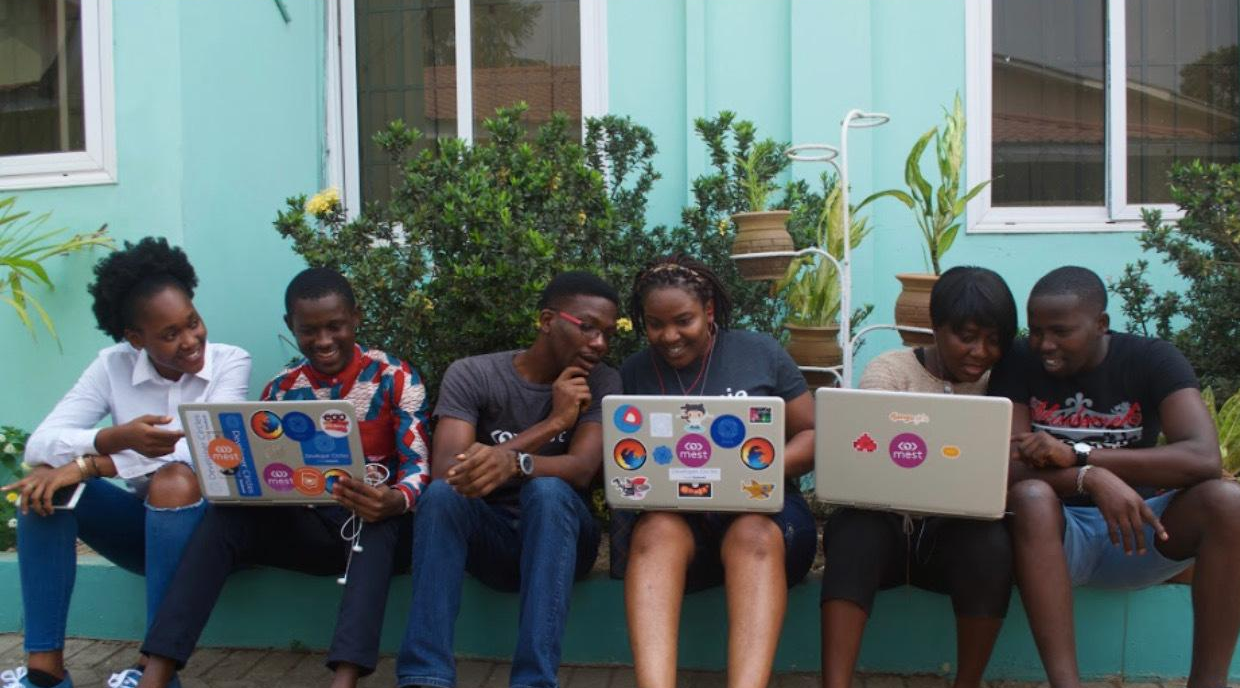
Aidah Bot is a platform from Ghana which utilizes artificial intelligence to automate customer engagement and provides ticketing support for businesses on their digital platforms.

At Aidah our mission is to connect companies with their online customers through our communication platform. We provide businesses with a multi-channel/automated messenger and empowering companies to deliver better experiences with their sales and support teams

It helps businesses in providing instant customer support to their customers while enabling access to different channels such as social media platforms and websites, from a single platform, saving them the hassle of switching between platforms. Aidah makes it easier for clients to respond to customer queries much faster by giving end customers enriched experiences.

Its aim is to automate business processes which are mundane and allow organizations to focus on the core areas of their business. Aidah helps your customers engage with your brand in a peer to peer conversational manner by analyzing the customer’s question and delivering a suitable response.

In Nigeria, Ghana and the rest of Africa, a whole lot of businesses both small, medium and large organizations run their business processes in mundane methods not utilizing cloud based solutions which will enable them to be agile, flexible and offer their customers unique experiences. Aidah hopes to fix this friction by making them digitally transformed.

African Development Bank Plots a Future of Financial Inclusion with a Financing Facility

0

By Nnamdi Odumody

The African Development Bank in conjunction with strategic partners recently launched the African Digital Financial Inclusion Facility to scale access to the provision of digital financial services across Africa.

The African Development Bank, with donor partners, will launch the Africa Digital Financial Inclusion Facility (ADFI) on 12 June 2019 at the Bank’s Annual Meetings in Malabo, Equatorial Guinea….

Digital financial services are emerging as a powerful force for financial inclusion, gender equality and inclusive economic growth. For consumers in low and middle-income countries, digital financial tools, such as mobile payment systems, provide a gateway to greater economic security, empowerment and opportunity.

Although there is a growing ownership of mobile phones in Africa, the benefits of digital financial inclusion have not been fully harnessed.

This fund which was recently launched at its Annual Meeting in Malabo, Equatorial Guinea, is supported by the Bill & Melinda Gates Foundation, Agence Francaise de Developpement and the Government of Luxembourg contributing to this initiative.

It is to ensure that at least 320 million financially excluded Africans of which 60 percent are women have access to digital financial services. About $100 million will be deployed in grants while $300 million will be on debt capital from the Bank’s resources. There are instruments to solve the financial inclusion paralysis by providing digital financial services to low income communities across Africa.

According to the African Development Bank’s President, Dr Akinwunmi Adesina, with the right investments in Innovation and Smart Digital Growth, the obstacles to achieving financial inclusion and greater economic opportunity for all will be overcome.

The four pillars which this initiative will focus on are infrastructure which includes digital and interoperable payment systems, digital products and innovation, policy and regulatory reform and harmonization and capacity building. It will bridge the transaction gap between men and women in Africa.

Michael Wiegand, Director of the Financial Services For The Poor Programme at Bill & Melinda Gates Foundation, posits that financial inclusion achieved through digital financial service models is simultaneously a powerful antipoverty strategy and a catalyst of sustainable economic development for national and regional economies.

The AFDI’s opening project which will serve as a pilot for the fund is $11.3million grant from the Bill & Melinda Gates Foundation to the Bank and the ECOWAS Central Bank. The grant will create an interoperable digital payment system that allows consumers to send and receive money between mobile wallets, and from these wallets to other digital and bank accounts.

The AFDI will utilize banks and non bank financial institutions, mobile network operators, remittance and payment service providers, fintech companies, government ministries, regulatory bodies as well as regional economic organizations to drive access.

It is estimated that only about 43 percent of Africans have bank accounts and interventions like the AFDI are timely and necessary to fix this friction in provision of access to financial services.

Amaecom Global Is Hiring A Microsoft Dynamics 365/CRM Developer, Abuja

0

Amaecom Global is looking to add a Developer with Microsoft Dynamics CRM experience to its team in Abuja, Nigeria. Amaecom is Nigeria’s largest public sector-focused asset financing and leasing company. It has more than 30 branches, and employs excess of 350 staff in its Group which plays in manufacturing, asset financing, mobility, and more.

Amaecom Global Ltd (http://amaecomglobal.com) is an indigenous company registered in Nigeria with the Corporate Affairs Commission to provide financial services in areas of consumer and corporate business asset acquisitions, covering both private and public sectors. Our services range from asset acquisition to hire purchase financing through two core products – PayNow PayLater and Instant Loan.

The ideal candidate for this opportunity has:
• 3+ years of experience working with Microsoft Dynamics CRM
• Excellent verbal and nonverbal communication skills
• Ability work effectively in both an independent and team environment

This position is offering an excellent benefits package.

To apply please send resumes to as follows.

Location: Abuja, Nigeria

Application Closing Date
5th July, 2019.

Method of Application
To Apply: Send your resume to info@amaecomglobal.com

Huawei Goes with Double Play Strategy, Asks US Firms to Begin Paying Patent Royalties

0

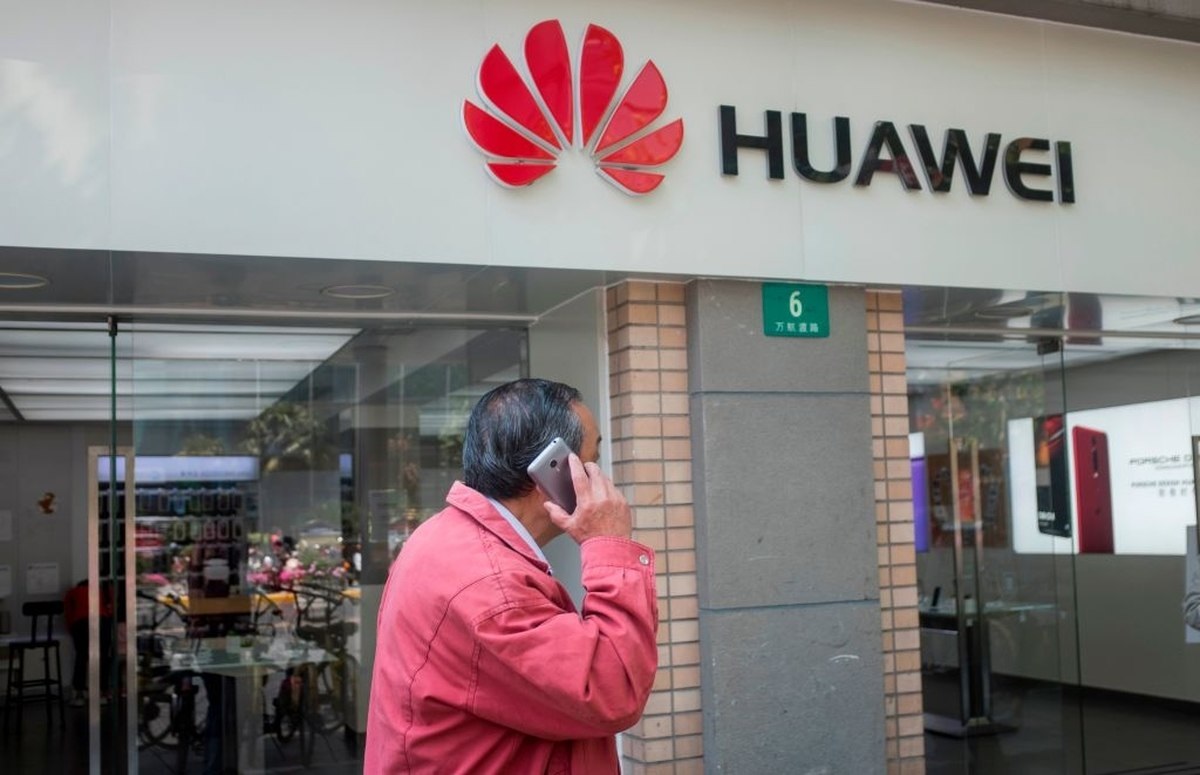
Huawei had estimated that it would lose about $30 billion internationally as a result of the bans in U.S. But it seems the company will cover a good part of that money by asking American companies which license its patents to pay more royalties, CNBC reports; Verizon, a leading telco, could be owing $1 billion.  Of course, doing that could be seen as using “monopoly” power [think Apple and Qualcomm legal case], but I am not sure who will make that call right now: ‘CEO Ren Zhengfei says he “may try to get some money” from firms using the company’s intellectual property’..

Huawei may demand more royalties from U.S. firms for technology they’re using that’s been patented by the Chinese telecom giant, experts say, as the beleaguered firm looks to fight back against continued pressure from Washington.

It would mark a big shift in strategy for Huawei, which typically is not seen as especially litigious in terms of intellectual property rights (IPR), even though it holds some crucial patents that underpin the world of telecommunication.

Last week, Reuters reported that Huawei had asked Verizon to pay $1 billion in royalties for more than 230 of Huawei’s patents. The Wall Street Journal reported that the patents related to Huawei range from core network equipment to so-called internet of things technology — defined as physical devices that are linked to one another over the internet. The Verizon case is not a legal case at the moment.

According to WIPO, Huawei filed most patents in 2018 in the world. Huawei filed 5,405 patents, Mitsubishi came second at 2,812 with Intel third at 2,499. CNBC reports that “Huawei owns the highest number of so-called “standard essential patents” for 5G in the world”. Unless the U.S. Congress updates its laws, Huawei can use U.S. Courts to pursue its claims.

China-based telecoms giant Huawei Technologies, with a record number of 5,405 published PCT applications, was the top corporate filer in 2018. It was followed by Mitsubishi Electric Corp. of Japan (2,812), Intel Corp. of the U.S. (2,499), Qualcomm Inc. of the U.S. (2,404) and ZTE Corp. of China (2,080). ZTE Corp., which was the top applicant in 2016, saw a 29.8% drop in the number of published PCT filings in 2018, its second straight year of declines. The top 10 applicant list comprises six companies from Asia, two from Europe and two from the U.S.

If you check clearly, this is double play strategy.

How Foreign Aid Shapes Media Coverage and Eventual Nigeria Ranking on Corruption

0

By Mutiu Iyanda

 From the north to the south, professionals, public analysts and government officials have accused leaders in the south for not delivering good governance to the people even though good governance is entrenched in the constitutions of most countries comprising the global south.   Ensuring good governance in the south, governments and philanthropists in the global north believe that independent media and freedom of the press must be deep-rooted in the region. Over the last three decades, this notion among others, have been the factors for the flow of aid to the region with a view of removing obstacles such as low professional journalistic standards, funds paucity, weak technical skills and legal frameworks preventing independent media from reporting corruption, crimes among other sensitive socioeconomic and political issues.

From the United States government, the European Union, USAID to the Japanese government through Japan’s International Cooperation Agency, media aid in terms of funding and training are entering global south’s countries every year. In most cases, governments in the global north do dissociate their foreign policy objectives from the donors’ philosophies. Though the percent of media aid from the general aid flowing into the south is less than 0.4%, independent media and professionals are making a significant impact after receiving financial assistance and training towards the coverage of the issues threatening good governance.

Aiding Coverage of Sensitive Issues

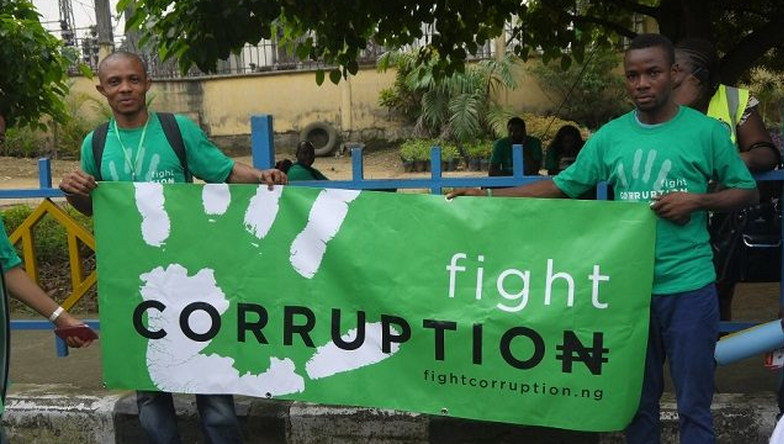
In 2017, in line with its objectives of helping to fight corruption in Nigeria, the John D. and Catherine T. MacArthur Foundation declared about $9 million in funding to advance accountability and anti-corruption efforts. My colleagues and I investigated the impact of the funding and others received in 2014 by Premium Times, The Cable and others. Our analysis of the issues reported by the journalists trained through the funding indicates that the journalists covered accountability, corruption and crime issues after the training more than when the media received no fund and journalists trained.

Flow of Aid for Global Rankings Surge

Since the donors released the grants to assist reportage of sensitive issues, in our second study, we analysed Nigeria’s global ratings in the specific areas within the time that the donors released the money to private media agencies for the training and empowerment of journalists to cover critical areas of corruption, crime and the economy. Our results show that the high coverage of corruption linked with Nigeria’s scores on diversion of public funds and, irregular payments and bribes. Analysis further indicates that corruption and accountability coverage by the media contributed to the country’s poor corruption and accountability ranking by 69.1% and 15.5% respectively.

Like other scholars and researchers, our conclusion is that media in Nigeria and other countries in the global south would continue to follow practices or models of the media in the global north as long as soft (training) and hard (funding) aid continue to flow to the independent media. However, this should not be seen as a total threat to the region. It should be seen as a reality everyone in the region has to contend with as long as the despotic leadership remains.