DD
MM
YYYY

PAGES

DD
MM
YYYY

spot_img

PAGES

Home Blog Page 6866

The Cassock, the Jalabiya or the Human?

0

By Aaron Akpu Philip

Hi guys, come with me on a short journey. Why don’t we start with a conversation by 3 friends: a Christian, a Muslim and an Atheist?

Christian friend: I am surprised you both don’t believe in Jesus. Although I don’t want to judge, but hell is sure for you guys.

Muslim friend: It is you who will go to hell because you do not believe in Mohammed. You are finished. Its better you convert now or face eternal condemnation.

Atheist friend: hahahahaah.. It is such a shame that you guys sit here and claim who needs to go to heaven or hell. How about me that do not believe in any of your Gods?

Christian friend: You will be in a special chamber of hell.

Muslim friend: Your case is decided. You are going to hell.

I apologize for the boring read of this conversation but just before you stop reading this piece, stay with me a bit longer. It is about to get juicy.

Depending on what side of the camp you belong, I am optimistic that the conversation has sparked up thoughts in you and perhaps, you are already taking sides but that is not within the remit of this piece.

We make such arguments in our different spheres. While we make these arguments, we unconsciously slide away from our humanness because we are fixated on religious superiority.

The argument transcends beyond verbality and has sunk deep into our very existence. We experience the brunt of this argument in our schools, work, politics, etc.

The resultant effect of this argument has only been an increase in the divisibility of the oneness of our humanity.

Common scenarios include:

1. “If he is not a Christian, he cannot be Governor”

2. ” If she is not Muslim, you cannot give her the job”

3. “How can you allow this Christian get the appointment?”

These scenarios are inexhaustible.

But have you ever wondered?

1. Is poverty/wealth selective of Christians or Muslims?

2. Does Ill-health or natural disasters choose between Christians or Muslims?

At the end of the day, we are swimming in the same river.

I’d like to round up with these definitions just to put my point in perspective

Cassock: a full-length garment worn by certain Christian clergy, members of church choirs, and others having an office or role in a church ( Online).

Jalabiya: The Jalabiya is a traditional Arab garment worn by both males and females. It predates Islam and is worn over other clothing (Online).

*PS: I am wearing a Jalabiya in the picture*

Now I am not an authority of the Bible or Koran and will not delve into what the books say or don’t say but I am sure that those books perhaps say something about the value of humanity and life.

Christians boast of having Muslim converts and Muslims boasts of having Christian converts. To what end when we are still faced with the torments of hate and a chaotic world? I leave you to your thoughts.

Do not love me based on my affiliation to the Cassock or the Jalabiya but love me because I am human.

The Cassock or Jalabiya are both peripheral, being human is deep.

Until we humanize the practice of our religion, our growth will only remain a charade.

My name is Aaron Akpu Philip and I am Human.

Nigeria Needs Smarter Banning Policy on Commodities

0

By Samuel Nwite

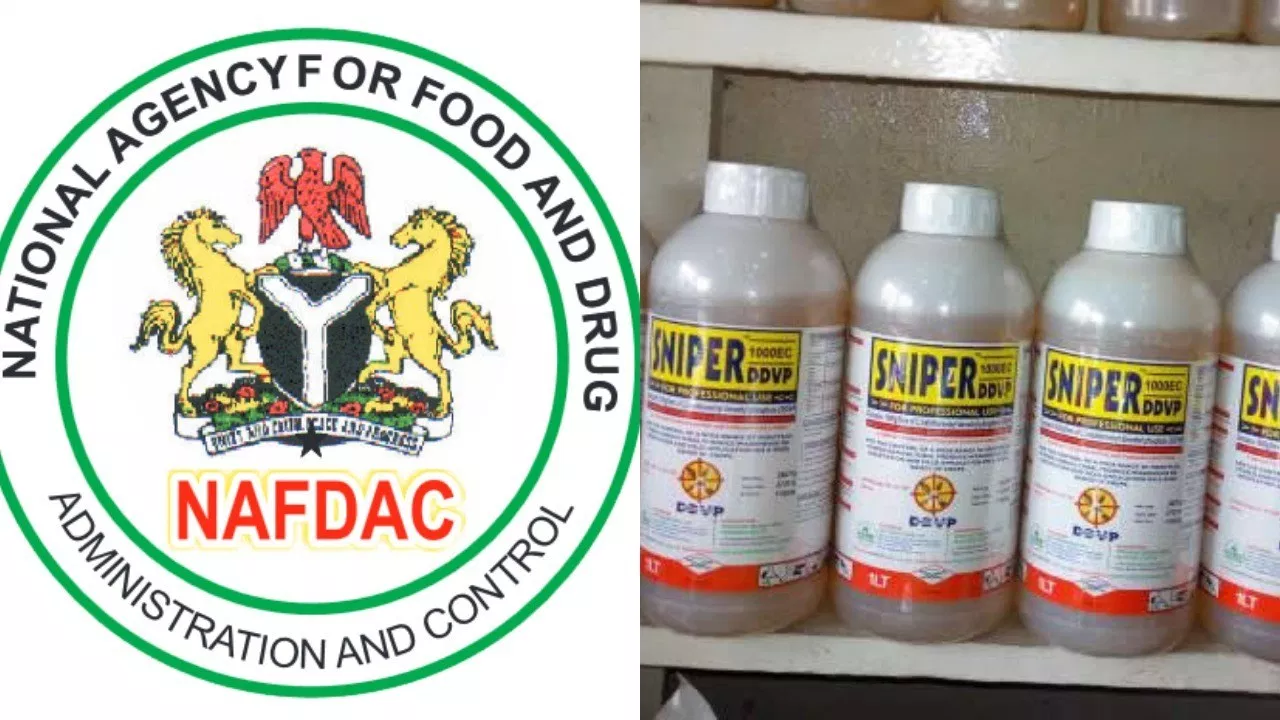
A few days ago, we woke up to the news that Sniper, a Dichlorvos or 2,2-Dichlorovinyl Dimethyl Phosphate, which is used in Nigeria as pesticide because of its effectiveness has been banned in open markets, due to the alarming rate that people use it to commit suicide recently. The move was widely commended by people in many places, after all, it’s the fastest way to curtail its accessibility that is wrecking a fatal havoc on the populace.  So on the claim of “suicide prevention” Sniper took its place among other banned commodities, like the Codeine Syrup that was banned on the ground of substance abuse.

There are over 100 commodity items that are under ban in Nigeria, each supported by the claim of “solution” to economic sabotage, public menace, health concern or suicide. Items ranging from food products, certain medicines, industrial products such as glass bottles and textile fabrics and consumer products that includes footwear and furniture are all in the list. And there is always a large number of people applauding from the side of the ban, not because it’s the solution to the problem, but because it offers some advantage.

In 2015, when president Buhari banned the importation of rice, it was in a bid to curtail the country’s spending on imported foods, and to create opportunity for local producers of rice to thrive. The N7.92trn spent on food importation annually, which rice alone took N.59trn, was a voluminous evidence that there’s urgent need to cut the spending, and Nigeria needed to produce more than it’s importing. And for these reasons, the ban was justified. Rice Farmers went ecstatic, even though they didn’t have the production capacity that will bridge the gap of food insufficiency that the ban would create, or the farming mechanism that will beat the challenge. However, there’s going to be more sales at higher prices, and that’s all that counts. The hunger and economic hardship on the other side of the ban will have to be borne until the experiment totally fails or succeeds.

So the brute spikes of the ban hit home with audacious consequences. Prices went up from N7, 000- N9, 000 to N19, 000- N22, 000 per a bag of rice. With no redeemable option from local producers, or increase in wages for people to keep up, hope waits in starvation. Businesses started weighing their survival choices, which hung on only one solution- Smuggling. And Nigerian porous land borders said Amen to their quest. Traders who couldn’t keep up with the illegalities of smuggling, and don’t have the political connection to secure limited import licenses simply went out of business.

Today, the Rice Processors Association of Nigeria (RIPAN) is lamenting that in the last 3 months alone, over 20 million bags of rice were smuggled into Nigeria, and called for tougher sanctions, even on the supposed watchdog, Nigerian Custom Service (NCS), who they believe is enabling the inflow by taking bribe from smugglers. Rice is the most consumed type of food in Nigeria, and exploding population keeps increasing the demand that local farmers are not yet ready to meet. And Nigerians practically can’t depend on the farmers’ insufficient produce. (In Nigeria, food items takes the largest share from household expenditure which is over 67 percent of total household expenditure. And over 18 percent of that is on the products affected by current import ban. As for non-food household items, over 14 percent is affected by the bans.)

In 2018, when the federal government of Nigeria announced a ban on the production and import of cough syrup containing codeine, it was received with resounding applause. The epidemic resulting from the abuse was escalating, especially in the North, tearing through the future and mental wellbeing of the youth. And on this ground, the ban was plausibly executed. A cheap solution to a deep-seated problem.

The enforcement took effect immediately, although, pharmaceuticals were allowed to sell off what they had in store, but no more production of the syrup and no more importation of codeine. The next week the price shot up from N2, 500 to N5, 000, it has become gold. But it beckons misfortune for the more than 20 pharmaceutical companies producing and selling it, they may suffer huge financial loss, cut the size of their workforce or liquidate. Other people on the spikes menu are patients on the syrup prescription, who have to find alternate drug that may not be so effective and their health will bear the consequences. But then it doesn’t matter, the only thing that matters is that the menace has been slowed down in the meantime, in the easiest way possible. It’s window dressing, never a solution. The project coordinator at Youth Rise Nigeria, an organization that researches drug-policy reform, Adeolu Ogunrombi, captured it well when he told Washington Post, “the cough syrup challenge is just a symptom of a faulty system, if we are just banning the cough syrup to try to solve the problem, then we are actually missing the point.” And he’s absolutely right.

We are talking about substance abuse epidemic that is beyond one product, we are talking about people who can try anything to get high: from sniffing a pit toilet to chewing Tramadol to mixing Paracetamol with hot drinks. The list goes on. It’s only a matter of time before they discover another substance to abuse to a high concentration, and the government will proffer the only solution it knows- “ban it.” And thereby put people out of business, creating another problem, ‘depression’ and eventual suicide.

Sniper is everywhere in the shops, with N500 or less you can get a bottle for yourself- a cheap way to die. But beneath the cheap sniper assisted suicide lies the “why” question that the government is not looking for its answer because the “how” question has easily been answered by shop owners who are only trying to make a living. In an era where over 42 Nigerian students have committed suicide, it’s obviously an epidemic beyond Sniper. Sniper is only the most famous among its contemporaries, and there are a thousand ways to suicide. If you ban ropes because people hang themselves with it, suicidal people will take to knives, electric wires, jumping the bridge etc. And if the ban is extended thus, it will become a sphere of fatal misfortune.

On the other end of the bans is economic misfortune that is evenly shared between the government and the people. Since apparently the bans don’t stop the products from being in circulation, they promote economic hardship by forcing households, individuals to pay more for the needed products from the little earnings they are trying to survive with. Because the products become more expensive in domestic markets than they are in international markets, and it is depriving consumers the right of variety to choose from: Only producers stand to benefit from this. And it shows that the welfare of consumers is never considered whenever the government moves to ban a commodity item. For instance, building material ban has yielded more pains than joy. The cost of building has tripled, enabling the vacuum in the housing sector by depleting the number of affordable houses and jobs that could have been created thereof.

On the other hand, the government is losing a great deal of revenue to private pockets. Duty fees generated through ports and borders have been significantly aiding government’s revenue generation. But no thanks to bans, the revenue has been cut in half by rogue ports and border officers who rake in millions allowing banned goods to be moved in to the country, and smugglers who would not pay to any of the parties, and government is the ultimate loser.

In the government that sees ban as a solution to the negative side of every product, goods and services, tariff is a rescue option. As the World Bank recommended, if bans are replaced by tariffs set at levels that reduce product prices, then the cost of living will fall and the welfare of domestic consumers will rise. And if regulation is used instead of ban, people will stay in business and government will generate more revenue.

E-waste: A Topical Issue on Environmental Degradation in Nigeria

0

By Oko Ebuka

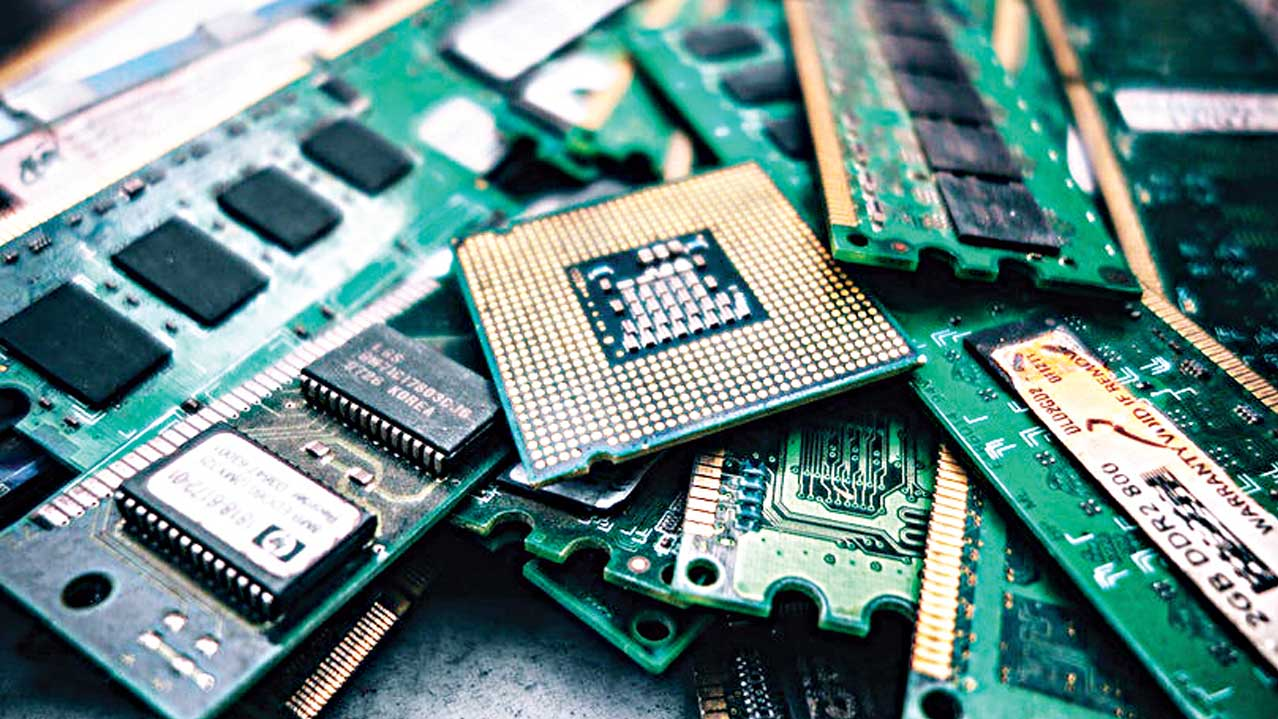
The informal recycling of Electronic wastes otherwise referred to as E-waste has been causing environmental haphazard in the country by emitting unwanted chemicals which affects human health and increases high mortality rate.

According to the Ministry of Environment, the concern about E-waste arises from the fact that it contains about 1,000 hazardous substances such as toxins which are released to the environment from prevalent recycling practices where cables are burnt, process to extract copper and other precious like gold, diamond, etc.

These substances in the environment however, interfere with the body functional processes increasing risk of stroke, heart diseases, lung cancer, acute and chronic respiratory diseases including asthma and many other health problems.

Also, high mortality rate have been recorded from the inhalation of this noxious and toxic emission from informal recycling of e-waste.

According to the findings of Basel Action Network, from Basel centre, Nigeria study of 2005, about 500,000 used computers are imported in into the country annually through the Lagos port alone.

And an estimated 25% of the imports were functional while 75% were junks or unserviceable which is eventually burnt or dumped, the ministry said.

Areola affirmed that the project which is now backed up by law will aid in curbing the excessive wrong recycling across the nation and create job opportunities.

“This project is apt considering volumes of waste being generated and the need to use waste as a resource to grow the economy and generate employments along the waste value chain.

“The federal government has programmed a legal framework for curbing this menace through NESREA”, she said.

Disclosing this to journalists during the formal launching and inception meeting of project tagged “Circular Economy Approaches for the Electronics Sector in Nigeria”, organized by National Environmental Standards and Regulations Enforcement Agency, NESREA, in conjunction with United Nations Environment Programme, UNEP, and Global Environment Facility, GEF, recently held in lagos, the permanent secretary who was represented by Mrs. Oluwatoyin Areola, said that the project is mainly focused on life-cycle management to achieve a zero waste environment.

 “This is the underlining dynamism in the implementation of the extended producers’ responsibility (EPR) programme focused on the life cycle management of waste towards achieving a zero waste.

Also in the report, the Federal Ministry of Environment said that about 60,000 tons of used and unused electrical containers are imported in Nigeria per year by only buyers in Lagos ports. This also includes imports to lands from neighboring countries with most imported used electronics and electronic equipment, UEE, partially functional but a fraction still remains non-functional.

From the statistics also, it can be inferred that Nigeria may have imported at least, 15,700 tons of E-wastes most of which are LCD TVs containing mercury, refrigerators, and air conditioners containing HCFCs.

This goes a long way to prove the words of an environmental expert, Professor Oladele Osibanjo, who posited that e-waste is a national issue with global consequences as Nigeria is the only place the world choses to dump e-wastes in Africa.

He hopefully added that Nigeria should embrace the e-waste formal recycling business which has a special attraction and will be resourceful to the economy if properly utilized

Beyond ACFTA, The Real African Challenge

0
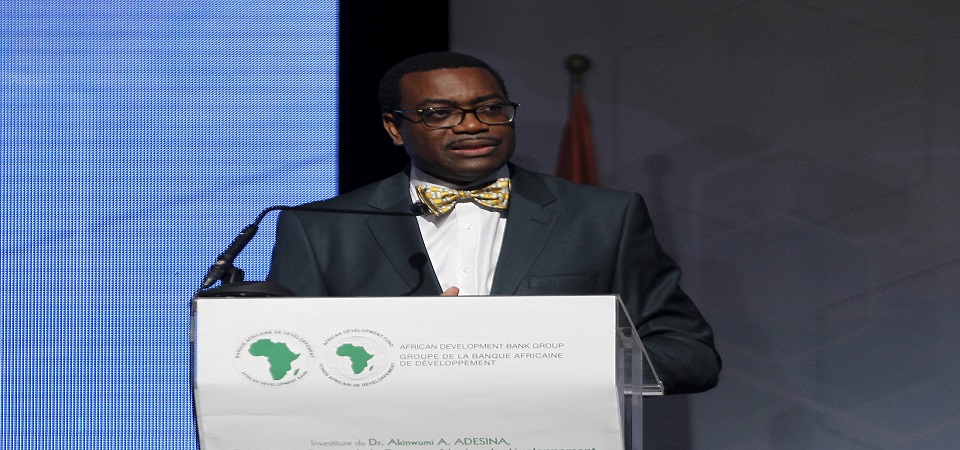
AfDB president Akinwumi Adesina
Akinwumi Adesina

ACFTA (African Continental Free Trade Agreement) has been heralded by many as a possible panacea to many trade frictions in Africa. Interestingly, the African Development Bank’s 2019 African Economic Outlook may have a clear insight on what really matters: “trade costs due to poorly functioning logistics markets may be a greater barrier to trade than tariffs and nontariff barriers”.  Yes, logistics paralysis in Africa is more critical than tariffs. So, even if you remove the tariffs among member states without dealing with supply chain infrastructures, nothing catalytic will happen. Those infrastructures will be seaports, airports and trade routes structured for intra-Africa trade, besides the current Africa-Europe which the colonial rulers built to help their missions many decades ago.

When writing the African e-commerce story, I often leap at the chance to explore only the enviable milestones the continent has made. Nevertheless, there still exist formidable challenges especially in logistics, a vital constituent of the industry. The African Development Bank, in its 2019 African Economic Outlook, notes that “trade costs due to poorly functioning logistics markets may be a greater barrier to trade than tariffs and nontariff barriers”. This side of the story must also be told; if we are to find sustainable solutions to what could be the gateway to growing Africa’s e-commerce by leaps and bounds.

Simply, unless ACFTA will fix these infrastructure challenges, the expectation that tariffs will do the magic is an illusion. Yes, I am not hopeful that ACFTA can deliver, since after many years, NEPAD (New Partnership for African Development) has failed to change the destinies of African people despite the workshops and partnerships. Of course, I am not saying we do not need integration, my point is that even after all the papers have been signed, Africa needs to build infrastructures, as I noted in this Harvard article, to power trade if it hopes for those signatures to impact positively the welfare of the citizens.

If logistics accounts for 50-75% of retail price of goods, in Africa, it means that is where the opportunities are to improve trading efficiency. Tariffs remain important but we cannot lose the sights where the real challenge is. I am not sure the reason why Nigeria is not trading more with Gabon is due to tariff; I do think the problem is that poor infrastructures make that intra-Africa trade more challenging. To fly into Gabon from Lagos, you may have to fly into Europe first, and then back to Africa; tariffs will not fix that, only building infrastructures will do.


President Buhari Must Consider MAN Position on ACFTA, Fixing “Rule of Origin” Prerequisite for Nigeria