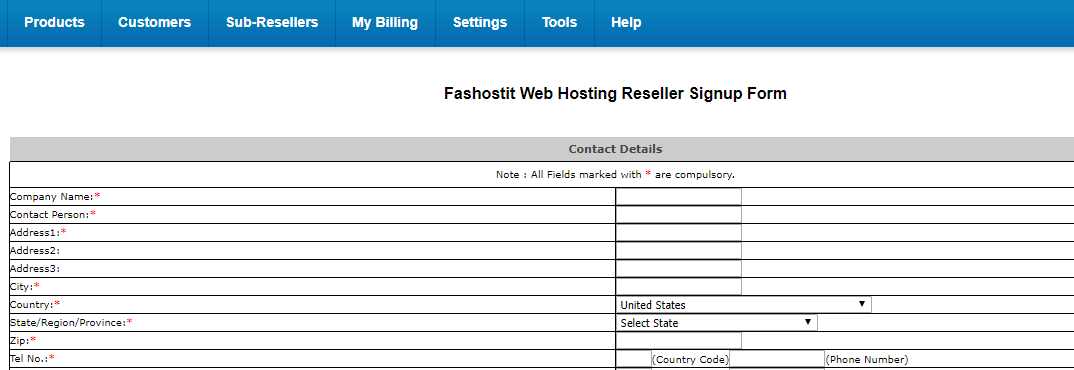
A unit of the Fasmicro Group named Fashostit Web Hosting is accepting web entrepreneurs across Africa. We offer domain registration and web hosting since 2011. Now, we are looking for resellers. Resellers would have opportunities to brand their accounts in their own domains and white label them anchored by our platforms.
Here are the requirements:
Email tekedia@fasmicro.com indicating interests to become a domain and hosting reseller
You would be required to pay a one-time fee of $50 or N18,000
Account would be created and you would be given login details to your account.
You can then brand your account and begin to market domain registration and hosting to clients
We offer domain reseller and cpanel web hosting. You would have ability to manage your website by yourself and create emails. To get a domain and hosting, the cost is N9,000 (or $25) per year. Two ways to work with us (Method A preferred) are as follows:
Method A
You can pay via Paypal here ($25) or do bank transfer (Nigeria) into any of these accounts for N9,000.
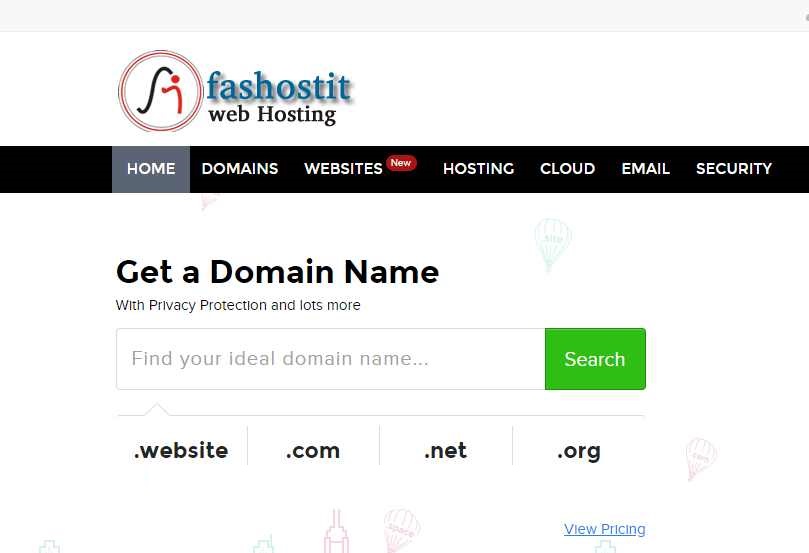
Click our domain reseller portal to find available domain [ignore the cost, just find available domain name for your use. Our above pricing which also includes hosting is for .com, .biz, .org and .net. You can get other extensions for extra payment. Email our team if interested. ]
Once done, email tekedia@fasmicro.com with evidence of payment and the domain name you want
Team will register the domain and setup the hosting. Your cpanel password would be emailed. It takes typically one hour to complete this.
Click to Checkout [Ignore the request to buy a Cloud Hosting Package by clicking No Thanks…]
Register on the portal [for new customers] or login [for returning customers]
On the Payment options:
Fasmicro nativePay is to send N9000 through bank transfer. Clicking it takes you to http://fasmicro.com/bank where you can find information on our bank details to make a transfer or use our site startcrunch.com to pay via GTPay or Interswitch.
PayPal Standard is to complete the payment via PayPal [the price may adjust as it is dynamic. Yourecommend you use this link to pay $25 via PayPal.]
Offline Payment: clicking that places the order. You would be asked to contact us to make the payment
After mobile, and in the depth of AI, the next frontier is blockchain. Facebook has started the game, Verge reports.
Facebook is reportedly planning to launch its own cryptocurrency, according to a report fromCheddar’s Alex Heath.
Currently, there isn’t too much detail, but the company is said to be specifically focused on using cryptocurrency specifically for facilitating payments on the platform, something that could be a pretty dramatic shift given Facebook’s huge user base and existing marketplace section of the site for buying and selling goods. The company is also said to be investigating other ways to leverage the tokenized digital currency and its underlying blockchain technology across its platform, too.
The cryptocurrency efforts are said to be led by David Marcus, who earlier this week was reported to be leading a new blockchain division at Facebook “to explore how to best leverage Blockchain across Facebook, starting from scratch.”
Update May 11th 1:00pm: Facebook released a statement to The Verge, commenting that “Like many other companies Facebook is exploring ways to leverage the power of blockchain technology. This new small team will be exploring many different applications. We don’t have anything further to share.”
If Facebook goes ahead to create blockchain solutions, many things could change in the industry. With a population larger than Africa, Facebook is a planet. Just as banks are adopting Facebook’s Messenger bot instead of building their own versions, many companies would build on Facebook Blockchain. A Facebook Blockchain would be an operating system because the people are already there: it would have at least one billion users overnight.
Yet, I would not believe that Facebook would build a cryptocurrency. If it does that, it would be a recipe to be broken as a company. Ethereum Foundation is already under heat for ether [the U.S. Securities & Exchange Commission is concerned that a small Foundation could oversee such a huge asset]. Facebook would have impacts in multiples to whatever Ethereum is doing today.
The second most valuable cryptocurrency behind bitcoin, Ethereum, is under regulatory scrutiny by the Securities and Exchange Commission (SEC), which is considering whether it should be classified as a commodity or a security.
A Facebook cryptocurrency would mobilize not just startups but banking institutions against the social media giant. If it happens, it can be a currency which will be useful, not tethered to any real-money benchmark because Facebook is a huge continent of itself. Provided everything stays within its network, it can claim that it is simply a “mileage system”, or a “loyalty system” or at best a “transferable reward system” which is uncorrelated with any real currency. Then, it would add in its terms “You cannot exchange the Facebook coin for any other currency. It has no value outside Facebook”. Of course, people would go ahead and trade the coin even if it means swapping Facebook accounts.
People, this would be interesting and could happen. Yes, crazy things have happened in the past: a Facebook crypto could be dangerous to nearly every digital business in this world. That currency could be deployed across its platforms including Instagram.
I noted many weeks ago that Facebook (and Instagram) have become major ecommerce players. Now, Instagram has stepped up the game with a native payment system. The implication is that you do not need to leave Instagram if you want to shop for some items posted by some merchants. I expect sellers to move to these platforms because that is where the customers are.
But if Facebook is wise [ I know it is], it should just focus on blockchain for whatever, and stay away from currency unless it wants to be broken into pieces by regulators.
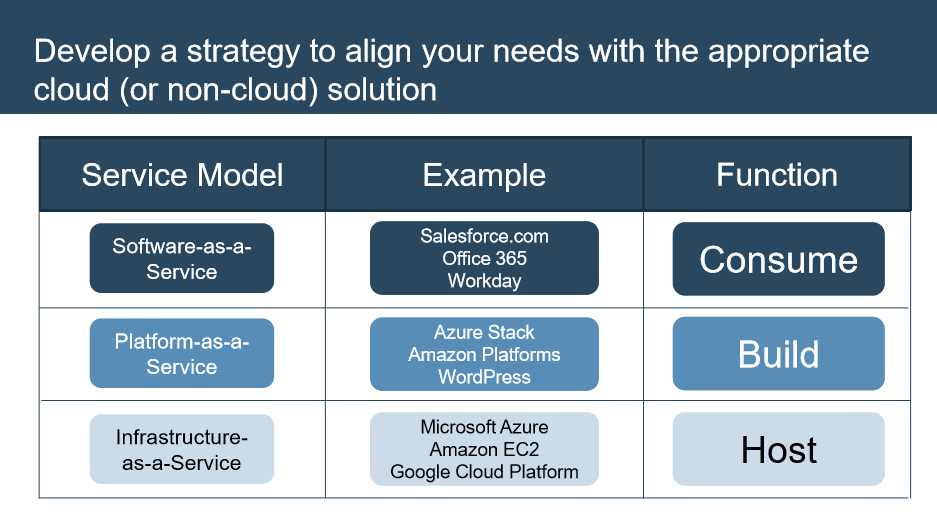
There are many things to consider when choosing cloud services. In this piece, I look at them, and then compare the different options: public, private, hybrid and community cloud solutions. Certainly, getting the best in cloud requires a strategy, communicating that strategy and executing a roadmap. Cloud is not as easy as many people make […]