DD
MM
YYYY

PAGES

DD
MM
YYYY

spot_img

PAGES

Home Blog Page 724

Microsoft Integrates OpenAI’s GPT-5 Across Its Ecosystem, Unlocking Powerful AI Tools for Developers and Enterprise Users

0

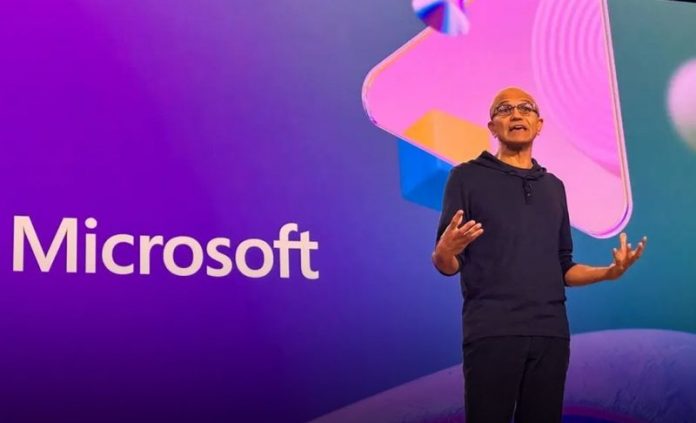
OpenAI’s much-anticipated GPT-5 model officially launched Thursday, and Microsoft is rolling it out across nearly all of its major platforms in a sweeping upgrade that underscores the deepening AI collaboration between the two tech giants.

From Copilot in Windows to Microsoft 365, GitHub, and Azure AI Foundry, GPT-5 is now embedded across Microsoft’s ecosystem, making the latest generation of OpenAI’s large language model accessible to both free and paid users, depending on the product.

GPT-5 Comes to Microsoft Copilot — and It’s Free

One of the most immediate upgrades is in Microsoft Copilot, where GPT-5 is now the backbone of a new “smart mode”. This feature allows the AI assistant to intelligently switch between models depending on the task — for instance, choosing a more advanced model like GPT-5 for tasks that require deeper reasoning or problem-solving, and a lighter one for quicker responses.

Free users of Copilot will now get access to GPT-5 by default, mirroring OpenAI’s decision to offer GPT-5 access to free ChatGPT users. This means millions of Windows users interacting with Copilot in apps like Notepad, Paint, and File Explorer will now have the power of GPT-5 at their fingertips.

Microsoft 365 Copilot Gets Smarter

Enterprise users aren’t left out. Microsoft 365 Copilot, which integrates AI into apps like Word, Excel, Outlook, and Teams, is also getting GPT-5 today. Microsoft says the upgrade brings improved reasoning, better context retention, and more accurate responses during long conversations.

“With GPT-5, Microsoft 365 Copilot is better at reasoning through complex questions, staying on track in longer conversations and understanding the user’s context,” Microsoft said in a blog post.

Copilot Studio, Microsoft’s platform for customizing AI workflows and building plugins, also now runs GPT-5.

GitHub Copilot Upgrades to GPT-5

Developers are also getting a major boost. GitHub Copilot, Microsoft’s AI coding assistant, is rolling out GPT-5 to all paid plans starting today. The model delivers notable improvements in code generation, refactoring, and multi-step logic tasks, which GitHub says should result in fewer hallucinations and more production-grade output.

OpenAI confirmed that GPT-5 comes in four variants, with enhancements in both reasoning and code quality. One of those variants, GPT-5-chat, is optimized specifically for enterprise applications, including multimodal and context-aware conversations — a perfect fit for integrated dev environments and productivity tools.

Azure AI Foundry Opens GPT-5 to Developers

Rounding out the release, Microsoft is also making GPT-5 available on Azure AI Foundry — its developer platform for building and scaling AI-powered apps.

Using the new model router feature, developers can now automatically direct tasks to the best-fitting GPT-5 variant, ensuring efficiency for workloads that vary in complexity and modality. This integration gives startups and enterprises alike access to the most advanced AI available, without needing to build infrastructure from scratch.

Platform GPT-5 Access
Windows Copilot (Free) Smart mode with GPT-5
Microsoft 365 Copilot (Paid) Reasoning + context-aware upgrades
GitHub Copilot (Paid) Code quality & multi-step logic improvements
Copilot Studio GPT-5 integration for AI workflow building
Azure AI Foundry Developer access with intelligent model routing

A Unified AI Front

Today’s rollout of GPT-5 marks a milestone in Microsoft’s multi-year AI strategy. By embedding OpenAI’s most powerful model across its platforms, from personal productivity to enterprise development, Microsoft is building what it calls a “unified AI fabric”. That strategy puts the company in a strong position to maintain its lead in AI infrastructure, while pushing broader adoption of generative tools in both consumer and commercial markets.

With GPT-5 now live in both Microsoft and OpenAI products, a new phase of AI-powered computing has officially begun.
Trump Calls for Intel CEO to Resign Over China Links, Sparking Crisis for Chipmaker

0

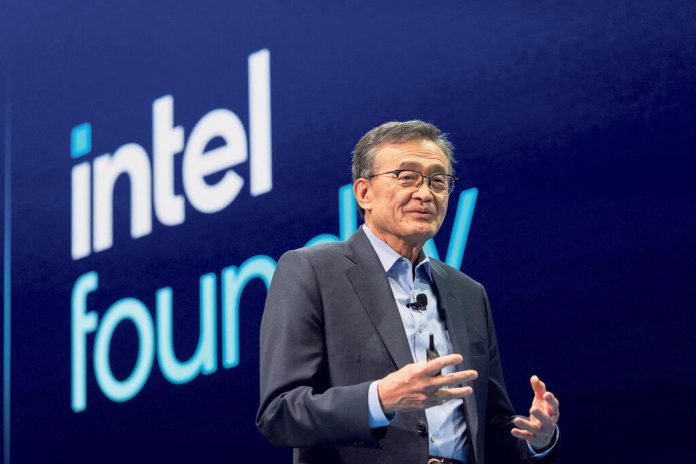
President Donald Trump on Thursday publicly called for the resignation of Intel CEO Lip-Bu Tan, intensifying scrutiny over the executive’s alleged ties to Chinese firms and throwing one of America’s most critical tech companies into crisis.

“The CEO of INTEL is highly CONFLICTED and must resign, immediately. There is no other solution to this problem,” Trump posted on Truth Social around 7:30 a.m., in a direct attack that jolted markets and caught Intel off guard. The company’s shares dropped 3.1% by the end of trading.

The controversy erupted after a Republican senator raised concerns about Tan’s reported financial interests in Chinese companies. Trump’s reaction, however, elevated the matter from a routine vetting issue to a full-blown political and public relations storm — one that now threatens to undermine confidence in Intel at a time when the U.S. is fighting to regain its global chipmaking edge.

In a statement sent to reporters hours later, an Intel spokesperson said: “Intel, the Board of Directors, and Lip-Bu Tan are deeply committed to advancing US national and economic security interests and are making significant investments aligned with the President’s America First agenda.”

But for many observers, the damage may already be underway. Veteran crisis-communications experts warn that the situation could spiral quickly unless Intel takes decisive steps to control the narrative.

While Trump has long targeted government officials, corporate lawyers, and university presidents, it is rare for the President to directly call for the ouster of a sitting CEO of a major American corporation. In this case, the attack comes amid the administration’s broader crackdown on perceived Chinese influence in high-tech sectors and as it pushes for the return of advanced manufacturing jobs to the U.S.

“President Trump remains fully committed to safeguarding our country’s national and economic security,” said a White House official in a statement to Business Insider. “This includes ensuring that iconic American companies in cutting-edge sectors are led by men and women who Americans can trust.”

Lip-Bu Tan, a veteran of the semiconductor industry, was appointed as Intel’s chief executive in March. Though seen by some as a strategic and globally connected leader, his past investment ties have now drawn fire at the highest levels.

Crisis Management Experts Weigh In

Crisis management experts who spoke to Business Insider said Intel needs to address the issue head-on to avert further crises. The U.S. chipmaker has tried to overcome its years of downturn, marked by relentless revenue declines. Tan was appointed the company’s CEO in a bid to revive its fortune.

Kevin Donahue, a 30-year veteran of corporate crisis communication, warned that Intel must act immediately.

“It’s potentially fatal,” Donahue said. “You absolutely cannot stay mum in situations like this.”

He urged Intel to issue a robust and multi-front response addressing investors, customers, and government stakeholders, while anticipating how the narrative might evolve online. “Otherwise,” he said, “the crisis grows.”

Another industry expert, Michele Ehrhart, formerly VP of global communications at FedEx and author of Crisis Compass, said Intel must decide whether to publicly back Tan or not.

“You have to really draw a line in the sand on what it is you’re trying to accomplish and how you’re planning to do that,” said Ehrhart, who is the author of the book “Crisis Compass.”

Ehrhart noted that putting Tan in front of the press could help restore trust, though she cautioned against over-communicating.

“Here’s our statement. We’re not going to go beyond it,” she advised.

Donahue also recommended that Intel assemble a rapid-response team of legal, PR, and government affairs experts to coordinate messaging and demonstrate the board’s confidence in Tan’s appointment.

“That’s a tall order,” he admitted.

Managing Trump’s Attack

But Trump’s involvement adds a uniquely unpredictable element. Evan Nierman, CEO of crisis PR firm Red Banyan, said dealing with a standard political figure is one thing, but confronting Trump is another matter entirely.

“You have to create an offramp,” Nierman said, advising Intel to find a diplomatic way to de-escalate. “Get in touch with people close to the President and try to demonstrate alignment.”

Nierman called Trump’s political style “transactional” and suggested that a careful review of his posts and speeches might reveal what Intel could say or offer to get him to step back. “You’re going to have a lot more success than telling him no, ignoring him, or trying to defend yourself.”

A New Test for Corporate America

The episode underscores a new reality for corporate America: doing business, especially in sensitive sectors like semiconductors, now involves navigating high-stakes geopolitical tensions, domestic political pressures, and the personal attention of the President himself.

For Intel, how it handles this moment could determine not just the future of its leadership but also its credibility with investors, regulators, and allies at a time when the U.S. is making historic investments in reshoring chip production.

As of Thursday evening, Intel’s board had not announced any change in leadership. But few expect this to fade quietly, not while the President continues to post.

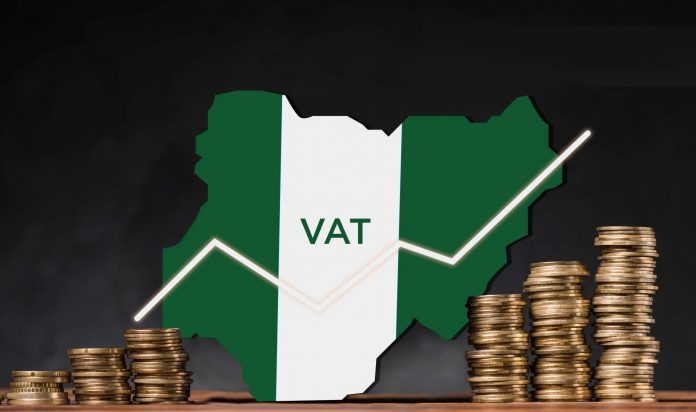
Nigeria’s VAT Collection Hits Historic High At N1.95tn Amid Reforms, Inflation, and Compliance Surge

0

Nigeria’s Value Added Tax (VAT) revenue reached an all-time high of N1.95 trillion in the fourth quarter of 2024, as the country’s tax system continues to evolve under sweeping fiscal reforms and inflationary pressure.

This marked a 9.23 percent increase from the N1.78 trillion recorded in the third quarter of 2024, according to the National Bureau of Statistics’ report titled “Sectorial Distribution of Value Added Tax (Q4 2024).” The figures reflect improved tax compliance, expansion of the VAT net, and the unavoidable influence of rising prices across goods and services.

Domestic VAT payments accounted for N917.40 billion, foreign non-import VAT contributed N554.68 billion, and import VAT brought in N474.75 billion. While local business activity remains a major contributor, the country is also capturing significant VAT revenue from imports and foreign services, a trend analysts say mirrors Nigeria’s increasingly globalized digital economy.

The manufacturing sector again topped the chart, contributing 25.89 percent of the total VAT revenue, a strong signal of its dominance in the formal economy. It was followed by the information and communication sector with 16.18 percent, while mining and quarrying added 15.52 percent. On the other end of the scale, activities of households as employers, extraterritorial organizations and bodies, and water supply, sewerage, and waste management collectively contributed only marginal portions of the total VAT pool.

In terms of quarterly growth, extraterritorial organizations and bodies recorded a sharp increase of 180.05 percent, followed by agriculture, forestry, and fishing, which rose by 70.83 percent. Human health and social work activities increased by 46.13 percent. However, some sectors declined in VAT remittance. Household-related activities dropped by 28.97 percent, while information and communication contracted by 23 percent.

On a year-on-year basis, VAT revenue grew by 62.19 percent compared to the fourth quarter of 2023. This significant leap suggests a combination of inflation, an expanded tax base, and growing efficiency in tax enforcement.

The revenue surge follows major tax reforms signed into law by President Bola Tinubu in June 2025. These included the Nigeria Tax Bill, Nigeria Tax Administration Bill, Nigeria Revenue Service (Establishment) Bill, and the Joint Revenue Board (Establishment) Bill. Passed after months of consultations and legislative debates, these laws aimed to harmonize tax collection across federal, state, and local governments, strengthen tax institutions, and improve compliance.

While officials have praised the reforms as necessary for Nigeria’s fiscal health, critics have raised concerns about the burden they place on businesses and consumers already struggling with inflation and dwindling purchasing power.

Government officials argue that the record-breaking VAT is evidence that reforms are working. Enforcement has intensified, digital tools have been deployed to detect evasion, and import monitoring has become more rigorous. Still, economic analysts warn that the uptick in tax collection is being driven partly by higher prices of goods and services, which means citizens are bearing the brunt of the revenue hike.

Nigeria’s tax-to-GDP ratio remains among the lowest globally. Despite the improved numbers, the revenue still falls short of what is needed to address the country’s massive infrastructure deficit, rising debt burden, and growing demand for social spending. The challenge, experts say, lies not only in raising revenue but in ensuring that taxes collected are effectively and transparently used.

While the government eyes additional streams such as property tax, digital service tax, and levies on luxury goods to expand its revenue base, questions linger on whether higher taxes in a fragile economy will lead to long-term growth or simply fuel more evasion and discontent.

Tesla Awards Musk $29bn in New Stock Grant Amid Legal Wrangle Over Voided Pay Package

0

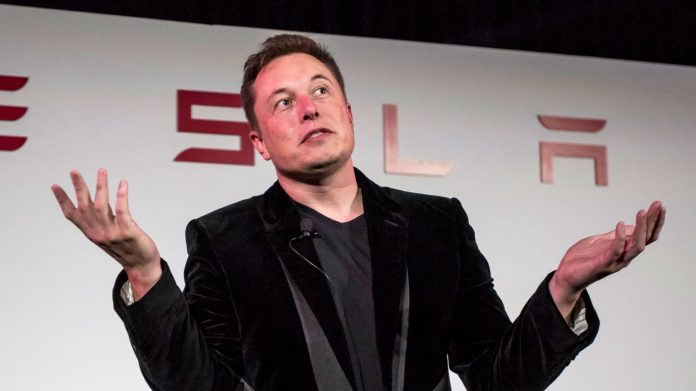
Tesla has approved a new interim stock award worth roughly $29 billion for CEO Elon Musk, reigniting debate over executive compensation and raising legal questions over whether this latest package will face the same fate as its predecessor—a $56 billion plan that was annulled by a Delaware judge earlier this year.

The new grant, comprising 96 million Tesla shares, was announced in a filing to the U.S. Securities and Exchange Commission. Tesla’s board said the stock is intended as a “good faith” incentive to retain Musk’s focus on the company, especially at a time when the EV maker is pivoting toward AI, robotics, and autonomous driving as future revenue engines.

In the letter to the shareholders, the committee members noted: “While we recognize that Elon’s business ventures, interests and other potential demands on his time and attention are extensive and wide-ranging…we are confident that this award will incentivize Elon to remain at Tesla.”

The board members also noted: “Losing Elon would not only mean the loss of his talents but also the loss of a leader who is a magnet for hiring and retaining talent at Tesla.”

The board added that a longer-term CEO compensation package will be presented at Tesla’s annual shareholder meeting on November 6.

But this move comes with significant legal baggage.

A Legal Backdrop That Shook Tesla’s Governance

In 2018, Tesla’s board awarded Musk a landmark $56 billion performance-based compensation package—one of the largest in corporate history—designed to be earned only if Tesla achieved a series of ambitious operational and market cap milestones. Musk eventually met most of the conditions, triggering large tranches of stock awards.

However, the deal became the subject of a lawsuit filed by Tesla shareholder Richard Tornetta, who argued that the board had failed in its fiduciary duty and essentially rubber-stamped a deal shaped by Musk himself. The lawsuit claimed the process lacked independence, transparency, and fairness, noting that Musk had deep ties to several board members who approved the package.

In 2024, Delaware Chancery Court Judge Kathaleen McCormick ruled in favor of the shareholder, voiding the $56 billion package and calling it “an unfathomable sum” not justified by standard corporate governance norms. The court found that Musk had wielded significant influence over the process and that Tesla’s board had failed to properly justify the award as necessary to retain or motivate him.

Musk’s Response: Exit Delaware

Following the court’s decision, Musk reacted swiftly. In April, he relocated Tesla’s corporate headquarters from Delaware—where it was incorporated—to Texas, a state seen as more favorable to executive-friendly corporate governance. The move was widely interpreted as both a rejection of Delaware’s legal oversight and a signal that Musk would not tolerate court intervention in Tesla’s internal affairs.

The new $29 billion award announced this week is not a formal replacement of the voided $56 billion package, but the parallels are already drawing scrutiny. While it remains to be seen whether any shareholder will challenge this new stock grant in court, legal analysts warn it could face similar challenges, especially if shareholders feel the award sidesteps the spirit of the court’s earlier ruling.

A Gamble to Keep Musk Close

In a letter posted on Tesla’s X account, the company’s board chair, Robyn Denholm, and director Kathleen Wilson-Thompson said: “We know that one of your top concerns is keeping Elon’s energies focused on Tesla.” They described the stock award as a “critical first step” to ensure the CEO remains committed amid his growing commitments to ventures like SpaceX, Neuralink, the AI startup xAI, and most of all, politics.

The committee said it “deliberated carefully” to grant this interim stock award to Musk “against the backdrop of the ever-intensifying AI talent war and Tesla’s position at a critical inflection point.”

Tesla’s share price rose 2% following the news, reflecting investor optimism that Musk’s renewed focus might restore momentum to a company that has lost over 20% of its market value this year.

However, some analysts believe that with Tesla increasingly betting on AI, robotics, and getting involved in politics, governance tensions surrounding Musk’s pay may linger.

Sanusi Blames Nigeria’s Economic Collapse on Years of Rent-Seeking and Policy Failures

0

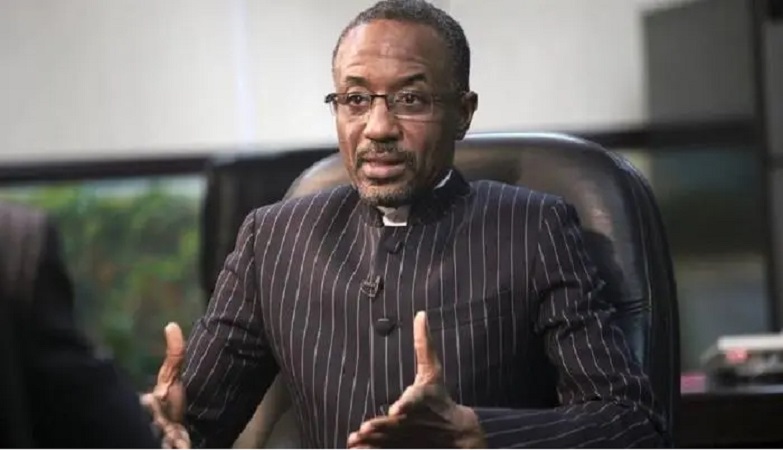
Former Central Bank of Nigeria Governor and Emir of Kano, Muhammadu Sanusi II, has once again pointed to systemic governance failures and entrenched economic mismanagement as the core reasons Nigeria is reeling under one of its worst economic crises in decades.

Speaking during a recent interview on Channels Television, Sanusi said the country’s economic downfall was predictable — a result of rent-seeking elites and leaders who ignored sound economic advice.

“Look, I’m known to have spoken for a long time on the economy and to have warned over a decade ago that this is where we’re headed. I don’t think anyone who studied Economics is surprised that Nigeria is where it is today.

“We spent decades pursuing policies that were destined to bankrupt the economy,” he said.

Sanusi’s latest remarks revive lingering questions about the origins of Nigeria’s current economic woes, a crisis that has its roots in 2015, when Muhammadu Buhari assumed office as president during a collapse in global oil prices. At the time, oil, which accounted for over 70% of government revenue and 90% of foreign exchange, plunged to $50 per barrel. Coupled with poor economic policies, Nigeria, Africa’s largest economy at the time, was pushed into recession in 2016.

Rather than adopt structural reforms, Buhari’s government doubled down on heavy centralization and control. The Central Bank of Nigeria (CBN), under Godwin Emefiele, tightened forex restrictions, shut out investors, and printed trillions of naira to fund budget shortfalls. Debt soared. Inflation crept up. Investment fled. And yet, the leadership maintained that it was building a “self-sufficient economy” — a claim belied by the rising cost of food and basic necessities.

Sanusi, who had been ousted as CBN governor in 2014 for alleging a $20 billion graft in NNPC accounts, repeatedly warned that the policies under Buhari’s administration were unsustainable. His voice, however, was largely sidelined — not just by government officials, but also by powerful interests who benefited from the broken system.

By 2023, Nigeria was deeper in debt than ever before. Public debt surpassed N87 trillion, inflation stood at a 28-year high, and over 80 million Nigerians were classified as multidimensionally poor, lacking access to food, healthcare, and housing. The naira lost nearly 70% of its value following the floating of Nigeria’s foreign exchange market and the removal of fuel subsidy.

“We refuse to listen; every argument, every rational argument against the path that we were following, was met with resistance.

“Those who controlled the narrative were the beneficiaries of this system of rent seeking, and therefore, anyone who was seen as a threat to that system was a target.

He cited the late Head of State, Murtala Muhammed, as a leader who had a vision for economic sovereignty. According to Sanusi, Murtala’s nationalization efforts aimed to break foreign control of key sectors and empower Nigerian entrepreneurs, not perpetuate rentier elites.

“He was not a socialist. He was not a communist. He was a bourgeois nationalist to the extent that he pursued policies that did not really confront capitalism, but tried to ensure that the capital in the country was transferred to the hands of Nigerians.

“It was part of his anti-colonial struggle. So when you look at the indigenous decrees, when you look at opening up the economy to Nigerians, the idea was to create a Nigerian capitalist class that would take over from imperialism,” he said.

“And, and I think this was his major ideological shift from a neo-colonial system to a bourgeois nationalist system.”

The former emir’s comments come amid growing unrest and frustration across the country. Protests have broken out across the country over the rising cost of living. Food inflation reached 40%, amid the squeezed spending power of Nigerians, not eased by the newly negotiated minimum wage of N70,000 per month, which is considered too meager to change the trajectory.

President Bola Tinubu, who came into power in 2023, has tried to introduce reforms, including floating the naira and removing petrol subsidies, but Nigerians say his measures have worsened the hardship without delivering results. While Tinubu’s government blames the past administration for the economic chaos, Sanusi’s position is that nothing has changed, as the rot is systemic and deeply entrenched.